
Cold Start Problems and How Fuel Quality Solves Them
Cold weather puts every engine under stress, but fuel-related issues often receive less attention than batteries or maintenance schedules. Many operators assume difficult starts are unavoidable when temperatures fall, yet the quality of fuel stored and delivered to equipment plays a major role in startup reliability. Whether managing trucks, heavy machinery, generators, or farm assets, […]
The Benefits of Scheduled Fuel Deliveries for Businesses
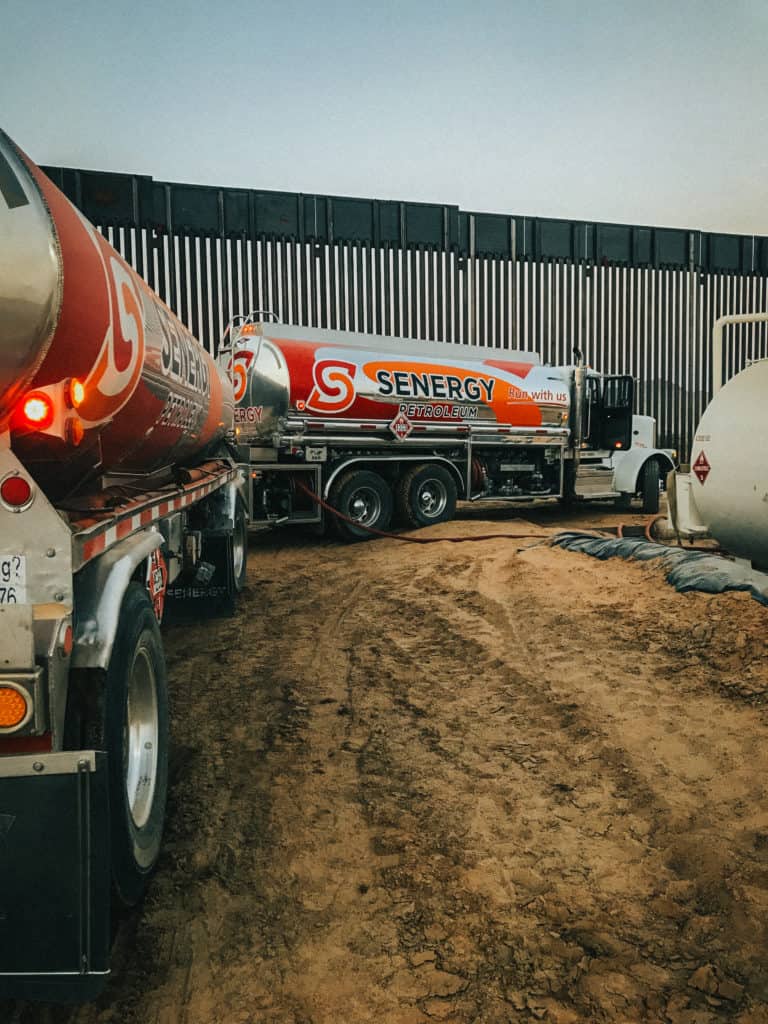
Fuel is one of the most important resources for businesses that rely on fleet vehicles, heavy equipment, generators, and construction machinery. Whether operating a commercial fleet, managing a manufacturing facility, or running a large jobsite, maintaining a steady fuel supply directly affects productivity and profitability. When fuel is unavailable at the right time, operations can […]
How Senergy Supports Government Fuel Contracts
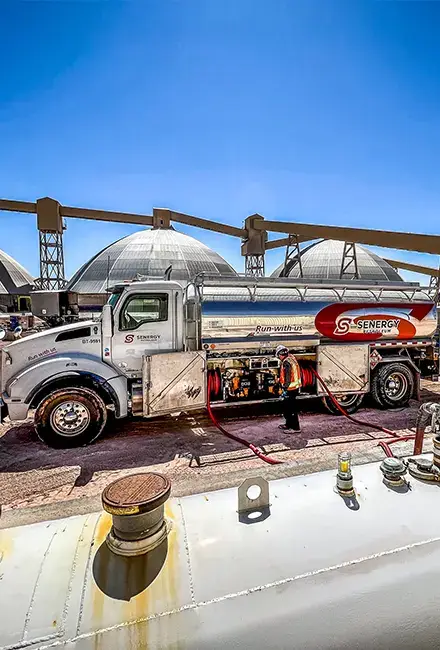
Government agencies depend on reliable fuel partners to keep daily operations moving without interruption. From city maintenance fleets and public works departments to emergency response teams and state agencies, access to dependable fuel services plays a critical role in meeting public needs. Fuel procurement decisions often involve strict compliance requirements, budget considerations, and service expectations […]
How to Reduce Fuel Waste in Large-Scale Operations

Large organizations depend on fuel to keep vehicles, equipment, and facilities running every day. Whether the operation involves transportation, construction, agriculture, mining, or public services, fuel expenses often represent one of the largest operating costs. Even small inefficiencies can create significant financial losses when multiplied across hundreds of vehicles or pieces of equipment. As fuel […]
Fuel Quality and Its Impact on Engine Performance
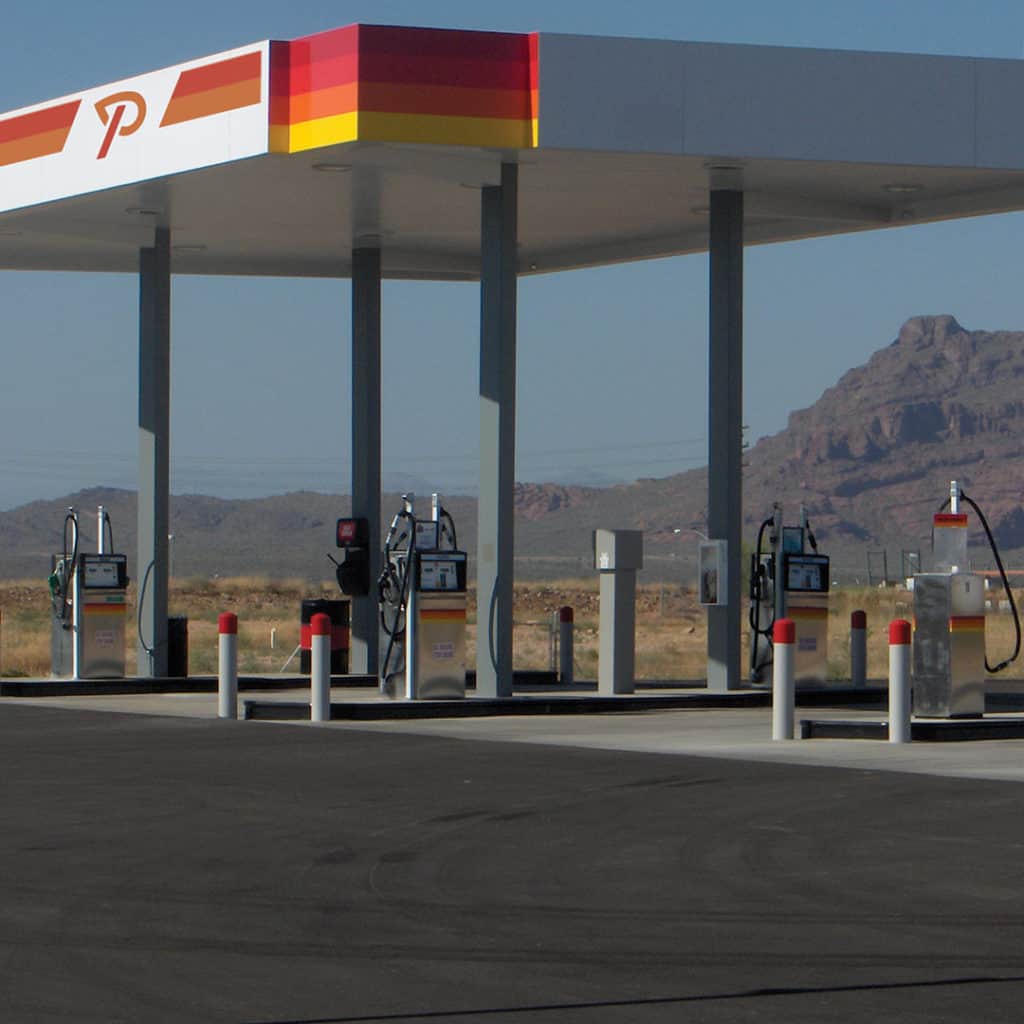
Fuel is more than something that fills a tank. It is the starting point for combustion, power output, fuel economy, and engine health. When fuel purity is high, the engine gets a cleaner burn, smoother operation, and better thermal efficiency. When fuel quality slips, the results show up fast: rough idling, sluggish acceleration, carbon buildup, […]
Understanding Industrial Greases for Equipment Performance
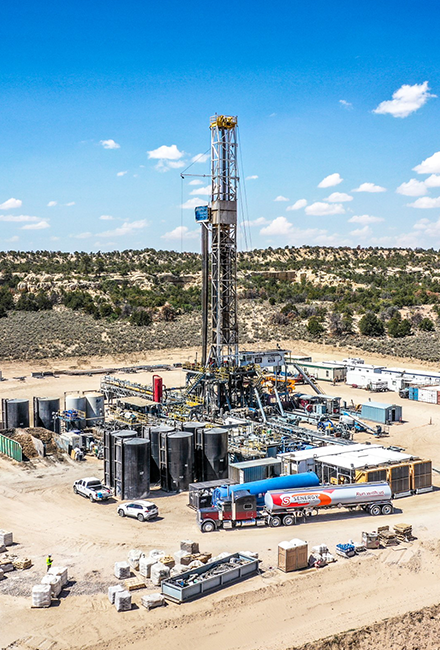
Industrial equipment has to perform in very challenging environments, with high loads, a lot of moving parts, high temperatures, humidity and the possibility of contamination. Under these conditions, correct lubrication is one of the most critical issues that can affect reliability, productivity and equipment life. Within the range of lubrication products, industrial grease is a […]
How Agriculture Operations Benefit from Bulk Fuel Programs

The agriculture industry has become a very sophisticated sector, where efficiency of production operations is directly linked to the profit or loss of the enterprise. Tractors, combines, irrigation, generators and transportation vehicles are all essential to modern farms and require a steady and continuous flow of fuel. With increased production needs, farmers are looking for […]
Aviation Fuel Supply Considerations for Regional Operators

Regional aviation is an essential mode of transportation to link communities, for tourism, emergency operations and business travel. A reliable fuel supply chain is at the heart of these activities. Frequent fuel shortages can cause delays, disrupt schedules and create higher operational costs for operators. But unlike the larger international airports, where they may have […]
Fuel Management Systems That Reduce Operational Costs
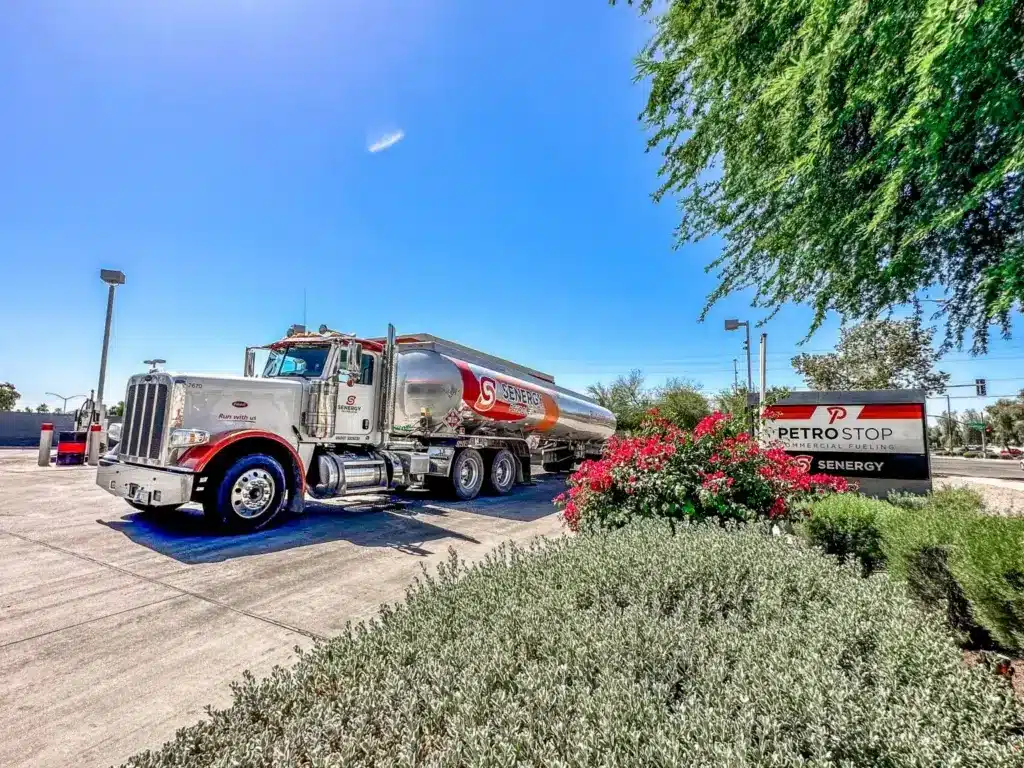
Transportation fleets, construction companies, logistics providers, agricultural businesses and industrial operations are among the many groups and businesses that have one of the biggest operating costs of fuel. With rising usage and volatile fuel costs, companies are looking for smarter solutions to fuel consumption and waste. This is where contemporary fuel administration systems can be […]
Summer Fuel Strategies for Warm Weather Operations
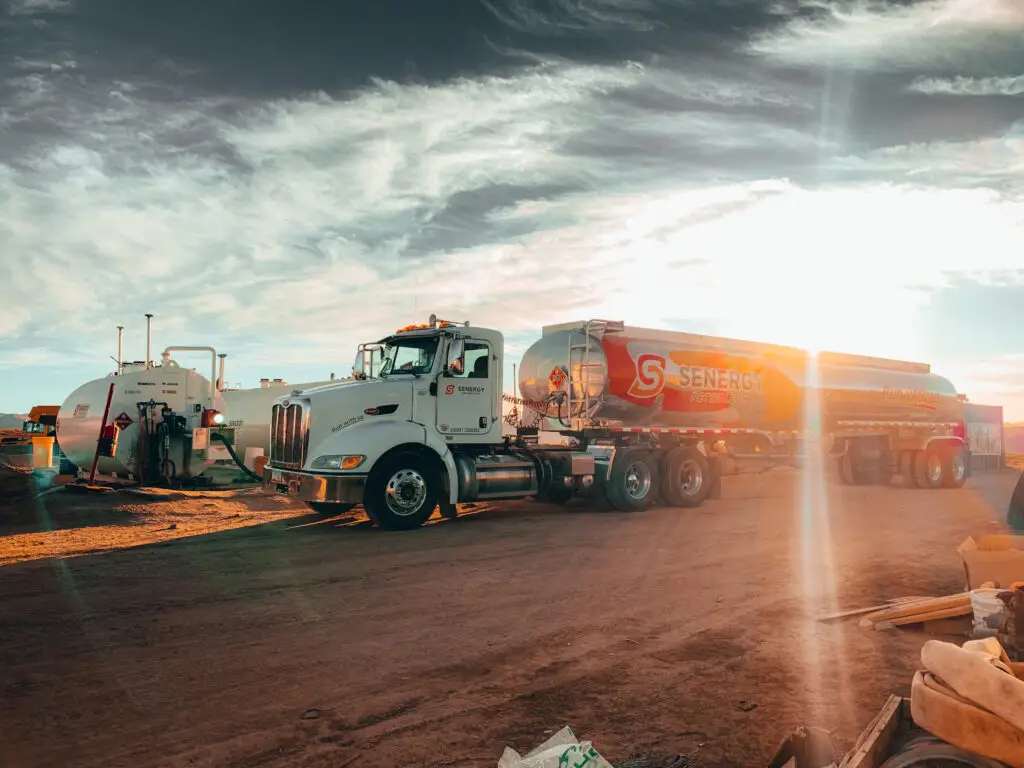
Fuel quality, equipment performance, and overall operational efficiency can all be affected by the conditions that accompany the summer months. From government fleets and industrial machinery to construction equipment, power generation systems, and transportation assets, organizations benefit from a proactive fuel strategy to help maintain reliability during periods of elevated temperatures. A common misconception is […]