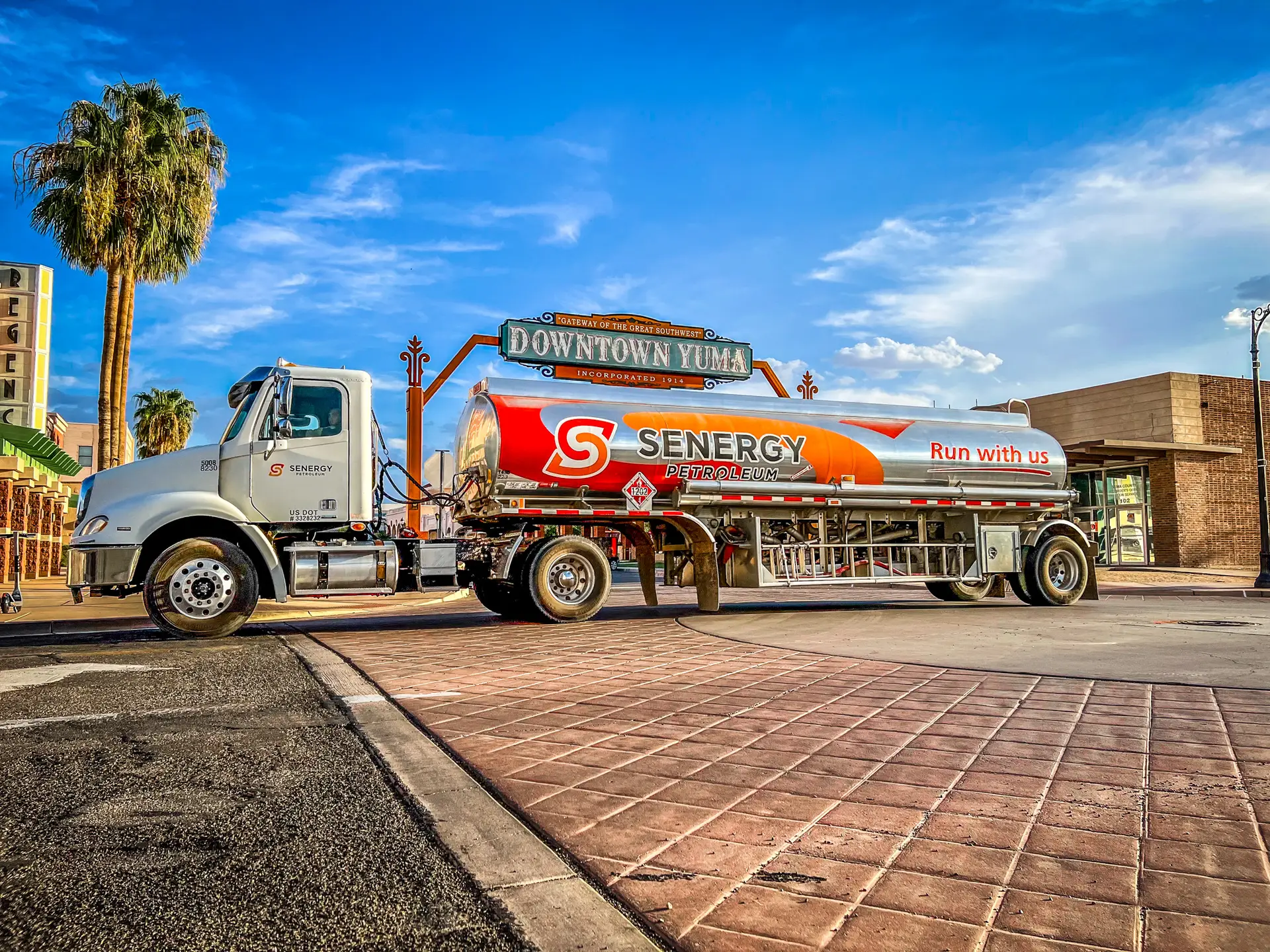
Fuel Management Systems That Reduce Operational Costs
Transportation fleets, construction companies, logistics providers, agricultural businesses and industrial operations are among the many groups and businesses that have one of the biggest operating costs of fuel. With rising usage and volatile fuel costs, companies are looking for smarter solutions to fuel consumption and waste. This is where contemporary fuel administration systems can be useful.
A fuel management system is a collection of monitoring technology, analytics, automation and reporting tools that enable organisations to better monitor fuel consumption on vehicles, equipment and storage areas. Modern recordkeeping systems provide real-time data on fuel usage, enabling managers to proactively address inefficiencies before they turn into costly issues, unlike traditional manual recordkeeping methods.
Current fuel tracking systems can track fueling activities, identify unauthorized fueling, report fueling activities in great detail, and deliver actionable data for decision making. Businesses can precisely measure fuel usage, the efficiency of their assets and where they need to improve.
Why Fuel Management Matters for Modern Operations
Effective fuel management plays a critical role in controlling operating costs and supporting long-term profitability, regardless of an organization’s size. Rising operating expenses, volatile fuel markets, equipment inefficiencies, and unauthorized fuel usage can all contribute to increased fuel-related costs.
Many businesses still rely on manual fuel logs and paper receipts to track consumption. While these methods may provide basic records, they often result in reporting inaccuracies, delayed insights, and limited visibility into fuel usage. Without accurate data, identifying waste and opportunities for improvement becomes much more difficult.
Fuel consumption can be affected by a variety of operational factors, including excessive idling, inefficient routing, aging equipment, fuel theft, and inconsistent maintenance practices. When these inefficiencies occur across multiple vehicles or pieces of equipment, the financial impact can become significant over time.
At the same time, many organizations are placing greater emphasis on sustainability and environmental performance. Reducing unnecessary fuel consumption not only lowers operating costs but can also support broader sustainability goals, making fuel efficiency an increasingly important business priority.
Modern fuel management systems help address these challenges by providing detailed fuel consumption data and performance analytics. With greater visibility into fuel usage, managers can quickly identify unusual consumption patterns, compare asset performance, and take corrective action to improve efficiency across their operations.
How Fuel Tracking Systems Improve Visibility and Control
An effective fuel management program begins with visibility. Without a clear understanding of how fuel is being used, controlling fuel costs becomes significantly more difficult. Fuel tracking systems provide the transparency needed to make informed operational decisions.
These systems collect data from fuel storage tanks, fueling stations, vehicles, and heavy equipment. Fuel usage information is automatically recorded and analyzed, reducing many of the inaccuracies associated with manual tracking methods.
One of the most valuable benefits of a fuel tracking system is its ability to identify fuel loss. Discrepancies caused by leaks, theft, or unauthorized dispensing can be detected quickly, allowing businesses to address issues before they lead to significant costs.
Fuel tracking systems also improve accountability. Fueling activity can be linked to specific operators, drivers, or equipment, creating a clear record of fuel usage. This level of visibility encourages responsible fuel management throughout an organization.
Detailed reporting capabilities allow managers to monitor consumption trends, evaluate asset performance, and establish goals for improvement. Historical fuel data can also support long-term planning, budgeting, and more accurate forecasting of future fuel requirements.
The Right Shapes for Fuel Economy
Improving fuel efficiency delivers benefits that extend beyond reducing operating costs. Every gallon of fuel saved can contribute to lower expenses, improved profitability, and reduced environmental impact.
Many fuel-saving opportunities come from small operational improvements that accumulate over time. Reducing unnecessary idling, optimizing routes, maintaining proper tire inflation, and following regular equipment maintenance schedules can all help decrease fuel consumption significantly.
Fuel management systems provide the data needed to identify these opportunities. By comparing performance across vehicles, operators, and locations, managers can pinpoint areas where efficiency improvements will have the greatest impact. This targeted approach helps organizations achieve measurable results without disrupting daily operations.
Improved fuel efficiency can also contribute to longer equipment life. Equipment operating under optimal conditions typically experiences less wear and tear, resulting in lower maintenance costs and reduced downtime. These benefits create value beyond fuel savings alone.
Even modest improvements in fuel efficiency can generate substantial savings across a large fleet. Lower fuel costs, increased productivity, and improved equipment reliability can provide meaningful advantages for transportation fleets, construction companies, agricultural operations, and industrial facilities.
Data-Driven Fuel Management For Fleet Optimization
Fleet optimization focuses on maximizing asset productivity while minimizing operating costs. Fuel management systems play a key role in achieving this objective by providing actionable data that supports smarter operational decisions.
Modern analytics platforms allow organizations to monitor vehicle utilization, route efficiency, driver behavior, and fuel consumption in real time. This visibility helps managers identify inefficiencies and implement targeted strategies to improve overall fleet performance.
Route optimization is one of the most effective ways to reduce fuel consumption. Well-planned routes can shorten travel distances, reduce idle time, and improve delivery efficiency. These improvements can lead to lower fuel costs while supporting better service levels and customer satisfaction.
Driver performance monitoring is another important component of fleet optimization. Excessive idling, aggressive acceleration, and speeding can significantly increase fuel consumption. By analyzing driver behavior, organizations can develop training programs that encourage more efficient driving practices and improve fuel economy.
Predictive maintenance strategies also contribute to fleet optimization efforts. Properly maintained vehicles and equipment typically operate more efficiently and consume less fuel. Identifying maintenance needs before failures occur can help prevent costly breakdowns, reduce downtime, and extend asset service life.
The Role of Commercial Fuels in Fuel Management
Selecting the right Commercial Fuels is an important part of any fuel management strategy. Fuel quality can have a direct impact on equipment performance, reliability, fuel efficiency, and overall operating costs.
High-quality Commercial Fuels help support efficient combustion, improve engine performance, and reduce maintenance-related issues. Organizations that prioritize fuel quality often experience greater equipment reliability, fewer operational disruptions, and more consistent performance across their fleets and equipment.
Fuel suppliers also play a valuable role in controlling costs and maintaining operational efficiency. Reliable fuel delivery schedules, inventory management support, and fuel management services help businesses maintain productivity while reducing the risk of downtime.
Many organizations utilize bulk fuel storage systems to improve purchasing efficiency and strengthen supply chain reliability. When integrated with fuel tracking technology, these systems provide greater visibility into fuel inventory levels, consumption patterns, and replenishment needs.
Commercial Fuels are especially important for transportation fleets, construction equipment, agricultural operations, and industrial machinery. Selecting the appropriate fuel products can help organizations maximize equipment performance while supporting long-term fuel efficiency goals.
Lubricants and Clean Fluid Solutions
Fuel management extends beyond fuel alone. Quality Lubricants and Clean Fluid Solutions play a critical role in equipment reliability, efficiency, and performance.
Proper lubrication helps reduce friction, minimize wear, and extend equipment life, while clean fluids support efficient operation across engines, hydraulic systems, and other critical components. Contaminated fluids can increase wear, reduce performance, and contribute to higher fuel consumption.
By implementing proactive fluid management practices, including routine monitoring, testing, and filtration, organizations can help prevent costly repairs, reduce downtime, and support long-term operational efficiency.