
Fuel Quality and Its Impact on Engine Performance
Fuel is more than something that fills a tank. It is the starting point for combustion, power output, fuel economy, and engine health. When fuel purity is high, the engine gets a cleaner burn, smoother operation, and better thermal efficiency. When fuel quality slips, the results show up fast: rough idling, sluggish acceleration, carbon buildup, injector clogging, and higher maintenance costs. In modern engines, even small changes in fuel quality can affect the fuel pump, fuel filter, spark plug, fuel injector, piston, valve, turbocharger, catalytic converter, and exhaust system.
In the U.S., this matters for both SI engine and CI engine designs. Gasoline depends on octane rating and anti-knock index to resist engine knock, while diesel depends on cetane number and ignition quality to start and burn cleanly under compression. A fuel that misses the mark can trigger pre-ignition, detonation, incomplete combustion, or fuel system damage. That is why fuel quality testing is not just a lab habit; it is part of engine efficiency, emission standards, and long-term durability.
Gasoline, diesel, and blend fuels do not behave the same way
Gasoline is built around volatility, octane, and the air-fuel mixture. Higher octane fuel resists knock better, which helps engines with a higher compression ratio, turbocharging, or advanced timing. DOE notes that higher octane can support better vehicle performance, and ethanol is often blended into U.S. gasoline because it brings premium blending value and helps raise octane. But ethanol also has lower energy density than gasoline, so the final result depends on how the engine is designed and tuned.
Diesel works differently. It needs strong ignition quality, good lubricity, and the right viscosity so it can atomize well through the fuel injector and burn with clean pressure rise. Biodiesel and renewable diesel can improve cetane and lubricity, which helps reduce wear in moving parts. Fuel properties such as sulfur content, flash point, and deposit-forming tendency also matter because they affect soot, particulate matter, NOx emissions, and the load placed on the catalytic converter and exhaust system
The real damage usually starts with contamination
Most diesel contaminants do not arrive with drama. They show up as water contamination, rust particles, sediment, microbial growth, or degraded additives. Once that happens, filter plugging, injector clogging, and fuel system damage can follow. Competitor articles are right to focus here because water and sediment can clog filters and injectors, while poor storage conditions can turn clean fuel into a problem fuel very quickly.
The same issue shows up in gasoline, just in a different form. Low-grade fuel with weak stability can gum up parts, leave carbon deposits, and throw off the air-fuel ratio. That means more rough starts, less power, and a bigger risk of unplanned downtime. For fleets, the cost is not only repair work; it is lost routes, missed deliveries, and lower engine longevity. Good fuel testing catches those issues before they become expensive

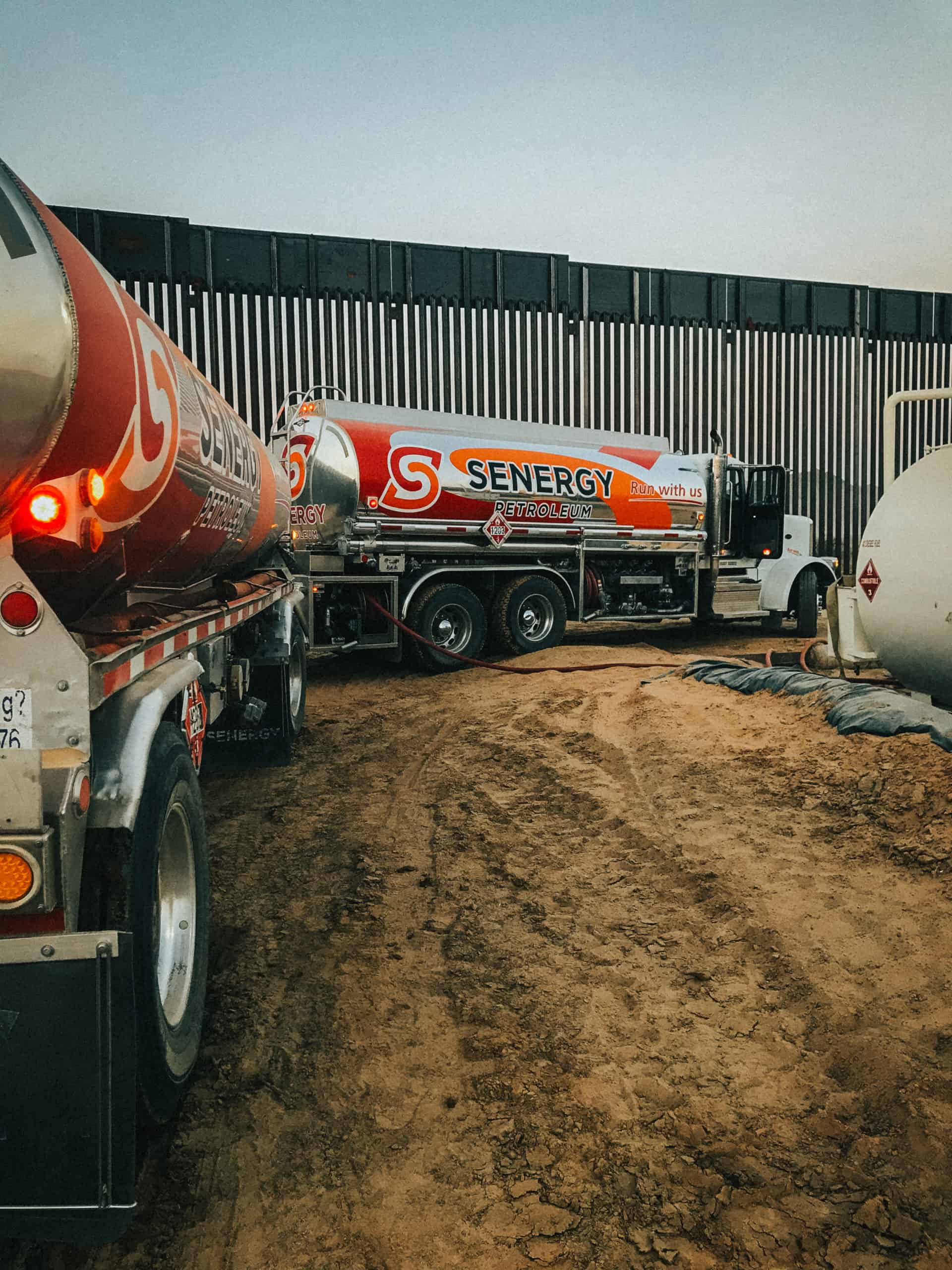
What fuel properties tell you before the engine does
Fuel properties are the early warning system. Octane rating, cetane number, energy density, aromatic content, lubricity, autoignition temperature, and CCAI all point to how a fuel will behave once it enters the chamber. High-quality fuel usually burns cleaner, supports better combustion efficiency, and keeps the engine closer to its design target. That is why fuel standards exist: they give buyers and operators a baseline for safe, repeatable performance.
For gasoline engines, the big concern is knock sensor activity and timing control. For diesel engines, the concern is ignition delay, smoke, and injector spray quality. Fuels with the wrong volatility or viscosity can hurt brake-specific fuel consumption and trim down brake thermal efficiency. Fuels with weak cetane can start hard and run harsh. Fuels with unstable chemistry can break down in storage and invite engine wear before the tank is even empty.
Fuel quality testing should look at the whole system, not one number
Useful fuel quality testing does more than check a single sample. It looks at contamination, sulfur content, water and sediment, stability, viscosity, lubricity, and ignition behavior together. That broader view matches the systems approach used in current research, where fuel, delivery hardware, tank conditions, and engine response are all connected. In practice, that means the same batch can behave differently in fleet fueling, long-term storage, or high-load diesel engine performance.
This is also where routine maintenance earns its keep. A clean fuel filter, a healthy fuel pump, and the right detergent package can reduce deposits and keep injectors working as designed. Some operators also rely on Lubricant support and Cleaning Fluid Solutions during service intervals to help protect sensitive parts, but those products work best when the fuel itself is already in good shape. In other words, maintenance helps, but it should not be asked to rescue bad fuel.
Storage, additives, and daily habits decide the final result
Fuel degradation often starts quietly in the tank. Heat, moisture, oxygen exposure, and long storage conditions can break down fuel quality and invite sludge, rust, and microbial growth. Fuel additives can help with stability, detergency, and deposit control, but they are not a cure-all. The smarter move is to keep storage dry, rotate inventory, inspect tanks, and use fuel testing before problems spread through the system.
For U.S. operators, the lesson is simple. High-quality gasoline supports cleaner spark ignition, while high-quality diesel supports better compression ignition. Ethanol and biofuel blends can help with octane, cetane, and emissions goals, but they must match the engine, the climate, and the job. Hydrogen fuel and methane-number-based systems follow their own rules, yet the same principle holds: the fuel must fit the engine, or engine efficiency will suffer.
The bottom line for owners and fleets
The best results come from pairing the right fuel with the right engine and checking it often. Good fuel quality testing protects power output, torque, horsepower, fuel economy, and emission compliance at the same time. It also reduces carbon buildup, limits fuel system damage, and helps keep maintenance costs and unplanned downtime under control. That is why fuel quality should be treated as part of routine operations, not as a backup fix after a failure.
For drivers, fleet managers, and equipment owners, the practical rule is easy to remember: buy clean fuel, store it well, test it on schedule, and watch the engine for early signs such as rough idling, sluggish acceleration, or harder starts. When fuel quality stays strong, engines stay cleaner, run longer, and deliver steadier engine efficiency across the whole service life.