The Benefits of Scheduled Fuel Deliveries for Businesses
Fuel is one of the most important resources for businesses that rely on fleet vehicles, heavy equipment, generators, and construction machinery. Whether operating a commercial fleet, managing a manufacturing facility, or running a large jobsite, maintaining a steady fuel supply directly affects productivity and profitability. When fuel is unavailable at the right time, operations can slow down, deadlines can be missed, and costs can rise unexpectedly.
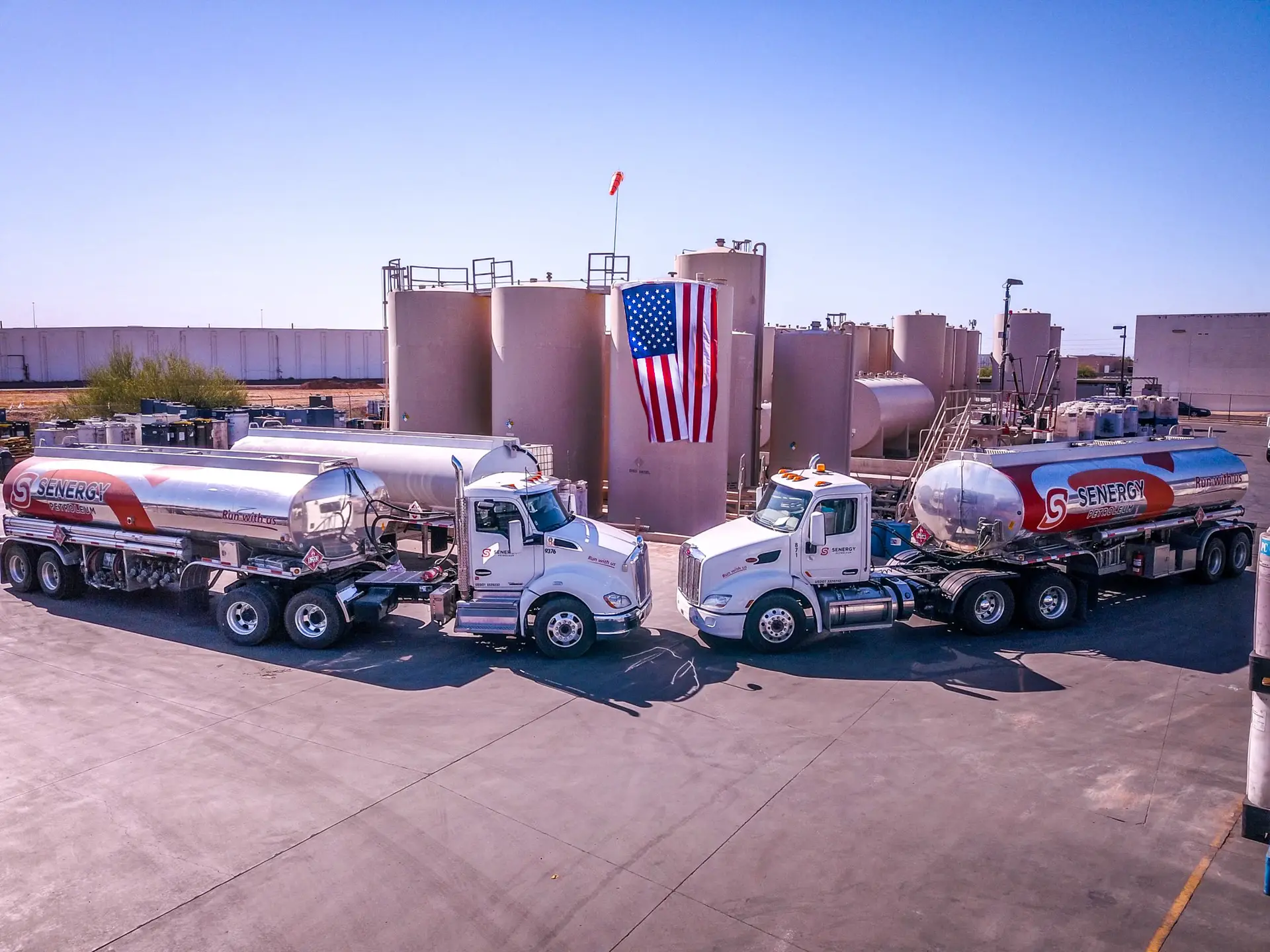
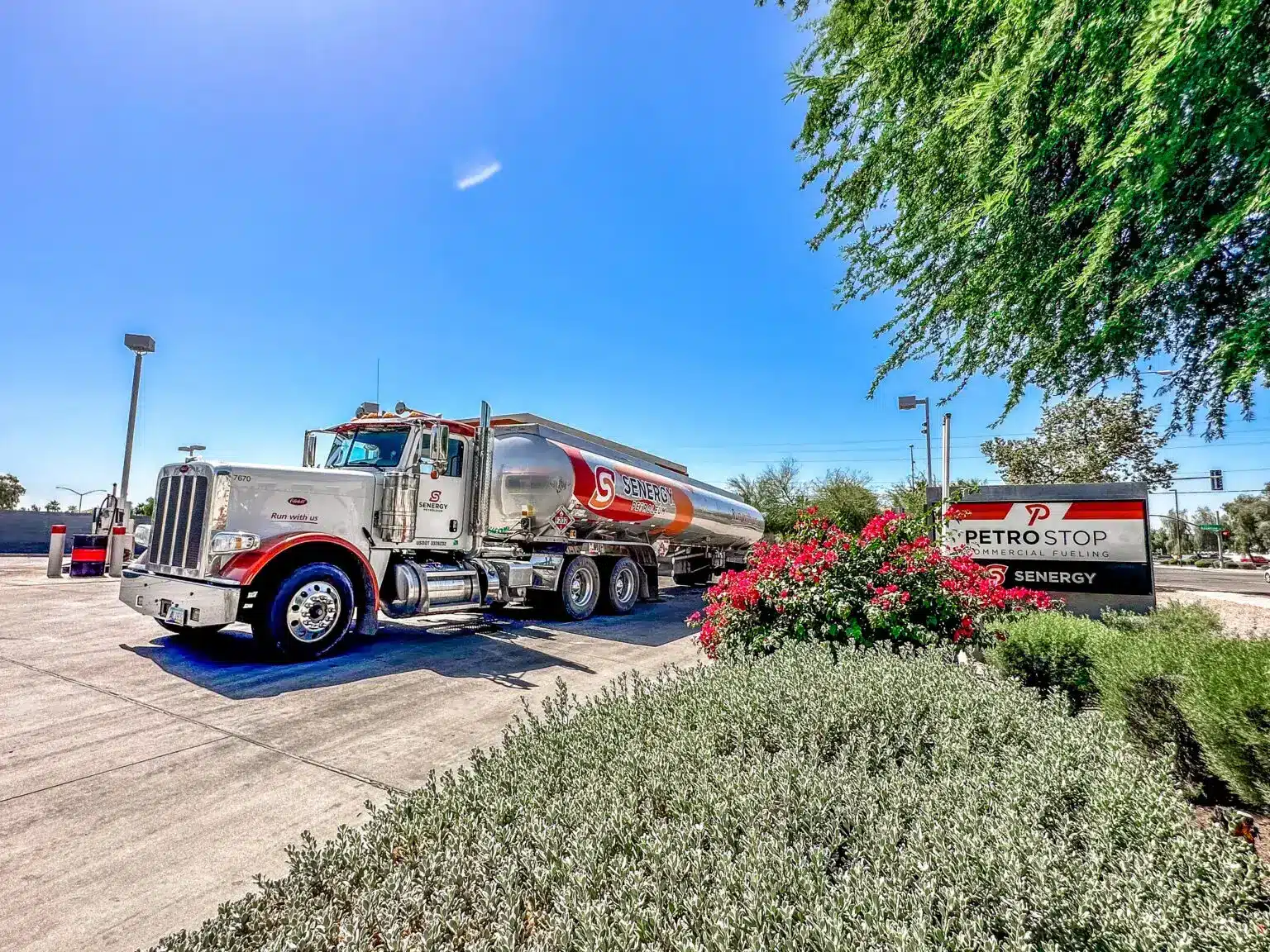
Many organizations are turning to scheduled fuel delivery services to simplify fuel management and improve daily operations. Instead of sending drivers to retail fuel stations or dealing with emergency refueling situations, companies can receive fuel directly at their facilities, jobsites, or equipment locations. This approach helps businesses maintain fuel inventory while reducing interruptions that impact performance.
Reducing Downtime and Improving Productivity
One of the most common benefits highlighted by industry leaders is the ability to reduce downtime. Every minute spent traveling to fuel stations represents lost productivity. Fleet vehicles, delivery vans, commercial trucks, and service vehicles perform better when fueling happens without disrupting normal operations.
On-site fueling, fleet fueling, and direct-to-equipment fueling allow equipment to remain available for work instead of sitting idle. Construction companies, logistics providers, and municipal fleets often schedule deliveries during off-hours so equipment is fully fueled before the workday begins. This process helps improve equipment uptime and allows employees to focus on their primary responsibilities.
Improved workforce productivity is another advantage. Operators spend less time managing fuel-related tasks and more time completing projects. Faster refueling operations and better route efficiency contribute to stronger overall fleet productivity while reducing unnecessary delays across multiple locations.
Lowering Operating Costs Through Better Fuel Planning
Businesses constantly look for ways to reduce operating expenses without sacrificing performance. A well-managed fuel management program helps achieve that goal by supporting predictable fuel budgeting and reducing unnecessary spending. Scheduled deliveries often provide access to competitive pricing and simplify fuel procurement activities.
Companies purchasing bulk diesel frequently benefit from volume purchasing opportunities and reduced administrative costs. Instead of processing numerous fuel transactions from multiple locations, organizations can consolidate fuel purchases into a streamlined system. This approach improves cost control while reducing paperwork and reporting requirements.
Fuel forecasting also becomes more accurate when businesses track usage trends and delivery schedules. Fleet managers and procurement teams can plan future fuel needs with greater confidence, helping avoid costly shortages or excess inventory. Better planning supports long-term financial stability and stronger operational performance.
Strengthening Fuel Management and Inventory Control
Modern fuel management extends beyond simply storing fuel on-site. Businesses increasingly rely on fuel inventory management systems that provide detailed information about consumption, storage levels, and replenishment schedules. Tank monitoring technology and fuel tracking tools allow organizations to maintain greater visibility over fuel usage.
Real-time fuel monitoring helps managers identify unusual consumption patterns and address inefficiencies before they become costly problems. Fuel analytics platforms provide detailed reporting that supports fuel reconciliation, inventory optimization, and resource allocation decisions. These insights help organizations make informed choices about fuel purchasing and operational planning.
Digital fuel records also simplify reporting requirements. Operations managers can review fuel consumption data, evaluate equipment performance, and maintain accurate records for compliance and budgeting purposes. The result is a more organized and accountable approach to fuel management.
Enhancing Supply Chain Reliability and Business Continuity
Fuel availability plays a major role in maintaining business continuity. Organizations that depend on vehicles, machinery, or generators cannot afford disruptions caused by fuel shortages. A structured fueling strategy helps improve supply chain reliability by ensuring fuel is delivered before inventory levels become critical.
Reliable fuel supply becomes especially important during periods of market volatility, severe weather, or increased demand. Businesses with scheduled fuel delivery programs often experience fewer operational interruptions because fuel inventory is monitored and replenished on a consistent basis. This reduces the risk of emergency purchases and unexpected downtime.
Many industries, including Transportation, construction, agriculture, and manufacturing, rely on dependable fuel access to meet customer commitments and production goals. Consistent fuel availability helps businesses maintain schedules, protect revenue streams, and support operational continuity throughout the year
Improving Fuel Security and Regulatory Compliance
Fuel theft and unauthorized usage remain concerns for many organizations. Businesses that store fuel on-site must take steps to protect valuable inventory and ensure accountability. Scheduled deliveries combined with controlled fuel access systems provide greater oversight and help reduce fuel loss.
Many companies use transaction monitoring, accountability tracking, and secure fuel storage practices to strengthen fuel security. These measures help identify discrepancies quickly while improving inventory accuracy. Better visibility also supports stronger financial controls and operational transparency.
Compliance is another important consideration. Environmental regulations and workplace safety standards require businesses to manage fuel responsibly. Organized fueling procedures support EPA compliance, spill prevention efforts, and safer refueling practices. Proper recordkeeping helps businesses demonstrate compliance while reducing potential risks associated with fuel handling.
Supporting Sustainability and Safer Operations
Sustainability continues to influence how businesses manage fuel resources. Efficient fuel distribution and delivery scheduling can help reduce unnecessary vehicle trips, resulting in lower vehicle emissions and reduced fuel waste. Companies seeking cleaner operations often combine traditional diesel fuel with renewable diesel or biodiesel solutions when appropriate.
Fuel management software and telematics systems provide valuable data that helps organizations optimize fuel consumption. Improved fleet efficiency and asset utilization contribute to lower carbon emissions while supporting long-term sustainability objectives. These improvements benefit both the environment and operating budgets.
Safety improvements are equally important. Mobile fueling and jobsite fueling reduce employee exposure to traffic hazards associated with fuel station visits. Fewer fuel handling risks, improved spill prevention practices, and stronger OSHA compliance efforts create safer working conditions for employees. Businesses operating within the Oil and Gas sector, along with other fuel-dependent industries, recognize the value of structured fueling programs that prioritize both safety and operational efficiency.
Why Businesses Continue Choosing Scheduled Fuel Deliveries
Organizations across the United States are looking for practical ways to improve efficiency while controlling costs. Scheduled fuel delivery provides a dependable solution that addresses several operational challenges at once. From reducing downtime and improving equipment uptime to enhancing fuel security and inventory visibility, the advantages extend across nearly every aspect of daily operations.
The combination of fuel automation, real-time monitoring, fuel analytics, and reliable fuel procurement creates a stronger foundation for business growth. Fleet managers, logistics managers, dispatch teams, and fuel suppliers all benefit from a more organized approach to fuel management. These improvements help businesses make better decisions while maintaining operational consistency.
As fuel demands continue to evolve, companies that invest in structured fueling programs position themselves for greater stability and performance. Whether supporting fleet operations, construction sites, generators, or industrial facilities, scheduled fuel delivery helps businesses maintain productivity, strengthen supply chain reliability, and maximize the value of every gallon purchased.