
How On-Site Fueling Helps Transportation Fleets Reduce Downtime
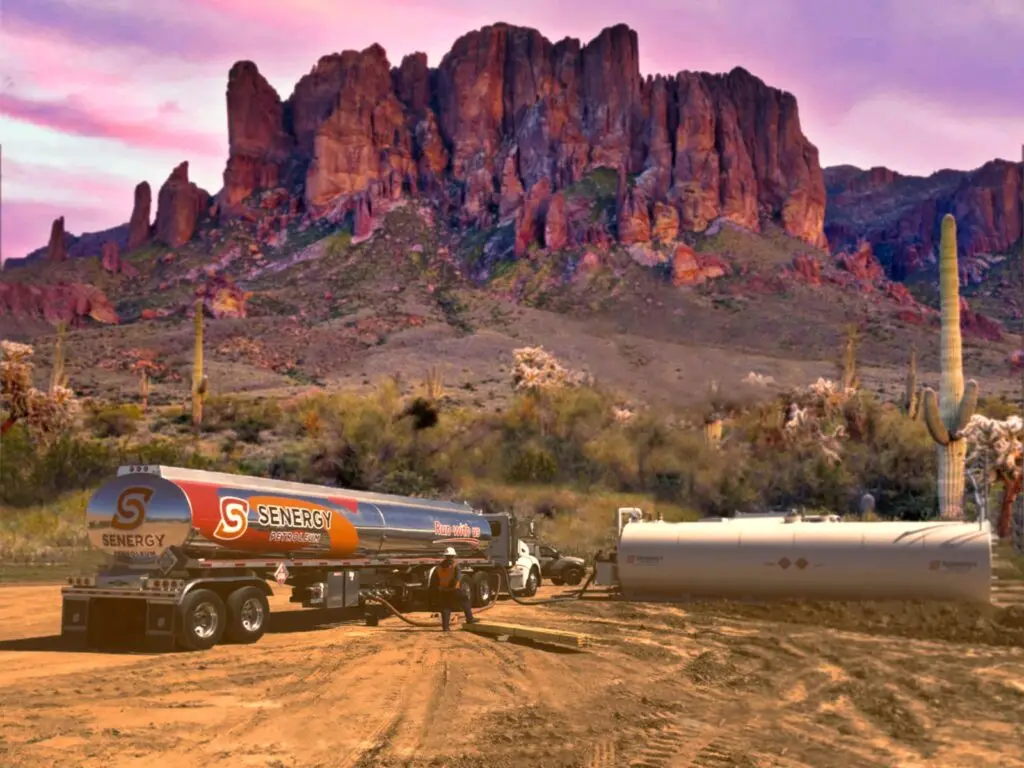
How On-Site Fueling Helps Transportation Fleets Reduce Downtime Keeping a transportation fleet moving is about more than getting vehicles from one location to another. Every hour a truck, van, or bus is available can affect deliveries, customer service, driver productivity, and operating costs. While fueling is a necessary part of fleet operations, the time spent […]
Cardlock Fueling vs. Retail Gas Stations: What’s Better for Your Fleet?
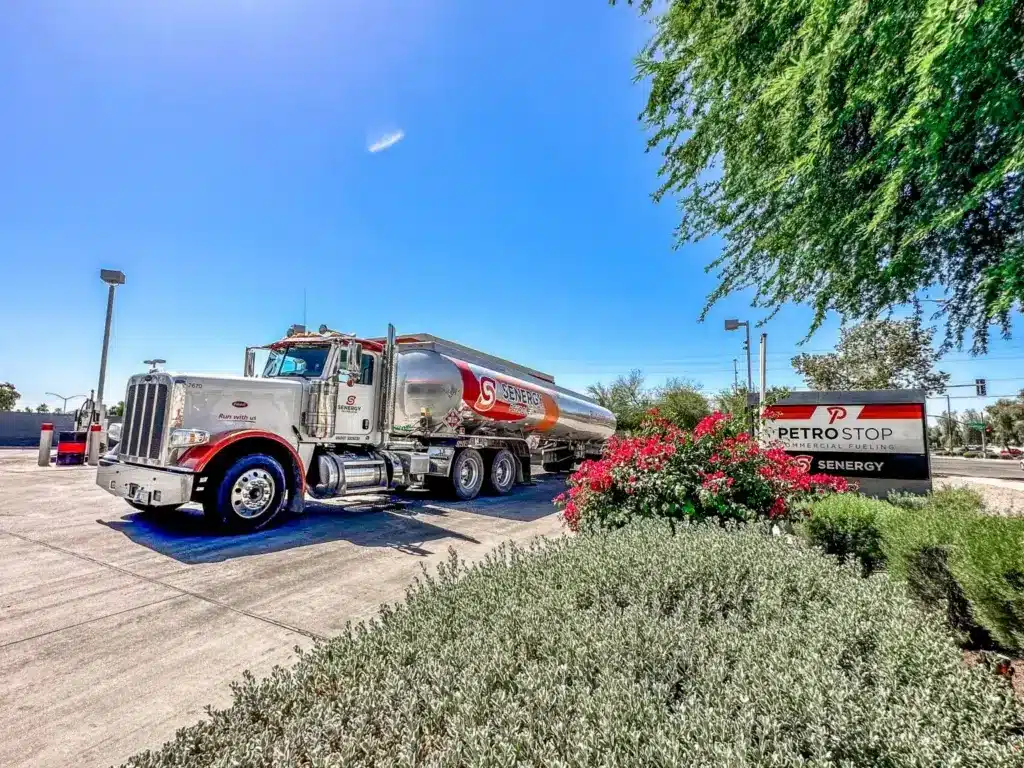
Cardlock Fueling vs. Retail Gas Stations: What’s Better for Your Fleet? Fueling is a regular part of fleet operations, but the place where drivers refuel can have a bigger impact than many businesses realize. Fuel prices, station locations, driver time, vehicle access, and purchase tracking all play a role in the overall cost of keeping […]
How the Right Antifreeze Can Extend the Life of Your Fleet
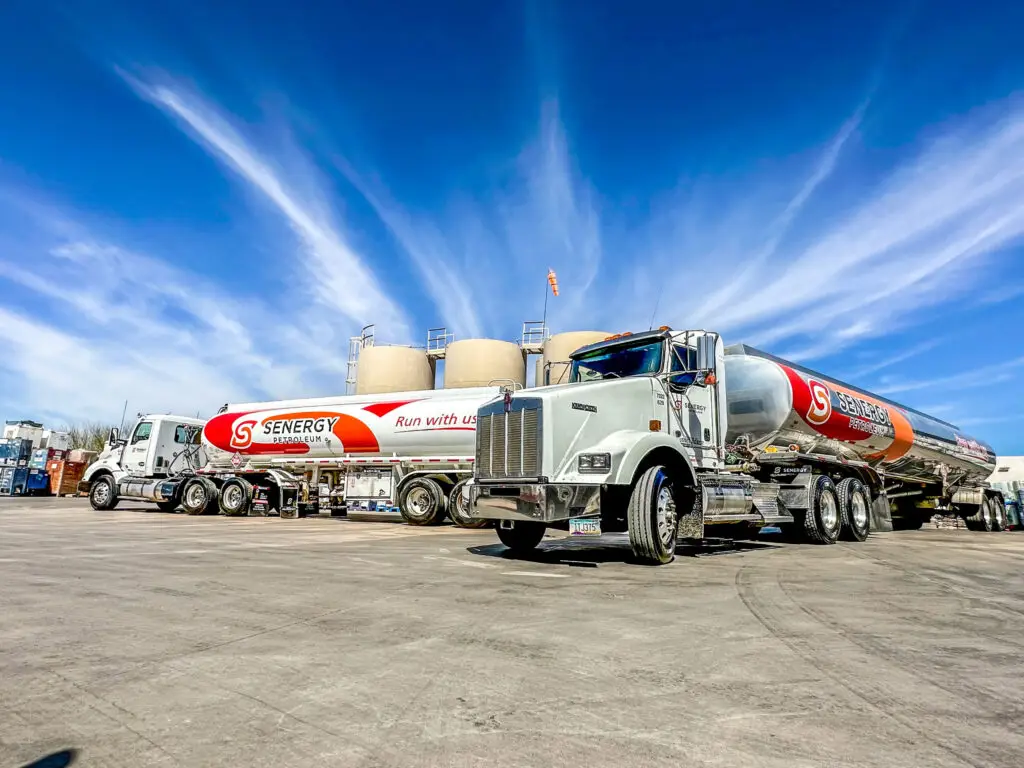
How the Right Antifreeze Can Extend the Life of Your Fleet For fleet operators, keeping vehicles on the road is directly connected to profitability. A single overheating issue, cooling system failure, or damaged engine component can lead to expensive repairs and unexpected downtime. While many maintenance programs focus on oil changes, tires, and fuel systems, […]
How the Right Lubricants Can Extend the Life of Your Fleet
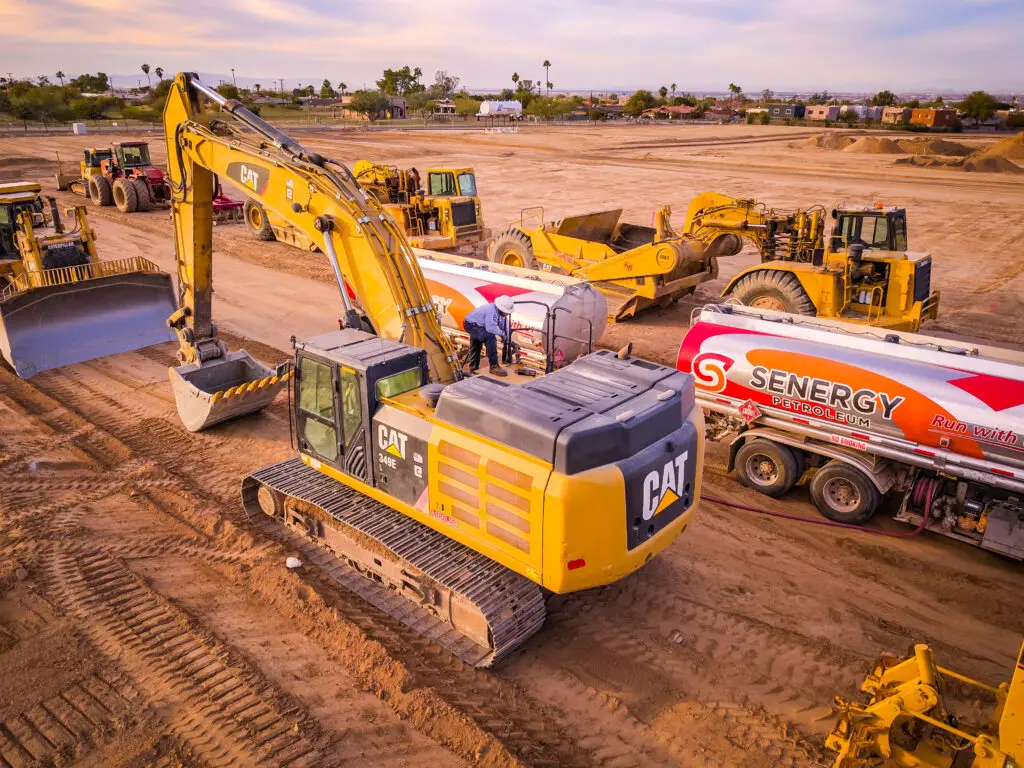
How the Right Lubricants Can Extend the Life of Your Fleet A fleet is only as productive as the vehicles and equipment behind it. Trucks, vans, construction machines, and other commercial vehicles spend long hours working under different loads, temperatures, road conditions, and operating schedules. Over time, that constant use can put significant stress on […]
The Importance of Engine Coolants Beyond Temperature Control

The Importance of Engine Coolants Beyond Temperature Control Engine coolant is often viewed as nothing more than a fluid that keeps a vehicle from overheating. While temperature control is one of its primary functions, its role goes much further. Coolant also helps protect the engine and the parts that keep the cooling system running properly. […]
How to Reduce Fleet Fuel Costs
How to Reduce Fleet Fuel Costs For businesses operating trucks, vans, service vehicles, or heavy equipment, fuel can take a large share of the operating budget. The challenge is that fuel expenses are influenced by more than the price at the pump. Driver habits, unnecessary mileage, idling, vehicle condition, purchasing practices, and poor fuel controls […]
How Preventive Maintenance Supports Fleet Uptime
How Preventive Maintenance Supports Fleet Uptime For companies that depend on commercial vehicles every day, keeping equipment on the road is one of the highest priorities. Whether managing delivery vans, heavy-duty trucks, or specialized transportation equipment, unexpected breakdowns can interrupt schedules, increase expenses, and affect customer satisfaction. A well-planned preventive maintenance program helps businesses avoid […]
How Fluid Analysis Supports Mining Fleet Reliability
How Fluid Analysis Supports Mining Fleet Reliability Mining operations depend on equipment that performs under some of the harshest working conditions. From haul trucks and hydraulic excavators to drilling rigs and wheel loaders, every machine plays a direct role in maintaining production schedules. Unexpected breakdowns can lead to costly downtime, delayed projects, and expensive repairs. […]
Fleet Fuel Management Tips for Transportation Companies
Transportation companies face constant pressure to control operating costs while meeting customer expectations. Fuel remains one of the largest ongoing expenses for commercial fleets, making every gallon count. A well-planned fleet fuel management strategy helps businesses monitor fuel usage, improve driver performance, and keep vehicles operating at their best. Instead of reacting to rising fuel […]
Fleet Maintenance Tips for Summer Heat Conditions
Summer places extra strain on commercial vehicles, making routine inspections and preventive service more important than ever. High temperatures can affect nearly every system in a fleet, from the cooling system and tires to batteries and lubricants. For fleet managers, staying ahead of seasonal challenges helps reduce downtime, improve safety, and protect operating budgets. Many […]