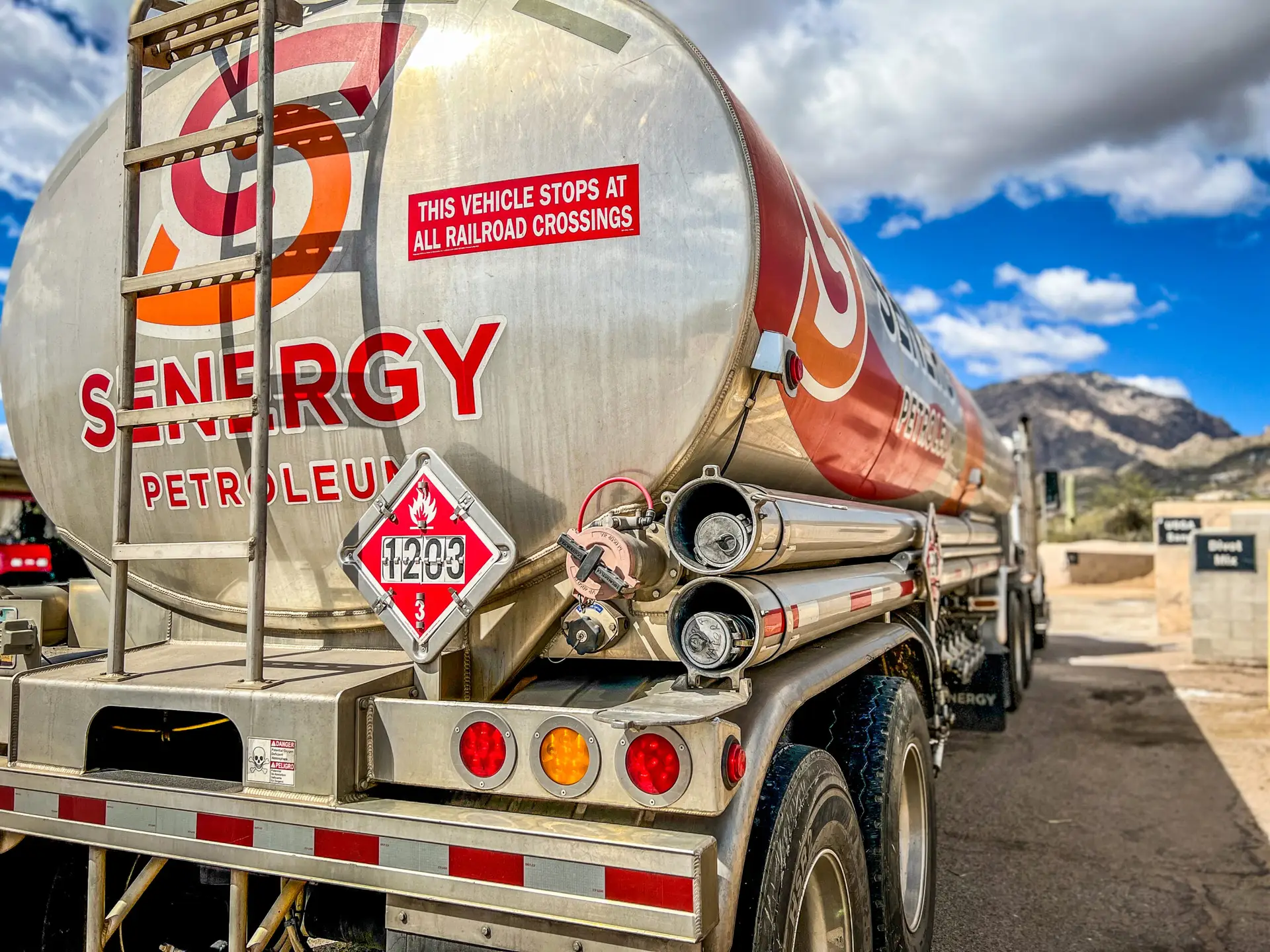
Fleet Maintenance Tips for Summer Heat Conditions
Summer places extra strain on commercial vehicles, making routine inspections and preventive service more important than ever. High temperatures can affect nearly every system in a fleet, from the cooling system and tires to batteries and lubricants. For fleet managers, staying ahead of seasonal challenges helps reduce downtime, improve safety, and protect operating budgets.
Many transportation companies focus on repairs after a breakdown occurs, but experienced fleet operators understand that prevention delivers better results. A well-planned maintenance strategy can extend vehicle life, improve fuel efficiency, and keep drivers productive during the hottest months of the year. The impact of heat is often gradual, making regular inspections essential before small concerns become major repairs.
Across the United States, commercial fleets operating in construction, logistics, utilities, and service industries face similar summer challenges. Whether managing heavy-duty trucks or light-duty service vehicles, preparing equipment for hot weather conditions helps maintain reliability when demand is highest.
Understand How Heat Impacts Fleet Performance
Extreme temperatures create stress on engines, fluids, tires, and electrical systems. Engine compartments naturally generate significant heat during operation, and summer weather compounds that burden. When cooling components are not functioning efficiently, vehicles become more vulnerable to overheating and unexpected shutdowns.
One of the most overlooked concerns involves fluid degradation. Heat accelerates the breakdown of engine oil, transmission fluid, hydraulic fluid, and other critical lubricants. As fluid quality declines, components experience increased friction and wear. This can shorten equipment life and increase maintenance costs over time.
Thermal expansion also affects various vehicle parts. Hoses, belts, seals, and tires expand under high temperatures, which can expose existing weaknesses. Fleets that operate long routes, heavy loads, or stop-and-go schedules are particularly vulnerable to heat-related mechanical issues.
Prioritize Engine Cooling System Inspections
A dependable cooling system serves as the first line of defense against summer breakdowns. Fleet maintenance teams should inspect radiators, water pumps, thermostats, cooling fans, hoses, and coolant levels before temperatures reach their peak. Even a minor coolant leak can create serious problems during prolonged operation.
Monitoring engine cooling performance should become part of every preventive maintenance schedule. Checking for corrosion, clogged radiator fins, damaged hoses, and worn clamps can help identify issues before they affect vehicle uptime. Pressure testing the cooling system provides additional assurance that components are functioning correctly.
Engine temperature monitoring technologies also help fleet managers detect developing concerns. Modern vehicle diagnostics and telematics platforms provide real-time alerts when temperatures exceed normal operating ranges. Early intervention often prevents costly roadside repairs and keeps drivers moving safely.
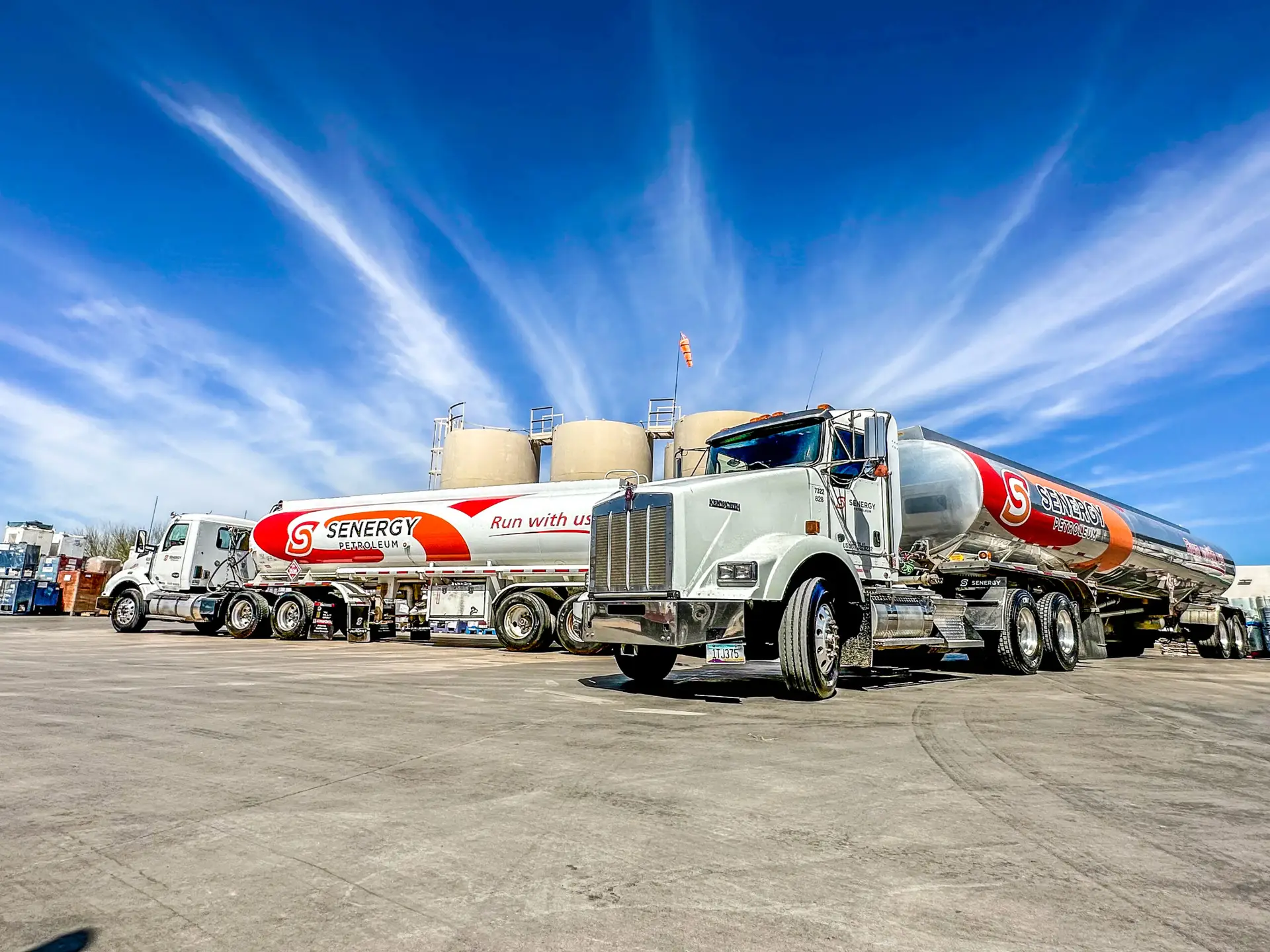
Use the Right Lubricants for Hot Weather Operations
Selecting appropriate high-temp lubricants is one of the most effective ways to protect critical vehicle systems during summer. Lubricants designed for elevated temperatures maintain viscosity more effectively and provide consistent protection under demanding operating conditions.
Engine oil should always meet manufacturer specifications while supporting the environmental conditions in which the fleet operates. Synthetic oil options often provide greater resistance to thermal breakdown compared to conventional alternatives. Similar attention should be given to transmission fluid, differential lubricants, and hydraulic systems.
Fleets serving industries such as Power Generation and Industrial operations frequently work in environments where equipment remains under continuous load for extended periods. In these situations, lubricant quality becomes even more important. Regular oil analysis can reveal contamination, oxidation, and wear patterns that may indicate emerging maintenance concerns.
Monitor Tires and Batteries During Summer Months
Tires experience significant stress during hot weather. As pavement temperatures rise, tire pressure increases, creating additional strain on sidewalls and tread surfaces. Improper inflation contributes to uneven wear, reduced fuel efficiency, and a greater risk of tire failure.
Routine tire pressure checks should occur more frequently during summer. Fleet maintenance teams should inspect tread depth, sidewall condition, wheel alignment, and overall tire wear patterns. Tire pressure monitoring systems provide valuable insight and help drivers identify issues before they become safety hazards.
Batteries also require attention despite the common belief that cold weather causes most battery failures. Excessive heat accelerates internal chemical reactions and can shorten battery life. Inspecting terminals for corrosion, testing charging performance, and verifying alternator output helps maintain reliable vehicle starts throughout the season.
Reduce Downtime Through Preventive Maintenance Planning
A structured preventive maintenance program remains one of the strongest defenses against summer-related breakdowns. Scheduled inspections allow technicians to address concerns before they affect fleet availability. This proactive approach often costs far less than emergency repairs and lost productivity.
Maintenance schedules should include fluid inspections, air filter replacement, belt inspections, hose evaluations, battery testing, and cooling system reviews. Digital Vehicle Inspection Reports and maintenance software platforms can simplify recordkeeping while ensuring consistent service intervals across the fleet.
Predictive maintenance technologies are becoming increasingly valuable. Telematics systems collect operational data that helps identify unusual temperature trends, fluid performance concerns, and equipment wear. These insights support informed maintenance decisions and improve asset longevity.
Support Drivers with Summer Readiness Practices
Drivers play a critical role in identifying early warning signs of heat-related vehicle issues. Proper training helps operators recognize symptoms such as rising engine temperatures, unusual odors, fluid leaks, reduced air conditioning performance, and tire abnormalities.
Pre-trip and post-trip inspections should focus on components most affected by hot weather. Drivers should verify coolant levels, inspect visible hoses and belts, monitor tire condition, and report dashboard warning indicators immediately. Consistent reporting supports faster maintenance response times.
Heat stress awareness is equally important. Long hours in elevated temperatures can affect driver concentration and performance. Encouraging hydration, rest breaks, and adherence to safety procedures helps maintain productivity while reducing operational risks during summer heat waves.
Build a Long-Term Summer Fleet Strategy
Successful fleet operators treat seasonal maintenance as an ongoing strategy rather than a one-time checklist. Reviewing historical maintenance records can reveal recurring summer issues and help managers allocate resources more effectively. Understanding trends supports better budgeting and operational planning.
Fleet tracking systems, vehicle diagnostics, and maintenance software provide valuable performance data throughout the season. Measuring vehicle uptime, repair frequency, maintenance costs, and fuel efficiency helps determine whether current practices are delivering expected results. These metrics also support continuous improvement efforts.
As temperatures continue to challenge commercial fleets across the country, organizations that invest in preparation gain a clear operational advantage. Strong summer fleet maintenance practices, proper use of high-temp lubricants, and consistent attention to engine cooling systems help reduce downtime, improve reliability, and keep vehicles performing at their best throughout the hottest months of the year.