
Cardlock Fueling vs. Retail Gas Stations: What’s Better for Your Fleet?
Fueling is a regular part of fleet operations, but the place where drivers refuel can have a bigger impact than many businesses realize. Fuel prices, station locations, driver time, vehicle access, and purchase tracking all play a role in the overall cost of keeping a fleet on the road.
For many businesses, the choice comes down to Cardlock Fuel Stations or traditional retail gas stations. Both can meet basic fueling needs, but they are designed with different users and priorities in mind. Understanding how they differ can help fleet managers choose an option that fits their vehicles, routes, fuel demand, and daily operations.
Overview
- Cardlock fueling can provide commercial-focused features and fleet purchase controls.
- Retail stations generally provide broader geographic availability and convenience.
- Consider fuel price, driver time, and route efficiency.
- Depends on fleet size, vehicle type, routes, and fuel needs.
- Combining both options can work well for many fleets.

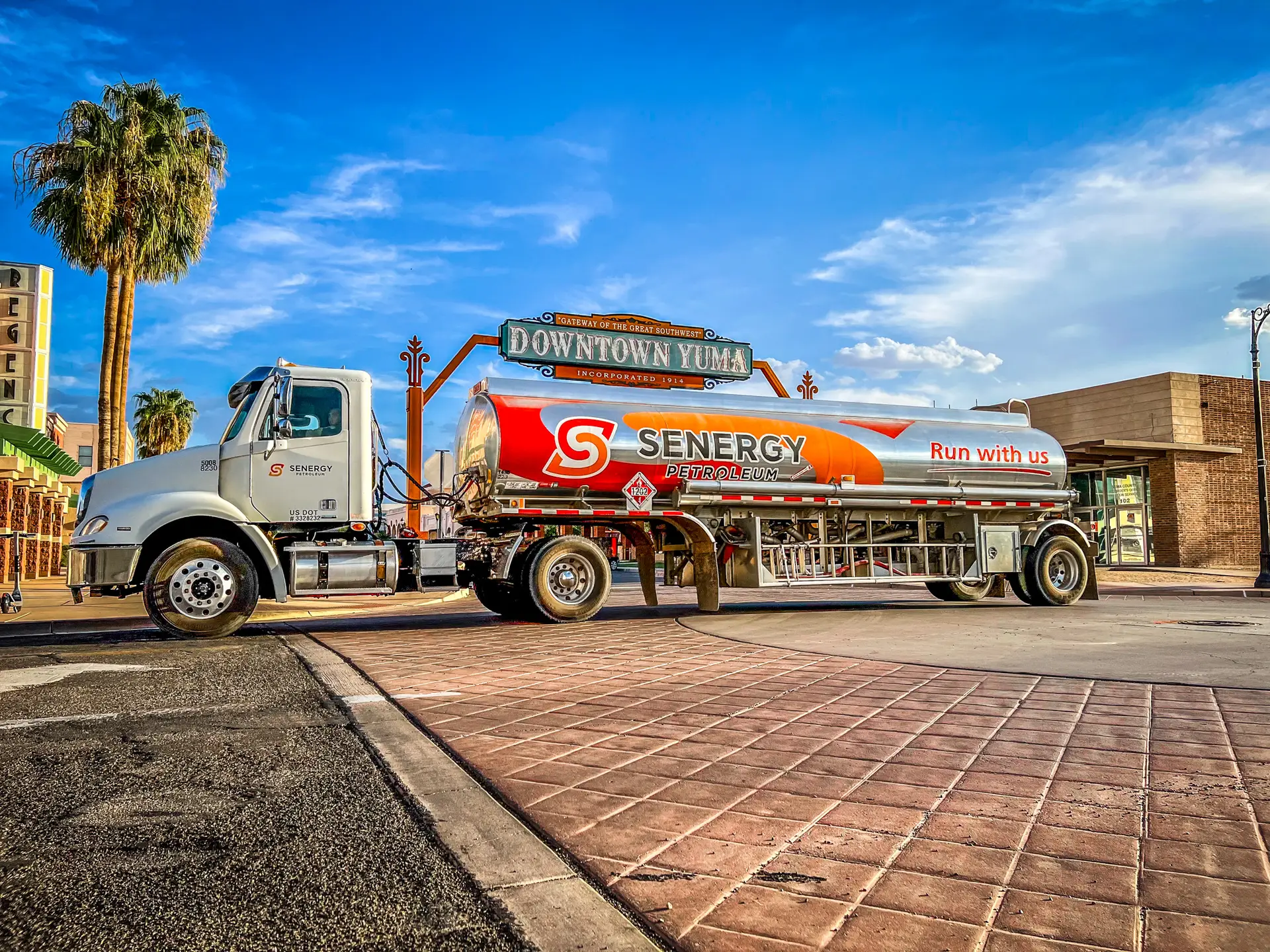
What Are Cardlock Fuel Stations?
Cardlock Fuel Stations are designed primarily for commercial vehicles and business fleets. These locations often provide features that make fueling easier for trucks, work vehicles, delivery fleets, and other commercial equipment. Depending on the location, drivers may have access to diesel pumps, high-flow dispensers, larger fueling areas, and extended or 24-hour access.
Cardlock fueling is commonly connected to a fleet fuel card or account. A driver may enter a PIN, vehicle number, odometer reading, or other information before completing a purchase. This gives the business a record of the transaction and can help fleet managers monitor fuel use.
Another benefit is the level of control that some fleet programs provide. Businesses may be able to set gallon limits, spending limits, fuel type restrictions, or other purchasing rules. These features can be useful for companies managing multiple drivers and vehicles.
For fleets that follow regular routes and consume large amounts of fuel, a cardlock network can provide a more structured fueling routine and, depending on the program, electronic transaction records that support fuel tracking.
How Do Retail Gas Stations Compare?
Retail gas stations are built for public use, which gives them a major advantage in terms of availability. Drivers can find retail stations throughout cities, suburbs, highways, and rural areas. For fleets that operate across changing routes, this broad coverage can make retail fueling convenient.
Retail stations also provide services beyond the fuel pump. Many have convenience stores, restrooms, food, drinks, and other amenities. For drivers who spend long hours on the road, these services can make a fuel stop more practical.
However, retail locations can become crowded, particularly during busy travel periods. Larger trucks may also have less room to maneuver, and drivers may spend more time waiting for an open pump.
That does not make retail stations unsuitable for fleets. Small businesses, service companies, and local delivery operations may find retail stations useful because drivers can refuel almost anywhere without having to stay within a dedicated commercial network.
Fuel Cost Is More Than the Price Per Gallon
Price per gallon is naturally an important consideration, but it should not be the only number a fleet manager looks at. The total cost of fueling can also include driver time, route deviations, waiting time, additional mileage, and administrative work.
Retail stations generally use a posted pump price that varies by location, fuel brand, fuel type, and market conditions. Some fleet cards may provide discounts at participating retail locations, but the savings depend on the specific program and station.
Commercial fueling programs can use different pricing arrangements. Depending on the provider and program, commercial fueling may use negotiated rates, per-gallon discounts, or other pricing arrangements. These arrangements can be attractive to businesses with significant fuel demand, but fees, markups, and other terms should also be considered.
A station with a lower pump price may not always be the most economical choice. If a driver has to travel several extra miles or spend additional time waiting, the apparent savings can disappear. Looking at total fueling costs provides a more useful picture of what a fleet is actually spending.
Fuel Controls and Reporting for Fleet Managers
Fuel management becomes increasingly important as the number of vehicles and drivers grows. Businesses need to know how much fuel is being purchased, where transactions occur, and whether purchases match expected vehicle use.
Fleet fuel cards can provide controls that are not normally available with a standard payment card. Depending on the program, managers may be able to restrict purchases by fuel type, gallons, spending amount, time, or transaction frequency. Driver and vehicle identification can also make individual transactions easier to trace.
Detailed fuel records can support regular fleet reporting. Managers can review fuel purchases, compare vehicle consumption, identify unusual transactions, and monitor changes in fuel expenses over time. These records may also help with accounting and fuel tax documentation.
Security is another consideration. Purchase limits and transaction monitoring can restrict certain purchases and help managers identify potentially unauthorized activity. When fuel information is combined with GPS tracking or telematics, fleet managers can compare fuel activity with vehicle locations and mileage.
These controls do not necessarily require a fleet to stop using retail stations. Some fuel card networks provide access to cardlock locations, retail stations, and other commercial fueling sites.
Which Option Fits Different Types of Fleets?
The best fueling setup depends heavily on how a fleet operates. A long-haul trucking company, for example, may need reliable diesel access, large fueling areas, high-speed pumps, and locations that can accommodate heavy-duty vehicles. Cardlock locations can be useful when they are positioned along regular routes.
Construction and utility fleets may also benefit from dedicated commercial fueling locations when vehicles operate within a defined area. Having reliable fuel access near regular work zones can reduce unnecessary travel and keep vehicles available for work.
Smaller service fleets may have different priorities. Plumbing, HVAC, landscaping, and electrical contractors often send vehicles to changing customer locations. For these businesses, the widespread availability of retail stations can be more valuable than access to a specific fueling network.
Delivery fleets can fall somewhere in between. Drivers may use commercial locations during regular routes but need retail stations when schedules or service areas change. A flexible fuel card can support both types of fueling.
Location, Vehicle Type, and Fuel Requirements Matter
A fueling network is only useful if drivers can reach it without disrupting their routes. Before choosing a program, fleet managers should review common routes, fuel consumption, station locations, and the distance vehicles normally travel between fuel stops.
Vehicle size should also be considered. Cargo vans and passenger vehicles can generally use standard retail pumps without difficulty. Heavy-duty trucks may need more space, easier access, and equipment designed for higher-volume fueling.
Fuel and fluid requirements are another important factor. Diesel fleets need dependable diesel access, while vehicles equipped with certain emissions systems may also require Diesel Exhaust Fluid (DEF).Fleets considering alternative fuels or electrification should also consider the availability of renewable diesel, biodiesel, CNG fueling, or EV charging infrastructure along their routes.
Fleet managers should consider fleet composition, fuel demand, fueling locations, and travel routes when evaluating fueling infrastructure. This reinforces the importance of choosing a solution based on actual fleet requirements rather than price alone.
Choosing the Right Fueling Strategy
There is no single fueling option that works for every U.S. fleet. Cardlock Fuel Stations can suit businesses that need commercial-oriented fueling, controlled purchases, detailed transaction records, and dependable access along established routes.
Retail stations can be a practical choice for businesses that value convenience, broad geographic coverage, and flexibility. They can be especially useful for smaller fleets or drivers who regularly travel outside fixed routes.
Commercial Fueling can also work alongside retail access instead of replacing it. A business may use dedicated commercial locations for regular routes while allowing drivers to use retail stations when needed.
Ultimately, fleet managers should compare more than the pump price. Fuel cost, station coverage, driver time, vehicle requirements, purchase controls, reporting, and route efficiency all contribute to the true cost of fueling. By considering these factors together, businesses can choose a fueling strategy that keeps vehicles moving while giving managers better control over one of their most important operating expenses.
