
How On-Site Fueling Helps Transportation Fleets Reduce Downtime
Keeping a transportation fleet moving is about more than getting vehicles from one location to another. Every hour a truck, van, or bus is available can affect deliveries, customer service, driver productivity, and operating costs. While fueling is a necessary part of fleet operations, the time spent traveling to a fuel station, waiting at the pump, and getting back on the road can create avoidable delays.
On-Site Fueling provides an alternative by bringing fuel directly to the vehicles where they are parked. Instead of asking drivers to make separate trips to a public station, companies can arrange fueling at a fleet yard, terminal, distribution center, or other convenient location. Vehicles can be fueled during scheduled breaks, after shifts, or overnight when they would otherwise be sitting idle.
For transportation companies, this can turn fueling from a daily interruption into a planned part of fleet operations. With the right schedule and service provider, companies can reduce unnecessary travel, improve vehicle availability, and give drivers more time to focus on their routes.
Overview
- On-site fueling brings fuel directly to fleet locations.
- Overnight fueling can reduce fueling-related interruptions for drivers and vehicles.
- Fewer fuel stops mean less route disruption and unnecessary mileage.
- Scheduled fueling helps keep vehicles ready for the next shift.
- Fuel tracking improves visibility and accountability.
- The right fueling strategy can improve operational efficiency and help reduce costs associated with fueling trips.

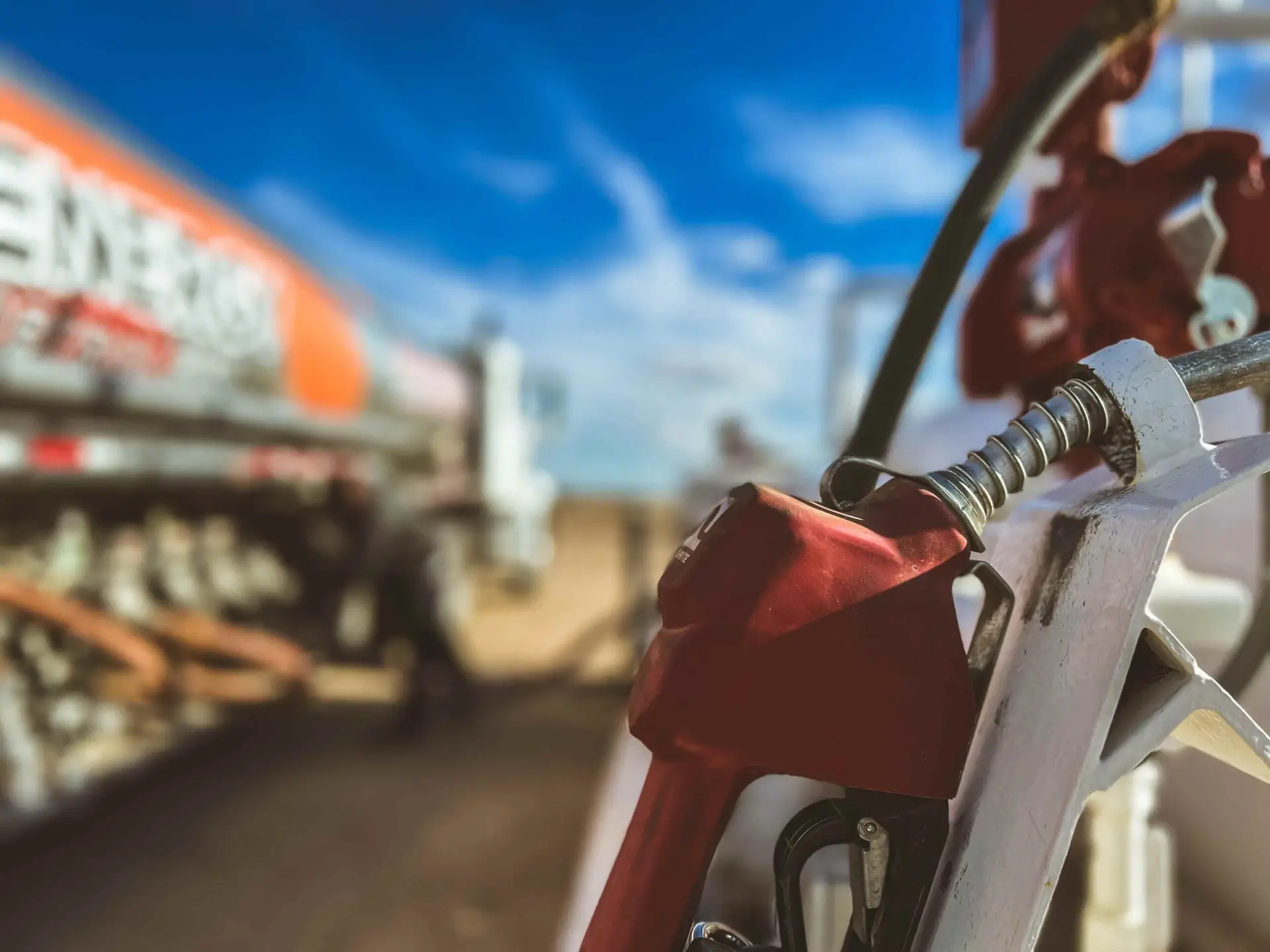
Why Fuel Stops Can Add to Fleet Downtime
A fuel stop may only take a short amount of time, but the total process can be longer than expected. A driver may have to leave the planned route, travel to a station, find an available pump, wait in line, fuel the vehicle, complete the transaction, and return to the route. During that period, the vehicle is not delivering cargo or serving customers.
These delays become more significant when they are repeated across a fleet. A company operating dozens of vehicles may have drivers making many fuel stops over the course of a month. Even small delays can add up to a considerable amount of time spent on fueling rather than route-related work.
Fuel stops can also affect delivery schedules. Transportation companies often work with specific pickup and delivery windows, so an unexpected stop can create a delay that carries through the rest of the route. For fleets operating on tight schedules, reducing unnecessary interruptions can make daily operations easier to manage.
There is also a cost associated with the additional mileage involved in reaching a fuel station. The vehicle uses fuel to travel there and back, while the driver spends time away from the primary route. Looking at these factors together provides a clearer picture of the actual cost of traditional fueling.
How On-Site Fueling Works for Transportation Fleets
The concept is simple: instead of sending vehicles to the fuel, the fuel comes to the vehicles. A mobile fueling provider delivers the required fuel directly to a company’s fleet location and services vehicles according to an agreed schedule.
For many transportation companies, fueling can take place after vehicles return from their routes. Overnight service is another option, allowing trucks to be fueled while drivers are off duty. When the next shift begins, vehicles can already have the fuel they need for the day’s work.
This approach can be particularly useful for fleets that return to a consistent location. Distribution centers, trucking terminals, warehouses, transportation yards, and other centralized facilities can serve as convenient fueling locations.
Fuel and fluid requirements depend on the fleet. Diesel is common among heavy-duty transportation vehicles, while other fleets may use gasoline. Vehicles equipped with certain emissions systems may also require Diesel Exhaust Fluid (DEF). A fueling program can be organized around the vehicle types, fuel consumption, and operating schedule of the business.
Some providers also offer delivery records and fuel reporting. These records can give fleet managers better visibility into fuel usage and make it easier to track deliveries and expenses.
How Mobile Fuel Delivery Saves Driver Time
One of the most noticeable advantages of mobile fueling is the time drivers can save. When a vehicle no longer needs to make a separate trip to a fuel station, the driver can stay focused on the assigned route.
For example, consider a delivery company whose trucks return to the same facility every evening. Rather than requiring each driver to stop at a fuel station before ending the shift, the company can schedule fueling at the facility. Trucks can be fueled while they are parked, allowing drivers to finish their shifts without making an additional fuel stop.
The same concept can work between shifts. A vehicle finishing one shift can be fueled before the next driver takes it out. This can help keep vehicles ready without adding another task to the driver’s schedule.
Reducing fuel-related travel can also help minimize unnecessary vehicle miles. Instead of making a detour for fuel, the vehicle can remain at its regular parking location. Across a large fleet, eliminating repeated fuel station trips can contribute to better use of both driver hours and vehicle time.
Improving Fleet Productivity and Vehicle Availability
A transportation fleet is most productive when its vehicles are available for scheduled work. A truck waiting at a fuel station is not completing a delivery, and a driver standing in line is not moving freight.
On-site fueling helps shift fueling activity into periods when vehicles are already parked or otherwise unavailable for productive work. Overnight fueling is a good example. The vehicle can be serviced after completing its route and be ready for the following shift.
This can improve vehicle readiness without requiring drivers to arrive early or stop during their routes. For companies operating multiple shifts, scheduled fueling can also help create a more consistent handoff between drivers.
Fueling can also become easier to manage when deliveries are consolidated. Rather than having drivers purchase fuel at different locations throughout the week, a company can establish a planned fueling schedule. Depending on the provider and service, managers may receive information about delivery quantities, dates, locations, and, where asset-level tracking is available, individual vehicles.
That information can support better fuel management and make it easier to understand where fuel is being consumed. It may also help managers identify unusual usage and keep better records of fleet expenses.
Which Transportation Fleets Can Benefit?
On-site fueling can work well for many types of transportation operations, particularly businesses with predictable routes and centralized parking locations.
Trucking companies, regional carriers, delivery fleets, distribution operations, last-mile delivery companies, food and beverage distributors, bus operators, municipal fleets, and service vehicle operators can all potentially benefit from scheduled fueling.
Fleet size is not necessarily the deciding factor. A smaller company may benefit if its drivers regularly spend significant time traveling to fuel stations. A larger operation may see greater savings because the same process can be applied across a larger number of vehicles.
The best approach depends on how a fleet operates. Before choosing a service, fleet managers should consider the number of vehicles, average fuel consumption, vehicle types, operating hours, parking locations, and existing fueling habits.
It is also important to evaluate the provider itself. Delivery reliability, accurate fuel measurement, scheduling flexibility, safety procedures, reporting, and customer support should all be considered when comparing fueling options.
Building a More Efficient Fleet Fueling Strategy
Fuel is a necessary operating expense for transportation companies, but the process of getting fuel does not have to interrupt productive work. Bringing fuel directly to a fleet location gives companies an opportunity to make fueling part of their normal operating schedule.
The greatest benefit may come from eliminating the time surrounding a traditional fuel stop. Instead of accounting only for the price of the fuel, fleet managers can consider the driver’s time, vehicle miles, waiting time, route interruptions, and administrative work involved in individual fueling trips.
A well-planned Fleet Fuel Delivery program can help move those activities into a scheduled fueling window. Vehicles can be serviced while parked, drivers can spend more time on their routes, and managers can gain greater visibility into fuel usage.
For transportation fleets, reducing downtime does not always require a major operational change. Sometimes, it starts with improving a routine task that happens every day. When fueling is planned around the fleet’s schedule rather than the other way around, companies can reduce fueling-related interruptions and make better use of the people and equipment that keep their operations moving.
