Why Cardlock Fueling Improves Fleet Efficiency
Fleet operations succeed or struggle based on two essential factors: fuel and time. When either is wasted, efficiency declines and margins narrow. To stay competitive, many transport, construction, and service companies are turning to cardlock fueling as a smarter way to manage both.
Cardlock fueling provides businesses with direct access to commercial fueling networks designed specifically for fleets. Rather than competing with retail customers or losing valuable hours at public pumps, drivers can refuel quickly at dedicated stations while managers maintain full visibility through advanced fleet fuel management systems. For companies that move people or goods daily, this level of control and convenience makes a measurable difference in productivity.
Why Cardlock Fueling Fits Modern Fleet Operations
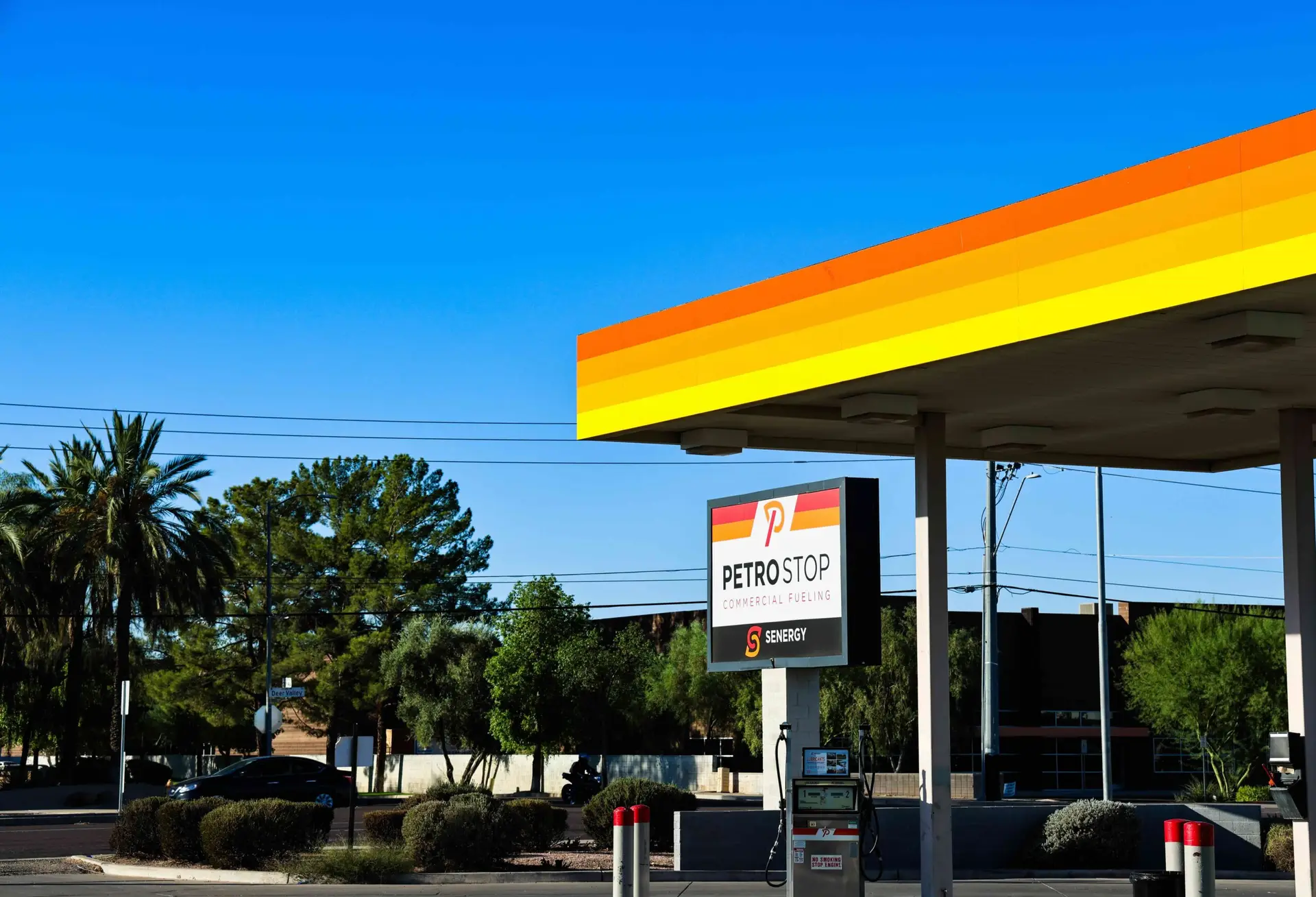
Retail stations work well for commuters, but for box trucks, day cabs, and service rigs, they often create unnecessary delays. Narrow lanes, slow dispensers, and long lines can take valuable time out of a driver’s route. Cardlock fueling locations eliminate those challenges.
Strategically positioned near highway junctions, industrial parks, and freight corridors, these sites are built around fleet needs. High-flow diesel pumps fill large tanks quickly, 24-hour access keeps routes moving, and wide lanes simplify maneuvering. Saving just a few minutes per stop may not seem significant, but multiplied across a month of routes, it translates into reclaimed labor hours and measurable cost savings.
Turning Every Gallon into Useful Data
Control is the quiet advantage of cardlock fueling. Each swipe of a business fuel card creates a precise data point—who fueled, when, where, and how much. No paperwork, no guesswork—just a clear, real-time picture of how your fleet consumes fuel.
This level of insight brings hidden patterns to the surface. One truck may use more fuel than another on the same route, or a vehicle might show purchases outside scheduled hours. With that visibility, managers can act quickly—coaching drivers, identifying maintenance issues, or adjusting card permissions—to stop waste before it impacts the bottom line.
Better Cost Control with Predictable Spending
Fuel is one of the most variable expenses in any operation. Prices shift, retail margins fluctuate, and planning can quickly become unpredictable. Cardlock networks often operate on wholesale or cost-plus pricing, allowing fleets to pay closer to true market rates and spend less time reacting to retail price swings.
Because every transaction runs through your fleet fuel management system, budgets stay on track. You can set product restrictions, cap gallons per fill, limit fueling hours, and block off-route locations. The result is straightforward yet impactful—more consistent spending and cleaner reconciliation. In a market where prices can change daily, that level of predictability becomes a competitive advantage.
Preventing Downtime Through Smarter Access
Not all downtime comes from breakdowns. Sometimes it’s a driver spending an hour searching for an open pump or waiting behind a long line during peak season. Those small delays ripple into late arrivals, missed delivery windows, and frustrated customers.
Cardlock networks make fueling consistent and dependable. Sites are open 24/7, allowing routes to be planned around known, reliable stops. High-volume dispensers reduce fill time so drivers can fuel and get back on the road. When schedules are tight or equipment uptime is critical, that reliability directly protects your productivity—and your margins.
Improving Security and Accountability
Fuel theft and misuse can impact any operation. Cash transactions are difficult to track, and personal cards create audit challenges. A business fuel card eliminates both. Each card can be assigned to a specific driver, vehicle, or both—logging every transaction by time, date, and location.
If something doesn’t add up—such as two fills that aren’t possible based on distance or timing—you’ll know immediately. From there, managers can freeze a card, adjust limits, or investigate further. Over time, this transparency strengthens the entire operation. Drivers see that policies are consistent and fair, while managers gain confidence that every gallon is properly accounted for. The result is a more secure, more efficient fueling process.
Simplifying Administration and Reporting
Ask any back-office team what they want most from fueling, and the answer is simple: clean data. Sorting paper slips, tracking down receipts, and reconciling tax credits take valuable time away from more strategic work. Cardlock fueling systems automate those processes for you.
Modern fleet fuel management platforms generate detailed reports by driver, vehicle, site, and date—complete with odometer readings and unit pricing. Data can be exported directly into your accounting system, and IFTA or state tax details are available in just a few clicks. When administration goes digital, you reduce errors, save time, and shift from reactive to proactive management.
Using Fuel Tracking to Improve Performance
Fuel tracking isn’t just oversight—it’s insight. A sudden increase in consumption can reveal low tire pressure, a clogged filter, or changes in driving behavior. When fuel data is paired with telematics, it connects the dots between load, route, speed, idle time, and maintenance needs.
From there, decisions become sharper. Adjust a route. Schedule service before a small issue causes downtime. Coach a driver to reduce idle time. Those small adjustments add up to better mileage, fewer interruptions, and longer equipment life. Over time, it all translates into stronger fleet performance and more controlled operating costs.
The Role of Business Fuel Cards in Long-Term Efficiency
Business fuel cards are more than payment tools—they’re levers for control. You can authorize diesel only, block premium gasoline, define approved site lists, and limit fueling to specific hours. For example, a paving crew might fuel between 5 a.m. and 8 p.m. at designated cardlock locations along a corridor, while a service fleet could allow DEF and oil top-offs but cap gallons per fill.
With live controls and detailed reporting, managers can adjust restrictions as operations evolve—tightening where needed and loosening when the job demands it. Over time, the system works smarter alongside your team. The more you use it, the clearer your fueling patterns become, making it easier to keep every dollar aligned with real operations.
Driving Efficiency Through Smarter Fuel Management
In tight markets, efficiency is often the difference between keeping the contract and losing it. Cardlock fueling helps you get there. Drivers stop where it makes sense. Pumps move faster. Costs stay consistent. The data shows what’s working—and what needs attention.
This isn’t about cutting corners; it’s about running smarter. When cardlock fueling, business fuel cards, and fuel tracking are built into your operation, you gain time, clarity, and control. Whether your fleet has ten units or two hundred, those advantages add up—and they last.
Partnering with the Right Provider
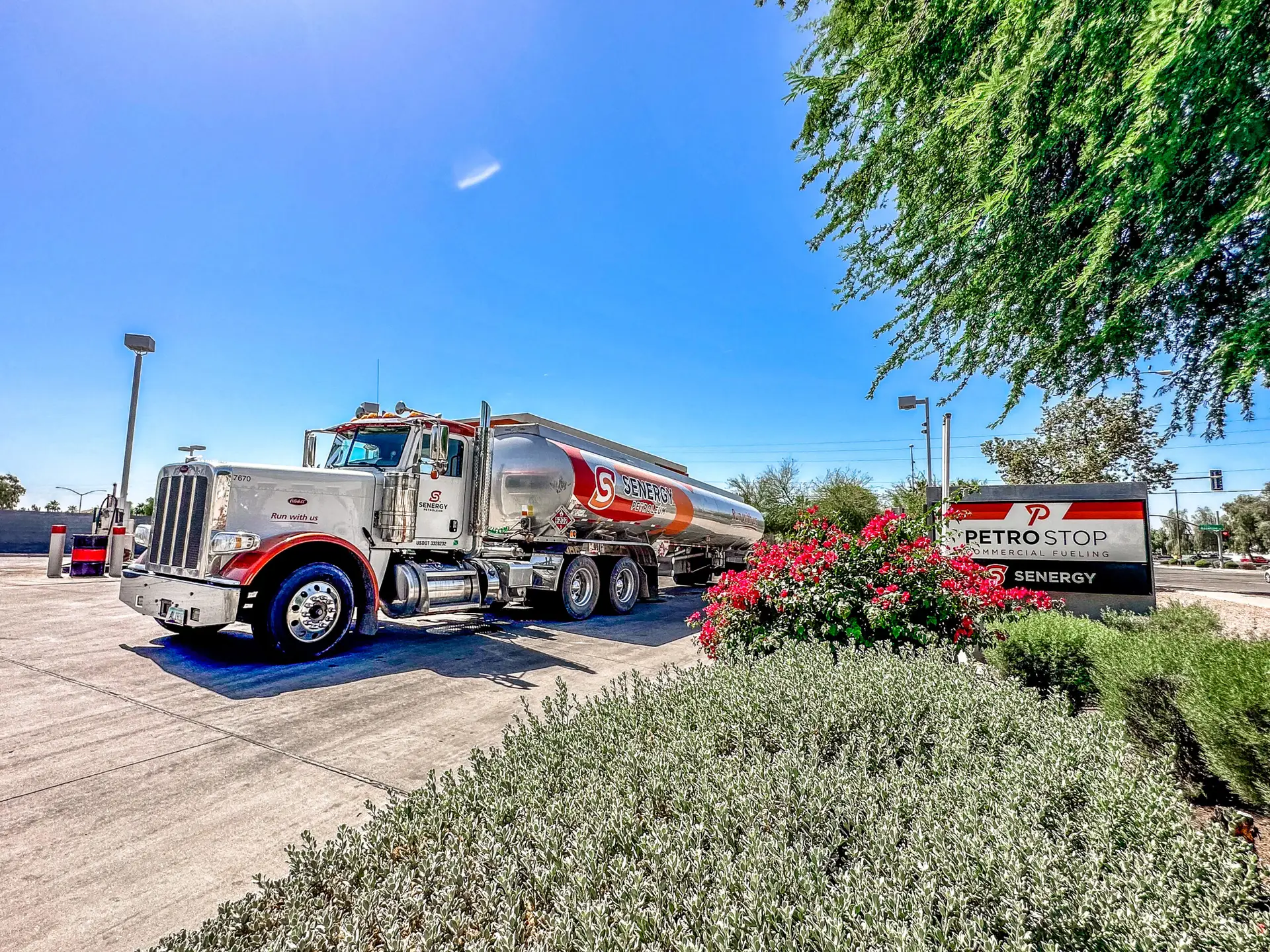
The best fueling program is equal parts access and support. You want strong site coverage, solid reporting, and a team that understands life on the road and on the jobsite. That’s where Senergy Petroleum makes a real difference. Our cardlock fueling programs pair practical tools with hands-on help, so you get faster fills, tighter controls, and better decisions—mile after mile.
Backed by responsive local service and deep industry experience, Senergy keeps your fleet fueled, your data clean, and your operation moving forward with confidence.