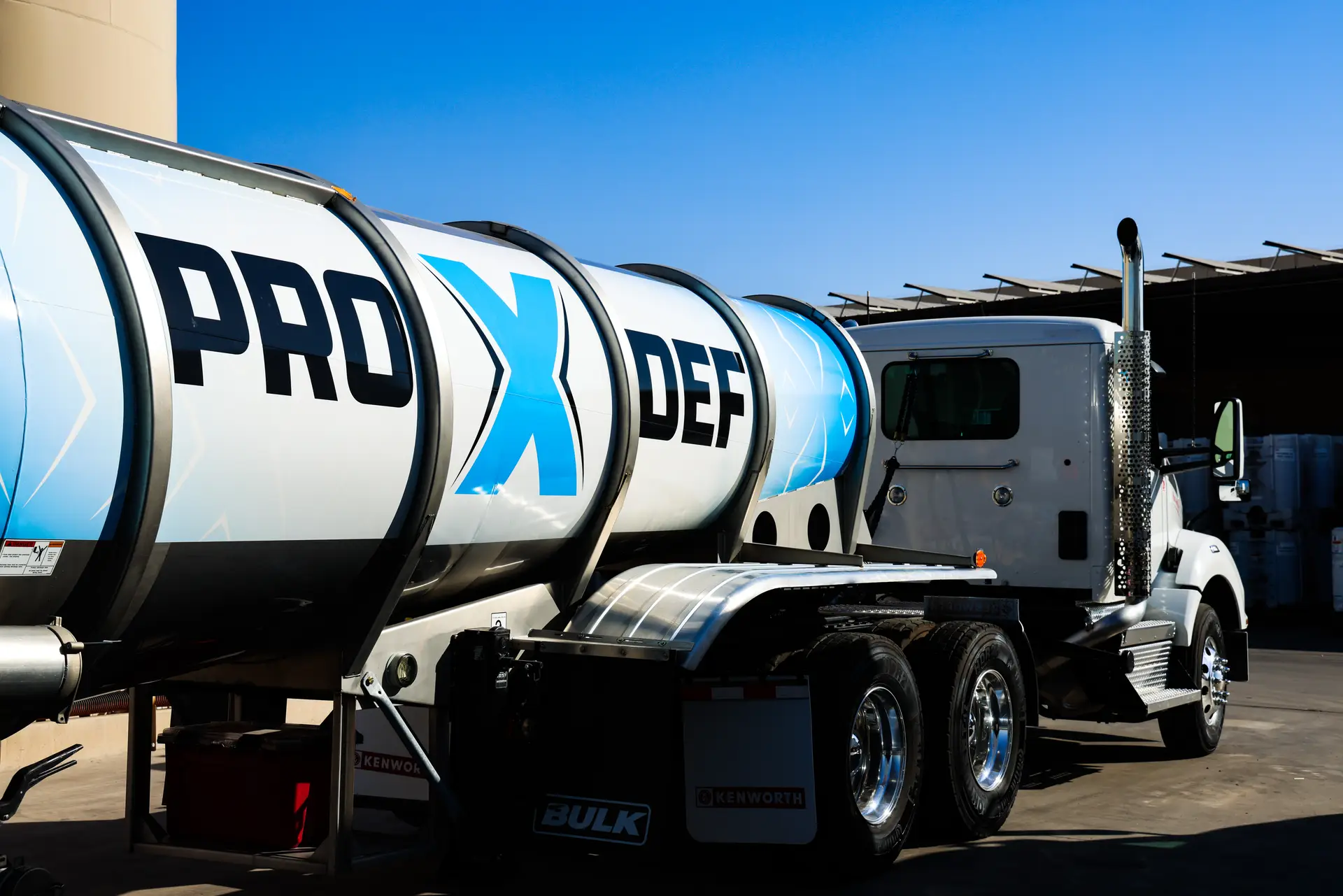
The Role of Antifreeze in Fleet Protection Year-Round
For many fleet operators, the term antifreeze is synonymous with winter protection, but it’s actually much more. Antifreeze coolant is a vital part of vehicle performance and is crucial year round. Whether it’s sweltering summer temperatures or freezing winter weather conditions, coolant is a major part of an engine’s temperature control system and a way to avoid expensive mechanical problems. Cooling systems are subjected to high pressure and can run several thousand miles every month for commercial vehicles. Engines can overheat, corrode and wear out significantly prematurely if they are not filled with the correct coolant mixture. Antifreeze is used to increase the boiling point and decrease the freezing points of the fluids used in the cooling system to help maintain stable operation in a variety of environments. Coolant health is a direct concern to vehicle reliability in businesses that rely on uninterrupted vehicle transportation, delivery or logistics services. Coolant analysis is an essential part of fleet maintenance strategies, as any minor problems with the cooling system can be costly to fix. Fleets have become more technologically sophisticated, and as the engines have been upgraded to meet more demanding performance requirements, the importance of the antifreeze has grown. The year-round advantages make it a valuable addition for fleet managers to include in their asset protection, downtime minimization and operational efficiency strategies for their entire fleet.
Antifreeze Coolant's role in engine temperature control
The main purpose of antifreeze coolant is to keep the engine at an optimal temperature. Internal combustion engines produce a lot of heat while running, and too much heat can cause lots of damage to the engine. The cooling system pumps coolant around the passages in the engine to pick up heat, and then removes it from the engine to the radiator, where it is cooled and released. This process ensures that the engine’s temperatures are kept within safe operating limits in all driving conditions. Often fleet vehicles are forced to deal with heavy traffic, long distances, steep inclines and high-load operations, which all put additional heat stress on the engine. Efficient coolant circulation is essential as temperatures can quickly become too high and affect performance if it is not working efficiently. New antifreeze solutions are designed to resist the extremes of temperature and have good flow properties. This stability helps prevent overheating during summer months and protects against freezing during winter operations. The maintenance of correct coolants and the use of the correct type of coolant as specified by the manufacturer is the key to good engine protection. As the coolant becomes contaminated or degrades with age, its ability to transfer heat is seriously compromised. This can result in reduced fuel economy, increased emissions, and accelerated component wear. Organizations can optimize vehicle reliability, prolong engine life and reduce expensive breakdowns on the road, by making monitoring coolant a regular part of fleet maintenance.
Discuss the relationship of antifreeze to long-term engine protection
Proper coolant management can provide one of the greatest benefits: engine longevity. Antifreeze coolant not only controls temperature, it also has special additives for protecting the internal engine parts. They help to prevent corrosion, rusting, scale formation and cavitation damage that may occur in cooling systems with time. A commercial fleet vehicle’s cooling systems are required to produce with the environmental conditions that are present on the road, and to handle the workloads that may be present while running. Over time, corrosion can cause metal parts to weaken, causing leaks, decreased efficiency, and costly repairs. Antifreeze will coat and protect important components like radiators, water pumps, cylinder heads, engine blocks, and more. This type of engine protection is particularly vital if the fleet wants to maximize the life of the vehicle and minimize replacement costs. If the coolant is not adequately maintained, it can cause internal deposits that can impede coolant flow and lower cooling effectiveness. These problems can build up and cause high engine temperatures and substantial engine damage over time. Regular coolant testing and replacement will allow for protective additives to be effective for the entire life of the vehicle. Fleet operators can minimize mechanical failures, maximize asset use and ensure consistent operating performance by focusing on the health of their coolants. To ensure long-term reliability, one must start with practices to maintain the cooling system’s health before it gets into trouble.
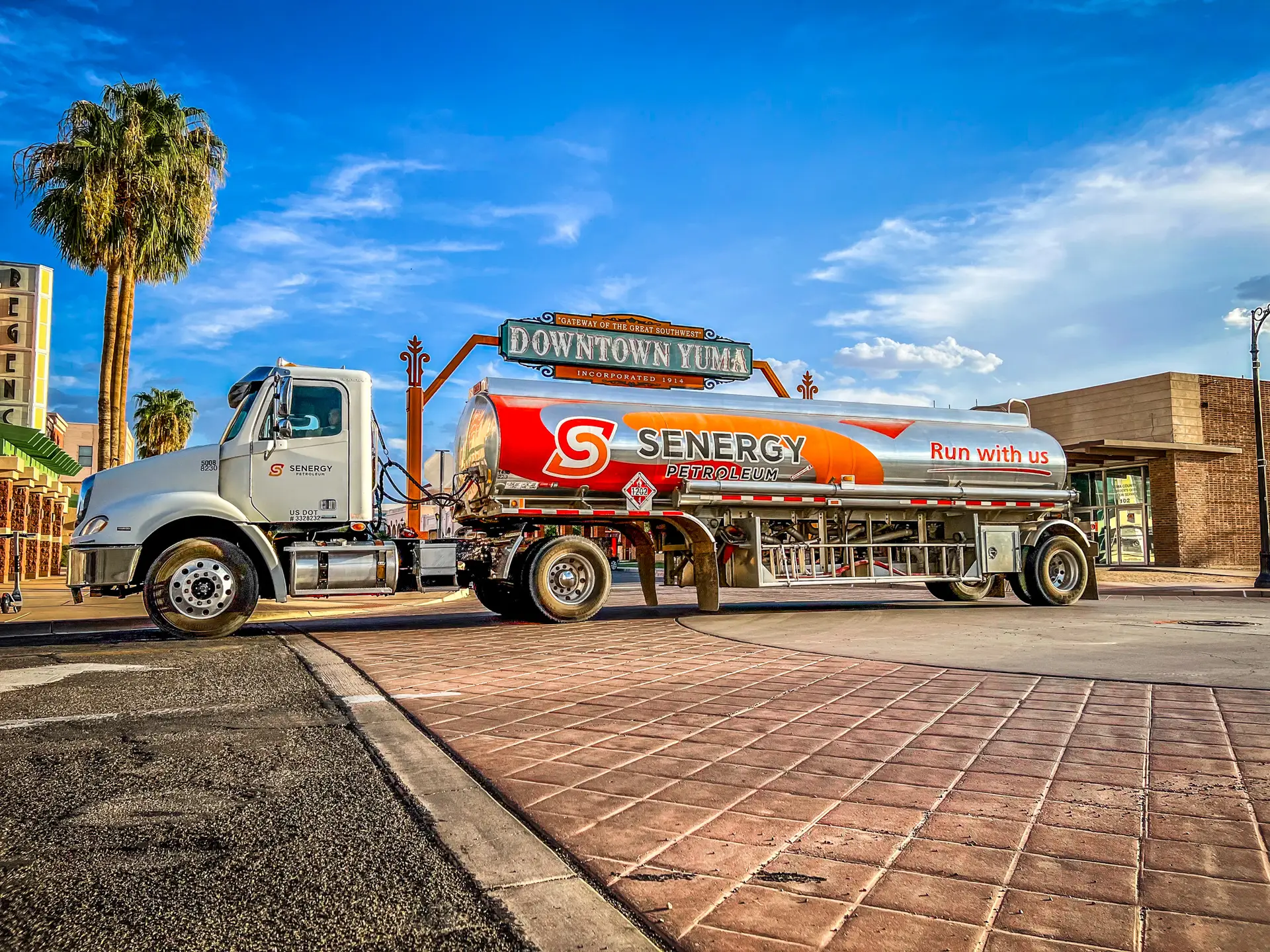

How to Avoid Expensive Downtime With Good Fleet Maintenance
Downtime continues to be a major issue for fleet managers. A vehicle that is out of service for even an hour be affecting your productivity, customer satisfaction, and profitability. Cooling system failures are one of the most common reasons for unscheduled fleet failures, and that’s why antifreeze coolant is an essential part of a fleet’s proactive maintenance program. When the cooling system is not cared for, it can get leaks, clogged passages, poor functioning water pumps, or it can overheat, which can lead to emergency repairs. These disturbances can make scheduling challenging and cost the business more. Periodic maintenance of the coolant helps prevent major issues from becoming big problems. Fleet managers that set up preventive maintenance plans can track the condition of the coolant, concentration levels, contamination, etc., and the general health of the system. These checks help ensure vehicles are always available on schedule and prevent roadside damage. Proper maintenance of coolants also helps avoid breakdowns, with predictable maintenance budgets. Scheduled services are a lot more cost effective than emergency repairs and vehicle recovery costs. Engine protection starts with the cooling system since the health of the engine is greatly dependent on good temperature control. Incorporating coolant analysis into larger fleet maintenance programs not only contributes to the smooth operation of a fleet but also helps lower repair costs and boost fleet performance. Regular surveillance ultimately means increased productivity and return on investment.
The ability of antifreeze to perform in extreme summer conditions
Summer heat poses a similar threat for commercial fleets as winter protection does, although it may be the lesser talked about one. High ambient temperatures combined with heavy engine loads can push cooling systems to their limits. Antifreeze coolant increases the boiling point of cooling fluid and provides constant heat transfer, which prevents overheating. Heavy engine loads are often associated with the construction, logistical, agricultural and transportation sectors of the fleet industry, and can lead to significant engine heat. Exposure to high temperatures for extended periods can cause cooling parts to become overworked and can cause more wear if the quality of the coolant is poor. Proper engine protection in the summer months is achieved by keeping the engine cool and free of contamination and at the correct level of coolant. Coolant additives also aid in minimizing scale formation, which can decrease the cooling efficiency and raise operating temperatures. High temperatures in the engine can lead to lower performance, fuel economy and increased failure of engine components. These can become major operational challenges for fleet operators. Common fleet maintenance guidelines involve checking cooling systems for readiness prior to peak driving periods, such as cooling system cleanings in the summer. Coolant integrity contributes to reliable performance under challenging conditions and to optimal operation of vehicles. A properly maintained cooling system helps to ensure that fleets can operate effectively in extreme temperatures, keeping productivity at a maximum during the hottest part of the year.
Winter Protection & Cold Weather Reliability
The cold weather presents its own set of challenges, and, because of this, fleet operations can’t do without antifreeze coolant. Untreated water in a cooling system expands as temperatures drop to freezing points, which can result in serious damage to the cooling system. Common issues caused by insufficient freeze protection include cracked engine blocks, damaged radiators and burst hoses. These problems are avoided by adding antifreeze to the mixture to reduce the freezing temperature, and to allow fluids to circulate in cold temperatures. Efficient start-up procedures and engine reliability are critical for fleet vehicles working in winter conditions and requires a consistent performance of the cooling system. When temperatures get cold, mechanical systems can put extra stress on the engine, so it is even more critical to protect the engine effectively. Today’s coolant formulations can help preserve the proper temperature balance and keep critical components from being stressed by freezing. Seasonal coolant testing is recommended to confirm coolant freeze protection and to establish if there are any coolant degradation issues in the system. Coolant additives are there to give corrosion protection as well as freeze protection during winter use. This all-round protection means less maintenance and longer vehicle service life. Companies that choose to be proactive in preparing their business fleets for winter conditions will have less breakdowns, higher reliability and more continuity in operation. One of the most effective ways to ensure reliable fleet performance in difficult cold weather conditions is to use proper coolant management.
The benefits of well managed coolants in terms of fuel economy and operational benefits
Many people don’t realize how the cooling system can affect the fuel consumption. Antifreeze coolant is very important to keep engines within their optimal temperature range. If the cooling system is operating properly, the combustion system will also be optimized, which helps to minimize fuel consumption and maintain vehicle performance. Engines that run too hot or too cold, on the other hand, can use more fuel and wear out more. Coolant management is a critical issue for fleet maintenance, as it affects the performance of the system. Even significant reductions in fuel consumption can deliver a major cost savings benefit to commercial fleets that have dozens or hundreds of vehicles in service. Coolant levels, clean cooling passages and efficient heat transfer all help to ensure smoother engine operation and decrease mechanical stress. Plus, coolants with good quality help to keep emissions control systems intact and meet environmental requirements. Coolant maintenance will also help prevent costly repairs that can impact operating budget. With a volatile fuel market and greater efficiency being more critical than ever, fleet owners are still looking for ways to maximize performance. Maintenance of cooling system is a relatively inexpensive procedure which has measurable consequences. Focusing on the health of the coolant will help organizations to achieve greater fuel efficiency, reliability, and sustainability in their operations.