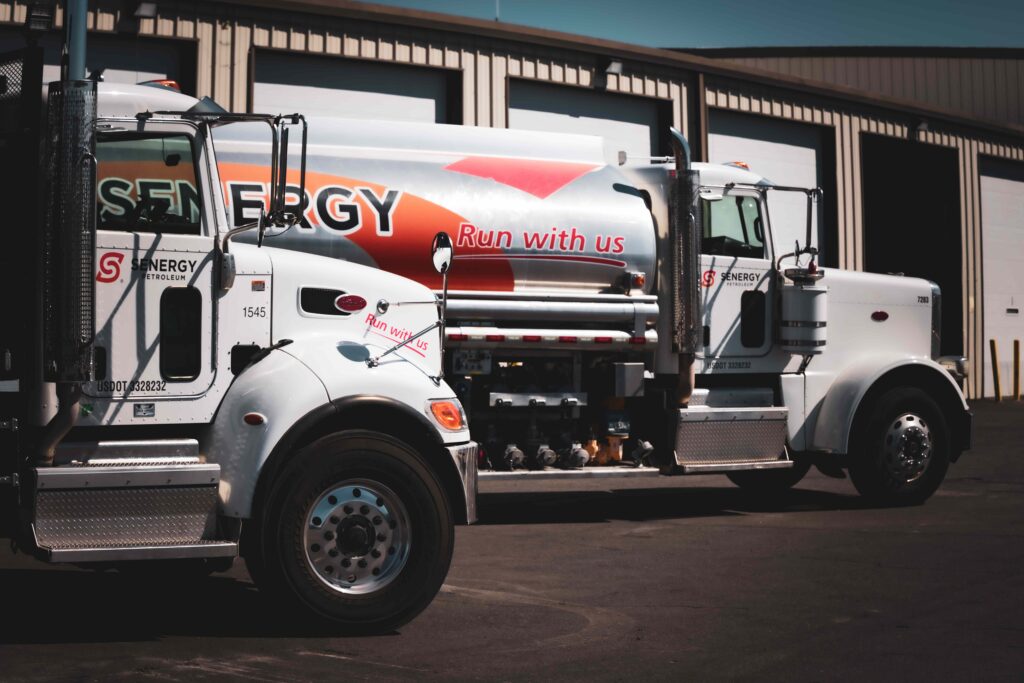
The Pros and Cons of Biodiesel vs. Diesel Fuel
Biodiesel and diesel have been key topics in sustainability and energy discussions for years. As the world shifts toward clean energy, there’s growing interest in whether biodiesel is superior to traditional diesel. The debate spans environmental impact, cost, efficiency, availability, and long-term effects. While some embrace biodiesel for the future, others stick with diesel due to its proven performance and availability. To determine which is better, we must examine the advantages and disadvantages of both.
Diesel has powered industry and transportation for decades, fueling trains, trucks, ships, and heavy machinery. Its energy density makes it ideal for long-distance travel and heavy-duty use. However, with increasing environmental concerns, biodiesel is emerging as a cleaner alternative. While it offers potential, its adoption faces challenges due to manufacturing limitations and the need for infrastructure development.
What is Diesel Fuel?
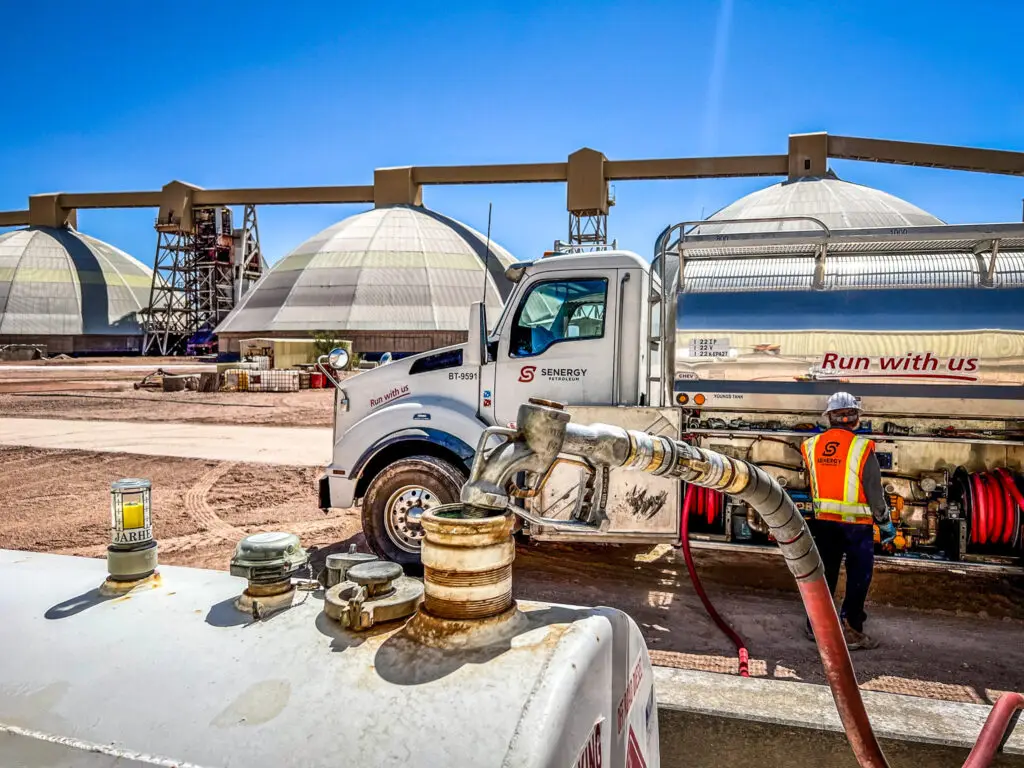
Diesel fuel has dominated the supply of power for industry, automobiles, and equipment for decades. A refined product of crude oil, diesel is a reliable energy source for heavy engines, offering torque and longevity. Its primary advantage is energy efficiency, as it contains more energy per gallon than gasoline, making it the preferred choice for trucks and buses. However, diesel emissions, including carbon dioxide and nitrogen oxides, contribute significantly to air pollution and global warming.
Another key benefit of diesel is its affordability. Thanks to mass production and efficient processing, diesel remains inexpensive and readily available. Diesel engines are known for their durability and power efficiency, making them ideal for industrial use. However, the negative effects of diesel, such as particle emissions and smog formation, are a growing concern. As governments tighten emission standards, industries are increasingly turning to cleaner alternatives like biodiesel and other renewable fuels.
What is Biodiesel?
Biodiesel, a cleaner fuel derived from renewable sources like animal fat, vegetable oil, and waste oil, produces fewer emissions and greenhouse gases compared to diesel. It’s biodegradable, non-toxic, and more eco-friendly.
While biodiesel reduces dependence on fossil fuels and can lower lifecycle greenhouse gas emissions, it also has some limitations. Biodiesel can gel at higher temperatures than conventional diesel, making proper storage and winter fuel management especially important in colder climates. Biodiesel production also supports agricultural industries by creating demand for feedstocks such as soybean oil, canola oil, and recycled cooking oils, although questions about feedstock availability and land use continue to be discussed.
Many modern diesel engines are approved to operate on biodiesel blends such as B5 or B20, while higher biodiesel blends may have manufacturer-specific limitations. As engine technology and fuel standards continue to improve, biodiesel compatibility continues to expand across many commercial applications.
Availability of Biodiesel vs. Diesel
The biggest difference in the biodiesel vs. diesel debate is availability. Diesel fuel is widely accessible, with gas stations found globally. In contrast, biodiesel is still expanding its infrastructure and is not yet as readily available, making it difficult for consumers who want to switch but can’t easily access it. Many diesel vehicles can operate on approved biodiesel blends without modification, although higher biodiesel concentrations may require manufacturer approval depending on the engine. Years of investment in diesel infrastructure have made it the preferred choice for most consumers.
Although conventional diesel remains more widely available, biodiesel blends are now offered in many regions of the United States through commercial fuel suppliers and fleet fueling programs. Higher biodiesel blends remain less common and may not be available in every market.
Comparison of Performance: Biodiesel vs. Diesel
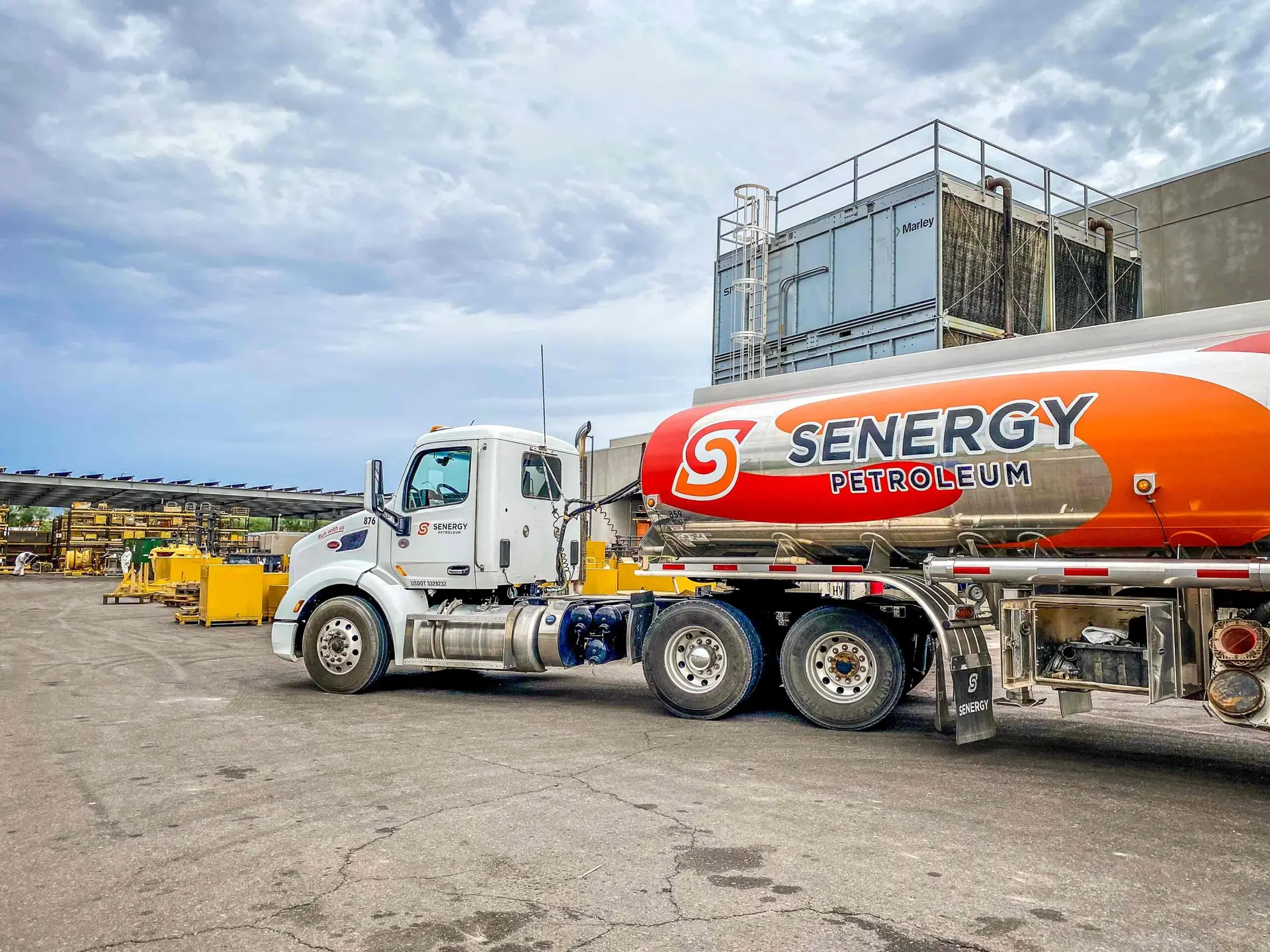
Performance is a key factor in the biodiesel vs. diesel debate. Diesel has a higher energy density, meaning it provides more power per gallon compared to biodiesel. This is especially important for heavy machinery and vehicles like trucks, trains, and ships, which require maximum output for hauling and long-distance travel. Biodiesel, while a cleaner alternative, has lower energy content, meaning vehicles running on biodiesel consume more fuel to cover the same distance. Diesel engines are designed for both power and efficiency, making them the standard for heavy-duty applications.
Biodiesel can reduce particulate matter, carbon monoxide, and lifecycle greenhouse gas emissions compared to conventional diesel. However, because biodiesel contains slightly less energy per gallon, fuel economy may be modestly lower depending on the blend level and application.
Cost Element in Biodiesel and Diesel
Price is another key factor. Diesel fuel is generally less expensive than biodiesel, but biodiesel is more costly to produce due to raw material and processing expenses. While subsidies and incentives may help reduce the cost of biodiesel, it is still more expensive than diesel. For most consumers, the higher cost makes diesel the default choice. Biodiesel remains a premium fuel, out of reach for many due to its cost. While the long-term goal of clean fuel is appealing, short-term financial concerns often take priority. Companies with transport or equipment needs must weigh the benefits of switching to biodiesel against the added expense. As technology and production improve, biodiesel may become more affordable, but for now, it remains less accessible at a lower price than diesel.
Diesel Fuel vs Gasoline
At Senergy, we see that the Diesel Fuel vs. Biodiesel debate isn’t a simple battle. Diesel is more affordable and convenient for most businesses, while biodiesel offers a cleaner alternative.
Both have their advantages, and the right choice depends on your needs. While biodiesel is a step toward future fuel options, diesel will remain essential until better alternatives arise. The key is continuing to invest in fuel solutions that meet the demands of businesses today.
Transitioning to biodiesel requires time, innovation, and policy change. Diesel may dominate now, but the shift to alternative fuels is underway. Governments, industries, and consumers must collaborate to balance performance, price, and availability. Tomorrow’s fuel will likely be a blend of diesel and biodiesel, offering flexibility for all.