
What is DEF and Why Your Diesel Engine Depends on It
If you own or operate a diesel vehicle, you have likely heard of DEF, but what exactly is it, and why does your vehicle need it? This essential fluid helps many modern diesel vehicles and machines meet emissions standards while maintaining the performance required for towing, hauling, agriculture, construction, and commercial transportation.
DEF, or Diesel Exhaust Fluid, became widely used as manufacturers adopted Selective Catalytic Reduction systems to meet increasingly strict nitrogen oxide emissions limits. Since 2010, nearly all new on-road diesel trucks and many types of nonroad equipment, including tractors and construction machinery, have used DEF-based SCR systems.
DEF does not mix with diesel fuel or enter the engine’s combustion chamber. Instead, it works within the exhaust aftertreatment system after fuel has already been burned. This allows diesel engines to continue providing dependable torque, durability, and efficiency while substantially reducing nitrogen oxide emissions.
Understanding how DEF works can help diesel owners avoid warning lights, performance restrictions, unnecessary downtime, and expensive emissions-system repairs. Proper DEF handling is especially important because contamination, incorrect fluid, poor storage, and neglected system warnings can interfere with SCR operation.
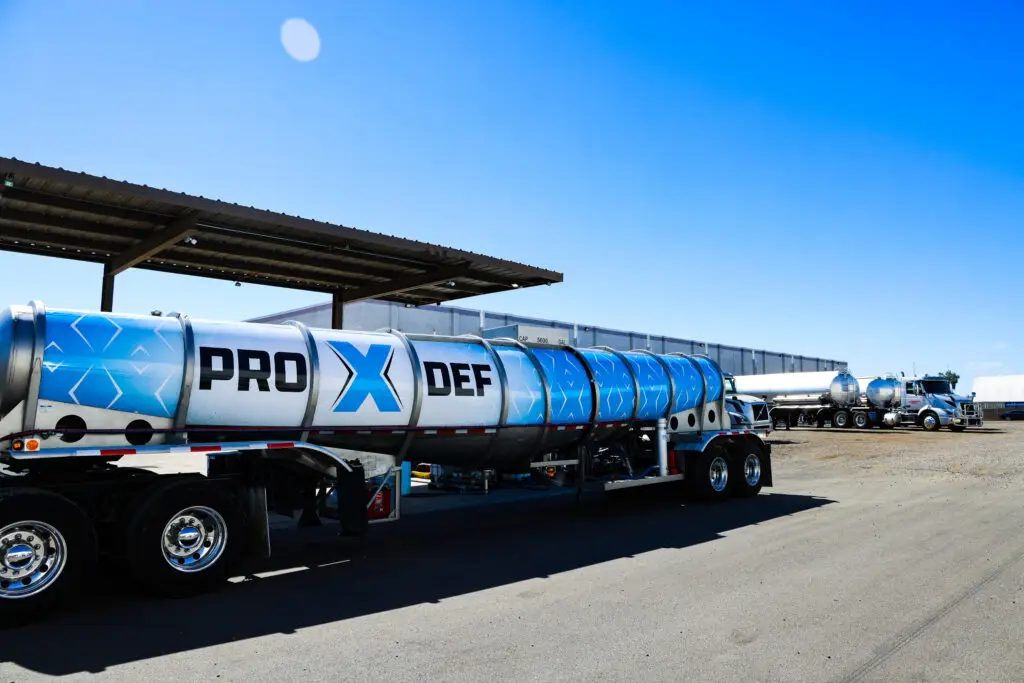
A Better Understanding of DEF
Diesel Exhaust Fluid is used in vehicles and equipment equipped with Selective Catalytic Reduction, commonly called SCR. This technology is designed to reduce nitrogen oxide emissions, often written as NOx, by converting them primarily into nitrogen and water vapor.
DEF is a precise mixture of 32.5% high-purity urea and 67.5% deionized water. Although that formula may sound simple, the purity and concentration of the fluid are critical to proper SCR performance. Automotive DEF should meet the applicable requirements of ISO 22241.
DEF is stored in a dedicated tank that is completely separate from the diesel fuel tank. During operation, the vehicle automatically injects a controlled amount of DEF into the hot exhaust stream. Heat causes the water to evaporate and the urea to form ammonia. The ammonia then reacts with NOx inside the SCR catalyst, converting much of it into nitrogen and water vapor before the exhaust leaves the tailpipe.
The driver does not control how much DEF is injected. The vehicle’s onboard computer calculates the appropriate amount based on engine load, operating temperature, exhaust conditions, sensor readings, and other factors. The driver’s primary responsibility is to monitor the DEF level and refill the tank with quality fluid when necessary.
Although DEF contains urea, it is not the same as agricultural fertilizer or other industrial urea solutions. Automotive DEF must be manufactured to strict purity requirements. Dirt, diesel fuel, tap water, coolant, oil, and other contaminants can interfere with SCR operation and may damage pumps, injectors, sensors, lines, and catalysts.
DEF should also never be placed in the diesel fuel tank. Because DEF is largely water, starting an engine after DEF has entered the fuel tank can circulate contamination through high-pressure pumps and fuel injectors. If DEF is accidentally added to the diesel tank, do not start the engine. Have the tank professionally drained and inspected according to the vehicle manufacturer’s procedures.
Why Diesel Engines Use DEF
Diesel engines use DEF to help meet emissions standards established to reduce air pollution. Diesel combustion can produce nitrogen oxides, which contribute to smog and can negatively affect respiratory health and air quality. SCR technology treats these emissions after combustion by using DEF to convert NOx into less harmful compounds.
In the United States, SCR systems became increasingly common as manufacturers adapted diesel engines to meet Environmental Protection Agency emissions requirements. DEF systems are now used in many diesel pickups, commercial trucks, buses, motorhomes, agricultural machines, and pieces of construction equipment.
One of the primary advantages of SCR technology is that it allows manufacturers to balance emissions control with engine performance. Instead of relying only on changes inside the engine to control NOx, the SCR system treats exhaust after combustion. This helps diesel engines maintain the power and torque needed for demanding work while meeting applicable emissions requirements.
Without sufficient DEF, an SCR-equipped vehicle cannot operate its emissions system as designed. The vehicle may display warning lights, limit speed or engine output, or restrict restarting after the engine has been shut off. The exact warning and performance sequence varies by manufacturer, model year, engine, equipment type, and software calibration.
DEF is therefore not an optional additive for vehicles designed to use it. Maintaining an adequate supply of clean, on-spec DEF helps prevent avoidable interruptions and allows the SCR system to function correctly.
What Changed for DEF Systems?
DEF remains required for vehicles and equipment designed with SCR systems, and emissions-control systems may not legally be removed, disabled, or bypassed. However, EPA guidance and proposed regulations in 2026 are changing how manufacturers may monitor DEF quality and respond to certain system faults.
In March 2026, the EPA clarified that manufacturers may use alternative monitoring methods, including NOx sensors, instead of relying exclusively on traditional urea-quality sensors. The change is intended to reduce false DEF-quality faults and unnecessary downtime caused by failed or inaccurate sensors. Manufacturers may also develop approved software updates for certain existing engines and vehicles.
EPA guidance issued in August 2025 also encouraged manufacturers to provide longer warning periods before severe speed or torque restrictions occur. Under the guidance, some heavy-duty vehicles may receive warnings and mild performance limitations for longer periods before more restrictive action begins. Actual behavior depends on the specific vehicle and whether its manufacturer has released an applicable update.
In July 2026, the EPA proposed replacing required DEF-related engine derates and vehicle-speed restrictions with audible or visible warnings for newly manufactured diesel highway vehicles, engines, and nonroad equipment. As of July 2026, this remains a proposal rather than a finalized rule.
The EPA has also clarified that manufacturers must provide owners and independent repair businesses access to the same service and repair information made available to branded service centers. This includes information related to DEF and other emissions-control systems.
Operators experiencing repeated DEF warnings, unexpected derates, or sensor-related failures should contact the engine, vehicle, or equipment manufacturer to ask whether approved software updates, revised sensors, service information, or warranty repairs are available.
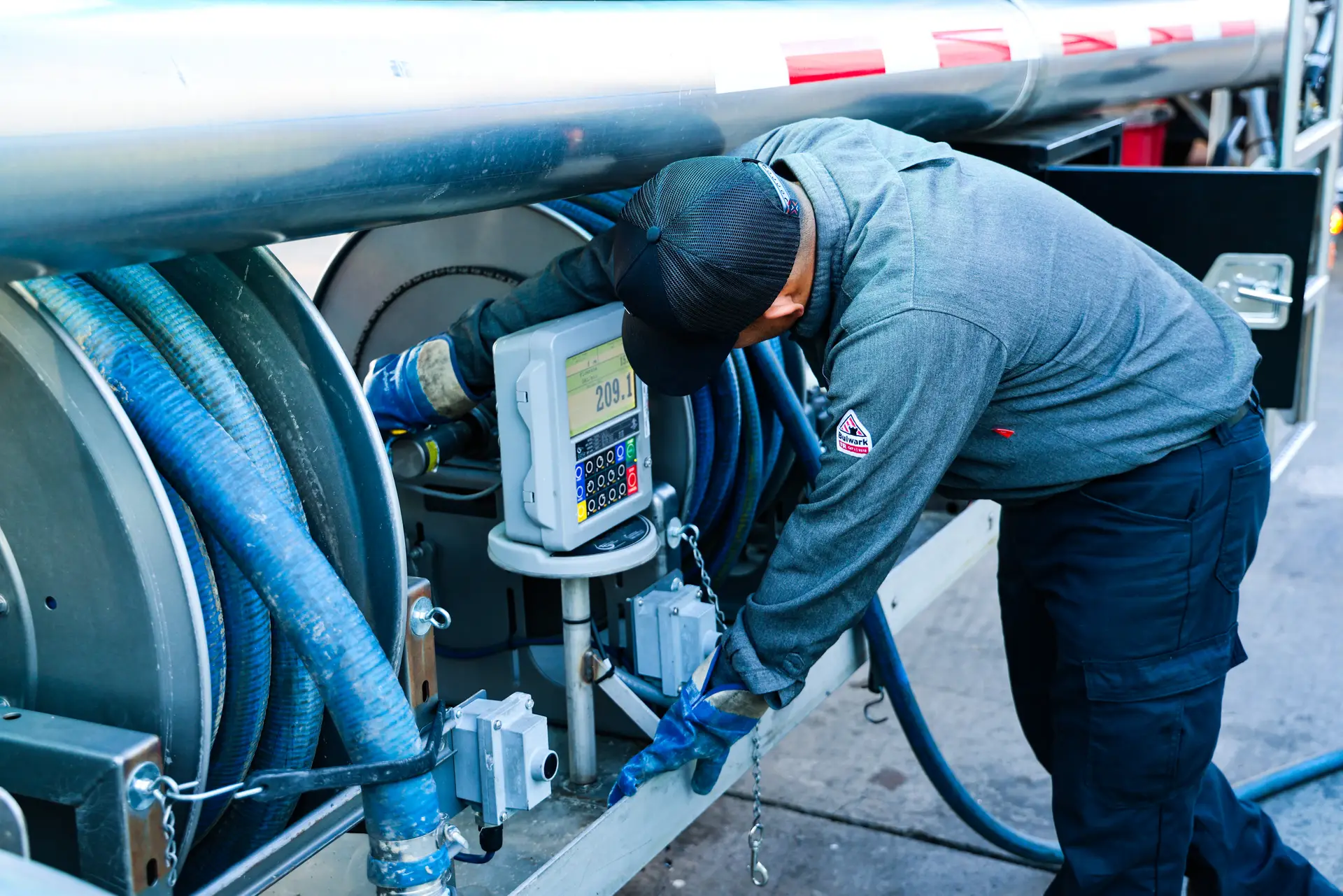
What Happens If You Skip DEF?
Many diesel vehicle owners likely wonder: What happens if they run out of DEF or attempt to drive without it?
The consequences can be severe. Most modern diesel engines are equipped with a warning system that alerts you when DEF levels are low, and these reminders will continue until you address the issue. If ignored, your truck will eventually enter “limp mode,” reducing engine power and speed to avoid exceeding emissions standards. In extreme cases, the engine won’t start at all without DEF.
Running low on DEF can also cause irreparable damage to your emissions system, leading to costly repairs. Maintaining proper DEF levels is not just a legal requirement—it’s essential for the health of your truck. Failing to monitor DEF levels will shorten your engine’s lifespan, reduce fuel efficiency, and increase maintenance costs. SCR (Selective Catalytic Reduction) technology relies on DEF to function properly. Without it, your engine will run inefficiently, resulting in higher fuel costs and more complex repairs.
Including DEF in your routine maintenance checklist is key to avoiding these issues and ensuring your diesel engine runs smoothly and efficiently.
What is DEF?
Diesel Exhaust Fluid (DEF) is a non-toxic solution of urea in water, designed to reduce harmful emissions from diesel engines.
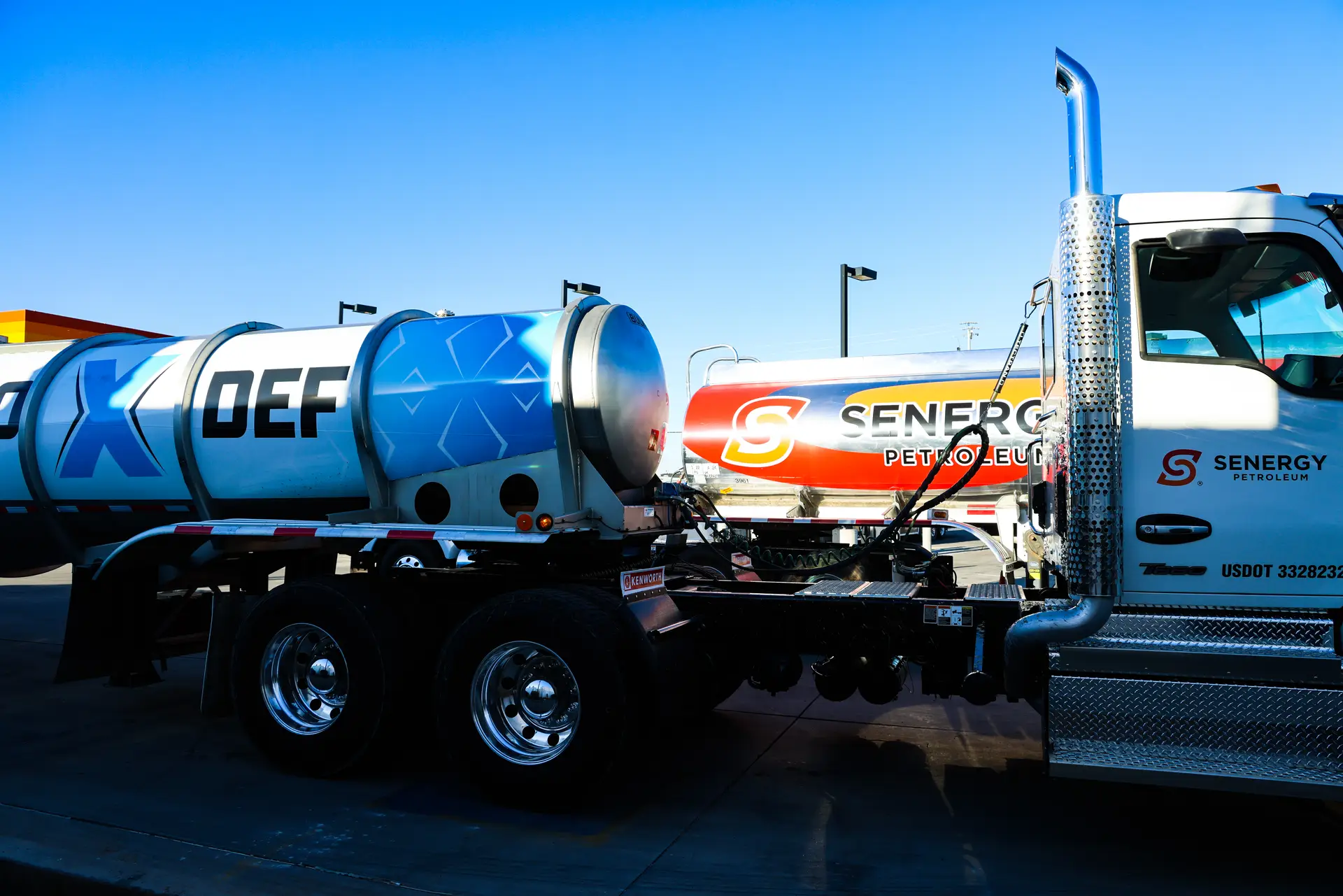
Where to Buy DEF for Diesel?
Getting DEF for your diesel vehicle is simple, but choosing the right supplier is key to ensuring your engine runs smoothly. While you can find DEF at gas stations, truck stops, and online, Senergy is the best place to purchase high-quality DEF for your diesel needs. Our DEF is free from contaminants, ensuring maximum performance for your SCR system and long-term engine health.
For those with diesel pickup trucks, some models even include a DEF gauge, allowing you to monitor fluid levels and avoid getting stuck without it. While DEF can be expensive, it’s a small price to pay for maintaining your vehicle’s efficiency and compliance with emissions standards. Carrying an extra bottle of DEF on long trips is always a smart idea, especially when fuel stops may not be as accessible.
Trucking companies and fleet owners know the importance of having DEF readily available in bulk. With Senergy, you can count on affordable pricing, reliable supply, and top-notch quality, ensuring that you never face unnecessary downtime or stress.
By choosing Senergy for your DEF, you’re investing in a trusted, high-quality solution that supports your vehicle’s performance and helps you stay compliant with emissions regulations.
DEF and Fuel Efficiency
DEF is often misunderstood when it comes to fuel efficiency. While it doesn’t directly improve fuel mileage in the short term, it plays a crucial role in enabling your engine to operate more efficiently by reducing the demands of strict emissions controls. SCR technology allows the engine to idle under optimal conditions, which can result in improved fuel economy compared to older diesel engines that lack SCR.
DEF doesn’t make your diesel engine more efficient at burning fuel, but it helps clean emissions and improve air quality. Some studies show small fuel economy gains due to SCR technology and DEF usage, as they reduce exhaust backpressure and enhance combustion. However, these gains are dependent on the vehicle, driving habits, and maintenance intervals.
Regardless, DEF is a vital component of modern diesel engines, ensuring they meet emissions regulations without negatively affecting engine performance or efficiency.
Run With Senergy for DEF
At Senergy, we believe in helping you keep your diesel engine running at its best—Run With Senergy for DEF. It’s just part of your regular maintenance routine, but DEF plays a critical role in ensuring your engine stays in top condition and complies with emissions laws. Neglecting DEF specifications can lead to costly repairs, potential fines, and decreased engine performance.
Monitoring and maintaining your DEF levels is key to keeping your diesel engine running smoothly. Whether you’re driving a heavy-duty rig or a personal diesel truck, DEF is an essential part of the equation. By choosing high-quality DEF from Senergy, you’re investing in your vehicle’s long-term performance. Topping off your DEF levels well in advance helps control exhaust emissions and ensures your engine operates efficiently for many years to come.