
Optimizing Equipment Health with Advanced Fuel Management
In commercial fleets, construction, agriculture, and industrial operations, equipment reliability begins well before ignition. Effective fuel management directly supports engine health by ensuring fuel is clean, consistent, and properly stored. Contaminated fuel—containing water, debris, or microorganisms—reduces combustion efficiency and accelerates wear on injectors, pumps, and cylinders, ultimately leading to power loss, overheating, and costly equipment failures.
A comprehensive fuel management program also reduces maintenance expenses by minimizing emergency repairs and optimizing spare-part usage. High-quality fuel helps maintain cleaner oil, extends filter life, and ensures efficient combustion. The result is measurable uptime and increased productivity. For businesses operating heavy equipment regularly, sophisticated fuel management is not just a maintenance tool—it is a key driver of asset value and operational performance.
The Key to Reducing Maintenance Costs
The most effective way to achieve maintenance savings across large equipment fleets is through rigorous fuel quality control. Contaminated or degraded fuel damages sensitive components such as injectors and high-pressure pumps, which are expensive to repair or replace. Even small amounts of water or particulate matter can disrupt spray patterns, leading to incomplete combustion and increased soot buildup. This buildup forces engines to work harder, raising operating temperatures and accelerating internal wear.
Preventive fuel management programs—including regular testing, filtration, and conditioning—eliminate contaminants before fuel enters machinery, protecting lubrication systems and critical components. Clean fuel reduces stress on filters, extends filter life, and minimizes parts consumption. These incremental improvements combine to deliver significant long-term cost savings.
Fuel turnover management is equally important. Fuel stored for extended periods can oxidize and destabilize, particularly under extreme temperatures. Implementing stock rotation and consistent tank monitoring ensures consistent fuel quality throughout the supply chain. This proactive approach prevents unexpected equipment failures that may appear unrelated to fuel but are caused by poor storage conditions.
Enhancing Equipment Reliability with Advanced Tank Monitoring
Modern tank monitoring systems are essential for maintaining equipment performance. These systems provide real-time data on fuel levels, temperature, water presence, and potential leaks. Without such monitoring, contamination and wear can go unnoticed until equipment begins to fail, causing costly damage before symptoms appear.
Automated sensors allow operators to detect issues early, such as water accumulation at the bottom of a storage tank or unusual consumption patterns that may indicate leaks or theft. Early intervention prevents contaminated fuel from entering engines, protecting sensitive components and maintaining consistent operational performance.
For dispersed operations, including mining sites and agricultural networks, remote monitoring capabilities enable managers to oversee fuel quality across multiple locations without physical inspections. Alerts facilitate rapid responses, reducing downtime and preventing cascading failures throughout fleets.
Scalable Fueling Solutions for Growing Operations
As businesses expand, fueling infrastructure must scale without compromising equipment performance. Scalable fueling solutions ensure that growth does not lead to inconsistent fuel quality, delivery delays, or storage risks. Unplanned expansion can strain improvised systems, resulting in rushed fueling practices and insufficient quality controls.
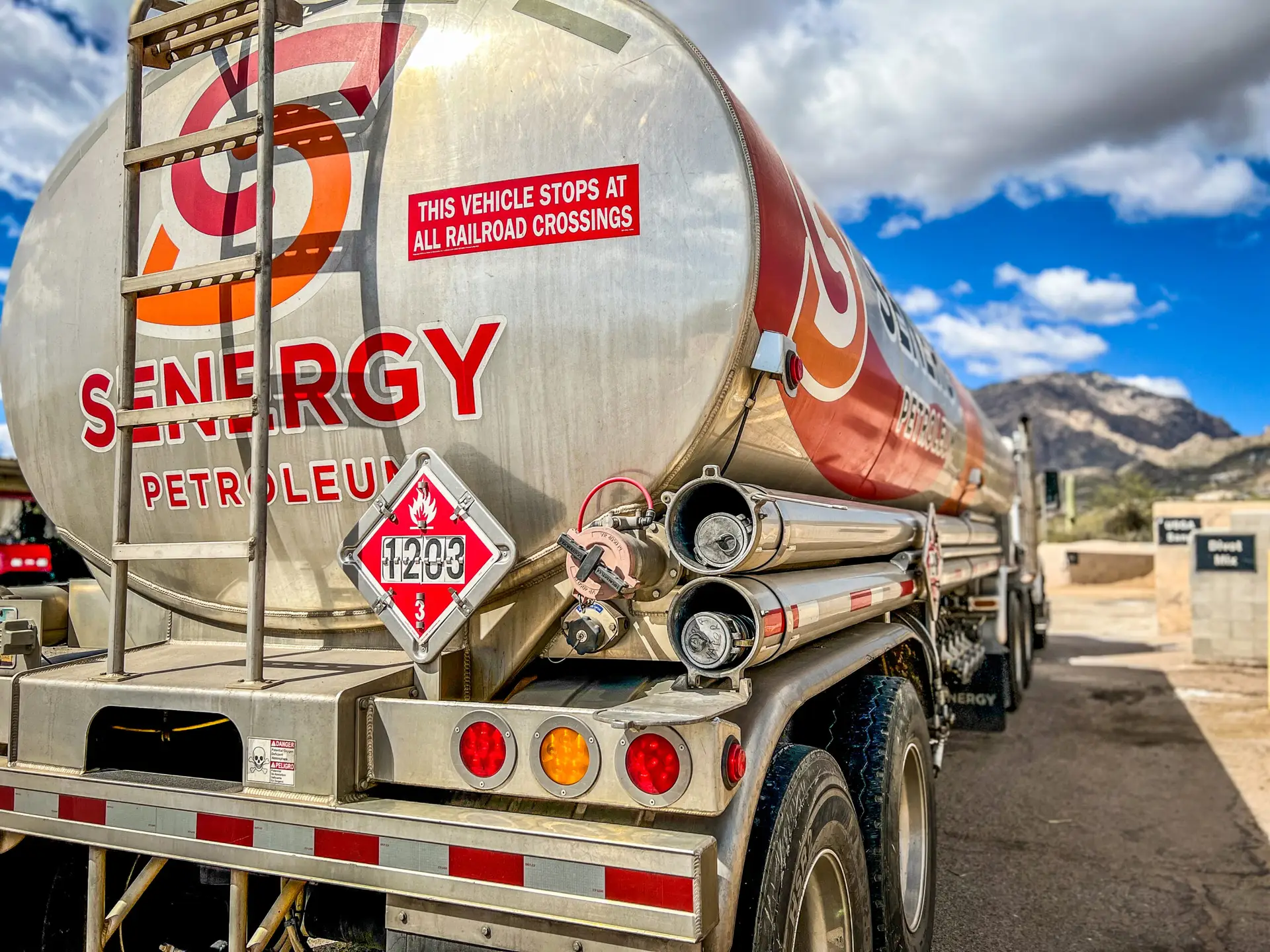
Integrating standardized storage, distribution, and monitoring processes into a unified, scalable approach across all sites ensures consistent performance. Mobile fueling trucks, modular tanks, and centralized data platforms allow organizations to maintain uniform standards regardless of location. This consistency prevents fuel quality fluctuations that can cause uneven wear across equipment fleets. Properly managed growth also increases fuel turnover, reducing the risk of fuel degradation during storage.

Predictive Fuel and Equipment Management
Data analytics are increasingly essential for predicting equipment performance in advanced fuel management programs. Fuel consumption trends, quality parameters, and operating conditions provide key insights into machinery performance. Sudden increases in fuel usage, for example, may indicate declining efficiency, injector issues, or equipment overload. By analyzing these trends, maintenance teams can intervene before failures occur.
Predictive maintenance reduces unplanned downtime and allows repairs to be scheduled during planned service windows. This approach protects equipment health while optimizing labor and parts inventory. Accuracy is further enhanced through integration with telematics systems, enabling fuel data to be combined with engine diagnostics for a comprehensive view of asset performance.
A holistic, data-driven strategy distinguishes fuel-related issues from mechanical problems, allowing targeted corrective action. Continuous analysis of historical data also highlights best practices that maximize maintenance savings and equipment reliability over time.
Protecting Engines and Systems Through Clean Fuel Management
Maintaining clean fuel and proper fuel management significantly reduces mechanical wear in engines and auxiliary systems. High-quality fuel ensures efficient combustion, free from contaminants and with optimal chemical properties. This results in less buildup and reduced abrasion on pistons, valves, and turbochargers. Lubrication systems benefit as well, as clean fuel prevents soot and unburned residues from contaminating engine oil, preserving its protective film and minimizing metal-to-metal contact that can accelerate component degradation.
Consistent fuel quality helps maintain lubrication performance and extends oil change intervals. Cooling systems also benefit, as efficiently operating engines generate less heat, reducing stress on radiators, hoses, and seals. Lower thermal strain decreases the risk of overheating, safeguarding equipment and preventing costly failures.
Equipment Reliability and Compliance
Advanced fuel management practices protect equipment and optimize performance. Proper fuel storage, quality control, and monitoring prevent contamination, leaks, and spills, reducing the risk of costly failures. Tank surveillance systems detect issues early, enabling corrective action before equipment is impacted. Documented monitoring also simplifies reporting and demonstrates due diligence, ensuring consistent fuel quality across the supply chain and supporting compliance audits.