
How to Choose the Right Coolant for Your Fleet
Choosing the right coolant is an important part of keeping fleet vehicles reliable and ready for work. Coolant does more than protect an engine from freezing temperatures. It helps regulate operating temperature, protect metal components from corrosion, support heat transfer, and reduce the risk of overheating during demanding conditions.
For businesses operating trucks, vans, buses, construction equipment, agricultural machinery, and other commercial vehicles, fleet coolant selection should be based on the needs of the equipment rather than price or product color. The right formula can support longer component life and more consistent vehicle performance, while the wrong product may create compatibility and maintenance problems. Fleets that rely on commercial fuels can also benefit from maintaining a consistent approach to fuel, lubrication, and cooling-system care across their equipment.
Overview
- Choose coolant based on OEM requirements.
- Match coolant to fleet type and operating conditions.
- Avoid mixing incompatible coolant types.
- Consider maintenance, service life, and cost.
- Maintain a consistent coolant program to reduce downtime.

Start With the Manufacturer's Requirements
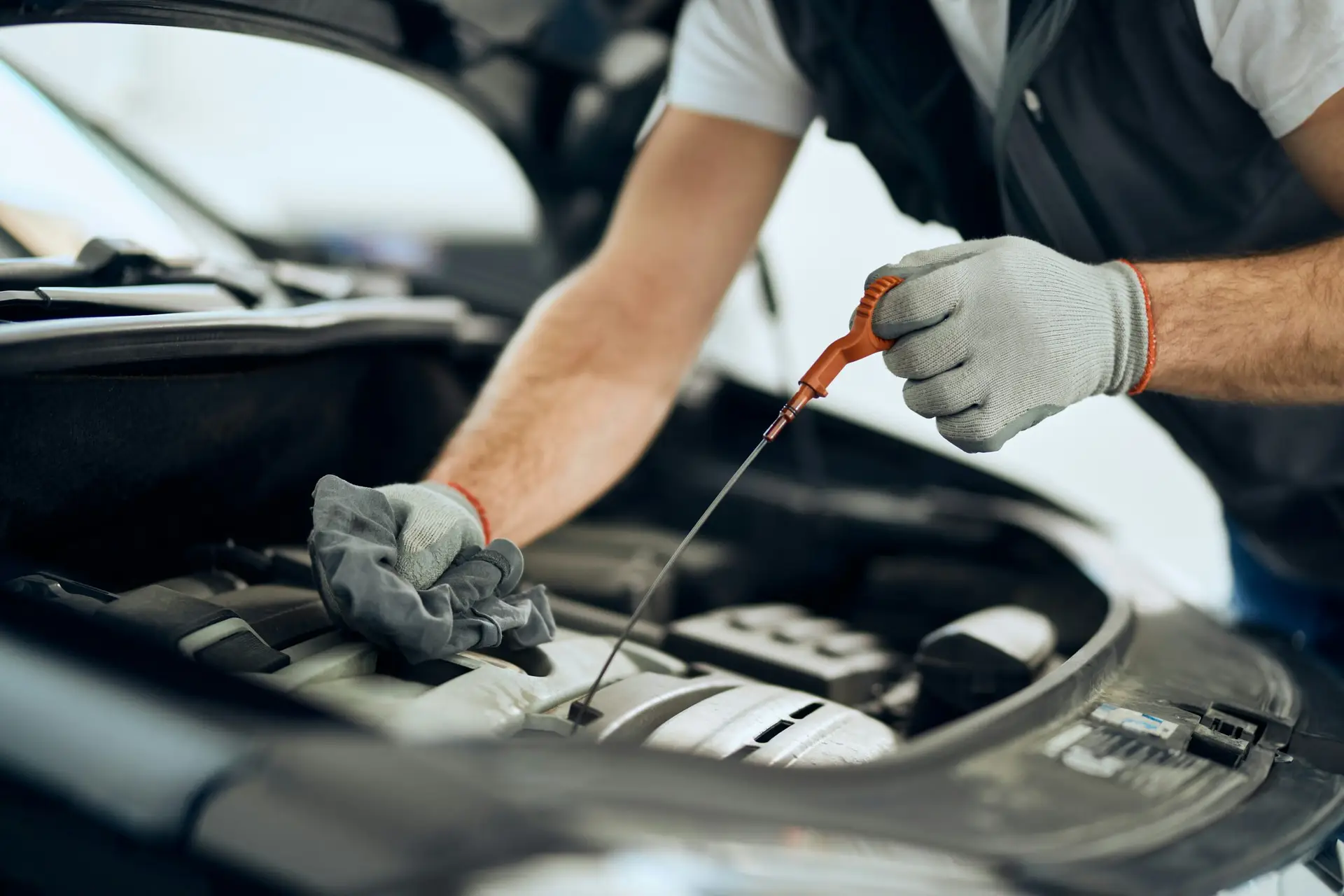
The vehicle or engine manufacturer’s recommendations should always be the starting point when selecting coolant. OEM documentation can specify the required coolant technology, performance standard, concentration, and service interval. Following these requirements helps ensure that the cooling system receives the level of protection intended for the engine.
This becomes especially important when managing a mixed fleet. A company may operate diesel trucks alongside gasoline pickups, delivery vans, buses, or specialized equipment. Although one product may work across several applications, it should only be standardized when it meets the requirements of each applicable engine. A properly selected fleet coolant can simplify maintenance when the same formulation is approved for multiple vehicles.
It is also important to look beyond coolant color. Color is not a reliable way to determine coolant chemistry or compatibility because manufacturers can use different colors for similar technologies. Product specifications and OEM approvals provide a much better basis for making a selection.
Understand Coolant Chemistry
Coolants are available in several technologies, including Inorganic Additive Technology (IAT), Organic Acid Technology (OAT), Nitrited Organic Acid Technology (NOAT), and Hybrid Organic Acid Technology (HOAT). These formulations use different combinations of corrosion inhibitors and additives to protect the cooling system.
OAT formulations are commonly used in extended-life applications and are designed to provide long-lasting corrosion protection. NOAT products may be specified for certain heavy-duty diesel engines where additional protection is required. Traditional IAT formulations have also been widely used and may require more frequent testing and additive maintenance.
There is no single coolant technology that is ideal for every fleet. The correct choice depends on the engine design, manufacturer specification, operating conditions, and maintenance program. Selecting a product simply because it is marketed as “long life” or heavy-duty coolant does not guarantee that it is appropriate for a particular vehicle.
Consider How Your Fleet Operates
The way vehicles are used can affect the demands placed on the cooling system. Long-haul trucks, delivery vehicles, buses, construction equipment, and agricultural machinery can experience very different operating conditions.
Vehicles carrying heavy loads or operating for extended periods may generate substantial heat. Stop-and-go traffic can also place additional demands on cooling systems, while off-road equipment may work in dusty environments and under heavy loads. Diesel engines with wet cylinder liners may require particular attention to cavitation protection. Choosing an appropriate heavy-duty coolant can help address the demands of engines operating under these conditions when the product meets the manufacturer’s specifications.
Climate is another consideration. Fleets operating in northern states need appropriate freeze protection during winter, while vehicles working in hot regions need dependable protection against overheating and boil-over. Seasonal changes can make proper coolant concentration and routine inspections especially important.
A good coolant program should therefore reflect where and how the equipment operates. A product that works well for a local delivery fleet may not necessarily be the best choice for heavy construction equipment or long-distance trucking.
Avoid Incompatible Coolant Mixing
Mixing different coolant technologies can cause problems when the formulations are not compatible. Adding an unfamiliar coolant during a roadside top-off may alter the additive balance of the existing product and reduce the protection provided by the cooling system.
Fleet operators can reduce this risk by keeping accurate records for every vehicle. Each unit should have its approved coolant type and specification documented so technicians know what product to use during service. Storage containers should also be clearly labeled to prevent accidental use of the wrong formulation.
When changing from one coolant technology to another, the manufacturer’s recommended flushing and refill procedure should be followed. This helps remove residual coolant and reduces the chance of compatibility issues.
For larger fleets, standardizing products can simplify inventory and maintenance, but standardization should only be done after confirming compatibility with the applicable engines. A single product should never be used across an entire fleet simply for convenience if it does not meet every vehicle’s requirements.
Evaluate Maintenance and Service Life
Coolant selection should also take maintenance requirements into account. Some formulations require regular testing and additive adjustments, while extended-life products can offer longer service intervals when used according to the manufacturer’s recommendations.
Routine coolant testing can help identify issues such as incorrect concentration, depleted additives, contamination, or coolant degradation. Technicians should also inspect hoses, radiators, water pumps, thermostats, seals, and other cooling-system components during scheduled maintenance.
Service records are equally important. Fleet managers should track the coolant used, service date, concentration, testing results, and any repairs performed. These records make it easier to identify recurring problems and determine when a vehicle is due for coolant service.
Following a consistent maintenance schedule can help prevent small cooling-system issues from becoming major engine problems. It also gives fleet managers better visibility into maintenance costs and vehicle condition, making coolant care an important part of commercial fleet maintenance.
Consider the Total Cost
The purchase price of coolant is only one part of the overall cost. A less expensive product may require more frequent testing, additive treatment, or replacement, while an extended-life formulation may reduce certain maintenance requirements over time.
Fleet managers should consider product price alongside service life, labor, testing requirements, coolant availability, component protection, and potential downtime. This broader view provides a better understanding of the product’s value over the life of the vehicle.
Downtime can be particularly costly for commercial operations. An overheating truck can delay deliveries, interrupt schedules, or take an important vehicle out of service. Construction and agricultural operations can face similar problems when equipment becomes unavailable during critical work.
Choosing a coolant that meets the manufacturer’s requirements and fits the fleet’s maintenance practices can help reduce avoidable expenses while supporting dependable vehicle operation. A carefully selected fleet coolant can also make inventory planning and routine service easier when the same product is approved across compatible vehicles.
Build a Consistent Coolant Maintenance Program
Selecting the right coolant is only the first step. A consistent maintenance program helps ensure that the cooling system continues to receive proper protection throughout the vehicle’s service life.
Fleet managers should establish clear procedures for checking coolant levels, monitoring concentration, inspecting cooling-system components, and following recommended replacement intervals. Technicians should also know which coolant is approved for each vehicle and understand the risks of mixing incompatible products. These practices should form part of a broader commercial fleet maintenance program.
Drivers can contribute by reporting warning signs such as overheating, low coolant levels, visible leaks, or unusual temperature readings as soon as they occur. Early reporting gives technicians an opportunity to investigate the problem before it develops into a larger repair.
The best coolant for a fleet is ultimately the one that meets the engine manufacturer’s requirements, provides suitable protection for the operating environment, and fits the company’s maintenance program. By making coolant selection part of a broader preventive maintenance strategy, fleet operators can protect engines, control operating costs, reduce unnecessary downtime, and keep vehicles ready for the road. For demanding diesel applications, the right heavy-duty coolant can provide essential cooling-system protection when it is selected and maintained according to the engine manufacturer’s requirements.
