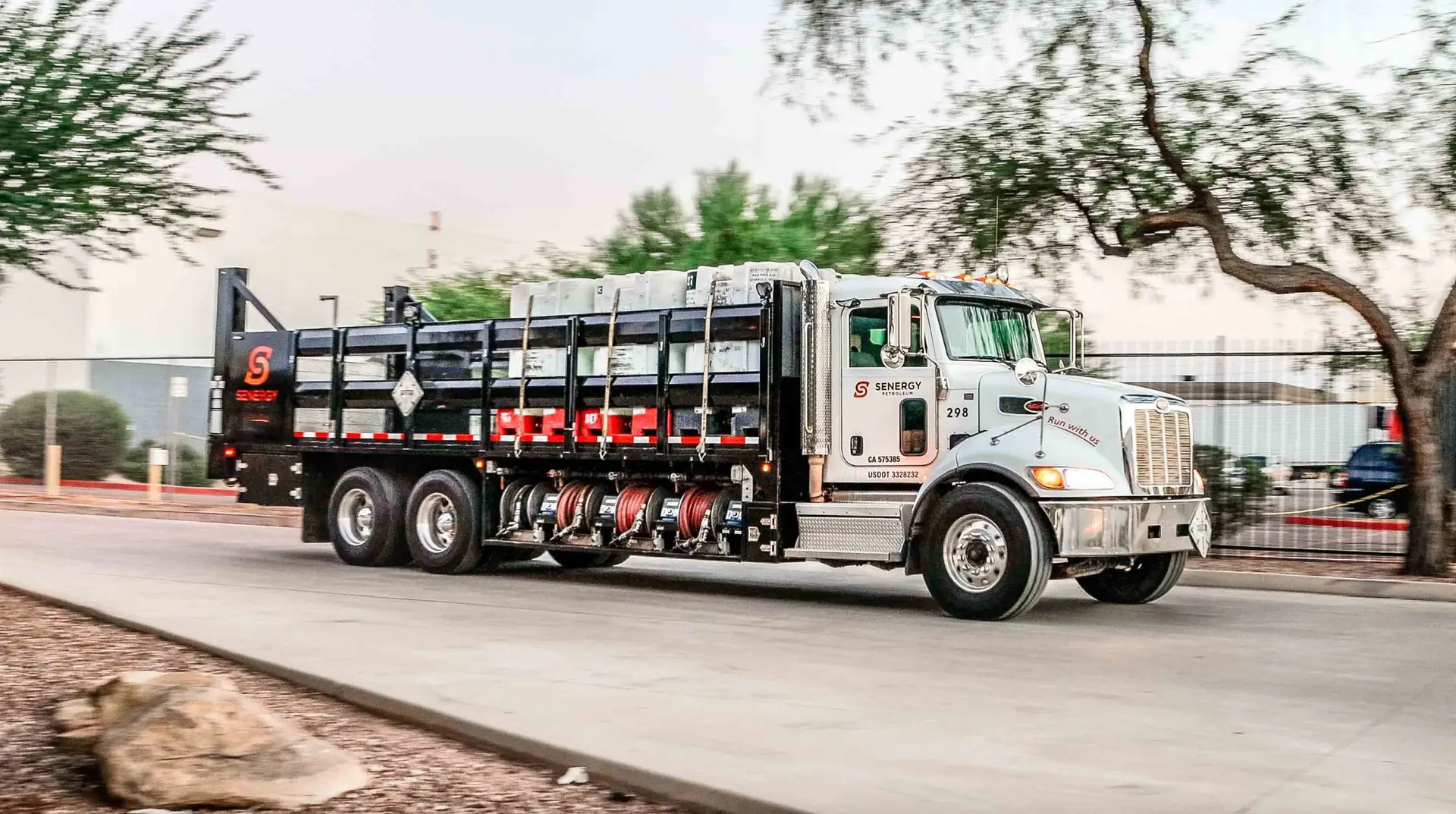
How Route Planning Can Improve Fleet Fuel Efficiency
Fuel is one of the biggest ongoing expenses for businesses that rely on vehicles every day. Delivery companies, contractors, service providers, distributors, and transportation businesses all need to keep vehicles moving without wasting miles, time, or fuel. Even a few unnecessary miles per trip can become a significant expense when multiplied across an entire fleet.
Smart route planning gives fleet managers a practical way to control these costs. Instead of sending drivers along routes based only on distance, businesses can consider traffic, road conditions, delivery windows, vehicle restrictions, stop locations, and driver schedules. Effective route optimization helps create routes that make sense for the actual work being performed.
Improving fleet fuel efficiency is not simply about finding the shortest path. It is about reducing wasted travel and making every trip more productive. When routes, driving habits, vehicle condition, and daily schedules are managed together, businesses can lower fuel expenses while maintaining reliable service.
Overview
- Smarter routes reduce unnecessary miles.
- Less idling and traffic can lower fuel use.
- GPS and telematics help track fleet performance.
- Better routing can lower overall operating costs
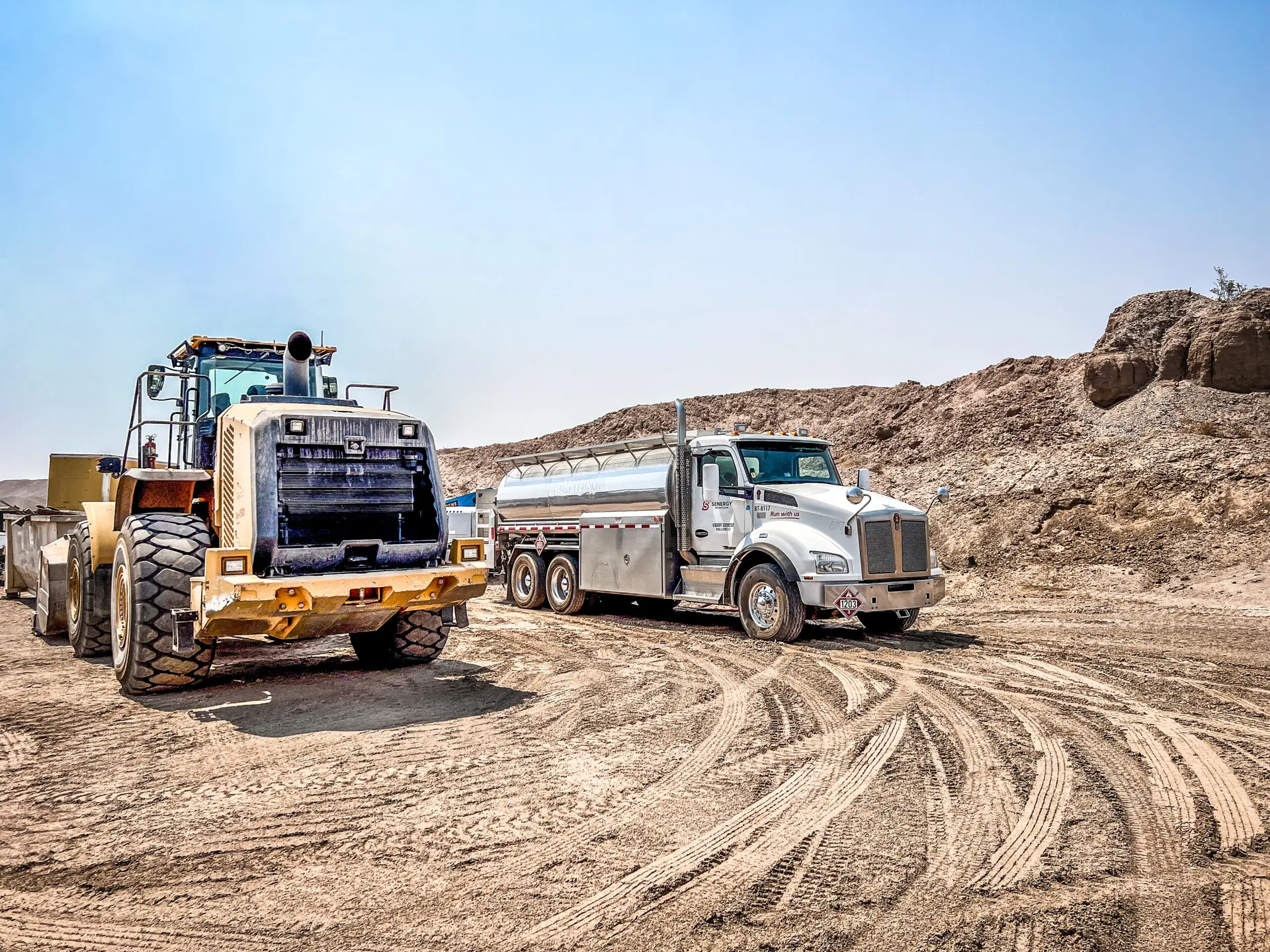
How Route Planning Affects Fuel Use
Every additional mile driven adds to a vehicle’s operating costs. When routes are poorly planned, drivers may travel through the same area multiple times, backtrack between stops, or take unnecessary detours. These extra miles may seem insignificant on an individual trip, but they can become costly when repeated across hundreds of trips.
Effective route optimization helps organize stops in a logical sequence. Nearby customers can be grouped together, while routes can be planned around delivery windows and driver schedules. This can reduce unnecessary travel and allow drivers to complete more work during the same shift.
Distance is only one factor, however. A shorter route may pass through heavy traffic, frequent stoplights, construction zones, or difficult road conditions. A slightly longer route with smoother traffic can sometimes use less fuel because the vehicle spends less time accelerating, braking, and idling. For this reason, good route planning considers both distance and real-world driving conditions.
Reducing Unnecessary Miles and Empty Travel
One of the simplest ways to improve fuel performance is to eliminate unnecessary mileage. Drivers can lose time and fuel when stops are arranged without considering their geographic locations. A poorly organized route may send a vehicle across the same neighborhood several times instead of completing nearby stops together.
Empty travel is another concern, particularly for transportation and delivery businesses. A vehicle traveling without cargo still consumes fuel. Reducing these deadhead miles can help businesses get more value from every trip. Coordinating pickups and deliveries can also help limit unnecessary return journeys.
Historical trip data can make this process easier. If drivers consistently travel farther than expected on certain routes, fleet managers can review the reasons. The problem may be poor stop sequencing, changing customer locations, traffic, or scheduling conflicts rather than driver performance.
By identifying these patterns and adjusting routes, businesses can reduce fuel consumption without necessarily adding vehicles or changing their entire operation. Small mileage improvements become much more valuable when applied consistently across a fleet.
The Impact of Traffic, Stops, and Idling
Traffic can have a major effect on fuel use. Stop-and-go conditions require frequent acceleration and braking, while long queues can leave vehicles running without making meaningful progress. For commercial fleets operating in busy cities or along heavily traveled highways, avoiding unnecessary congestion can make a noticeable difference.
Route planning can help fleet managers identify better travel times and alternative roads when conditions allow. The goal is not always to choose the route with the fewest miles. In some situations, avoiding a congested area can save more fuel and time than taking the shortest available route.
The number and timing of stops also matter. A route with poorly spaced stops can create repeated short trips between nearby locations. Grouping stops by area can make the workday more efficient and reduce unnecessary movement. Delivery windows should also be considered because arriving too early may leave a driver waiting at a customer location.
Idling deserves particular attention. Excessive idling wastes fuel and adds unnecessary engine hours. GPS tracking and telematics can help identify where and when vehicles spend extended periods idling, allowing managers to address recurring issues through better scheduling, driver coaching, or route changes.
Using Fleet Data to Improve Routes
Modern fleet management provides access to useful information that was difficult to collect in the past. GPS tracking, telematics, vehicle diagnostics, and fuel records can show how vehicles actually perform throughout the day. Managers can use this information to make routing decisions based on real operating conditions.
For example, a fleet manager may notice that a particular route regularly produces high idle time or that certain trips consistently require more miles than planned. Reviewing the data can help determine whether the issue is caused by traffic, route design, customer schedules, vehicle condition, or driving behavior.
Driver performance is another important part of fuel management. Hard acceleration, harsh braking, speeding, and unnecessary idling can all affect fuel economy. Providing drivers with useful feedback can encourage smoother driving and help create more consistent performance across the fleet.
Vehicle condition also plays a role. Proper tire pressure, regular maintenance, clean filters, suitable engine oil, and the right vehicle for the job can support better fuel economy. Businesses that handle vehicle upkeep may also use Cleaning Fluid Solutions as part of appropriate cleaning and maintenance routines where applicable. Good vehicle care works alongside routing improvements to support stronger fleet fuel efficiency.
Making Route Planning Part of Fleet Management
A route should not be considered permanent once it has been created. Customer locations change, traffic patterns shift, new service areas are added, and delivery schedules evolve. A route that worked well several months ago may no longer be the most efficient option.
Fleet managers should regularly review measurements such as total miles driven, average MPG, fuel cost per mile, idle time, number of stops, delivery times, and empty miles. Comparing these figures over time can show whether changes are actually improving performance.
It can also be useful to compare similar routes and vehicles. If two vehicles cover similar distances but one consistently uses more fuel, managers can investigate factors such as payload, vehicle condition, traffic, terrain, or driving habits. This allows businesses to address specific problems instead of making unnecessary changes across the entire fleet.
Businesses can also connect routing information with fuel and maintenance records. This creates a clearer picture of how daily travel affects operating costs. Regular vehicle care, including appropriate use of Cleaning Fluid Solutions when needed for fleet maintenance tasks, can complement these efforts and help keep vehicles in suitable operating condition.
Building a More Fuel-Efficient Fleet
Improving fuel performance does not always require expensive technology or major operational changes. Businesses can begin with simple steps such as grouping nearby stops, reducing backtracking, limiting empty travel, choosing practical departure times, and reviewing routes when operating conditions change.
The strongest results usually come from combining several improvements. Better routes can lower unnecessary mileage, while driver coaching can address inefficient driving habits. Preventive maintenance can keep vehicles operating properly, and telematics can provide the information needed to identify problems. Together, these practices can help reduce fuel consumption and improve daily fleet performance.
Different fleets may need different approaches. A local delivery company may focus on stop sequencing and city traffic, while a long-haul trucking operation may pay more attention to highway conditions, driver schedules, vehicle capacity, and deadhead miles. Field-service businesses may benefit from grouping appointments by geographic area and reducing travel between service calls.
Ultimately, effective route planning is about getting more value from every trip. When vehicles follow practical routes, drivers spend less time dealing with avoidable delays, and managers have reliable information to guide future decisions, businesses can improve fleet fuel efficiency while keeping daily operations under control. Consistent route optimization can turn small mileage improvements into meaningful savings over time and help businesses operate more efficiently without compromising service quality.