How Cardlock Programs Support Multi-State Fleets
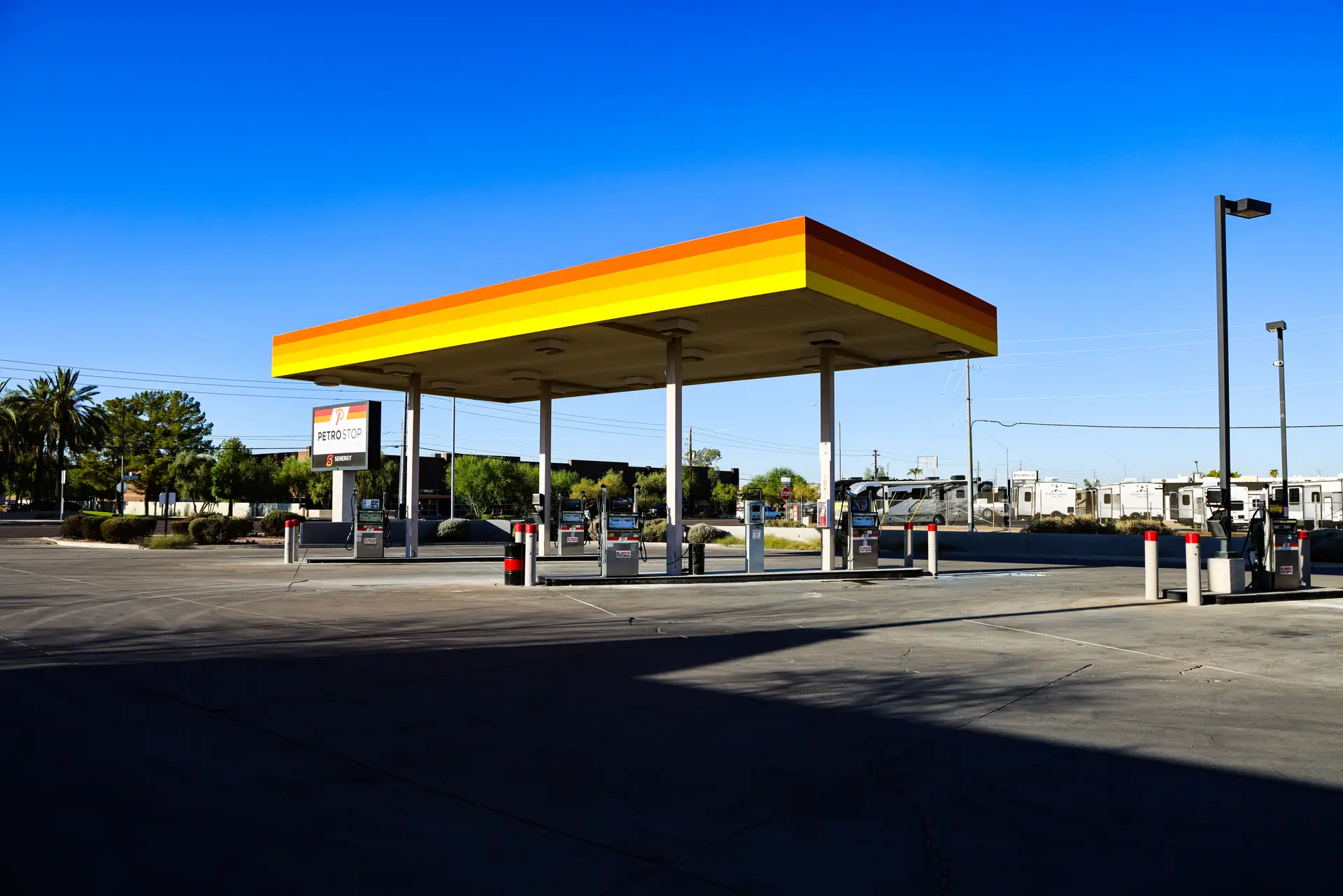
Today’s logistics and transportation landscape demands performance, visibility, and control—especially for fleets operating across multiple regions or borders. Traditional fueling methods, such as driver reimbursements or paper receipts, can no longer support the scale and complexity of modern fleet operations. Cardlock fueling solutions provide a smarter alternative: secure, unattended fueling sites designed specifically for commercial fleets. Unlike retail fuel stations, cardlock networks prioritize 24/7 access, strategic locations, and seamless integration with fleet management systems. This approach delivers more than convenience—it provides a measurable operational advantage. Cardlock sites help reduce unauthorized fuel use, simplify recordkeeping, eliminate receipt management, and deliver actionable fueling data. Drivers can refuel quickly using secure access tied directly to the vehicle and account, avoiding lines and staffed stations. Positioned along major highways and logistics corridors, cardlock networks ensure consistent access and predictable pricing, supporting fleet efficiency and scalability as operations grow.
Simplifying Multi-State Fleet Fueling with Cardlock Networks
Operating across multiple states introduces unique logistical, financial, and compliance challenges. Each state has its own fuel taxes, regulations, and preferred suppliers, which can quickly complicate billing and tax reporting. For fleets with multi-state operations, cardlock fuel networks simplify this complexity by delivering a unified, scalable fueling solution. These networks are strategically positioned to support standardized fleet fueling programs across regions. Centralizing fueling data enables more accurate tax reporting and streamlined reconciliation. Instead of managing receipts from dozens of stations with inconsistent formats, fuel purchases are automatically captured, categorized, and displayed in digital dashboards. This centralized data flow reduces errors, accelerates month-end close processes, and improves overall visibility. Many cardlock systems also integrate with telematics and routing platforms, giving fleet managers deeper insight into where and when fuel is purchased.
How Fuel Card Integration Improves Fleet Control and Cost Visibility
One of the most impactful advantages of cardlock fueling is its integration with fleet-specific fuel card and pricing systems. Unlike standard credit cards, fuel cards are linked to defined fleet profiles and can be configured with spending limits, fuel-type restrictions, and assignments to specific vehicles or drivers. For organizations managing large fleets, this level of control is critical. Fuel card transactions generate real-time data that flows directly into accounting and fleet management systems, eliminating manual entry and paper receipt reconciliation. With detailed visibility into each transaction—including time, location, vehicle ID, and fuel volume—fleet managers can quickly identify irregularities, prevent misuse, and maintain budget discipline. This transparency also supports more accurate fuel cost forecasting and performance analysis across routes and driver behaviors. In multi-state operations where fuel costs and tax rates vary, a standardized fuel card system ensures consistent controls and reporting across the entire fleet.
Enhancing Fleet Fuel Security with Cardlock Systems
Security is a critical concern in fleet fueling, particularly when vehicles operate across wide geographic areas. Traditional fuel receipts and reimbursement methods are vulnerable to fraud and misuse—risks that increase in multi-state operations with dispersed teams. Cardlock fueling systems, combined with fleet fuel cards, strengthen security by requiring driver authentication before fuel is dispensed. Each driver uses a unique PIN or identifier, and many systems also require vehicle verification or odometer entry. This multi-layered approach helps prevent unauthorized use and ensures every transaction is tied to a specific driver and vehicle. Fleet managers can also receive real-time alerts for irregular fueling activity, enabling swift investigation and corrective action. Because cardlock networks operate within a closed, authorized system, fueling is limited to approved locations with controlled access, reducing exposure to unsecured or off-route stops. A standardized fueling process supports compliance, minimizes risk, and keeps fleet operations aligned with internal policies.
How Cardlock Fueling Improves Fleet Efficiency and Saves Time
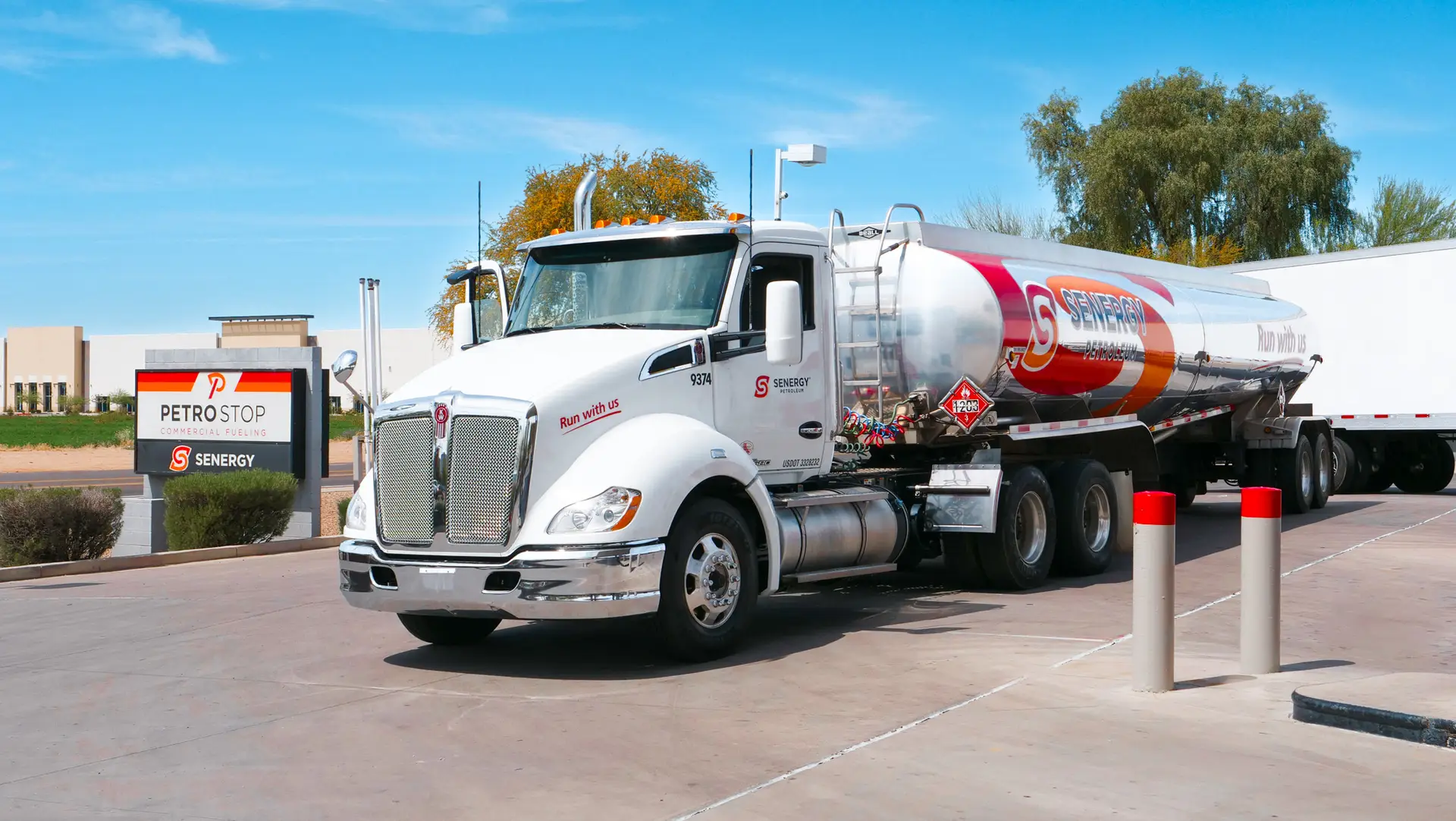
Time is one of the most valuable resources in fleet logistics. Every minute a vehicle spends off route impacts delivery schedules, driver hours, and customer satisfaction. Cardlock fueling sites are designed to improve operational efficiency by delivering fast, reliable service built for commercial fleets. Unlike consumer-focused fuel stations, cardlock locations typically offer high-flow pumps, spacious layouts for large vehicles, and reduced congestion, minimizing time spent fueling. Fuel cards allow drivers to refuel quickly without waiting for staff assistance or handling cash, even during peak hours. Integrated reporting tools automatically capture and reconcile fueling data, reducing administrative workload and minimizing errors.
For fleets operating across state lines, this consistency becomes a strategic advantage. Instead of adapting to varying station layouts, procedures, or pricing models, drivers benefit from a standardized fueling experience supported by a dependable cardlock network. The reduction in paperwork and operational friction drives productivity at both the driver and administrative levels, resulting in measurable time savings and smoother daily fleet operations.
Simplifying Fleet Compliance and IFTA Reporting with Cardlock Fueling
Compliance is a non-negotiable requirement in fleet management. When fleets operate across state lines, managers must navigate complex tax codes, fuel reporting requirements, and mileage documentation standards. Cardlock fueling programs, supported by advanced reporting systems and fleet fuel cards, simplify compliance in ways manual processes cannot. Detailed fueling records automatically capture critical data—such as purchase state, fuel volume, vehicle identification, and timestamps—in formats designed for regulatory and tax reporting. For multi-state operations, this standardized data set significantly reduces compliance risk and streamlines audit preparation. Instead of collecting paper receipts from drivers spread across wide regions, fleet managers access centralized dashboards that record and categorize fuel transactions in real time. These systems can also generate reports aligned with regulatory requirements, including International Fuel Tax Agreement (IFTA) reporting. Automated alerts and data validation checks further reduce the risk of errors that can lead to fines or operational disruptions.
Using Cardlock Fuel Data to Optimize Routes and Improve Efficiency
Beyond administrative and cost advantages, cardlock fueling programs play a strategic role in route planning and fuel efficiency optimization. By consolidating fueling data across the entire fleet, managers can identify consumption trends, recurring patterns, and opportunities to improve efficiency. Multi-state operations often contend with fluctuating fuel prices, varying tax rates, and uneven geographic access.
Analyzing historical cardlock and fuel card transaction data allows managers to plan routes that reduce idle time and unnecessary detours, ensuring vehicles refuel at optimal locations and times. If certain cardlock sites consistently offer favorable pricing or convenient access along key corridors, routing tools can prioritize those locations without disrupting delivery schedules. When integrated with telematics systems, cardlock fueling data provides even deeper insight by linking fuel usage to driver behavior, vehicle load, and terrain. This intelligence supports targeted improvements, such as driver coaching to encourage more efficient driving habits or maintenance adjustments to enhance fuel economy.
Connected Fueling and Fleet Innovation
As fleets continue to expand across multiple states, cardlock fueling programs will remain a cornerstone of modern fleet operations. Advancements in connectivity, data analytics, and system integration are driving smarter fueling decisions through real-time telematics, GPS data, and predictive insights. These technologies help align fueling activity with route efficiency, pricing strategies, and sustainability goals. With continued innovation—including expanded alternative fuel options—cardlock networks will support scalable, efficient, and forward-looking fleet fueling strategies.