How Cardlock Helps Fleets Cut Idle Time and Control Fuel Spend
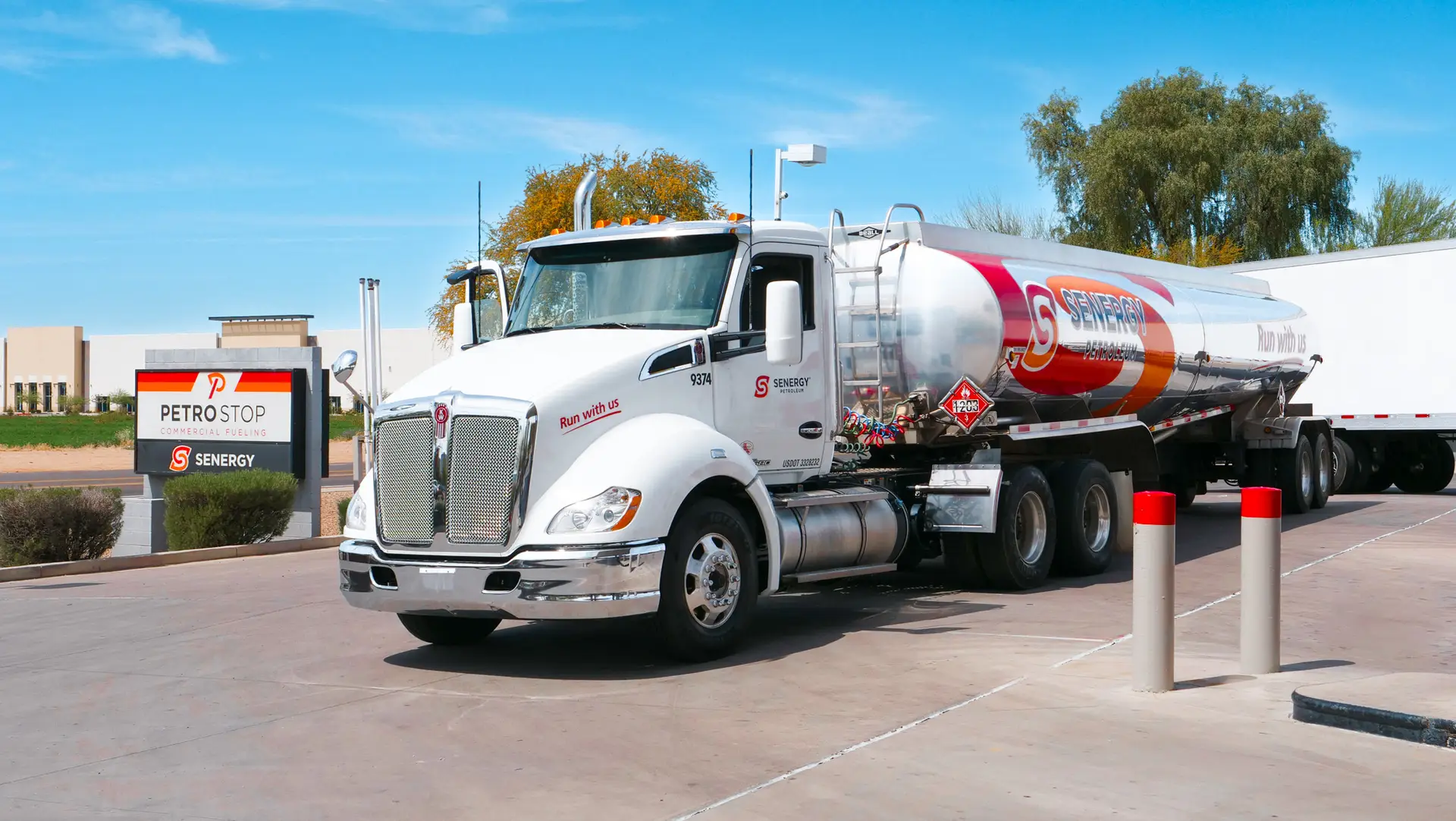
Managing fuel for a fleet can be complex, but cardlock fuel control simplifies the process. Cardlock systems allow vehicles to refuel at dedicated stations using a unique card, similar to a debit card, restricted to fuel purchases only. These stations are not open to the public and are designed specifically for fleet vehicles. Each transaction is automatically tracked, recording vehicle, driver, time, location, and fuel quantity.
For businesses operating multiple vehicles, this level of tracking delivers valuable insights. Managers can clearly see fuel usage, spot unusual activity, and resolve issues immediately. Cardlock systems replace manual logs and guesswork, giving fleets full transparency and control. In practical terms, it works like maintaining a shared inventory: every fuel transaction is recorded, ensuring accountability and helping managers control expenses efficiently.
Gain Full Visibility with Cardlock Fuel Management
Fleet fuel management can be challenging without precise tracking. Traditional pay-at-the-pump methods often result in lost receipts or accidental use of non-public cards, making it difficult to determine exactly how much fuel each vehicle consumes. Cardlock fuel control provides a solution by linking every fuel transaction to a specific vehicle. When a driver swipes their card at a cardlock station, the system automatically logs the vehicle ID, date and time, fuel type, and quantity.
This level of visibility allows fleet managers to identify patterns and pinpoint irregular fuel usage. For instance, if a truck that typically travels 200 miles is using more fuel than expected, managers can investigate potential issues such as mechanical problems or excessive idling. With cardlock fuel control, fleets gain accurate, real-time data—enabling managers to address inefficiencies quickly and maintain optimal operational costs.
Reduce Fuel Waste with Cardlock Visibility
Idling vehicles can significantly increase fuel costs and engine wear. Cardlock fuel control helps fleet managers monitor fuel consumption relative to actual driving activity, providing insight into unnecessary engine run time. By analyzing this data, managers can identify patterns such as vehicles left running at loading docks or during extended stops.
With this visibility, fleets can implement idle-reduction policies, ensuring engines are only running when necessary. Cardlock systems deliver accurate, real-time fuel usage data, enabling managers to reduce idle time, optimize operational efficiency, and lower overall fuel expenses.
Strengthen Fleet Oversight with Cardlock Fuel Control
Fleet controls help managers oversee vehicle performance, fuel use, and costs. Cardlock fuel control strengthens these measures. Managers can set fueling limits, approve fuel types, and control which pumps drivers can use.
If a vehicle tries to exceed its tank capacity, the system flags it immediately. This prevents errors or misuse. Fleet controls also cover driver training, maintenance scheduling, and idle-time management. Cardlock systems provide real-time data that lets managers enforce guidelines, monitor fuel use, hold drivers accountable, and use resources efficiently.
Control Fleet Costs with Cardlock Fuel Insights
Fuel expenses are a significant portion of fleet operating costs, and without precise tracking, overspending can go unnoticed. Cardlock fuel control provides managers with detailed fuel usage reports, highlighting trends such as inefficient vehicles or excessive idling by drivers.
Armed with this information, companies can implement changes to reduce costs—optimizing routes, training drivers in efficient practices, or investing in vehicles with better fuel performance. For example, if two vehicles follow the same route but one consistently consumes more fuel, managers can investigate factors such as driving habits or engine operation. Cardlock systems deliver accurate, real-time data, allowing fleets to identify waste, enforce best practices, and make informed decisions that improve efficiency and reduce expenses.
Improve Driver Performance with Cardlock Monitoring
Monitoring fuel usage and idle time can directly influence driver behavior. Cardlock fuel control, combined with GPS or telematics data, provides detailed insights into how drivers operate vehicles. Excessive idling, rapid acceleration, and inefficient routing can all increase fuel consumption. When this data is shared with drivers, they gain awareness of their habits and can make adjustments.
Fleet managers can reinforce these behaviors by setting fuel performance goals, recognizing drivers who reduce idle time, and offering targeted training. Over time, drivers adopt more efficient practices, such as shutting off engines during extended stops or planning routes more strategically. Cardlock fuel control enables fleets to monitor performance, guide behavior, and achieve measurable cost savings through accountability and informed management.
Prevent Unauthorized Fuel Use with Cardlock Control
Unauthorized fuel use is a significant concern for fleets. Drivers may refuel vehicles without approval or use corporate fuel for personal purposes. Cardlock fuel control addresses this by linking each fuel card to a specific vehicle. If a card is used on the wrong vehicle, the system flags the transaction. Managers can also set limits on the amount of fuel a vehicle can access within a set timeframe, preventing unnecessary or suspicious purchases.
Beyond cost savings, cardlock systems protect corporate assets and ensure accountability. Each fuel transaction is tracked, enabling managers to identify and address misuse quickly. By providing transparency and oversight, cardlock fuel control supports responsible fuel usage, reduces waste, minimizes disputes, and strengthens overall fleet management.
Transform Operations with Cardlock
Cardlock fuel control goes beyond fueling—it provides a comprehensive system where data drives decisions. Combined with GPS tracking, maintenance schedules, and driver scorecards, it gives managers a clear picture of fleet performance. This insight enables smarter decisions on routes, vehicle use, and driver training.
The result is reduced fuel costs, fewer unexpected expenses, and smoother operations. By turning data into actionable intelligence, cardlock fuel control helps fleets operate more efficiently and effectively.