How Cardlock Helps Businesses Manage Fuel With a Full Fleet
Efficient fuel control has become a critical priority for organizations operating vehicle fleets or heavy equipment. Traditional methods of tracking fuel usage—such as paper receipts or driver logs—are often prone to errors and can leave fleets exposed to waste, misuse, and increased administrative workload. This is where cardlock systems stand out, transforming how businesses manage and control fuel usage. Cardlock programs provide a level of transparency and security that tank dips, basic fleet cards, or fuel vouchers cannot consistently deliver.
With a reliable cardlock solution in place, businesses can ensure drivers fuel only approved vehicles and remain within predefined parameters. Fleet managers gain real-time visibility into fuel consumption patterns, cost centers, and anomalies that may signal misuse. The ability to customize access by vehicle, driver, or department creates accountability and helps reduce unnecessary fuel spend. By turning routine fueling into a data-driven management process, cardlock systems enable organizations of all sizes to make more informed, cost-effective operational decisions.
Inside a Cardlock Program: Smarter Fuel Access for Fleets
Cardlock programs provide consistent, on-demand fueling at the core of modern fleet management. Unlike traditional fuel cards that drivers can use at nearly any retail station, cardlock access limits fueling to designated locations with controlled pumps. Managers issue each authorized driver a unique access card, key fob, or PIN, allowing fueling only for approved vehicles or departments and ensuring accurate tracking.
When drivers use a cardlock pump, the system verifies credentials, records the transaction, and captures the exact fuel volume. Fleet managers set controls for approved fuel types, transaction limits, and allowable fueling times to prevent out-of-policy purchases. The system converts every fueling event into reliable data, eliminating uncertainty from manual logs and reducing administrative work.
Controlled and monitored cardlock access minimizes the risk of unauthorized fueling and misuse. Drivers no longer manage paper receipts or manual entries, and managers avoid reconciling inconsistent records. Cardlock programs establish a closed, accountable fuel management system that delivers better control and visibility across fleet operations.
Reducing Fuel Spend Through Smarter Cardlock Controls
Fuel expenses are often one of the largest variable costs for transportation and distribution operations. Without proper oversight, inefficiencies and misuse can quickly drive costs higher. When businesses fuel through a cardlock program, each transaction becomes an auditable event tied directly to a specific vehicle or driver. This level of accountability changes how fuel is managed, reinforcing responsible usage and helping reduce issues such as overfilling or unauthorized fueling.
Cardlock systems also allow organizations to customize usage limits based on operational needs. For example, a vehicle operating on local routes may have lower daily fuel limits than a long-haul unit. Attempts to exceed these thresholds can trigger alerts for fleet managers to review. This not only discourages misuse but also helps identify legitimate operational requirements, allowing policies to be adjusted using real data rather than assumptions.
Over time, companies using cardlock fueling gain clearer insight into fuel consumption trends and more accurate forecasting. With reliable usage data, organizations can better plan routes, schedule maintenance, and allocate staffing based on actual demand. The result is a more predictable fuel budget and improved cost control across operations.
Reducing Administrative Workloads with Automated Cardlock Fueling
Time is as valuable as fuel, and manual reconciliation drains both resources and focus. Cardlock systems streamline fuel management by automating data collection and reporting. Each fueling event captures vehicle ID, driver credentials, fuel volume, odometer readings, and more—eliminating manual entry.
Automation removes paper receipts, reduces discrepancies, and frees managers from tracking missing information. Reports that once took days now generate in minutes, with data flowing directly into accounting platforms or dashboards.
Drivers benefit too. Controlled fueling minimizes delays, keeps operations moving, and improves productivity. By removing friction from daily tasks, cardlock systems help organizations maintain momentum and work more efficiently.
Protecting Fuel Spend with Secure Cardlock Access
Cardlock systems deliver a major advantage through built-in security. In traditional fueling scenarios where drivers use standard fuel cards or cash, organizations face higher risks of misuse and fraudulent transactions. Drivers can share or misplace fuel cards, use them outside approved guidelines, and alter or lose paper receipts. Monitoring these issues demands significant administrative effort and still leaves gaps in oversight.
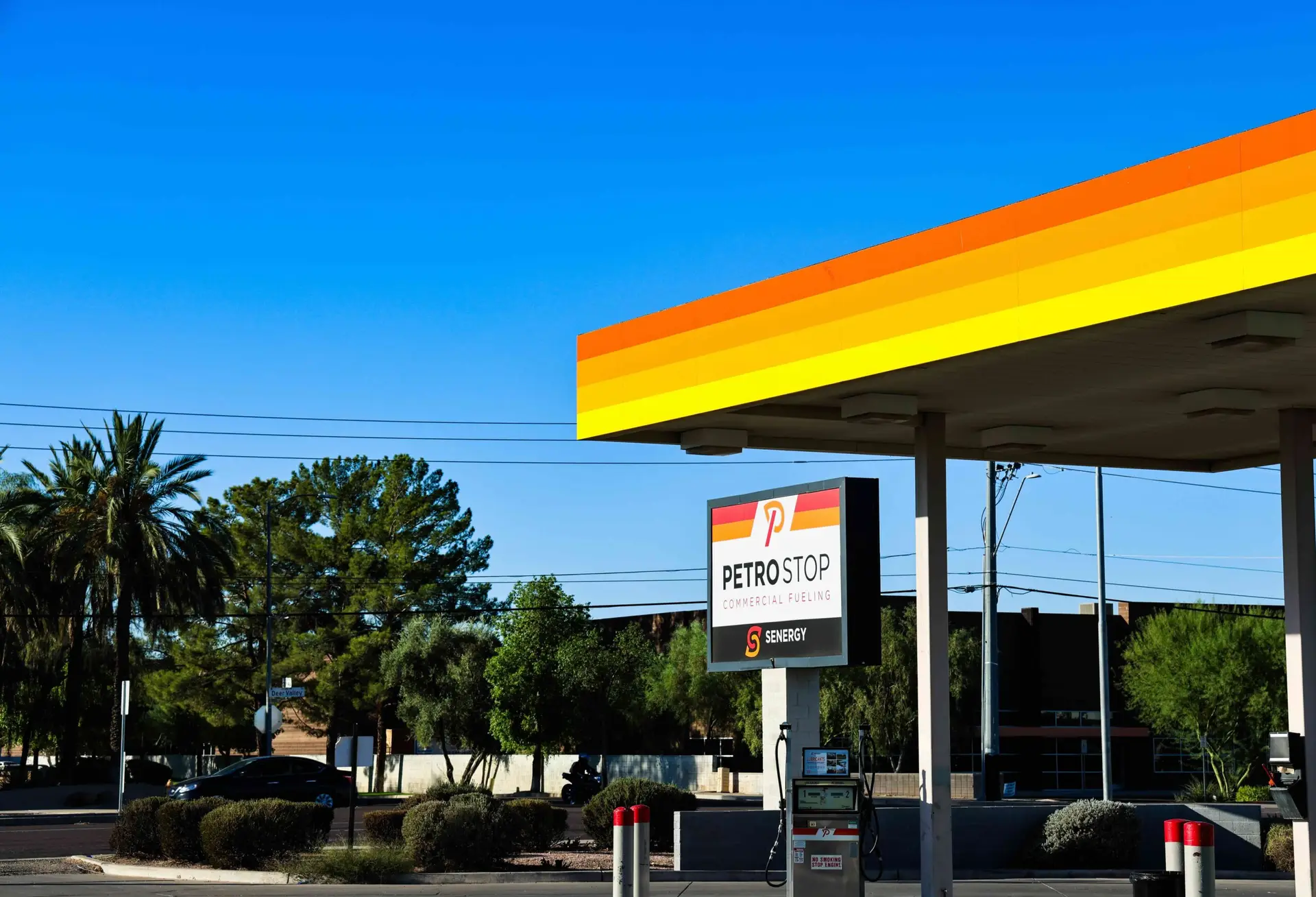
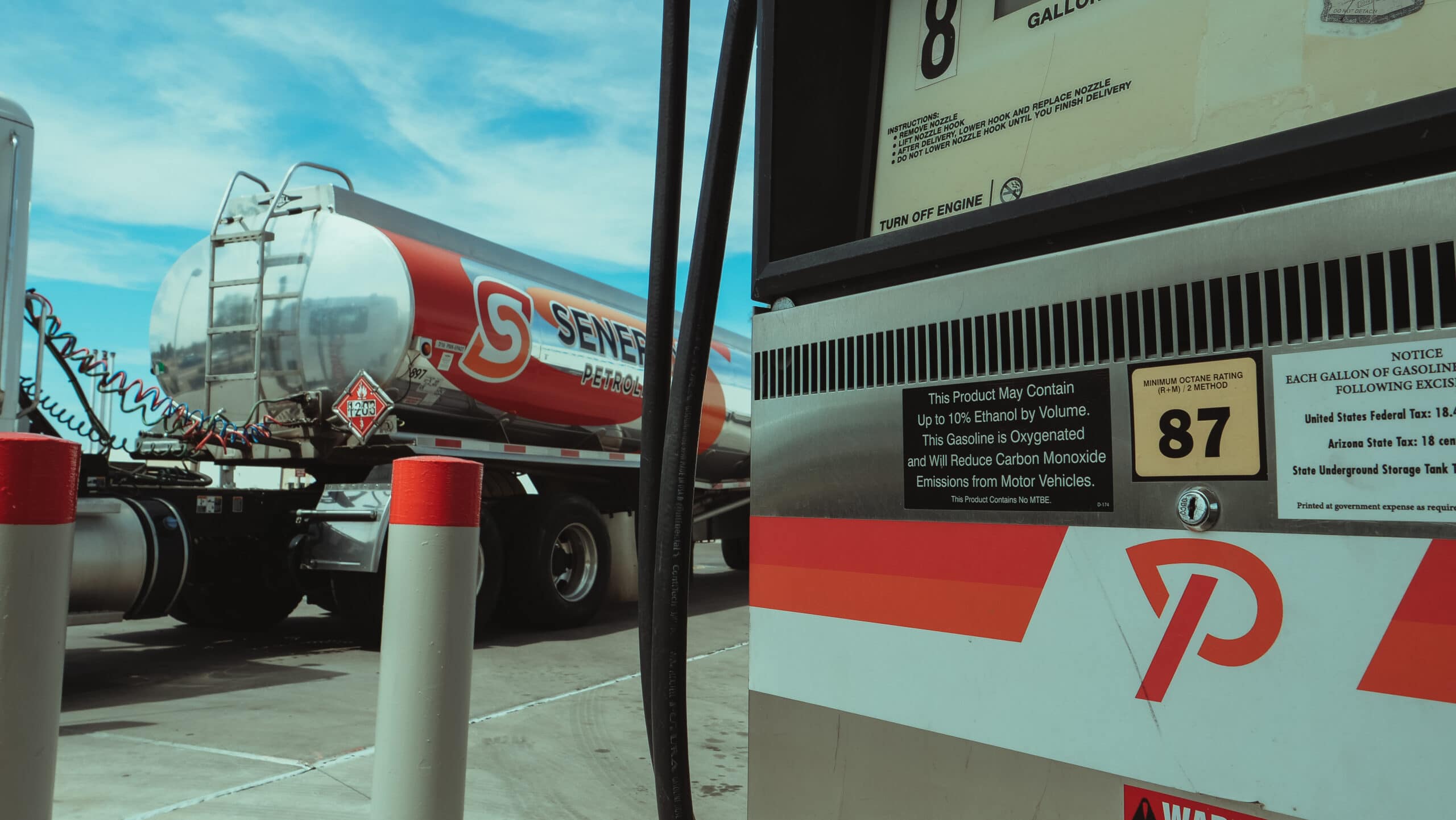
Dedicated cardlock access allows only authorized cards, key fobs, or PINs to activate fuel dispensers. Since each credential ties to a specific driver and vehicle, managers immediately detect irregular activity. Fleet managers can set alerts for unusual transactions, such as fueling outside approved hours, at unauthorized locations, or above established limits. Teams can investigate these alerts promptly, preventing small issues from escalating into larger financial losses.
Cardlock sites often operate in controlled environments with surveillance and restricted access. This physical oversight deters external theft and ensures all fueling occurs in monitored locations. Combining digital authorization with on-site security reduces the risk of fuel loss and unauthorized use while giving managers confidence in every transaction.
How Cardlock Fueling Turns Data Into Operational Insight
In today’s competitive operating landscape, data drives better decisions. A cardlock system does more than control fuel access—it generates valuable, actionable insight. Each fueling event is recorded with detailed data, including fuel volume, date and time, vehicle information, driver identification, and odometer readings. When reviewed over time, this information reveals patterns that would otherwise go unnoticed.
For example, unexpected increases in fuel consumption may point to inefficiencies along specific routes or issues with certain vehicles. Usage trends can also highlight drivers who consistently operate within expected fuel ranges, creating opportunities to establish best practices across the fleet. On the other hand, ongoing overuse may signal maintenance concerns or routing challenges that require attention.
This level of visibility also supports more accurate forecasting and budgeting. With a clear understanding of historical fuel usage and operational demand, organizations can better plan maintenance schedules, optimize asset utilization, and make informed fuel purchasing decisions. Data-driven insights allow leaders to move from reactive problem-solving to proactive operational planning.
How Cardlock Data Connects Operations, Finance, and Fleet Teams
Modern cardlock programs offer a major advantage: they integrate directly with broader fleet management systems. Organizations using tools for GPS tracking, maintenance scheduling, or dispatching can link fueling data to existing platforms, creating a unified technology environment where information flows seamlessly across teams.
For example, businesses can correlate fuel consumption with routes, idle time, and driving behaviors when they integrate fuel data with telematics. Managers can quickly identify patterns that drive up fuel costs or cause premature equipment wear. Connecting cardlock data to accounting systems also reduces manual entry and improves financial accuracy.
These integrations streamline operations by breaking down data silos and enabling teams to work from shared insights. IT teams maintain a single source of truth, operations teams access reports faster, and finance teams conduct cleaner, more efficient audits. Together, these capabilities create a more connected organization that responds quickly and confidently to changing operational demands.
The Future of Fuel Starts with Cardlock
As organizations grow, the need for stronger fuel control becomes more critical. Cardlock systems are designed to scale alongside operations, providing secure access, detailed reporting, and flexible controls that support long-term efficiency. With the ability to expand access points, manage multiple vehicles, and analyze usage data, businesses gain greater visibility and predictability over fuel spend.
By shifting fuel management from a manual task to a strategic function, cardlock programs help organizations improve oversight, control costs, and support smarter decision-making. For fleets of any size, cardlock fueling becomes a competitive advantage—turning everyday fueling into a reliable, data-driven asset.