Fleet Fueling Across State Lines: Managing Multi-State Operations
Fueling fleets that operate across multiple states has become increasingly complex. Trucking companies, delivery services, construction fleets, and municipal transit systems often operate under different jurisdictions, each with its own fuel taxes, regulations, and supplier networks. Managing these variables requires strategic planning and a reliable fueling network that can support vehicles wherever they operate.
Fuel remains one of the largest operational expenses in fleet management, making efficient fueling strategies essential for protecting profit margins. Fleet managers must coordinate fuel access during long routes, track fuel usage, and manage fuel tax reporting while ensuring vehicles remain supplied on the road. Industry research consistently shows that accurate fuel tracking and monitoring systems are critical for maintaining cost control and improving operational efficiency.
Operating across state lines also introduces logistical challenges such as regional price differences and inconsistent supplier availability. For this reason, many organizations rely on dependable fuel partners that provide consistent access to fuel regardless of location. Strong fueling partnerships help fleets maintain productivity and reduce costly delays caused by limited fuel access.
Knowing the Users of Multi-State Fuel Provider
A multi-state fuel provider plays an important role in supporting fleet operations that extend beyond a single geographic region. These providers coordinate fuel delivery, maintain fueling infrastructure, and manage fuel payment systems across multiple areas. The goal is to ensure that fleet vehicles can refuel efficiently regardless of where their routes take them.
Network accessibility is one of the primary advantages of partnering with a multi-state provider. Commercial fleets often require fueling stations along major highways, industrial hubs, and key distribution corridors. National fueling networks are designed to meet this need by providing consistent access points across broad regions. In North America, commercial cardlock networks offer fleet operators access to tens of thousands of fueling locations.
A strong fleet fueling network also reduces uncertainty for drivers when traveling through unfamiliar areas. At the same time, it allows fleet managers to monitor fuel purchases in real time, set spending controls, and review fuel consumption patterns to improve operational oversight.
Building an Effective Multi-State Fleet Fueling Network
Efficient multi-state fleet operations depend on a well-designed fueling network. Without reliable fueling infrastructure, fleets may face transit delays, route disruptions, or unnecessary detours. Developing an effective network requires strategically placing fueling locations along major logistics routes, interstate corridors, and industrial centers.
Long-haul transportation fleets rely heavily on highway fueling infrastructure. Research on heavy vehicle fueling systems shows that fueling facilities are commonly positioned along major highways to ensure consistent fuel access for commercial vehicles. This approach helps fleets maintain efficient travel routes while minimizing refueling interruptions.
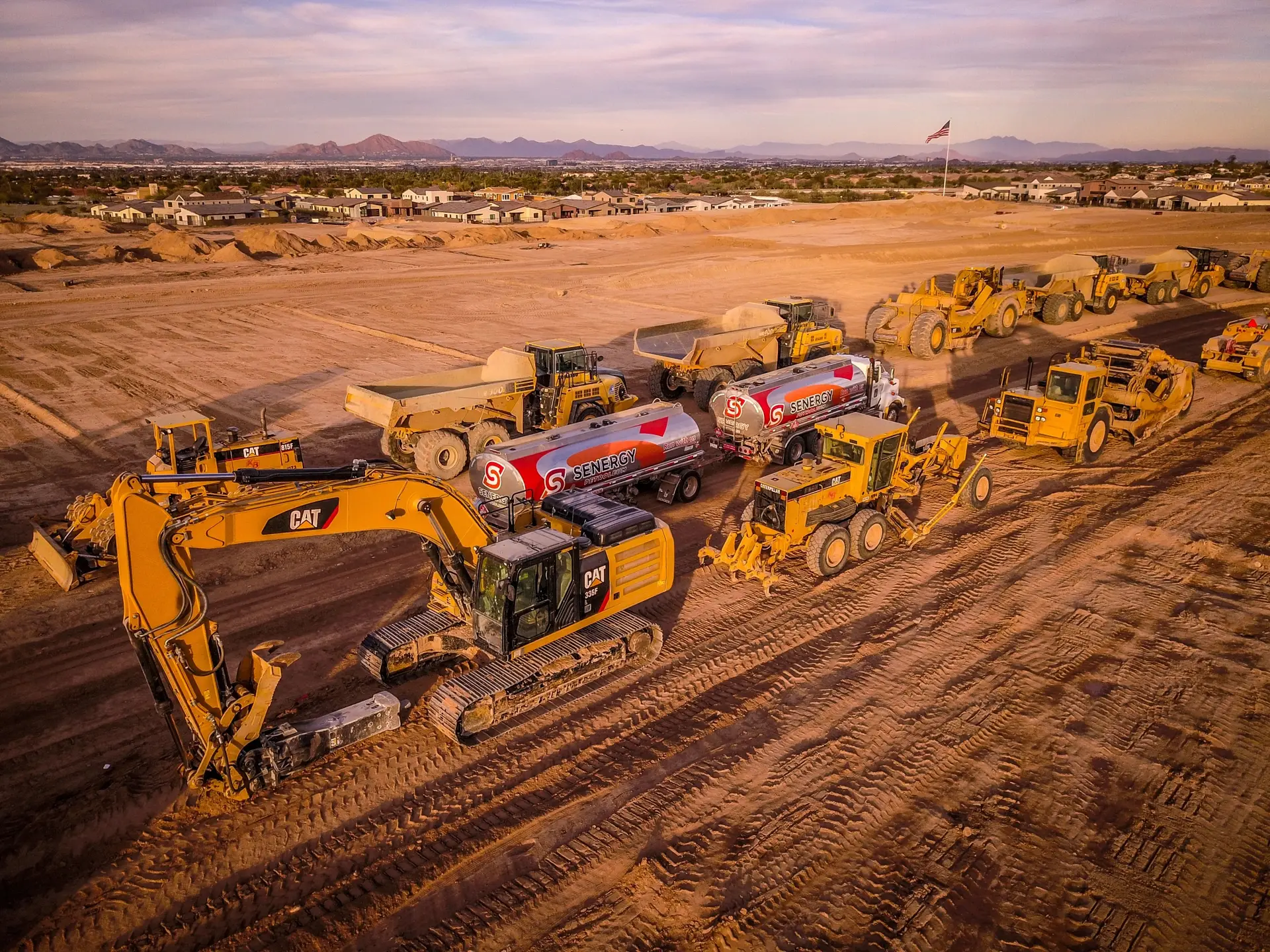
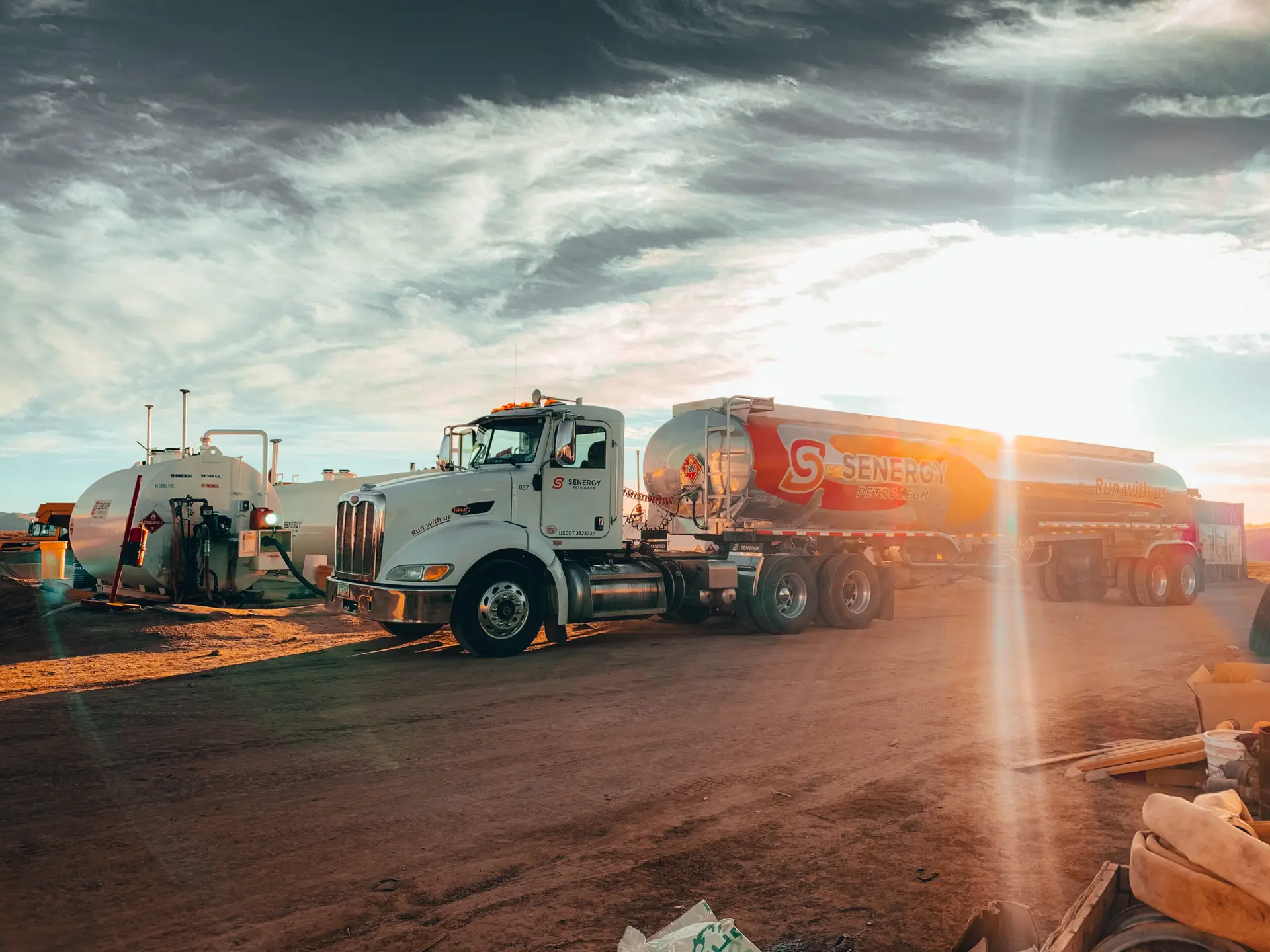
A strong fueling network typically includes a combination of retail stations, private cardlock locations, and mobile fueling services. These options give fleet operators the flexibility to operate effectively in urban areas, rural regions, or job sites such as construction locations.
An experienced commercial fuel provider can help businesses develop and manage these networks. By analyzing fleet routes, identifying potential fuel gaps, and determining high-demand locations, providers help ensure consistent fuel availability across multiple states.
Partnering with a reliable multi-state fuel provider creates a managed regional fueling system that supports consistent access across all operating areas. This structured approach helps maintain operational continuity and improves overall fleet efficiency.
Managing Compliance and Fuel Tracking for Multi-State Fleets
Operating fleets across multiple states introduces regulatory complexities that fleet managers must navigate. Different states maintain varying fuel tax structures, regulatory standards, and compliance requirements. These differences make cross-state fueling management more complex than operating within a single region.
Fuel tax reporting is one of the most significant administrative responsibilities for fleet operators. As vehicles travel across state lines, companies must track fuel purchases and mileage by state. Accurate data collection is essential to ensure proper reporting and avoid penalties.
Fuel management systems help address these challenges by automatically collecting fuel purchase data, tracking vehicle mileage, and generating the reports required for tax compliance. These systems also provide detailed analytics that allow organizations to monitor fuel usage and identify opportunities to reduce operational costs.
By implementing structured fuel management tools and processes, fleets can maintain compliance across multiple jurisdictions while improving visibility into fuel consumption and overall operational performance.
Using Technology to Improve Fleet Fuel Management
Technology has become a critical component of modern fleet fueling operations. As fleets expand and operate across multiple states, digital tools help managers track fuel consumption, control expenses, and maintain clear operational visibility.
Fuel management systems are among the most valuable technologies used in fleet operations. These systems track fuel purchases, monitor consumption patterns, and identify potential issues such as unauthorized fueling or excessive idling. Automated tracking improves accuracy while helping fleet managers reduce fuel waste and prevent misuse.
Telematics systems and fleet cards also support more efficient fueling practices. Drivers can refuel at designated locations within a fleet fueling network, while managers receive real-time transaction data. This visibility allows companies to enforce fueling policies and quickly identify irregular activity.
Route optimization software also plays an important role in multi-state fleet operations. By analyzing traffic patterns, delivery schedules, and fueling locations, these tools help fleets reduce unnecessary mileage and improve overall fuel efficiency.
Strategic Regional Fuel Supply Planning for Multi-State Fleets
For fleets operating across multiple states, regional fuel supply must be strategically planned to prevent operational disruptions. Without proper planning, fleets may encounter fuel shortages, inefficient routing, or inconsistent fuel pricing across regions.
The first step in regional supply planning is analyzing fleet routes and identifying high-demand fueling areas. Distribution hubs, major interstate corridors, and large metropolitan areas typically require greater fuel availability due to higher vehicle traffic. Positioning fueling infrastructure in these locations helps ensure drivers have consistent access to fuel throughout their routes.
Effective planning also involves forecasting fuel demand based on fleet size, vehicle type, and seasonal operational changes. For example, construction fleets may require increased fuel during peak project seasons, while delivery fleets often experience higher demand during major shipping periods.
A reliable multi-state fuel distributor plays a key role in maintaining consistent regional supply. These providers coordinate fuel deliveries, manage storage infrastructure, and monitor supply levels to ensure fleets remain fueled and operational across all service areas.
Choosing the Right Fuel Partner
Choosing the right commercial fuel partner is a critical decision for companies operating multi-state fleets. The right provider delivers more than fuel, offering strategic support, infrastructure, and technology that simplify complex logistics.
An effective partner provides access to an extensive fueling network that covers major operating regions, allowing drivers to refuel reliably along their routes. Consistent fuel availability helps reduce travel delays and improve route efficiency.
Reliability and technology integration are also essential. Strong supply capabilities, combined with tools for fuel tracking, reporting, and payment management, help fleets maintain consistent fuel access while improving visibility and cost control.