Cardlock vs. Retail Fueling: Which One Works Better for Fleets?
The way a business fuels its fleet directly affects operating costs, productivity, and driver efficiency. Choosing a fueling method is more than selecting where to swipe a card—it’s a strategic decision that shapes control, cost management, and time savings. This article outlines the advantages and limitations of common fueling options for companies managing multiple vehicles. It examines key factors such as refueling processes, administrative oversight, and day-to-day suitability for commercial drivers. The purpose is to help fleet managers evaluate their fueling approach and determine the solution that best supports their operational goals.
Choosing the Best Fueling Strategy for Your Fleet
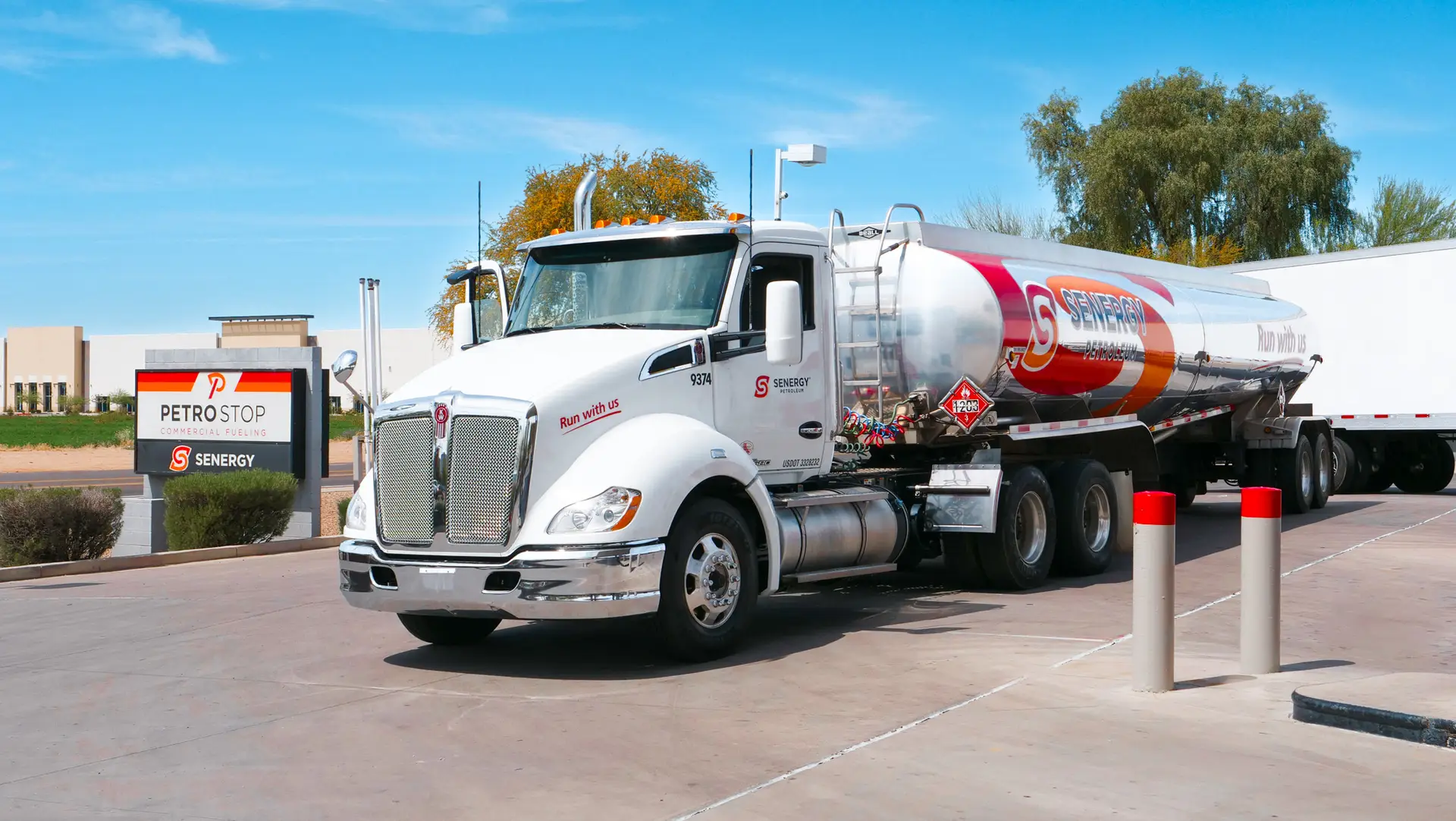
Cardlock fueling refers to specialized fueling sites built for commercial fleets. These locations operate 24/7 and require a fleet-issued card or transponder for access. While they typically do not include convenience store amenities, cardlock sites are engineered for efficient vehicle flow, automated transactions, and centralized billing. Drivers simply scan their fleet card, fuel up, and move on—no lines, no store entry, and minimal downtime. These sites are strategically located along major highways and high-traffic routes to support frequent and long-haul vehicle operations.
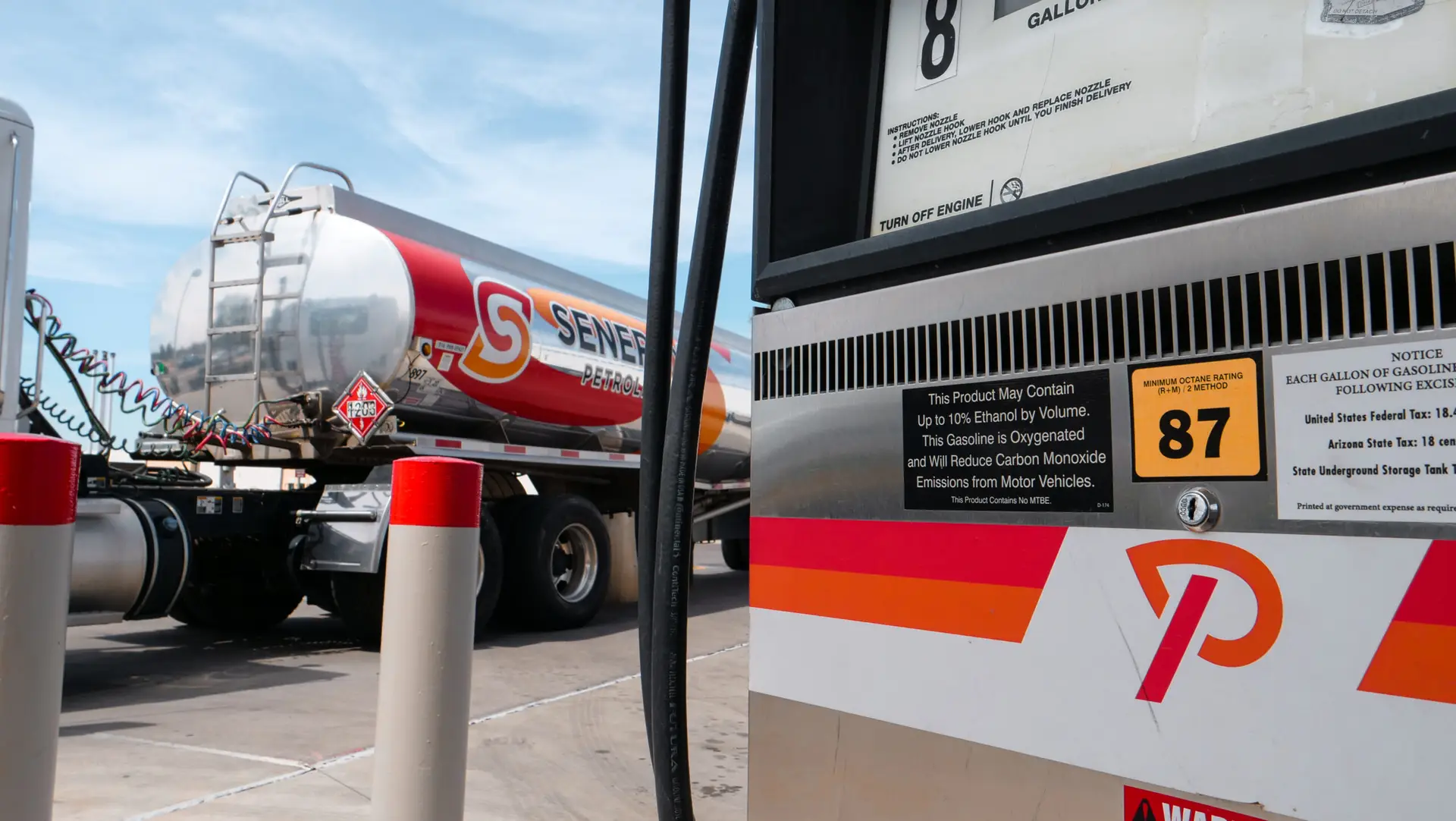
Retail fueling describes conventional gasoline or diesel stations used by everyday motorists. These stations are commonly found in cities, small towns, and neighborhood areas. They often provide convenience store features such as food, beverages, and basic services, but typically operate within standard business hours. Depending on the setup, drivers may need to enter the store to pay, purchase items, or use available services, adding time to each stop. While retail fueling is widespread, it offers less consistency in fuel availability, wait times, and pricing.
By understanding the strengths and limitations of each option, fleet managers can determine the fueling strategy and card program that best aligns with their operational goals.
How Cardlock Reduces Fueling Costs
Cost remains one of the most significant considerations for fleet operations. Cardlock stations secure bulk pricing from fuel suppliers, giving fleets access to wholesale discounts and helping them avoid retail markups. These savings can compound quickly, especially for businesses running large or high-usage fleets. When paired with fuel rebates and volume-based incentives, cardlock programs can further lower the cost per gallon. Centralized billing also streamlines cost tracking and helps prevent misuse or unauthorized spending.
Retail fueling, by contrast, is defined by fluctuating and often higher prices. Rates shift frequently based on location, market demand, and competitive pressure, making budgeting more difficult for fleet managers. Costs can spike in certain regions or during periods of increased demand, resulting in higher operational expenses. When drivers pay with personal cards or out of pocket, administrative work increases due to the need for reconciliation and reimbursement. While retail promotions occasionally offer savings, they are inconsistent and rarely match the advantages provided through cardlock pricing.
Price variability at retail sites can also create discrepancies in fuel quantities delivered, which may contribute to inefficiency, potential waste, or higher-than-expected consumption. Cardlock sites, with standardized equipment, consistent delivery practices, and predictable pricing, give fleet managers greater accuracy in forecasting and cost control. This makes cardlock fueling particularly appealing for large fleets where every cent per gallon influences the bottom line.
Stronger Control and Accountability with Cardlock Fueling
Enhanced control and accountability are among the strongest advantages of cardlock fueling. With a fleet-issued card or transponder, managers can track who fueled, when the transaction occurred, and the exact volume dispensed. This visibility helps prevent unauthorized use, fuel theft, and mismanagement. Centralized billing consolidates all fuel activity into a single monthly invoice, reducing paperwork and simplifying financial oversight. Every fueling event is recorded and verified, improving accuracy and helping fleets eliminate waste.
Retail fueling often lacks this level of oversight. When drivers use cash or personal payment methods, tracking becomes fragmented and reimbursement processes become time-consuming. Expense audits grow more difficult, especially if a driver fuels a personal vehicle or purchases non-fuel items during the same transaction. For fleets with multiple vehicles and drivers, maintaining accurate, consistent records becomes increasingly challenging.
Security is another key concern. Cardlock sites are typically secured with restricted access or gated entry, reducing the risk of unauthorized fueling or trespassing. Retail stations, open to the public, expose fleets to higher risks of fraud and theft. This lack of control can lead to unexpected losses, inconsistent fuel usage, and additional administrative work. The combination of restricted access, detailed transaction monitoring, and centralized billing makes cardlock fueling a disciplined and efficient solution—especially for large or long-term fleet operations.
Convenience and Accessibility for Fleet Operations
Convenience and accessibility play a major role in determining whether a fueling method is practical for fleet operations. Cardlock stations are typically located along major transportation corridors or within industrial zones, making them ideal for fleets covering wide territories, long-haul routes, or frequent delivery schedules. Their 24/7 availability ensures drivers are not restricted by operating hours or peak-time traffic. The fueling process is streamlined—pull in, authenticate with a fleet card, fuel up, and get back on the road. This efficiency minimizes downtime and supports drivers working tight schedules.
Retail stations, on the other hand, are more dispersed and may not align with preferred routes. Drivers often need to divert into towns or commercial areas, search for an available pump, or wait in line during busy periods. While amenities such as restrooms, snacks, and beverages may be helpful, they can also lengthen each stop. Limited pump availability, high traffic, and payment lines add further delays. This unpredictability can slow operations, disrupt planned schedules, and complicate time-sensitive deliveries.
Accessibility also directly influences route planning. When drivers must deviate from primary routes to find retail fuel, fleets may experience increased mileage, longer road time, and reduced efficiency. A strategically positioned cardlock network allows for more accurate routing, fewer detours, and more reliable scheduling. For fleets focused on optimized routes and consistent refueling access, cardlock fueling offers a clear operational advantage.
Convenience and Accessibility on the Road
Convenience and accessibility play a major role in determining whether a fueling method works for fleet operations. Cardlock stations are strategically positioned along major transportation corridors and within industrial zones, making them well-suited for fleets covering wide territories, long-haul routes, or frequent delivery schedules. Their 24/7 availability ensures drivers are not limited by station hours or peak traffic. The fueling process is straightforward—pull in, authenticate with a fleet card, fuel up, and get back on the road. This efficiency reduces downtime and supports drivers operating on tight timelines.
Retail stations, however, are more dispersed and may not align with preferred routes. Drivers often need to divert into towns or commercial areas, search for an available pump, or wait in lines during busy periods. While amenities such as restrooms, snacks, and beverages can be beneficial, they add time to each stop. Limited pump availability, crowded sites, and lengthy payment lines can create additional delays. This unpredictability slows operations, disrupts schedules, and complicates time-sensitive deliveries.
Accessibility also directly affects route planning. When drivers must deviate from primary routes to find retail fuel, fleets may experience extra mileage, increased travel time, and reduced efficiency. A well-placed cardlock network supports more accurate routing, fewer detours, and reliable scheduling. For fleets focused on optimized routes and consistent access to fuel, cardlock fueling delivers a clear operational advantage.
Streamlined Administration and Reporting
Managing a fleet involves far more than keeping vehicles on the road—it requires strong administrative systems and reliable reporting. Cardlock fueling simplifies many of these responsibilities. Because every transaction is tied to a fleet card or transponder, fuel data is automatically captured. Fleet managers receive consolidated reports that detail consumption by vehicle, driver, and time period. This information is essential for tracking performance, auditing usage, planning budgets, and identifying irregularities. It also supports accurate forecasting and helps optimize inventory management, reducing the risk of under- or over-ordering fuel.
Retail fueling, by comparison, increases administrative workload. When drivers purchase fuel at multiple retail stations, data collection becomes fragmented. Managers must gather receipts, reconcile expense claims, and verify fuel amounts against specific vehicles. This manual process is prone to errors, omissions, and inconsistencies. The additional work increases administrative costs and consumes valuable staff time. Poor data consistency also makes it harder to identify unusual fuel usage, unauthorized transactions, or operational inefficiencies. Maintaining compliant and accurate records becomes more challenging when information is scattered across multiple sources.
Compliance requirements can also become more difficult to manage. Cardlock fueling offers transparent billing and a clear audit trail, making oversight straightforward. Retail fueling, on the other hand, often leads to inconsistent records and disorganized receipts that complicate audit processes and internal reviews. These administrative burdens can quickly offset any perceived savings from retail purchases. Cardlock fueling provides a scalable, centralized system that reduces paperwork and simplifies fleet reporting.
Choosing the Right Fueling Strategy
Fleets do not need to choose exclusively between cardlock and retail fueling. Many benefit from a hybrid approach—using cardlock for routine, high-volume routes and retail sites for quick or unpredictable stops. This balance supports convenience, cost control, and operational flexibility.
When evaluating fueling options, fleet managers should consider route patterns, fuel volume, administrative capacity, and price volatility. Cardlock delivers the greatest value for high-usage fleets with consistent routes, while retail fueling may fit fleets with low or irregular usage.
The true cost of fueling goes beyond price per gallon. Time savings, administrative efficiency, and consistency all influence long-term value. For many operations, cardlock provides a strong return through reduced costs and improved oversight, while retail or hybrid models can still meet the needs of fleets that require added flexibility. The right strategy depends on fleet size, schedules, and overall business goals.