Cardlock vs. Retail Fueling: What Fleet Managers Should Consider
Fleet management involves decisions that directly impact operational efficiency and overall financial performance. One of the most critical considerations for fleet managers is selecting the right fueling strategy. How a fleet is fueled affects driver satisfaction, vehicle availability, reporting accuracy, and cost control. Because fuel represents one of the largest controllable expenses in fleet operations, long-term success depends on making informed, strategic fueling decisions.
Two primary fueling strategies dominate commercial fleet operations: cardlock networks and retail fueling stations. Cardlock systems have become widely adopted among large commercial fleets due to the operational advantages they provide. Retail stations remain common because of their accessibility and convenience. Each approach offers distinct benefits and trade-offs related to pricing, convenience, control, technology integration, and data visibility.
Understanding these differences allows fleet managers to fuel vehicles efficiently, securely, and cost-effectively. Evaluating fueling options based on budget, usage patterns, geographic coverage, and reporting requirements leads to stronger operational outcomes. The right fueling solution increases vehicle uptime, improves route planning, and strengthens accountability between drivers and administrators.
Why Cardlock Fueling Delivers Greater Control for Commercial Fleets
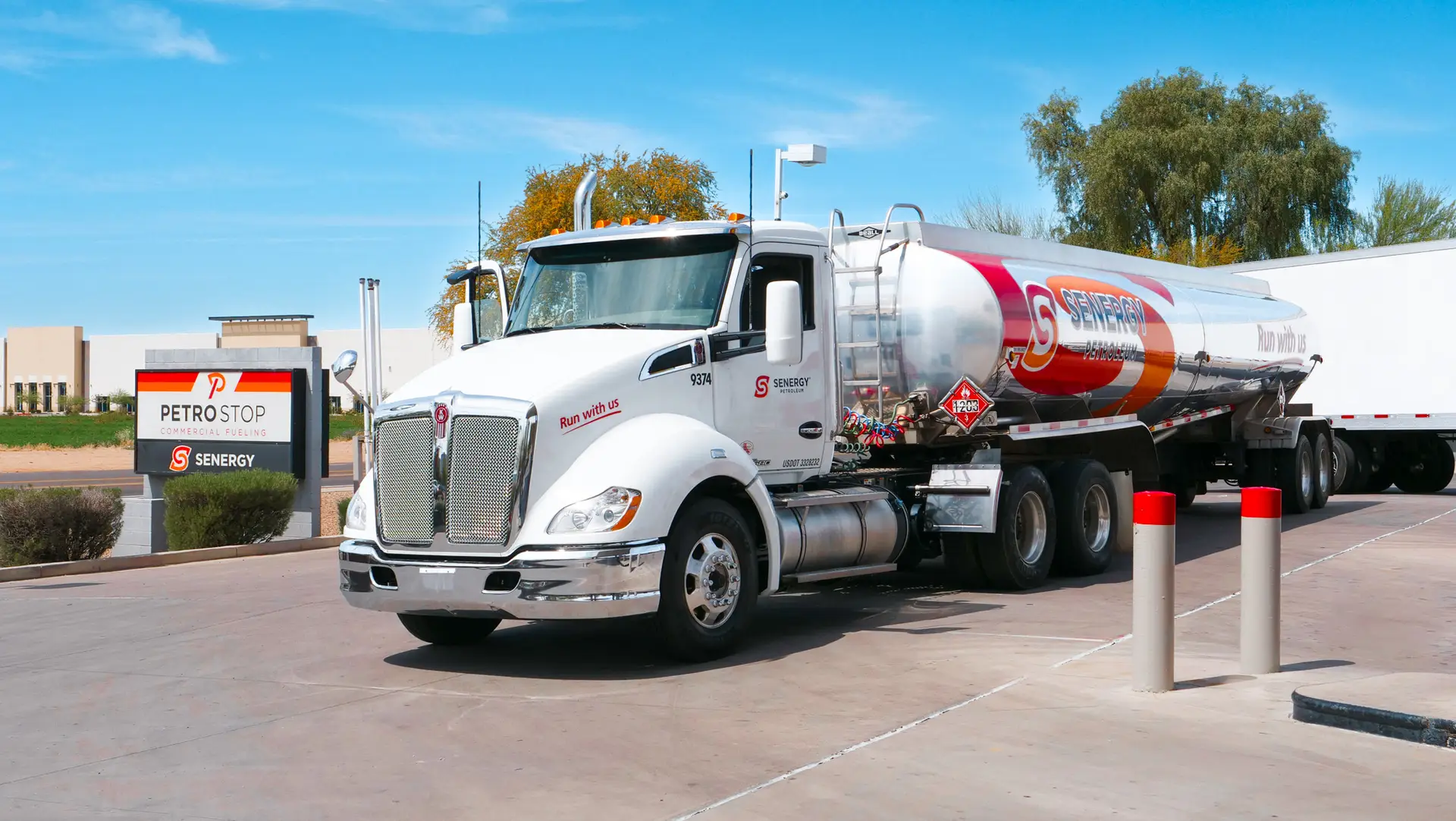
Cardlock fueling stations are designed specifically to serve commercial fleets. These locations typically operate 24 hours a day and restrict access to authorized fleet personnel through secure fuel cards. This infrastructure allows for streamlined fueling without the need for cashiers or retail transactions, supporting faster and more controlled operations.
Cost control is one of the primary reasons fleet managers choose cardlock networks. These systems often provide centralized pricing agreements, reducing the variability commonly experienced at retail stations. Managers can negotiate consistent pricing across multiple locations, protecting their fleet from fluctuating pump rates and improving budget predictability.
Cardlock networks also deliver detailed transaction-level reporting. Each fueling event automatically captures data such as driver identification, vehicle number, odometer readings, and gallons dispensed. This level of visibility enables managers to monitor usage trends, detect irregularities, and strengthen internal accountability. In contrast, retail receipts typically provide limited information, making comprehensive reporting and oversight more challenging.
Retail Fueling for Fleets: Accessibility with Cost Considerations
Retail fueling remains a common option for fleets, particularly those with smaller vehicle counts or mixed-use operations. The widespread availability of gas and diesel stations along highways, in urban centers, and throughout rural areas often exceeds the footprint of cardlock networks. This accessibility provides flexibility for drivers traveling across diverse regions and operating on varying schedules.
A primary advantage of retail fueling is geographic coverage. Regardless of route, most fleets can access a retail station within a reasonable distance—an important consideration for operations spanning large service areas. Many retail locations also offer amenities such as restrooms, food services, and truck stop facilities, which can enhance driver convenience during long shifts.
However, retail fueling presents challenges in cost control. Public fuel prices fluctuate frequently based on brand, timing, and regional market conditions. Unlike cardlock networks, retail stations typically do not offer standardized, negotiated pricing structures tailored to fleet programs. Over time, this variability can increase overall fuel spend, particularly for high-mileage operations.
Operational Advantages of Cardlock Fueling for Fleet Performance
When evaluating fueling infrastructure, it is important to fully understand the operational advantages of cardlock networks. The benefits extend well beyond pricing and directly support overall fleet efficiency and accountability.
Cardlock systems deliver precise fuel tracking. Each transaction automatically records critical data points, including vehicle identification, driver credentials, odometer readings, and gallons dispensed. This structured data provides fleet managers with clear visibility into consumption patterns, enabling more accurate forecasting, budgeting, and performance analysis.
Pricing stability is another key advantage. Cardlock networks typically offer predetermined or contract-based pricing, reducing exposure to daily pump fluctuations. Consistent pricing improves cost predictability and simplifies long-term financial planning.
Security also plays a central role. Access is restricted to authorized drivers and approved vehicles, significantly reducing the risk of unauthorized fueling and fuel fraud—issues that are more difficult to control in traditional retail settings.
In addition, many cardlock locations offer value-added services such as DEF dispensing, tire air stations, and fleet wash bays. These integrated services allow drivers to complete routine tasks efficiently, minimizing downtime and keeping vehicles on the road.
Comparing Cardlock and Retail Strategies
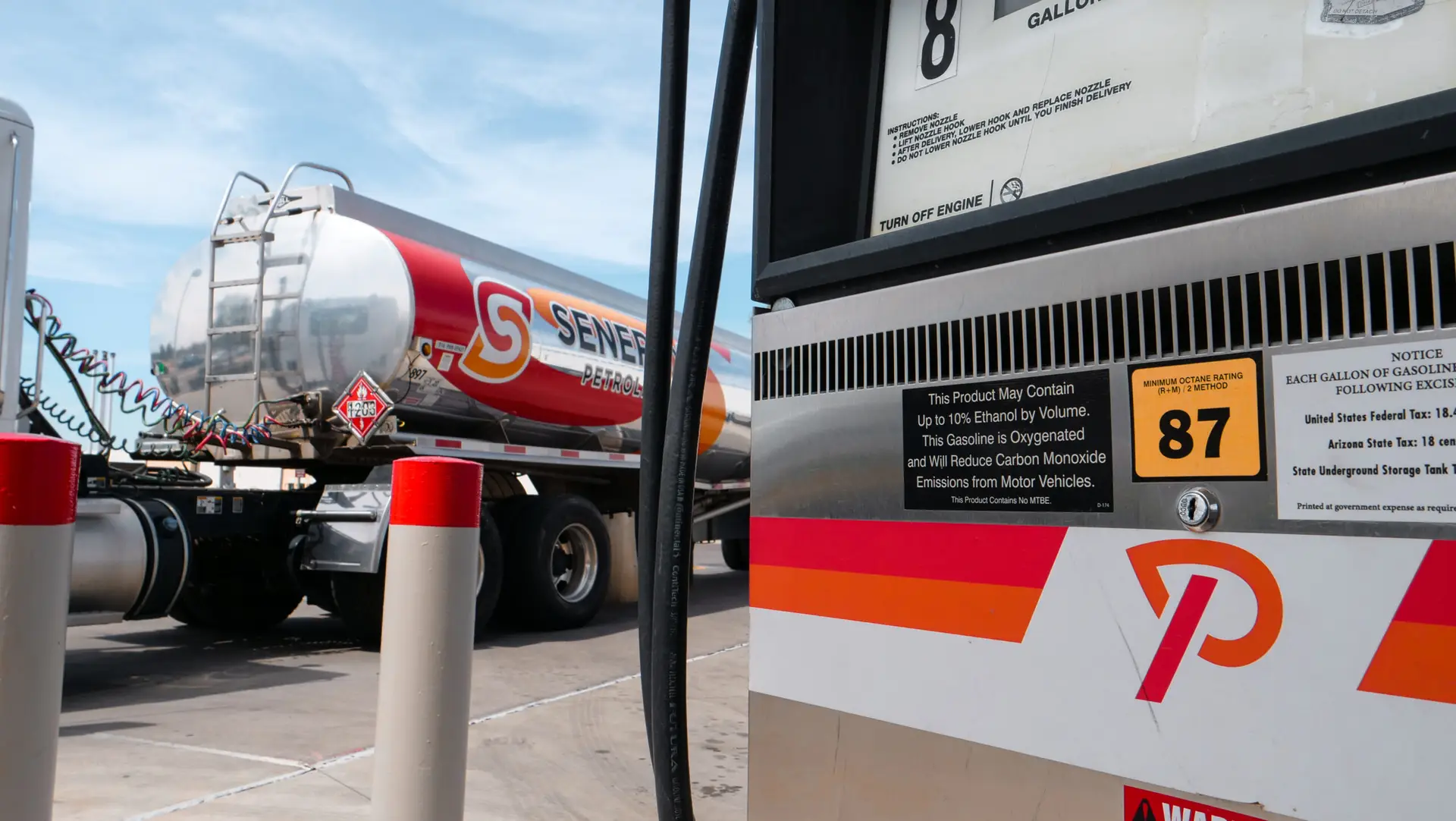
A central component of any fleet strategy is fuel control—the ability to manage and reduce fuel costs without compromising service performance. The differences between cardlock networks and retail fueling become especially clear when evaluating cost oversight and operational control.
Retail fuel prices reflect market conditions, regional competition, and brand positioning. While drivers benefit from convenience, fleet managers face fluctuating costs that cannot typically be negotiated at scale. Manual receipt tracking and inconsistent transaction data further complicate reporting accuracy, making it more difficult to identify overspending or misuse.
In contrast, cardlock systems often operate under fixed-rate or contract-based pricing structures that leverage volume purchasing and network efficiencies. This consistency simplifies budgeting and reduces exposure to local or seasonal price volatility. When combined with detailed transaction data, managers can quickly identify outliers, monitor driver behavior, and optimize fueling practices.
Administrative efficiency also plays a significant role in cost control. Cardlock systems automatically generate digital transaction records, eliminating the need for paper receipt management. These records can integrate with payroll systems, support fuel tax reporting, and reduce administrative labor—further strengthening overall cost management.
Aligning Fleet Fueling Strategy with Geographic Demands
Selecting the right fleet fueling option requires a clear understanding of geographic coverage and operational demands. A solution that performs well in one region may not be as effective in another, particularly for fleets that travel long distances or operate in remote areas.
Cardlock networks are typically concentrated along major transportation corridors, making them well suited for intercity and highway-based fleets. Strategically located cardlock stations help reduce out-of-route fueling and support more efficient route planning. However, in areas with limited commercial fueling infrastructure, retail stations may offer broader coverage—often at a higher and less predictable cost.
Operational patterns also influence the decision. Fleets operating on predictable routes or utilizing centralized fueling hubs often benefit most from cardlock networks. In contrast, fleets serving dispersed residential or rural routes may rely more heavily on retail stations to maintain flexibility.
Regional tax structures, fuel regulations, and reporting requirements can also affect pricing and administrative complexity. In these cases, fueling strategy becomes more than a cost decision—it becomes a matter of operational compliance and reporting efficiency.
Leveraging Fueling Data to Optimize Fleet Operations
Data plays a critical role when evaluating cardlock advantages and selecting the optimal fleet fueling strategy. Modern fleet operations rely on accurate, consistent information, and fueling systems are no exception. Whether using cardlock networks or retail stations, maintaining clean and reliable records is essential for informed decision-making.
Cardlock systems often integrate with software platforms that consolidate fueling data into actionable dashboards. These platforms allow managers to track trends, compare driver performance, analyze routes, and forecast fuel demand. When organized effectively, this digital ecosystem improves cost control by highlighting inefficiencies and enabling timely corrective actions.
Retail fueling data requires stricter policies for collection and digitization. Tools such as mobile capture devices, automated OCR (optical character recognition), and backend reconciliation systems help centralize retail fueling information. Without such integration, managers risk blind spots that compromise reporting accuracy and increase operational costs.
Advanced analytics can also detect abnormal patterns, such as unexpected fueling events, unusually high consumption for certain vehicle types, or sudden shifts in usage trends. Identifying these issues early supports proactive interventions, preventing problems before they escalate and enhancing overall fleet efficiency.
Balancing Cardlock and Retail Strategies
There is no one-size-fits-all approach to fleet fueling. Cardlock networks excel in cost control, transaction accuracy, and data visibility, while retail stations provide coverage, accessibility, and flexibility where cardlocks are limited. The most effective fleets combine both strategies, leveraging technology, data capture, and ongoing analysis to maximize uptime, control costs, and enhance overall performance.