
Choosing the Right Motor Oil for Mixed Fleets
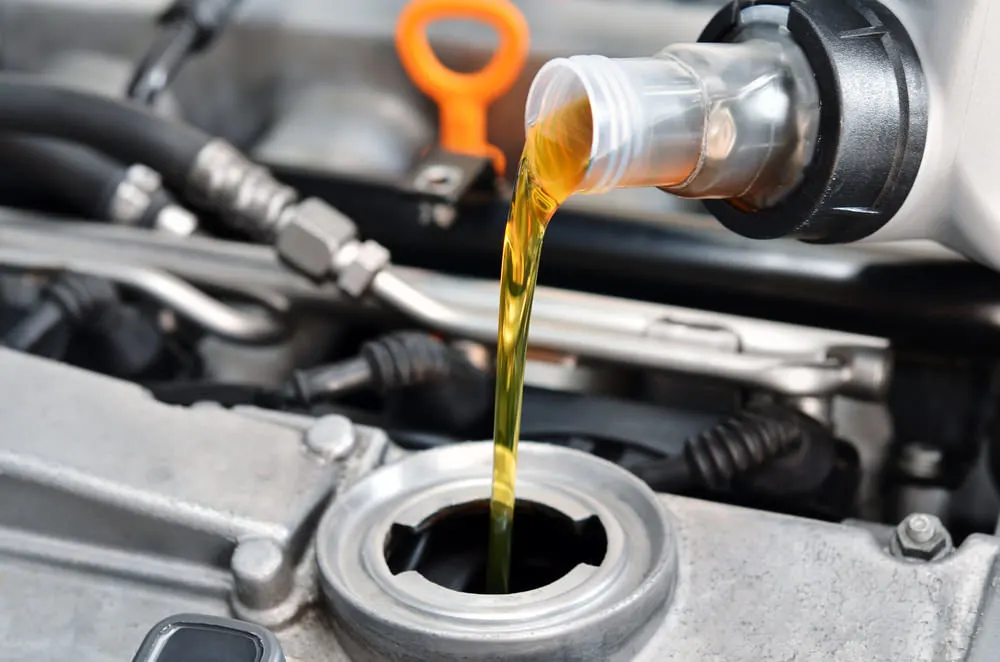
Fleet operators often manage vehicles with different engine types, including gasoline and diesel-powered equipment. This variation creates challenges when selecting the appropriate motor oil for the entire fleet. The right lubricant must perform reliably across engines operating under varying loads, temperatures, and duty cycles. Motor oil plays a critical role in reducing friction, cleaning internal components, preventing corrosion, and maintaining engine efficiency. It forms a protective layer on moving parts that helps minimize wear and heat, supporting smooth and dependable engine operation.
Lubrication management becomes more complex with mixed fleets because diesel trucks, light-duty vehicles, and heavy equipment often have different lubrication requirements. Diesel engines typically operate under higher pressure and temperature than gasoline engines, making the selection of diesel engine oil especially important. An effective lubricant must balance viscosity, additive technology, and thermal stability to provide consistent protection across multiple vehicle types.
Understanding Mixed Fleet Lubrication for Modern Operations
Mixed fleet lubrication refers to the use of engine oils formulated to perform effectively across a wide range of engine types, including diesel and gasoline engines. Many transportation companies operate fleets that include heavy-duty trucks, delivery vans, and service vehicles. Instead of managing multiple lubricants, many organizations prefer a single fleet motor oil capable of supporting diverse equipment.
This approach has become increasingly common as fleets seek to simplify operations and control maintenance costs. Storing multiple types of oil increases the risk of incorrect application and requires additional storage space and inventory management. A high-quality heavy-duty engine oil can help address these challenges by meeting the performance requirements of both diesel and gasoline engines.
Modern lubricants are formulated with advanced additive packages that enhance wear protection, oxidation resistance, and detergent performance. These additives help maintain cleaner engines and support consistent lubrication under demanding operating conditions. For fleet managers, this allows the use of a single high-quality oil across multiple vehicles, helping improve operational efficiency and reduce downtime.
Major Differences between the Diesel Engine Oil and the Gasoline Engine Oil
The diesel engine oil and the gasoline engine oil are not the same, in spite of the fact that both engines require lubricants. The diesel engines have higher compression ratios and produce more soot and heat during combustion. Consequently, diesel engine oil should have more power detergent and dispersant additives to cope with the accumulation of soot and keep the engines clean.
Diesel engines also have heavy oil, which needs to be of high quality in terms of stability of viscosity. These engines can be run over long durations with heavy loads and this exerts very strong stress to the lubricant. A good diesel engine oil will not change its viscosity when there is a high pressure and temperature, thus providing a good protection of the engine parts.
Gasoline engines however tend to have lower compression ratios and less soot. Their oils are more concentrated on fuel consumption, less friction and deposit coverage. Nevertheless, the gap has been filled in by the modern mixed fleet lubrication technology which produced oils that perform both as diesel and gasoline oils.
Key Factors to Consider When Selecting Fleet Motor Oil
Selecting the right fleet motor oil requires careful consideration of several factors. One of the most important considerations is manufacturer specifications. Original equipment manufacturers (OEMs) provide lubrication guidelines that should be followed to maintain engine performance and support warranty requirements.
Operating conditions also play a significant role in lubricant selection. Fleets operating in extreme temperatures, dusty environments, or long-haul transportation routes require oils with strong thermal stability and oxidation resistance. Heavy-duty oils formulated for severe service are designed to perform reliably under continuous high-load conditions.
The age and type of vehicles within the fleet are additional factors to evaluate. Older engines and newer engines equipped with advanced emission control systems may require different viscosity grades. Selecting a versatile diesel engine oil that meets multiple industry standards can help simplify lubrication management across mixed fleets.
Fuel efficiency and oil drain intervals are also important considerations. Some advanced lubricants are formulated to support extended oil change intervals while maintaining reliable engine protection. This approach can help reduce maintenance downtime and support consistent fleet availability.
The Role of Heavy-Duty Oil in Fleet Performance
Heavy-duty oil plays a central role in effective fleet lubrication. These lubricants are formulated to perform under the high temperatures, heavy loads, and extended operating hours common in commercial vehicles. Their robust formulations provide strong wear protection and help control engine deposits that can reduce performance over time.
For fleets operating heavy trucks, construction equipment, or long-haul vehicles, heavy-duty oil is essential for maintaining reliability. Diesel engines generate significant levels of soot and combustion byproducts. Without proper lubrication, these contaminants can accumulate and contribute to engine wear or reduced efficiency. High-quality diesel engine oils contain additive packages designed to disperse soot particles and help keep internal components clean.
Heavy-duty oils can also contribute to improved fuel efficiency by reducing internal engine friction. Modern lubricant formulations are designed to support smoother engine operation and reduce energy loss within the engine. For large fleets, these performance benefits can translate into meaningful operational cost savings.
Benefits of Using One Oil Across Mixed Fleets
Using a single oil formulation across multiple engine types is an effective strategy in fleet management. Mixed fleet lubrication solutions are designed to meet the performance requirements of both diesel and gasoline engines, allowing fleets to streamline their lubrication programs.
A single fleet motor oil simplifies inventory management. Instead of storing multiple lubricants, fleet operators can maintain one product that supports a range of vehicles. This approach reduces storage costs and lowers the risk of using the incorrect oil during routine maintenance.
Another advantage is improved operational efficiency. When only one lubricant is required, maintenance teams can complete oil changes more quickly and consistently. This helps reduce service time and keeps vehicles operating longer. For organizations that depend on reliable fleet performance, minimizing service interruptions is a key operational priority.
Current Lubrication and Engine Protection
Advancements in lubricant technology have improved how fleet motor oils are formulated. Modern oils use high-performance base stocks and advanced additive packages designed to perform under demanding operating conditions, allowing a single heavy-duty oil to support multiple engine types.
Additives play a key role in mixed fleet lubrication. Detergents help prevent sludge buildup, dispersants manage soot in diesel engines, and anti-wear additives protect metal components by reducing friction.
Improved oxidation stability is another major benefit. Modern diesel engine oils are formulated to resist breakdown during high temperatures and extended operation, helping maintain viscosity and extend service life. Synthetic and semi-synthetic oils further enhance performance by providing strong thermal stability and consistent lubrication across varying operating conditions.