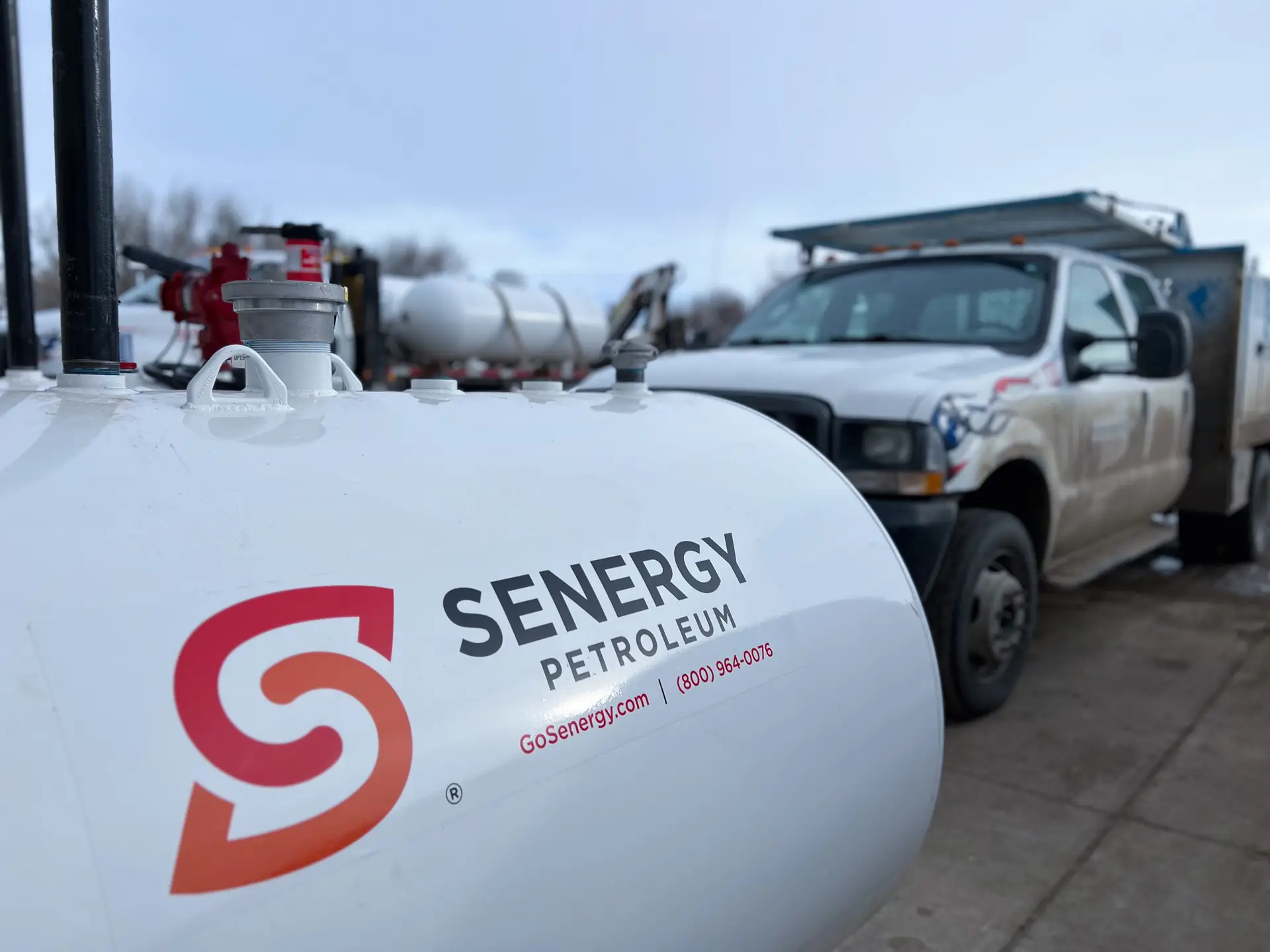
Cold weather is tough—but it’s especially hard on diesel engines. If you manage a fleet, run a job site, or operate an auto shop, winter can cause serious setbacks if your fuel isn’t prepared for the drop in temperature.
Diesel struggles in the cold without proper treatment. That’s where winter additives make all the difference. If you’ve ever dealt with a no-start engine on a freezing morning or watched operations stall because of fuel gelling overnight, you know the cost of being unprepared. Here’s what every commercial buyer needs to know about protecting diesel fuel through the winter months.
Winter weather varies widely across the country, but one thing remains true everywhere: cold temperatures can cause serious problems for diesel fuel. Even in regions that don’t experience extreme cold, sudden drops in temperature—especially overnight—can lead to diesel fuel gelling and clogging engines.
When temperatures fall, the natural waxes in diesel begin to crystallize, thickening the fuel and restricting flow through filters and lines. This can cause engines to stall or fail to start, leading to costly downtime for fleets, construction sites, and other operations. No matter where you’re located, preparing your diesel fuel for winter is essential to keep your equipment running smoothly all season long.

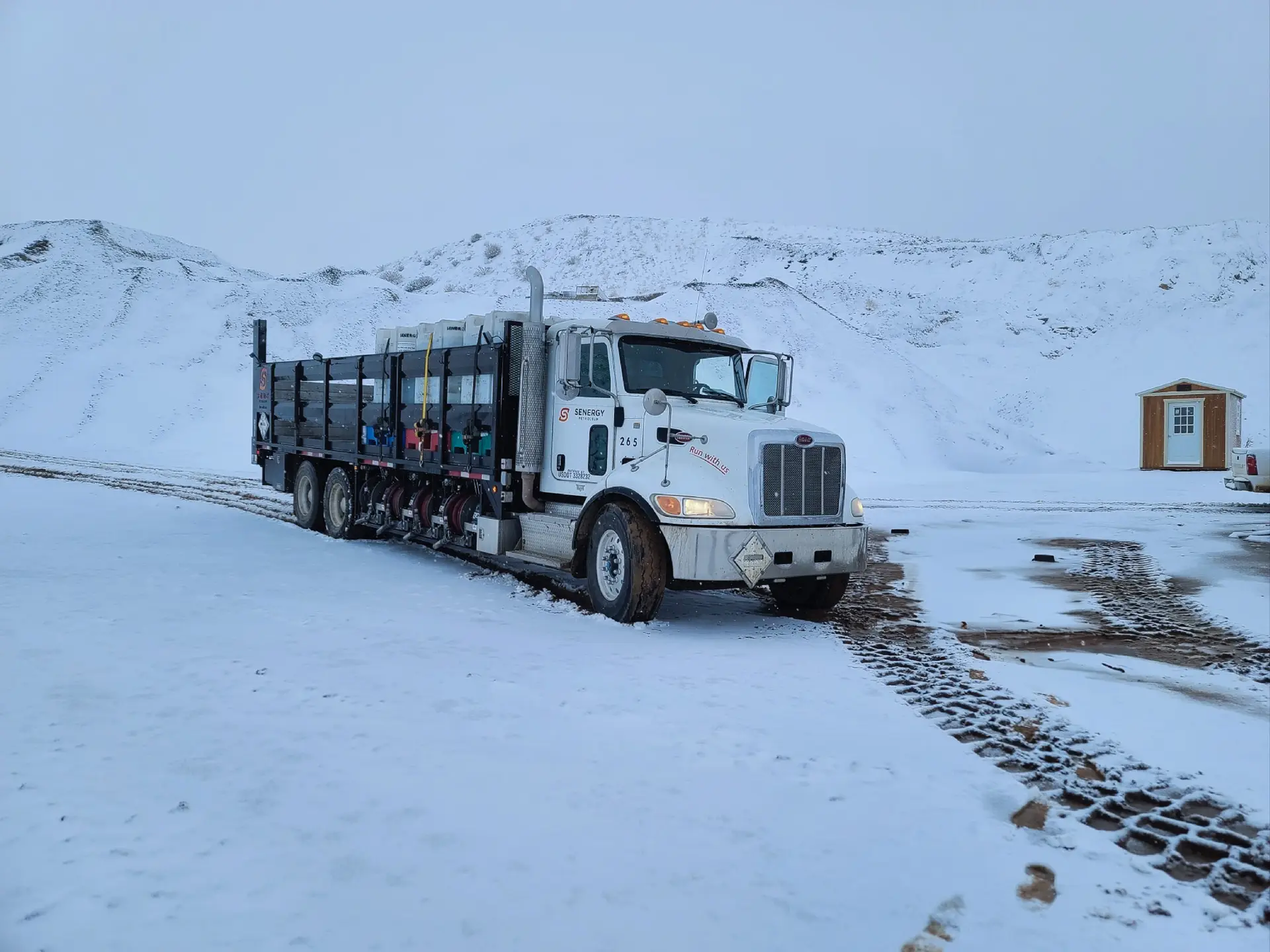
Diesel fuel naturally contains paraffin wax, a substance that remains dissolved when the fuel is warm but begins to crystallize as temperatures drop. This crystallization process causes the wax to clump together and thicken the fuel, creating a gel-like substance that can clog fuel lines, filters, and injectors. This phenomenon, commonly known as “gelling,” makes it extremely difficult for diesel to flow smoothly through your equipment’s fuel system. Think of it like trying to pour honey straight from the fridge—it’s thick, slow-moving, and stubbornly resistant to flow.
For commercial buyers, the stakes are high when diesel fuel isn’t properly treated for winter conditions. Gelling can lead to engines that stall unexpectedly or fail to start at all, causing costly downtime and delayed projects. Beyond just operational setbacks, untreated diesel can result in expensive repairs due to clogged filters and damaged injectors. For businesses relying on tight schedules and heavy equipment, these issues mean missed deadlines, lost revenue, and plenty of frustration. Taking preventative measures with the right winter additives can save your fleet from these common—but avoidable—headaches.
The good news? Winter diesel additives can help you avoid costly fuel problems and keep your operations running smoothly all season long. But not all additives are created equal, and selecting the right one depends on your specific needs and conditions. Here’s a breakdown of the main types of winter diesel additives every commercial buyer should consider:
Anti-gel additives are your frontline defense against fuel gelling. They work by lowering the temperature at which wax crystals begin to form, ensuring your diesel flows smoothly even as the mercury dips below freezing. Many fleet managers rely on these additives to prevent morning startup issues and unexpected downtime during winter months.
If your operations face extreme cold—especially in northern climates or high-elevation job sites—cold flow improvers offer an extra layer of protection. These additives enhance fuel flow at sub-zero temperatures, preventing thickening and clogs that can stop equipment cold. For machinery that sits idle overnight in freezing conditions, cold flow improvers can be a game-changer.
Starting engines in cold weather can be a struggle. Cetane improvers boost the ignition quality of diesel fuel, helping engines fire up faster and with less strain. This not only reduces wear and tear but also cuts down on fuel waste during cold starts. Commercial fleets in harsh climates have reported noticeable improvements in engine responsiveness after adding cetane boosters.
Water in diesel tanks is a hidden threat, especially during winter when condensation builds up inside fuel tanks. When this water freezes, it can block fuel lines and cause equipment failures. Water dispersants break water into tiny particles that safely pass through your fuel system, protecting against freeze-related blockages. This is especially important for equipment or backup generators that may sit unused for extended periods.

Not all diesel engines face the same challenges when winter hits. The type of equipment you operate—whether delivery trucks, heavy construction machinery, or service vehicles—affects what kind of fuel protection you’ll need to keep things running smoothly.
For example, if your fleet consists mostly of delivery trucks making frequent daily trips, a standard anti-gel additive might provide enough protection against cold-weather fuel issues. On the other hand, heavy equipment left idle overnight on a freezing job site will require a more robust solution, like a cold flow improver, to prevent fuel from thickening and clogging vital systems.
Fuel Type: Running biodiesel or biodiesel blends? Keep in mind these fuels gel at higher temperatures than traditional diesel, meaning you may need specialized additives designed specifically for biodiesel to avoid problems.
Winter Severity: The intensity and duration of cold weather in your area will impact your additive choice. Occasional cold snaps require different treatment than extended periods of sub-zero temperatures.
Manufacturer Guidelines: Always refer to your equipment’s user manual or manufacturer recommendations before selecting additives. Some engines or fuel systems may have specific requirements or restrictions regarding additive use.
By carefully evaluating these factors, you can tailor your winter fuel strategy to your equipment’s unique needs—minimizing downtime and maximizing performance throughout the cold season.
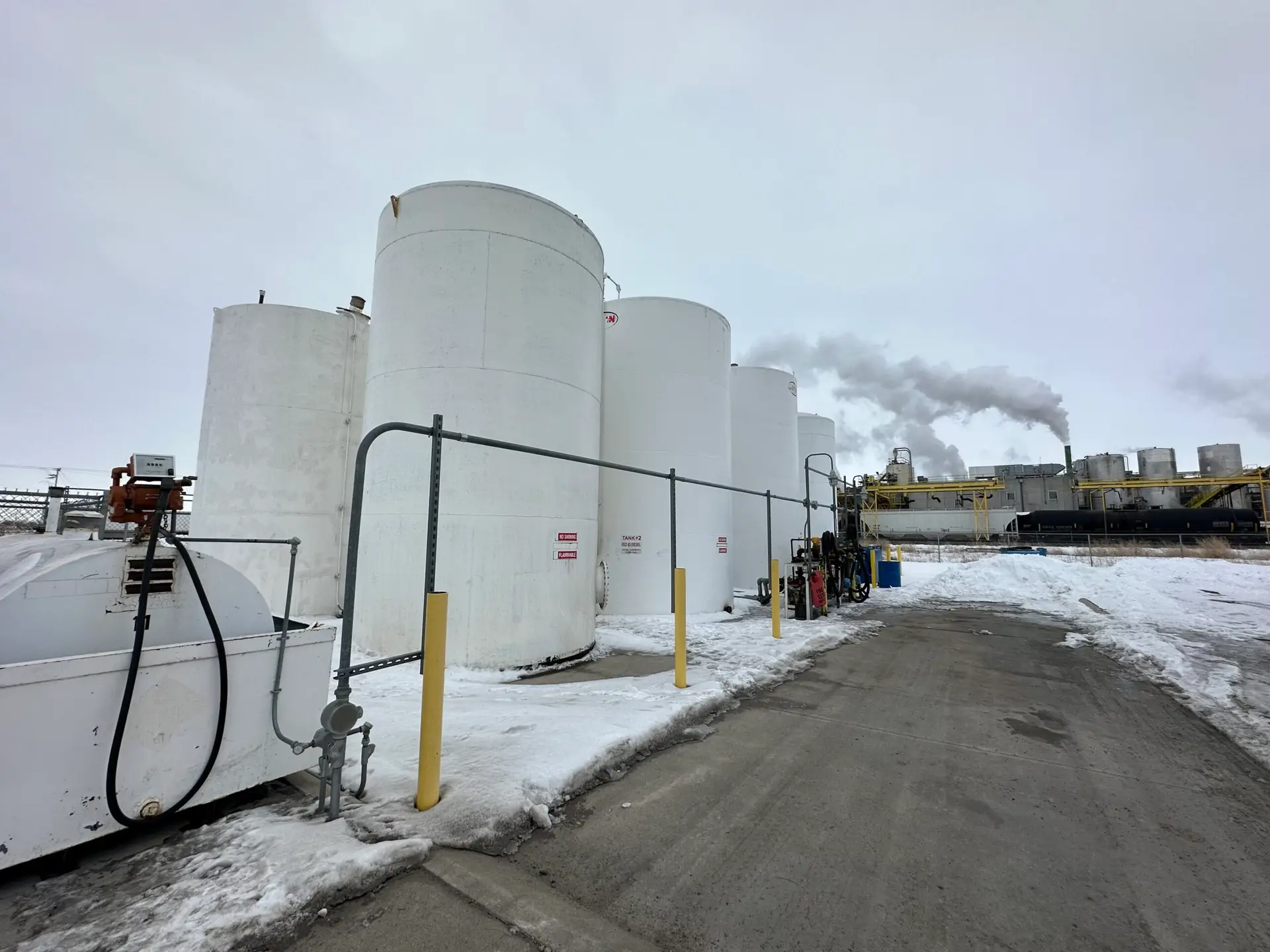
The best time to treat your commercial diesel fuel with winter additives is before the cold weather arrives. Once fuel starts to gel, fixing the issue becomes far more difficult and costly—so getting ahead of the freeze is key to keeping your equipment running smoothly.
The amount of additive you’ll need depends on the total volume of fuel in your tanks or vehicles. Most additive manufacturers provide clear dosing instructions, usually measured in ounces per gallon. It’s important to follow these guidelines carefully: using too little won’t offer adequate protection, but over-treating won’t boost performance and can be a waste of product and money.
By planning ahead and dosing correctly, you’ll protect your fleet from winter fuel problems before they start.
Winter additives help prevent diesel fuel from gelling and maintain steady fuel flow, even in freezing temperatures. This ensures your engines run smoothly and efficiently, resulting in better mileage and more power from every gallon. Over time, this increased efficiency translates into significant fuel cost savings.
Cold weather can put a lot of strain on engines, especially during those tough cold starts and when fuel lines are clogged by thickened diesel. Winter additives ease this burden by keeping fuel flowing freely and ignition consistent. This reduces engine stress, minimizes the risk of breakdowns, and helps extend the lifespan of your vehicles and machinery.
While winter additives are an upfront expense, they are a smart investment for any commercial operation. By preventing costly equipment failures, improving fuel economy, and avoiding downtime, these additives help keep your business running smoothly throughout the season—and save money in the long run.
Winter diesel additives are your strongest ally against the cold, helping to prevent costly downtime, protect your equipment, and save you money. Not sure which additive fits your operation best? Reach out to us—we’re here to help you find the right solution to keep your fleet or equipment running smoothly, no matter the temperature.
Stay ahead of winter’s challenges and Run With Senergy to keep your business moving, no matter what the weather brings.