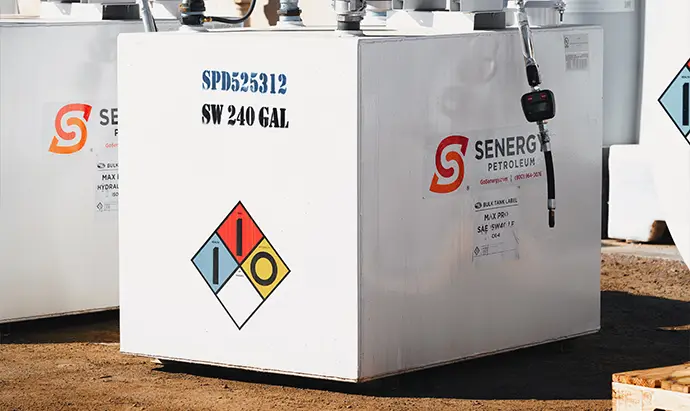
Why Tank Monitoring Pairs Perfectly With Bulk Fuel Delivery
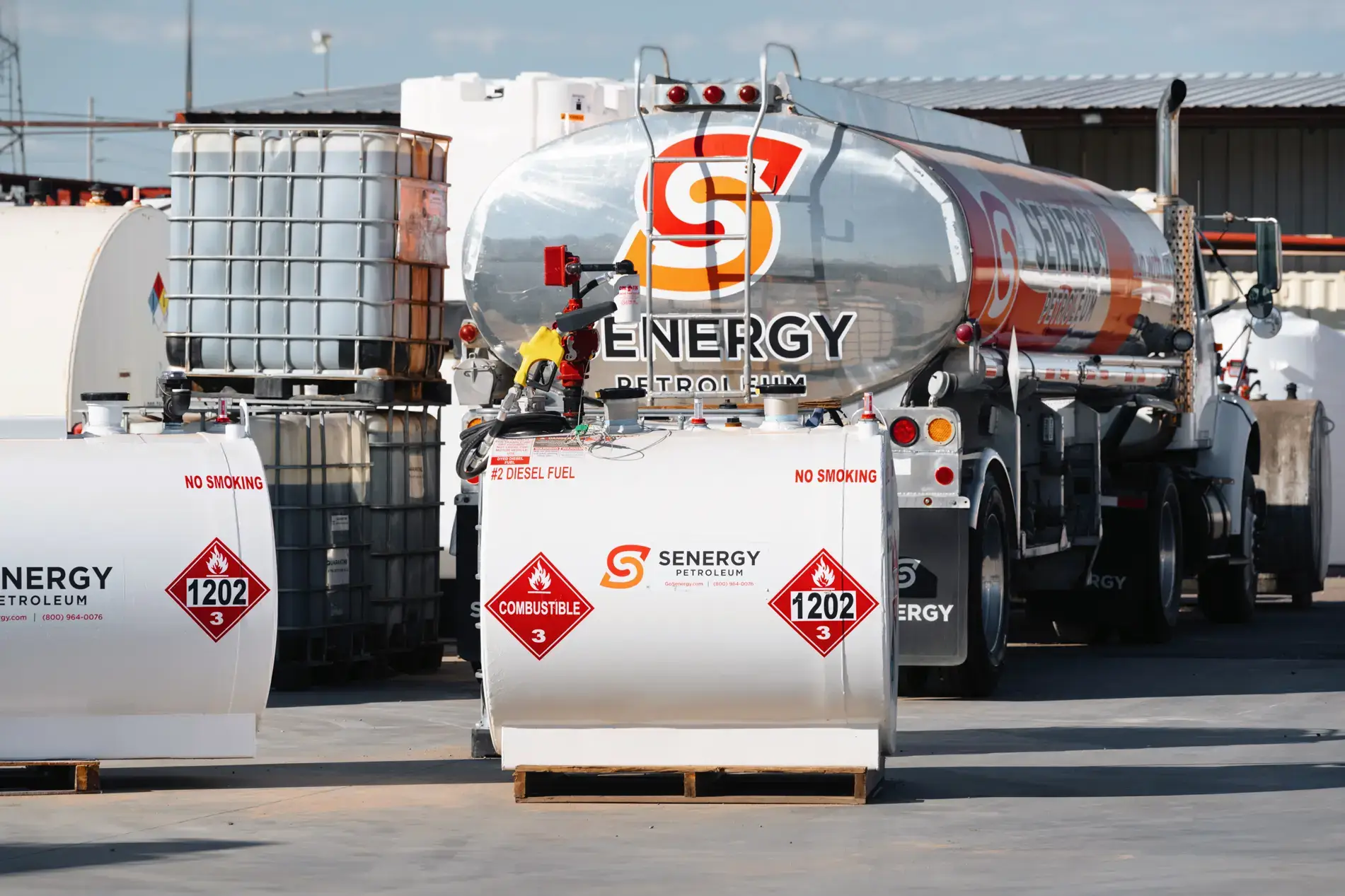
Access to fuel is a critical factor for industries reliant on consistent energy supply, including mining, construction, transportation, and manufacturing, as it directly affects both cost and productivity. Bulk fuel delivery provides diesel, gasoline, or other fuels directly to on-site storage tanks, offering predictable supply, volume discounts, and reduced downtime compared with traditional retail fueling for operations with high fuel consumption.
Maintaining adequate fuel inventory extends beyond simply ordering more fuel. Without visibility into actual consumption, tank levels, and usage trends, fleets and facilities risk over-ordering, running out of fuel at critical moments, or facing operational inefficiencies due to undetected issues. Traditional stock tracking can be time-consuming, prone to error, and costly.
Tank monitoring integration addresses these challenges by delivering accurate, real-time data on inventory levels, usage rates, and anomaly alerts. This allows for smarter planning of bulk fuel deliveries, eliminating guesswork and improving operational reliability by providing precise insights into fuel needs.
How Tank Monitoring Integration Enhances Bulk Fuel Management
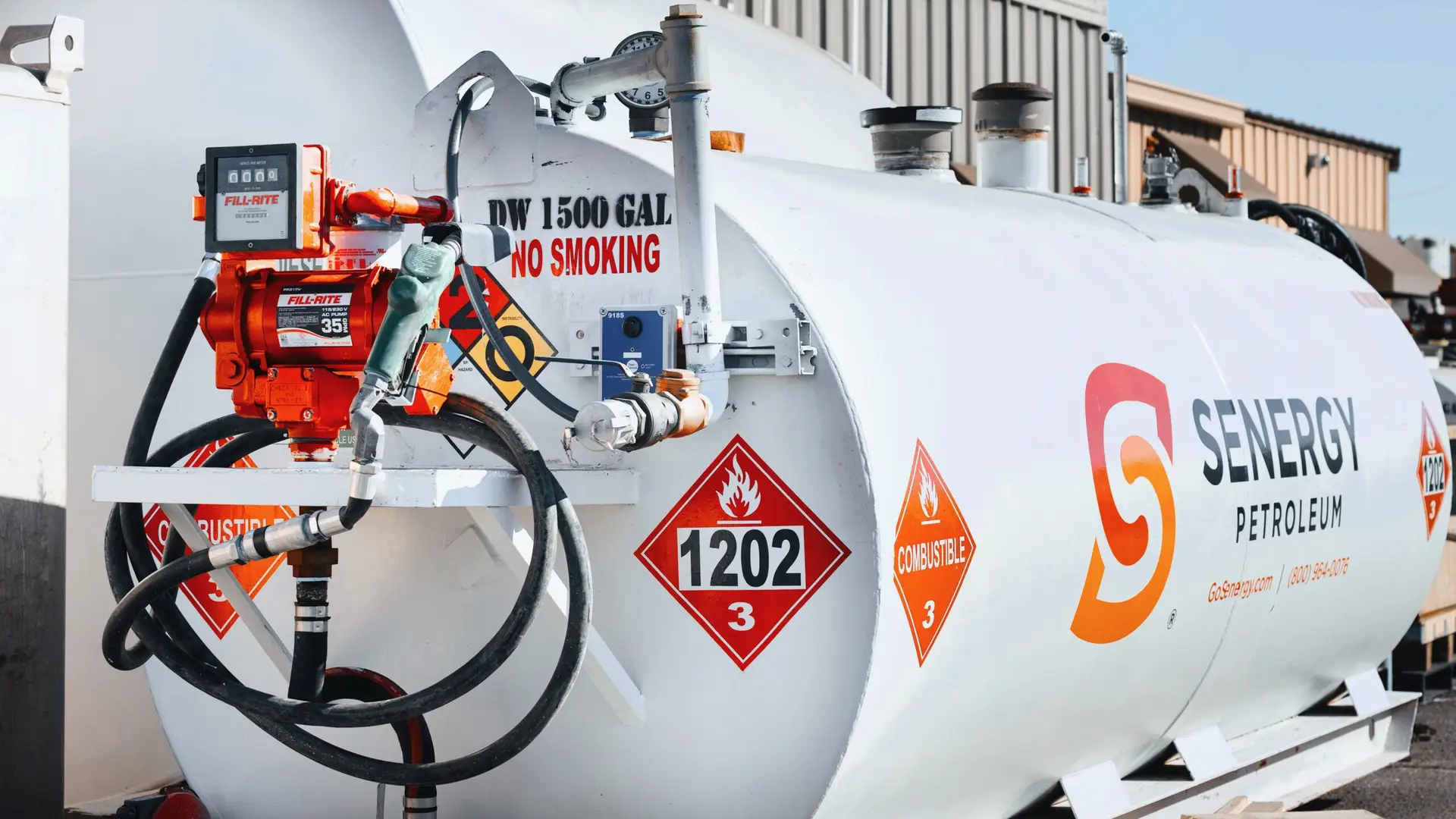
Tank monitoring integration connects fuel storage tanks with digital systems that track and report tank status in real-time. These systems commonly use sensors, telematics, and cloud-based dashboards to provide data on fuel levels, temperature, usage patterns, and anomalies such as sudden drops that may indicate theft or leaks.
For businesses that rely on bulk fuel delivery, lack of transparency is a critical challenge addressed through this integration. Traditional tank management often depends on physical dipsticks, manual records, or irregular inspections, which are prone to error and delays. In contrast, a networked monitoring system provides stakeholders with accurate, real-time information accessible via mobile devices or central control stations.
With precise visibility, companies can track consumption trends and predict when tank levels will reach reorder points. This prevents overstocking, which ties up capital and risks fuel degradation, and avoids shortages that could disrupt operations. Additionally, the data from monitoring systems supports fuel reconciliation and auditing, an essential requirement for regulated industries.
Maximizing Cost Efficiency with Tank Monitoring
One of the immediate benefits of integrating tank monitoring with bulk fuel delivery is improved financial performance. Fuel is often one of the largest controllable expenses for industrial operations and fleets, yet losses due to waste, shrinkage, administrative inefficiencies, or poor planning are common. Tank monitoring reduces these losses by providing data that informs precise fuel delivery.
Real-time visibility enables dynamic forecasting, replacing crude estimates with data-driven ordering. Operations can schedule deliveries based on actual consumption patterns, minimizing emergency delivery charges, reducing temporary supply needs, and lowering premium shipping costs while enhancing overall fuel efficiency.
Monitoring systems also prevent overfilling. Manual readings or rough estimates often result in over-ordering, leaving fuel unused or subject to deterioration. Smart tank monitoring eliminates this uncertainty by signaling exactly when tanks reach reorder levels, freeing up capital and reducing waste.
Ensuring Operational Continuity with Tank Monitoring
For operations reliant on fuel, supply interruptions can create cascading problems: machinery stops functioning, production is delayed, and schedules are disrupted. Integrating tank monitoring with bulk fuel delivery provides early visibility and enables proactive management, helping businesses maintain operational continuity.
Real-time alerts notify stakeholders not only when tank levels are low but also when abnormal consumption patterns occur, which may indicate theft, leaks, or equipment malfunctions. Early detection of these issues minimizes downtime, reduces operational risk, and ensures personnel and equipment remain protected.
Tank monitoring also supports regulatory compliance and safety requirements for fuel storage. By continuously tracking critical metrics and maintaining historical records, businesses can simplify audits, reporting, and overall adherence to operational standards.
Maximizing Fuel Efficiency Through Monitoring
Fuel efficiency extends beyond reducing consumption—it is about optimizing use, eliminating waste, and ensuring every drop contributes to productivity. Bulk fuel delivery alone may mask inefficiencies, such as unused inventory, fuel loss, or waste caused by system failures.
Integrating tank monitoring provides businesses with detailed analytics on fuel usage, identifying sources of inefficiency. Rather than relying on aggregated reports, managers can track trends linked to specific equipment, shifts, or locations. This insight enables targeted interventions, from adjusting delivery schedules to refining operational procedures.
For example, unexpected spikes in fuel usage can prompt fleet managers to investigate factors such as route changes, vehicle idling, or maintenance issues. Similarly, facility operators can identify conditions that compromise fuel quality, preventing overconsumption and ensuring resources are used effectively.
Optimizing Delivery Schedules with Tank Monitoring
One of the most significant benefits of integrating tank monitoring with bulk fuel delivery is the ability to optimize delivery schedules. Without accurate data, organizations risk either emergency shortages or excess fuel accumulation, both of which negatively impact costs and operations. Monitoring transforms fuel delivery into a precise, planned activity based on actual requirements rather than estimates.
Smart monitoring systems allow managers to set reorder levels, triggering alerts when inventories fall below predetermined thresholds. These notifications can be integrated into purchasing processes to enable automatic or semi-automatic ordering. Bulk fuel delivery partners can receive forecasts instead of one-off requests, allowing them to optimize logistics, minimize waiting times, and provide more consistent delivery schedules.
This coordination between users and suppliers improves efficiency, reduces stock-outs, lowers emergency delivery premiums, and ensures reliable fuel availability for operations. Fleet dispatchers and operations supervisors gain confidence that fuel is consistently available when needed, minimizing operational disruptions.
Real-World Gains from Tank Monitoring
Across industries, organizations that integrate tank monitoring with bulk fuel delivery report measurable operational improvements. In logistics fleets, real-time tank data enables precise route fuel planning, reducing emergency refuels and improving budget control. Companies benefit from decreased idle time, increased fuel efficiency, and more predictable operational spending.
In construction, where fuel consumption can vary significantly depending on the stage of a project, tank monitoring alerts prevent downtime by ensuring bulk fuel deliveries occur before levels fall below critical thresholds. This proactive approach keeps heavy equipment operating at peak efficiency and minimizes delays caused by resource shortages.
Agribusinesses with seasonal peaks also leverage monitoring systems to prepare for periods of high demand. Historical consumption data allows for accurate forecasting, enabling bulk purchases and optimized budgeting. The result is reduced operational risk and smoother project execution.
The Future of Fuel Management
Tank monitoring integration in fuel management will continue to advance with new technologies such as smart sensors, IoT connectivity, predictive analytics, and AI-assisted forecasting. Remote sites will increasingly rely on automated monitoring, providing centralized systems with real-time data and predictive alerts to prevent anomalies.
These insights enable more precise delivery scheduling, reduce waste, improve fuel efficiency, and support operational efficiency and compliance. As technology evolves, organizations will gain deeper control and visibility over fuel management than ever before.