
Why Tank Monitoring Pairs Perfectly With Bulk Fuel Delivery
By combining tank monitoring with bulk fuel delivery, reactive reordering becomes a predictive supply strategy. The integration of sensor telemetry, cloud-based dashboards, and dispatch tools connects suppliers and site managers in real time—providing accurate tank levels instead of relying on manual readings or estimates.
This level of visibility helps prevent stockouts, reduce emergency deliveries, and allow suppliers to consolidate loads for more efficient routing. The result is lower operating costs and increased reliability. For bulk fuel delivery customers, this means fewer disruptions to critical operations such as farms, fleets, and industrial facilities. Delivery windows can be scheduled based on precise consumption patterns rather than inconsistent manual projections.
Continuous monitoring also reduces human error and administrative burden through automated notifications and minimum-level triggers. The data generated supports seasonal forecasting and long-term contractual planning, with both supplier and customer operating from the same consumption baseline.
This shared data model streamlines billing processes, reduces the need for on-site tank inspections, and strengthens regulatory documentation through time-stamped records. Reduced downtime, optimized routing, and measurable cost savings are why monitoring
How Tank Monitoring Strengthens Fuel Supply Chain Performance
Accurate tank data minimizes unnecessary deliveries and strengthens supply chain efficiency. When dispatchers know exactly which sites require fuel, they plan precise routes, cut truck miles, and reduce fuel consumption during transport.
Live tank data enables teams to consolidate bulk fuel deliveries, eliminate partial-load trips, and prevent redundant returns. Customers avoid overfilling and excess product storage, while suppliers use telemetry-based load planning to maximize tanker utilization and lower transportation costs per gallon.
Tank monitoring identifies usage irregularities such as leaks, theft, or abnormal consumption rates. Teams can address these issues early, control costs, and improve inventory planning. Procurement teams purchase and schedule fuel based on verified demand patterns instead of estimates or overstocking.
Over time, routing and scheduling improvements generate measurable savings. Dispatch teams reduce empty miles, limit idling, and execute more strategic planning to improve operational performance and unit economics.
By integrating monitoring with delivery execution, fuel providers build a leaner, more controlled, and more profitable supply chain.
How Predictive Tank Monitoring Protects Operations
Stockouts are costly. Lost production time, idled fleets, and stalled equipment all carry measurable financial consequences. Integrating tank monitoring with bulk fuel delivery addresses this risk through automated low-level alerts and predictive depletion warnings. Instead of discovering an empty tank at a critical moment, suppliers receive real-time notifications that trigger timely delivery before fuel levels become disruptive.
Custom threshold settings allow refills to be scheduled during off-peak hours, minimizing operational interruptions and avoiding expensive emergency deliveries. Historical telemetry further enhances accuracy by enabling demand forecasting based on verified usage patterns. Construction sites, agricultural operations, and transportation fleets benefit from proactive refills aligned with anticipated increases in consumption. This predictive approach strengthens operational reliability and stabilizes logistics planning.
Integrated systems also generate detailed records of dispatch activity, scheduling, and delivery confirmation. These time-stamped logs reduce service disputes and increase accountability between supplier and customer. When fuel supply shifts from reactive to predictable, operational planning becomes more strategic. Equipment uptime improves, productivity remains consistent, and supplier relationships are strengthened through dependable performance.
Leveraging Tank Monitoring for Smarter Fuel Operations
The true value of tank monitoring lies in its ability to generate actionable intelligence. When integrated with dispatch software and analytics platforms, telemetry data becomes a strategic asset. Consumption trends reveal peak usage periods, operational inefficiencies, and potential product loss. Managers can quickly identify underperforming equipment or practices that contribute to excessive fuel consumption.
Advanced analytics also enable customer segmentation based on verified usage behavior. High-demand sites can be placed on structured refill rotations, while variable-usage accounts are supported with flexible delivery schedules. This level of customization enhances service performance and operational efficiency. Bulk fuel delivery becomes tailored to actual demand rather than standardized across all accounts.
For suppliers operating across multiple regions, aggregated monitoring data provides visibility into geographic demand patterns and logistical opportunities. Dispatch teams can proactively plan routes instead of responding to last-minute service calls. Over time, predictive analytics refine procurement strategies, ensuring fuel is purchased efficiently and aligned with verified demand.
An intelligence-driven approach positions integrated fuel operations ahead of competitors that rely on manual estimation and reactive scheduling.
Best Practices for Integrating Tank Monitoring Into Bulk Fuel Operations
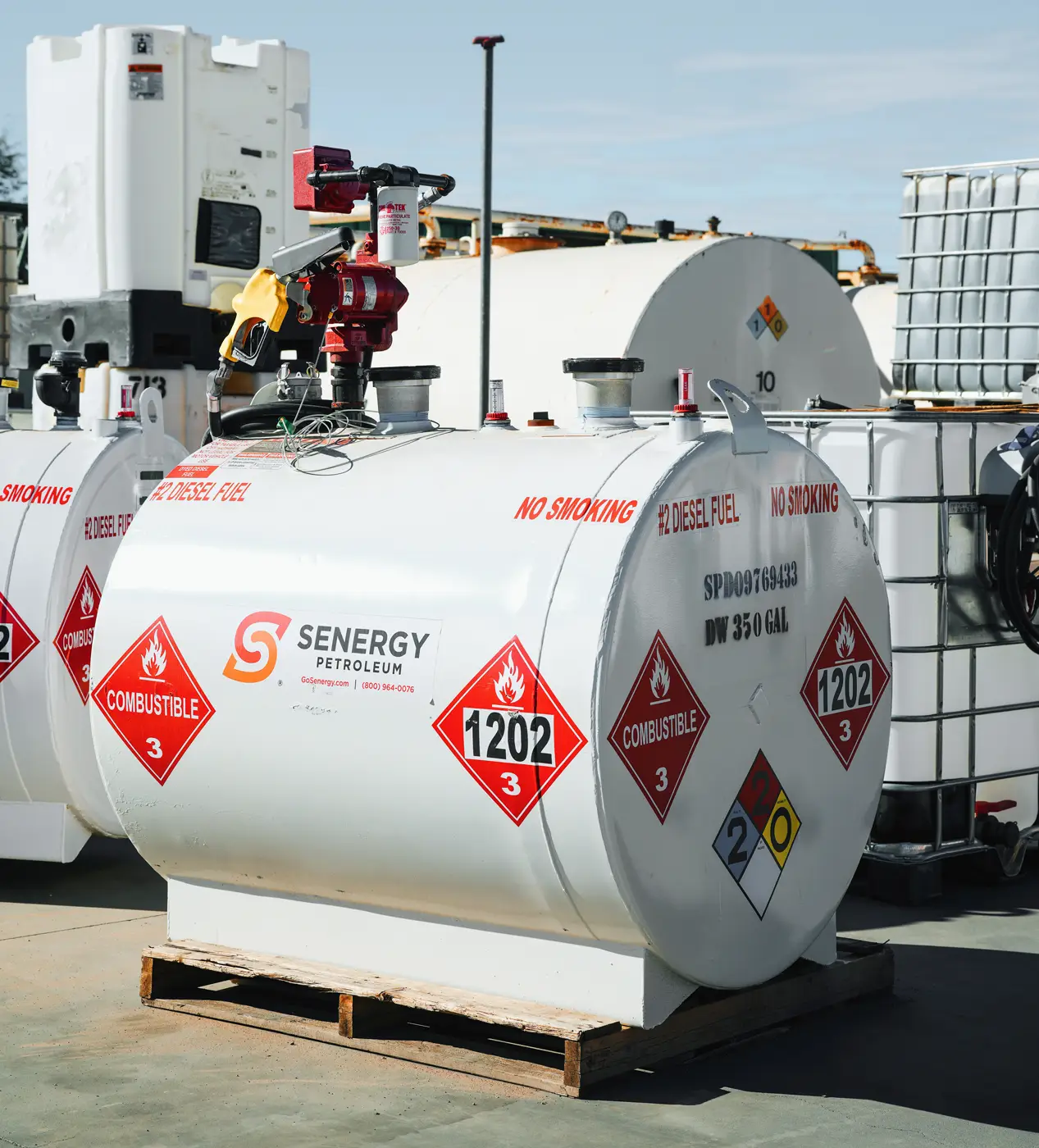
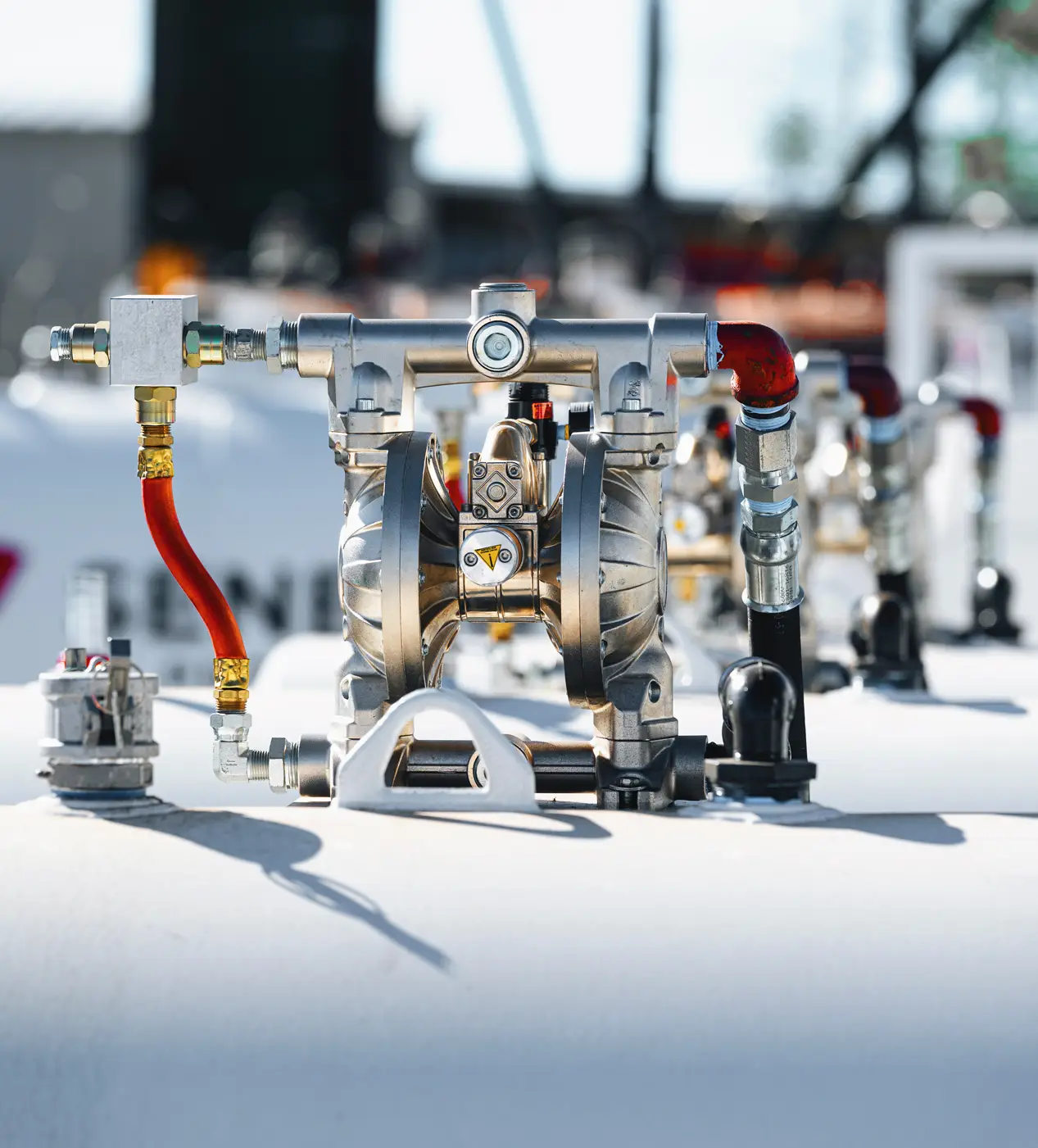
Successful tank monitoring integration requires careful planning and structured execution. The process begins with selecting sensors compatible with the specific tank types and operating conditions. Reliable connectivity is equally critical—systems must operate on stable communication networks to ensure consistent, uninterrupted data flow.
Clear alert thresholds and automated notifications should be established based on operational needs. These parameters ensure that monitoring data translates into timely, actionable responses rather than passive reporting.
Seamless coordination between monitoring platforms and dispatch systems is essential. Middleware or API integrations should convert tank-level data directly into delivery tasks, eliminating manual intervention. Staff training is also a key component of implementation. Teams must understand how to interpret telemetry data and act decisively. Even the most advanced technology will underperform without internal alignment and operational discipline.
Pilot programs allow businesses to test routing improvements and workflow adjustments before full-scale deployment. Establishing key performance indicators—such as emergency delivery frequency, miles per drop, and stockout incidents—provides measurable benchmarks for success. Regular performance reviews ensure that the integration delivers tangible return on investment.
A structured adoption strategy supports smooth implementation and positions integrated tank monitoring as a long-term operational advantage.
The Future of Bulk Fuel Delivery
Fuel logistics is driven by data. Integrated tank monitoring enables accurate forecasting based on usage trends, operating schedules, and demand patterns—allowing bulk fuel deliveries to be optimized and unnecessary mileage reduced.
Verified consumption data strengthens reporting accuracy and supports smarter procurement decisions. As predictive tools and automated scheduling continue to advance, companies that integrate tank monitoring with bulk fuel delivery lead the way in operational efficiency and reliability.