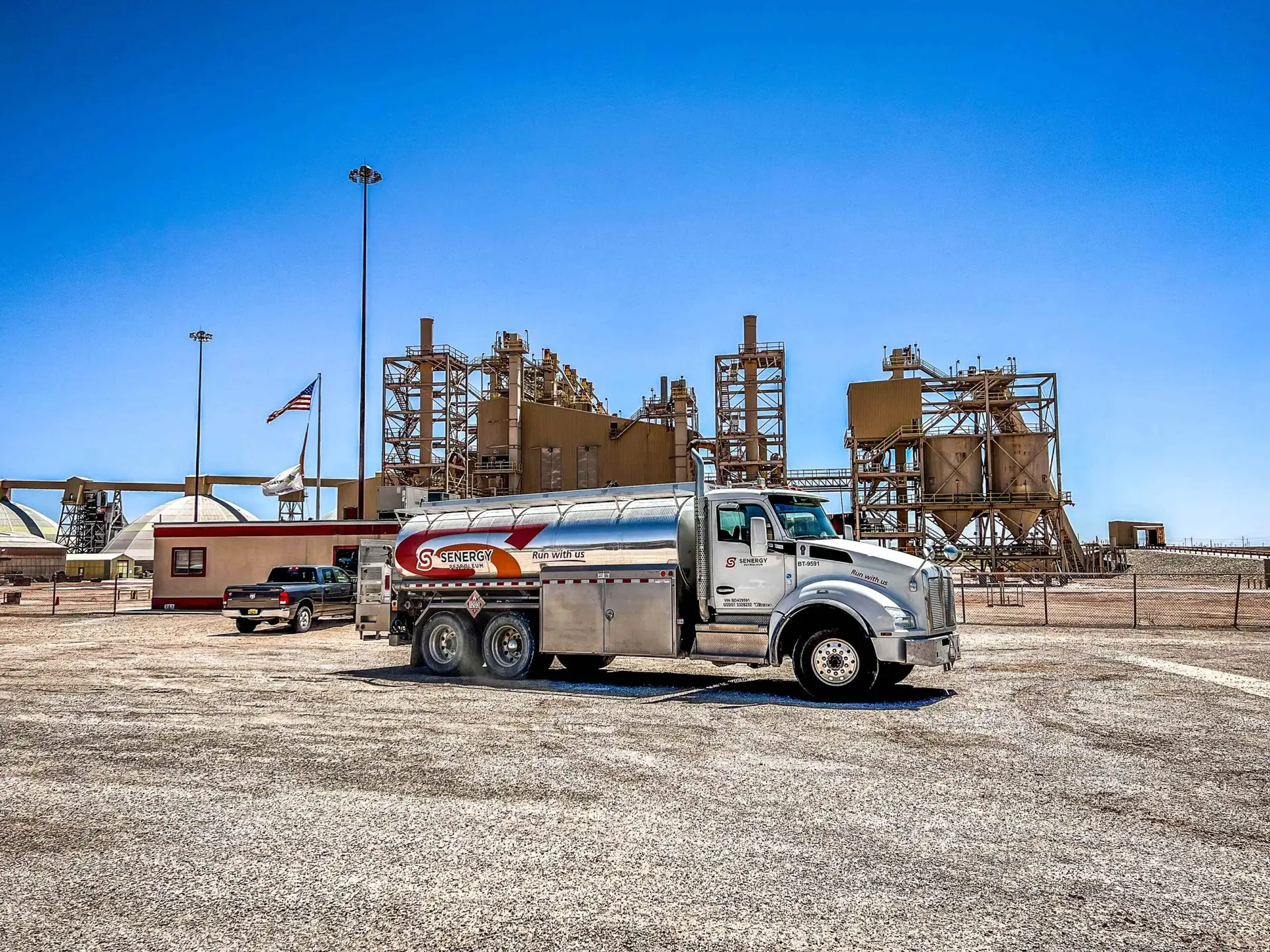
Why High-Quality Lubricants Matter for Industrial Machinery
Machinery lubrication is a critical component of operations for industrial companies managing high-value assets. Equipment operates under constant stress, with moving parts exposed to friction, heat, and pressure. Without proper lubrication, these forces accelerate wear and reduce overall operational efficiency.
High-quality lubricants create a protective barrier that minimizes direct metal-to-metal contact. This reduces friction, helps regulate operating temperatures, and supports consistent machine performance. In industries with continuous production cycles, optimized lubrication plays a direct role in improving uptime, throughput, and overall profitability.
Effective equipment performance begins with lubricant quality. Advanced formulations are engineered to perform under demanding operating conditions, making them essential for heavy-duty industrial applications.
How High-Quality Lubrication Supports Proactive Equipment Maintenance
Lubrication quality plays a vital role in a proactive maintenance strategy for industrial equipment. Modern operations rely on predictive and preventative maintenance models to reduce unexpected failures and maintain consistent performance. High-quality lubricants are a key component in achieving these goals.
Using lower-quality lubricants can lead to increased wear, contamination, and thermal instability within equipment. These issues often result in more frequent breakdowns and higher maintenance costs. In contrast, premium lubricants support longer service intervals and help reduce overall maintenance demands.
A common question in industrial operations is: what improves maintenance efficiency? The answer lies in consistent lubrication supported by high-performance products. Quality lubricants help keep systems clean, reduce debris buildup, and prevent sludge formation.
By integrating advanced lubrication into equipment maintenance programs, companies can improve reliability, lower repair costs, and extend the lifespan of critical assets. This approach supports greater operational efficiency and long-term cost control.
The Value of Professional Oil Analysis
Professional oil analysis services are essential for organizations looking to strengthen and refine their maintenance strategies. These services deliver comprehensive testing, in-depth data analysis, and actionable insights that support informed, data-driven decisions.
Specialized laboratories use advanced technology to evaluate critical characteristics of oil samples, including contamination levels, wear metals, and chemical composition. Results are carefully analyzed to identify trends and detect potential issues early, allowing maintenance teams to prioritize actions based on actual equipment conditions rather than assumptions.
One of the primary advantages of professional oil analysis is accuracy. Laboratory testing provides precise, reliable data that supports confident maintenance planning. Many providers also deliver detailed reports with clear recommendations, helping organizations optimize maintenance schedules and improve overall equipment performance.
Scalability is another key benefit. Oil analysis programs can be applied across a wide range of assets, making it easier to monitor entire fleets or facilities efficiently. This is especially valuable for large-scale operations that require consistent oversight across multiple systems.
By incorporating professional oil analysis services into a maintenance program, organizations can improve equipment reliability, reduce maintenance costs, and enhance overall operational performance. This approach supports structured maintenance planning and helps keep equipment running at peak efficiency.
How Lubricant Performance Impacts Equipment Reliability and Efficiency
Lubricant performance is a critical factor in how industrial equipment operates under demanding conditions. Key properties such as viscosity stability, oxidation resistance, thermal stability, and advanced additive technology all contribute to overall effectiveness.
High-quality lubricants maintain their performance even in extreme temperatures and under heavy loads. This consistency supports reliable operation and helps prevent premature wear or equipment failure. Additives such as anti-wear agents and corrosion inhibitors further enhance protection by safeguarding internal components.
Long-term stability is essential for sustained performance. Lower-quality lubricants tend to degrade more quickly, leading to increased friction, reduced efficiency, and greater equipment strain.
Organizations that prioritize high-performance lubricants benefit from improved equipment reliability, reduced energy consumption, and fewer operational disruptions. As a result, lubricant selection plays a key role in maximizing industrial performance and extending asset lifespan.
Extending Equipment Life with Advanced Wear Protection
One of the most significant advantages of high-quality lubricants is enhanced wear protection. Industrial machinery operates under continuous mechanical load, and even minimal friction can lead to long-term damage if not properly managed.
Lubricants form a protective barrier that prevents direct surface contact, reducing wear and extending component life. Without adequate lubrication, friction generates excessive heat, accelerating material degradation and increasing the risk of equipment failure.
A common question for operations is how to extend equipment lifespan. The answer lies in effective wear protection through advanced lubrication. High-performance lubricants help reduce component stress, limit surface damage, and improve overall durability.
In industries where capital equipment represents a major investment, extending machinery life is essential. By selecting lubricants designed for superior wear protection, organizations can reduce replacement frequency and protect long-term operational investments.
Reducing Downtime with Effective Lubrication Strategies
Downtime has a direct impact on revenue, productivity, and overall operational efficiency. Effective machinery lubrication is one of the most reliable ways to reduce unplanned interruptions.
High-quality lubricants help manage friction and maintain stable operating temperatures, allowing equipment to run smoothly. This reduces the likelihood of unexpected failures and supports consistent performance. Organizations that implement advanced lubrication strategies experience fewer disruptions and more streamlined operations.
A key question for industrial operations is how to minimize downtime. The answer lies in preventative maintenance supported by effective lubrication. High-performance lubricants extend service intervals and reduce the need for emergency repairs.
By prioritizing proper lubrication, companies can improve uptime, maintain production schedules, and reduce operational risk. As a result, lubrication remains a critical factor in supporting business continuity and operational efficiency.
Improving Energy Efficiency with High-Performance Lubrication
Energy efficiency is a major cost driver in industrial operations, and machinery lubrication plays a direct role in achieving it. Excess friction within equipment increases energy consumption, leading to higher operating costs.
High-quality lubricants reduce internal resistance and allow equipment to operate more efficiently. This supports lower energy usage while maintaining—or even improving—output levels. In large-scale operations, even small gains in efficiency can translate into significant cost savings.
By investing in advanced lubrication solutions, organizations can achieve measurable financial benefits through improved energy efficiency. Reduced energy consumption not only lowers costs but also enhances overall operational performance.
Protecting Equipment from Contamination
Contamination is a major risk to industrial machinery, leading to increased maintenance costs and reduced performance. High-quality lubricants act as a protective barrier, preventing dust, moisture, and chemicals from damaging critical components while also helping remove debris.
They also protect against corrosion by shielding metal surfaces from moisture and oxidation, supporting long-term durability. Prioritizing contamination control through effective lubrication is essential for maintaining reliable equipment performance.