Why Fuel Matters in Every Season of Farm Operations
Fuel is the unseen force that keeps every farm operating. From small family operations to large commercial enterprises, fuel powers the annual cycle. It drives tractors preparing fields, combines harvesting grain, and irrigation systems running through long summer days. Reliable agricultural fuel supports the performance and longevity of the heavy-duty equipment farmers depend on. Even the most skilled producer, with ideal conditions and the best land, cannot move forward without consistent fuel supply.
Fuel is not a simple commodity in agriculture—it is a strategic resource. Each season brings periods of intense activity that require precise planning. Every hour matters during planting. Every minute matters during harvest. Throughout the year, livestock care, grain handling, and equipment maintenance all rely on dependable power and fuel. Farmers treat fuel for planting and harvest with the same level of importance as seed and fertilizer.
The farms that perform best are the ones that prepare early. They forecast fuel needs, ready storage, and service equipment well before the busy season. Steady access to fuel keeps operations moving and allows farmers to react quickly to changes in market demand, crop conditions, and seasonal timing.
Fuel Planning for a Strong Start to Planting Season
Spring marks the beginning of a new operational cycle in agriculture. Fields must be prepared, fertilizers applied, and seeds placed in the ground—all within a narrow window driven by timing and conditions. Fuel becomes a top priority during planting season, as shortages for tractors and planters can directly affect crop performance.
Farms that operate efficiently plan their spring fuel strategy well in advance. To ensure uninterrupted fueling during long days in the field, bulk tanks are filled, filters are replaced, and pumps are tested. Many operations maintain reserves to avoid unexpected supply gaps during the busiest weeks. Routine tank checks help identify and remove any water or sediment that may have accumulated over winter.
Fuel flexibility is essential in spring. Multiple machines often run simultaneously—tillage tractors, loaders, sprayers, seed tenders, and agricultural diesel-powered equipment. With time-sensitive work and shifting conditions, having adequate fuel for planting enables producers to take advantage of every available working hour and ensures a smooth, efficient start to the season.
Keeping Farm Operations Running Strong Through Summer
Farm fuel remains essential for smooth operations, even though summer may appear quieter than spring or fall. Irrigation systems rely on a steady fuel supply, whether powered by diesel pumps or generators. Fuel is also required for field spraying, mowing, baling, and mechanical weed control.
For hay producers, summer can be as demanding as peak harvest. In short weather windows, equipment such as rakes and balers runs continuously, and delays can reduce forage quality. Crop growers depend on dependable tractors and application equipment to complete spraying on schedule, often starting early and finishing before conditions shift.
Summer also provides an opportunity for mid-season maintenance. This is the ideal time to inspect fuel tanks, mobile fuel trailers, and pumps to ensure everything is ready for harvest. Fueling stations can be adjusted, hoses replaced, and equipment organized for fast access when demand increases.
Treating summer fuel needs with the same level of priority as any other season helps maintain operational momentum and ensures readiness for the intensive fuel demands of harvest.
Fuel Planning Strategies for a Successful Harvest Season
Autumn is the busiest season in agriculture. Combines, grain wagons, tractors, and trucks often run from dawn until long after dark. Grain dryers require substantial fuel to bring moisture down to safe storage levels. Every machine has a critical role, and each depends on consistent access to agricultural diesel.
Harvest fuel planning is essential. Experienced operations understand that fuel shortages or equipment downtime during harvest can disrupt the entire workflow. Crops must be harvested within a limited time frame, and any delays can lead to significant losses.
High-performing farms begin harvest with full tanks and use mobile fueling trucks or field service units to reduce unnecessary trips back to the yard. Many producers partner with suppliers that understand the demands of autumn operations, ensuring timely refills so equipment can run at full capacity without interruption.
Fuel demand rises due to grain handling and storage activities. Loaders, conveyors, generators, and other equipment rely on the same harvest fuel, making coordinated logistics crucial. With strong planning and dependable supply, harvest becomes a smooth, efficient, and productive season.


Winter Fuel Management for Reliable Farm Operations
Winter slows fieldwork, but it remains a critical period for farm fuel. Livestock operations rely on tractors, skid steers, and utility vehicles for feeding, bedding, and snow removal. Agricultural diesel is also essential for backup generators that power barns, waterers, heaters, and storage areas during outages.
Cold temperatures affect diesel performance. Without the correct winter blends or anti-gel treatments, fuel can thicken, clog filters, and prevent engines from starting. Successful operations transition to winter-grade fuel early and store equipment in sheltered areas. Fuel tanks must remain clean, sealed, and routinely inspected to prevent issues that can occur during freezing conditions.
Winter is also an ideal time for maintenance. Many producers use this season to inspect and service bulk tanks, pumps, and nozzles, repairing or upgrading anything that could slow operations in the months ahead. This period is often used to review fuel usage from spring through fall, allowing adjustments to forecasting and planning.
Even with reduced fuel consumption, winter fuel remains essential for keeping agricultural operations running through the toughest conditions.
Why Fuel Quality Matters for High-Performance Farm Equipment
Diesel engines for farm equipment are high-performance machines that have been designed to maximize efficiency and power. They are, however, also very sensitive to fuel quality. Agricultural Diesel that is contaminated or of poor quality can cause damage to injectors and reduce horsepower. It may also lead to expensive repairs. Many farmers take fuel quality just as seriously as equipment maintenance.
Quality starts at the source. Suppliers with a good reputation provide farm diesel that is clean and filtered, and meets the same specifications. Farmers are responsible for protecting storage tanks from debris, water, and rust once the fuel is delivered. Tank inspections, sediment removal, and filter changes are all part of maintaining purity.
The season plays a major role in the use of additives. Farmers use lubricity-enhancing agents or detergents during planting and harvest to support long working hours and improve combustion. Anti-gel additives are used in winter to prevent thickening due to cold weather. Fuel treatment can be matched to the season, such as cleaning harvesting fuel before long combine hours or preparing plantation fuel in preparation for heavy spring tractor usage.
Fuel quality is important for farmers to reduce downtime and extend the life of their engines. They can also maintain efficiency no matter what season it is.
The Importance of Reliable Fuel Delivery for Farm Operations
Timely fuel delivery is essential for maintaining agricultural productivity throughout the year. A supplier that understands farming operates around weather conditions—not standard business hours—provides a significant advantage. The right partner can deliver during peak seasons, respond quickly to urgent requests, and adjust schedules when fieldwork becomes possible.
Clear communication is critical. When operations share information about anticipated acreage, planting timelines, equipment usage, and projected harvest schedules, suppliers can plan ahead. Tank monitors also automate alerts when fuel levels drop below a set threshold, helping ensure a steady supply of agricultural diesel during demanding periods such as planting and harvest.
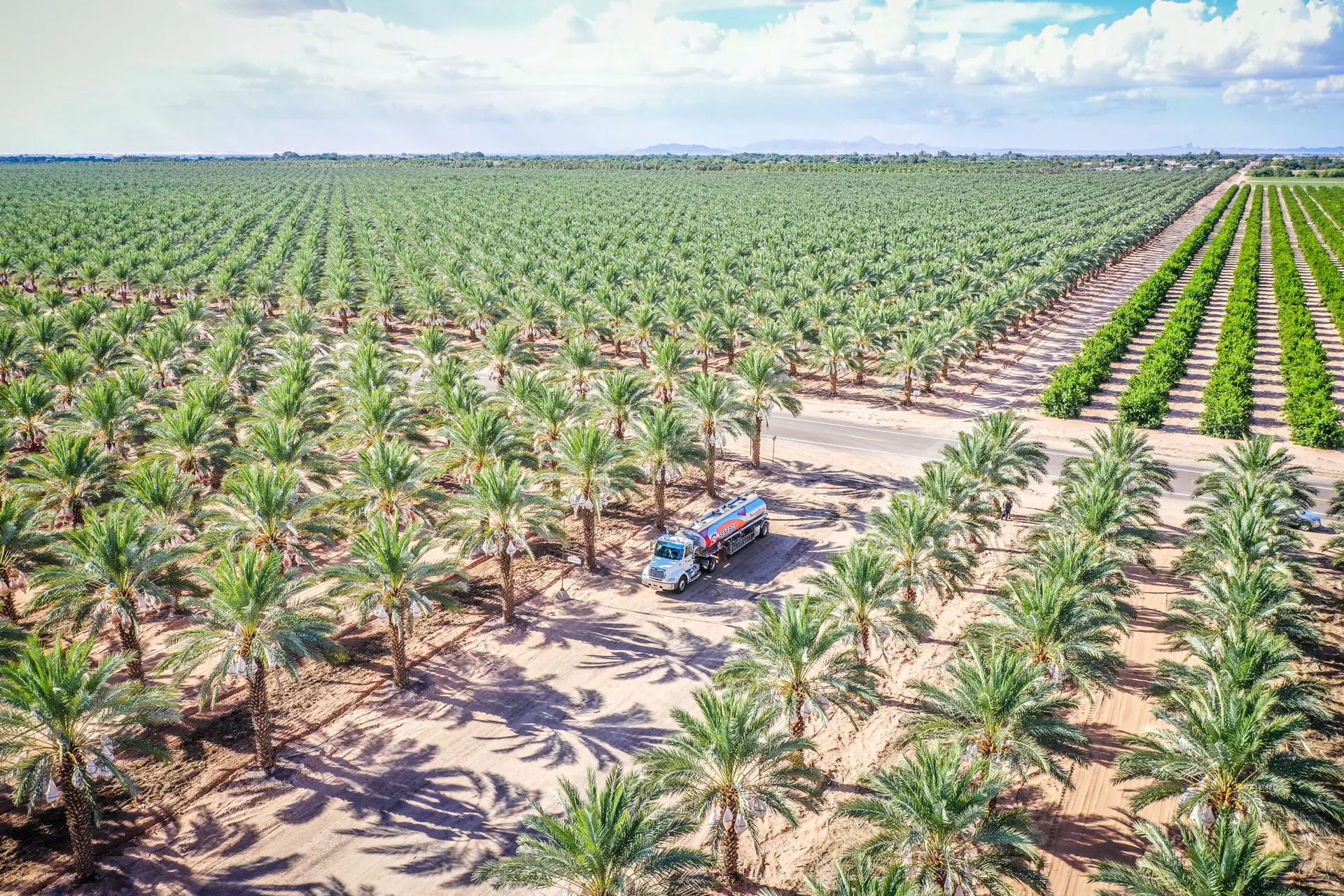
Mobile fueling adds another level of efficiency. Delivering fuel directly to distant fields, equipment staging areas, or temporary storage sites minimizes downtime. During planting and harvest, direct-to-field refueling keeps equipment running without unnecessary trips back to the yard.
A well-coordinated delivery strategy removes a major source of stress, allowing producers to stay focused on their work without concern about fuel shortages at critical moments.
Fuel That Keeps Agriculture Moving
Agriculture continues to evolve, but reliable power remains essential. Traditional fuels, enhanced efficiency strategies, and emerging technologies will all play a role in supporting year-round operations. No matter how equipment or practices change, dependable fuel supply will continue to drive tractors, support daily tasks, and keep farm operations moving forward.
Producers who plan ahead, maintain fuel quality, and partner with responsive suppliers are better prepared for every season. Strong fuel management remains one of the most important foundations of a successful operation.