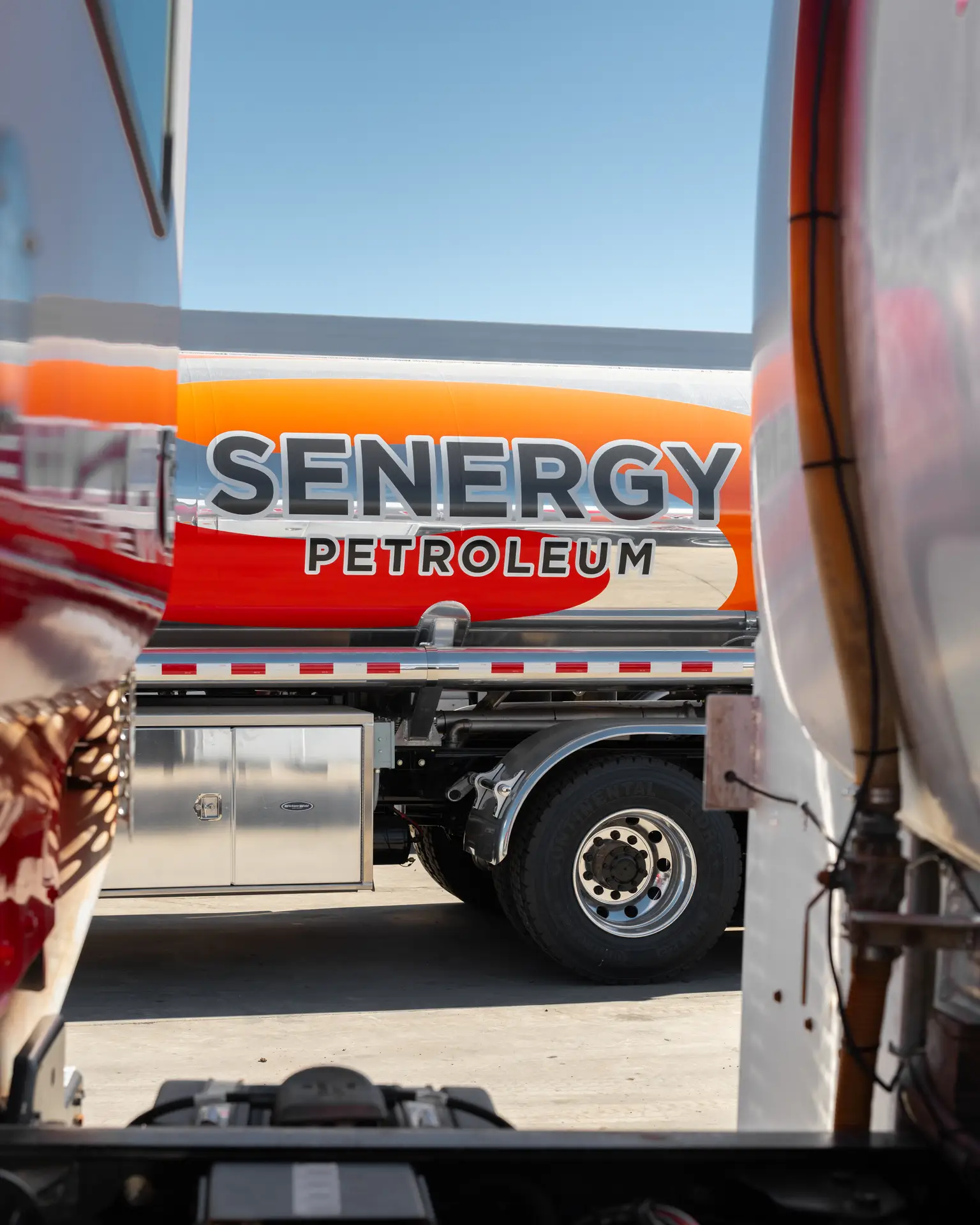
Why Fluid Power is Important on the Most Modern Construction Sites
In construction, power doesn’t come only from steel and engines—it moves through every machine in the form of oils, greases, and hydraulic fluids. These essential construction fluids carry energy, reduce friction, manage heat, and protect critical components from wear. Without the proper products, even the most advanced excavator, crane, or hauler is at risk of failure, costly breakdowns, and avoidable downtime.
Heavy-duty fleets are expected to accomplish more than ever without compromising deadlines, all while operating under rising fuel costs and growing demands for equipment availability. Choosing the right heavy equipment fluids and lubricants is a strategic decision, not a simple commodity purchase. High-quality products support easier engine starts and ensure pumps, transmissions, and hydraulic systems operate smoothly—even under extreme temperatures and loading conditions.
OEMs continue to raise performance expectations with higher pressures, tighter tolerances, and more advanced equipment designs. Your maintenance program must evolve in step. Today’s fluids must deliver more than basic lubrication—they must provide oxidation resistance, maintain cleanliness, ensure shear stability, and remain compatible with modern seals and materials. Simply put, fluids are no longer a background detail at the jobsite. They are a primary performance driver that no operation can afford to overlook.
Important Construction Fluids Every Fleet Should Manage
A well-run construction operation manages fluids as critical inventory rather than an added expense. The primary products a team must oversee include hydraulic fluids, gear and axle oils, transmission fluids, coolants, and greases—each with a specific purpose. Mixing or misapplying them can result in significant equipment failures.
Engine oils protect against extreme temperatures, soot, and combustion by-products. Fluids designed for final drives and transmissions withstand heavy loads while maintaining the correct friction properties for brakes and clutches. Hydraulic fluids power valves and pumps, keep control systems responsive, and provide essential lubrication. Coolants regulate engine—and in some cases hydraulic—temperatures. Specialized greases protect pins, bushings, and bearings that face high shock loads and contamination risks.
For heavy-duty fleets, the challenge is standardizing construction fluids without oversimplifying the strategy. Too many products can lead to confusion and misapplication; too few can create a “one-size-fits-none” approach that fails to meet OEM requirements. A strong solution is to identify each machine family, confirm OEM approvals, and consolidate them into a controlled list of lubricants and hydraulic fluids suitable for the entire fleet. Clear labeling systems, color-coding, and disciplined storage practices ensure the strategy is executed consistently.
How Advanced Lubricants Reduce Wear and Downtime in Heavy Equipment
Lubricants for heavy equipment form a critical layer of protection that keeps productivity high and prevents costly downtime. Transmissions, engines, final drives, and differentials face high dust, shock loads, constant vibration, and long operating hours. The right lubricants create a durable barrier that limits metal-to-metal contact, reduces wear, and disperses heat.
Modern oils go far beyond basic “thick and slippery” fluids. Formulators engineer blends of base oils and additives that deliver detergency, anti-wear protection, corrosion resistance, and oxidation control. Engine oils handle acids and soot produced during combustion while maintaining the viscosity needed for extended drain intervals. Transmission fluids and gear oils rely on extreme-pressure and friction-modifying additives that match each component’s design.
Construction fleets must start lubricant selection with OEM specifications and then match those choices to actual operating conditions and duty cycles. Equipment that runs at slow speeds, carries heavy loads, or operates in high-dust environments requires more robust lubricants than machines in lighter-duty roles. Cutting specifications to save a few dollars per gallon often leads to higher repair bills and more downtime. Routine fleet maintenance—checking sight glasses, monitoring dipsticks, and keeping accurate top-up records—helps teams spot small issues before they turn into major component failures.
Stronger Hydraulics Start with the Right Fluid
Hydraulic systems are where fluid becomes power. Excavator booms, loader arms, steering systems, outriggers, and a wide range of attachments all rely on hydraulic fluid to convert engine output into smooth, precise, and controllable movement. In these systems, hydraulic fluids perform three essential functions: transferring force, lubricating moving components, and helping manage heat.
Because modern hydraulic circuits operate under extremely high pressure, fluid quality has a direct impact on equipment reliability. If viscosity is too low, machines may respond sluggishly in cold conditions or experience increased heat generation and leakage in high temperatures. Poorly formulated or degraded hydraulic fluids can lead to varnish buildup, sticking valves, pump damage, and cylinder seal failures. Contaminants such as dust, water, and metal particles accelerate wear and can erode components designed to remain protected.
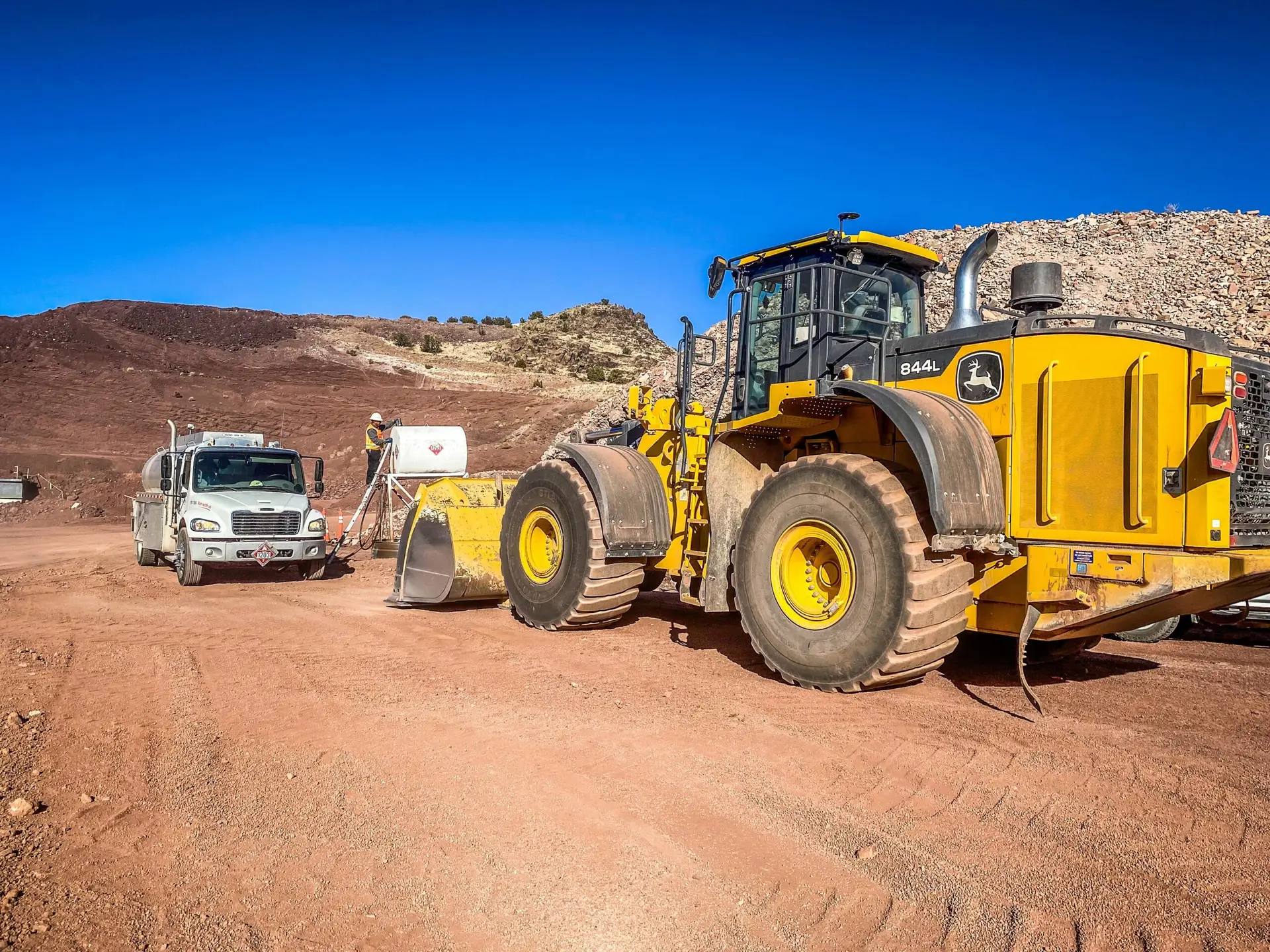
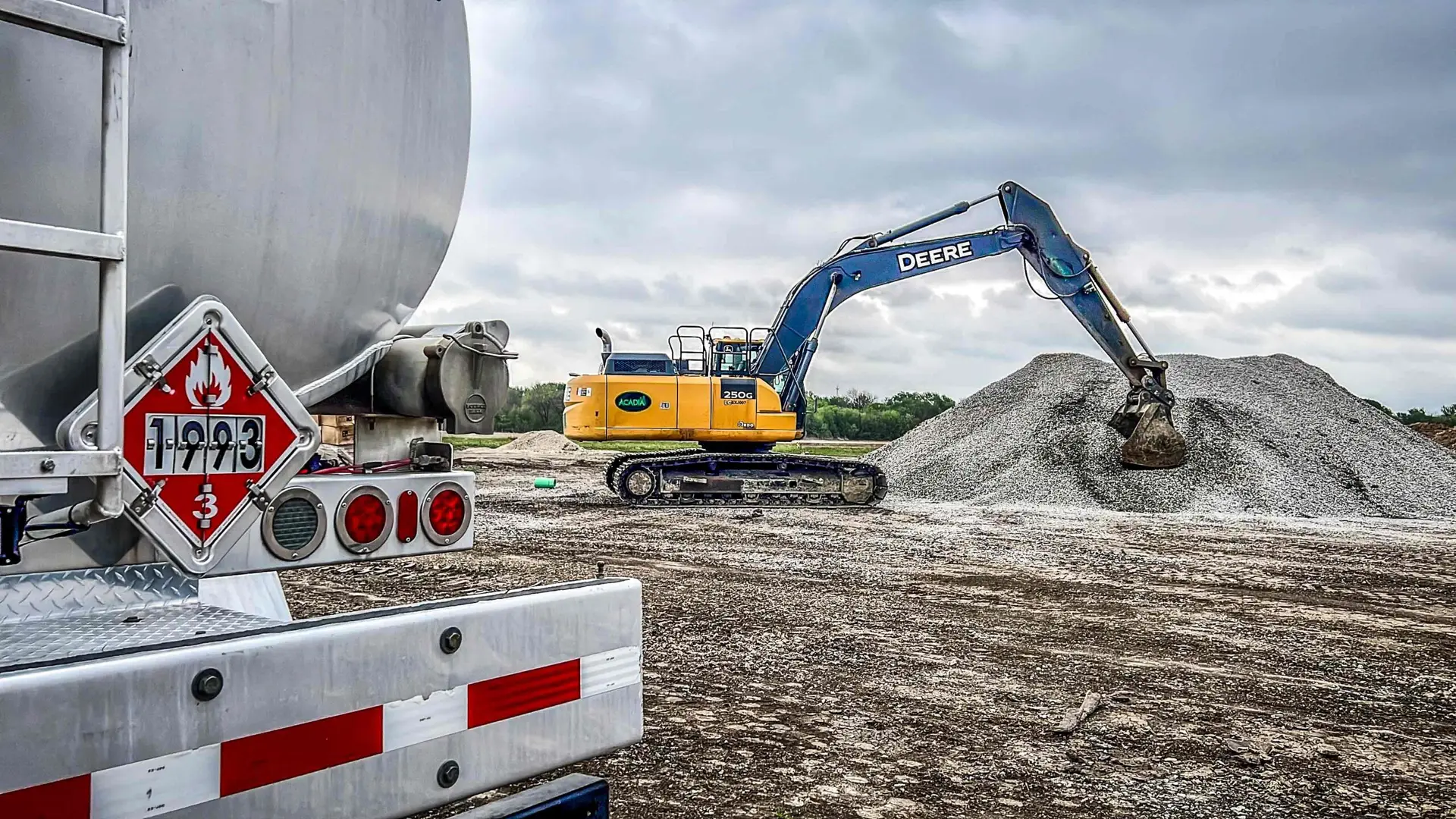
Prevent Downtime with a Proactive Fluid Strategy
Effective fleet maintenance goes beyond repairing what’s already broken—it anticipates issues and prevents them before they impact operations. Fluids are among the most efficient and cost-effective tools for doing so. A strong fluid management program begins with a complete inventory of every machine, including fluid capacities, OEM specifications, and recommended service intervals. From there, a preventive maintenance plan ensures all construction fluids remain within their ideal operating range.
The next step is standardizing a controlled product list. Consolidate where possible while still meeting all OEM requirements. Identify the specific lubricants, coolants, hydraulic fluids, and greases required for each component. Then establish formal storage and handling procedures: use clean, sealed containers, assign dedicated pumps to clearly labeled bulk tanks, and implement color-coded tags at fill points. These practices significantly reduce the risk of misapplication and cross-contamination.
Stronger Fleets Start with Cleaner Fluids
Most premature equipment failures caused by fluids can be traced back to one issue: contamination. Water, dirt, metal particles, or even the wrong fluid type can quickly compromise high-quality construction fluids. In hydraulic systems, contaminants damage pump surfaces, block valve orifices, and destroy seals. In drivetrains and engines, they accelerate wear on gears, bearings, and rings.
Effective contamination control begins at the source—whether in a tote, drum, or bulk tank. Fluids must remain covered, sealed, and protected from moisture and debris. Transfer pumps and hoses should be dedicated to specific fluid types and clearly labeled with quick-connects to prevent mixing. Straightforward practices, such as using desiccant breathers on storage tanks and employing filtration carts during filling or top-offs, greatly reduce the number of harmful particles entering hydraulic systems and lubricated components.
During operation, filter changes must be treated as a required element of fleet maintenance—not an optional expense. Consistent filtration is one of the most cost-effective ways to extend component life and maintain equipment reliability.
The Hidden Insights Inside Your Fluids
Modern fleets have access to more data than ever, and fluids must be part of that operational picture. Hydraulic fluid analysis and used oil testing function as the “bloodwork” of each machine, revealing wear metals, viscosity changes, and additive depletion. When combined with telematics and maintenance records, this data becomes a powerful diagnostic tool for planning repairs and extending service intervals.
For example, a rise in copper or iron within engine oil can indicate abnormal wear long before any noise or performance issues appear. The presence of glycol or water may signal concerns within the cooling system. In hydraulic fluids, fluctuations in particle counts or the introduction of specific metals can help pinpoint the source of valve or pump wear. Over time, this information builds a clear baseline for your equipment, helping you distinguish between normal trends and early warning signs.
The Future of Fluid Performance
The world of construction fluids is advancing quickly. New engine designs, tighter performance requirements, and evolving equipment standards are driving the use of high-performance synthetic lubricants and hydraulic fluids with stronger oxidation resistance, lower volatility, and improved efficiency. When paired with a disciplined maintenance program, these products support smoother operation, longer drain intervals, and reduced downtime.
Stronger filtration, consistent condition monitoring, and controlled fluid handling further enhance equipment life while lowering overall maintenance costs. For today’s construction fleets, staying ahead means choosing the right fluids—and managing them with precision.