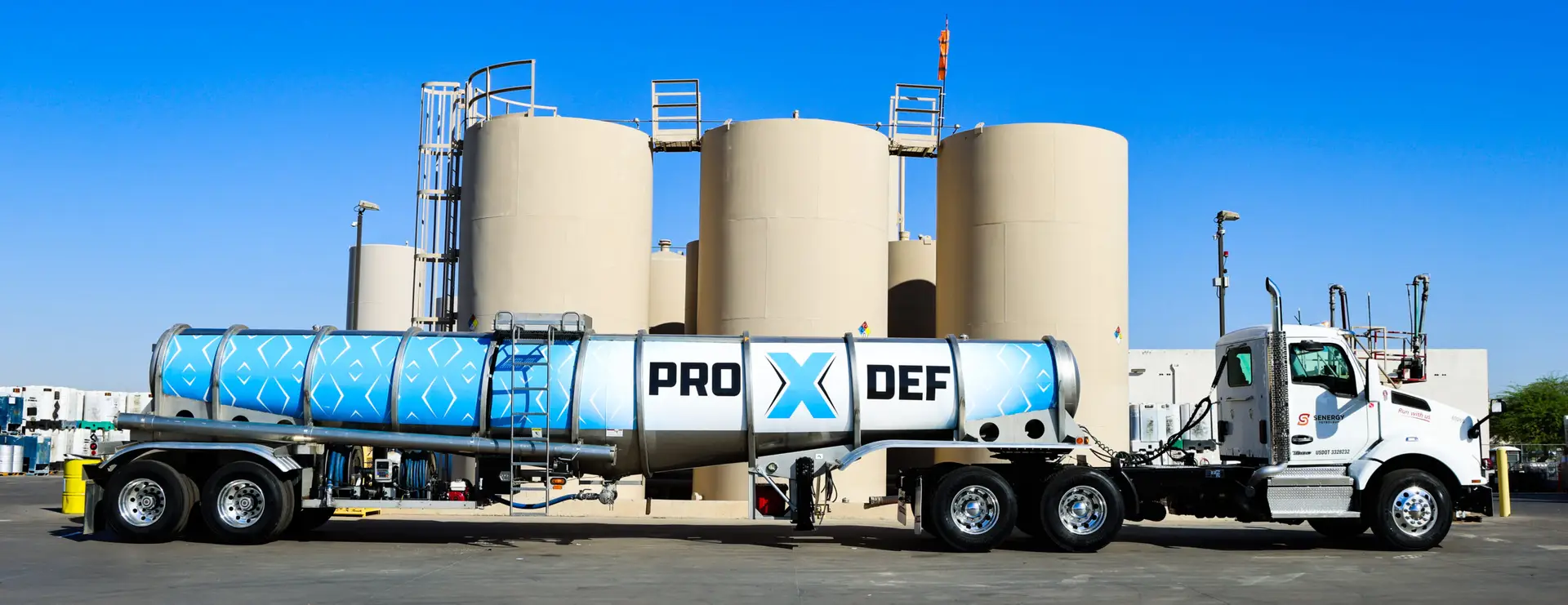
Why Every Diesel Operation Should Invest in a DEF System
Diesel-powered equipment is essential across industries such as trucking, construction, agriculture, and government operations. Stricter regulations have made it necessary for fleets to carefully manage fuel and exhaust systems. Diesel Exhaust Fluid (DEF) systems play a critical role in ensuring compliance by breaking down nitrogen oxides into harmless components. Without effective diesel emissions control, businesses risk fines, downtime, and even the loss of key contracts. Implementing a DEF system helps operations remain compliant with federal and state requirements. For any diesel operation, having a reliable DEF system in place is no longer optional—it’s a fundamental cost of doing business in today’s regulated marketplace. Companies that adapt early avoid disruptions and position themselves for long-term success.
Protecting Equipment and Extending Engine Life
Beyond compliance, DEF systems provide significant advantages for equipment performance and longevity. When properly installed, they help engines operate more efficiently by reducing soot buildup and lowering stress on aftertreatment components. This leads to fewer repairs, longer service intervals, and reduced downtime for heavy-duty vehicles. For fleet managers, the result is more predictable operating costs and extended equipment life cycles. A well-functioning DEF system ensures engines perform at peak efficiency without being overburdened. While some business owners may initially view DEF as an added expense, it quickly proves to be an investment in protecting valuable assets. By reducing engine strain, reliability improves, and operators spend more time on the job instead of in the repair shop. Considering the high cost of replacing diesel engines, investing in DEF equipment directly supports performance and extends the lifespan of critical assets.
Fuel Efficiency and Operational Savings
One of the most overlooked benefits of DEF system implementation is the potential for improved fuel efficiency. Modern engines paired with selective catalytic reduction (SCR) technology can burn fuel more effectively since they no longer need to overcompensate to meet internal requirements. This results in fewer gallons consumed per mile—a difference that becomes significant when multiplied across an entire fleet. DEF solutions provide operators with a dual advantage: meeting compliance requirements while also delivering measurable fuel savings. Even modest improvements in fuel economy can add up to thousands of dollars annually, especially for businesses operating large fleets or heavy equipment. In industries such as agriculture, construction, and transportation, these savings help offset the cost of DEF itself. Rather than being an added burden, DEF allows engines to run at their intended efficiency, ultimately lowering overall operational costs.
Strengthening Business Credibility with DEF Systems
Customers and business partners place a high value on reliability and compliance. Companies that demonstrate proactive management of diesel emissions often secure stronger contracts, build trusted relationships, and strengthen their reputation in the marketplace. A diesel strategy that includes DEF highlights a commitment to efficiency, compliance, and forward-thinking operations. In many cases, government agencies, shippers, and agricultural businesses require proof of DEF system installation before awarding projects. By showcasing an investment in DEF solutions, businesses send a clear message: they are prepared, compliant, and positioned to deliver consistent performance. Beyond compliance and cost savings, DEF provides a competitive edge when bidding for contracts or renewing service agreements, reinforcing long-term business stability.
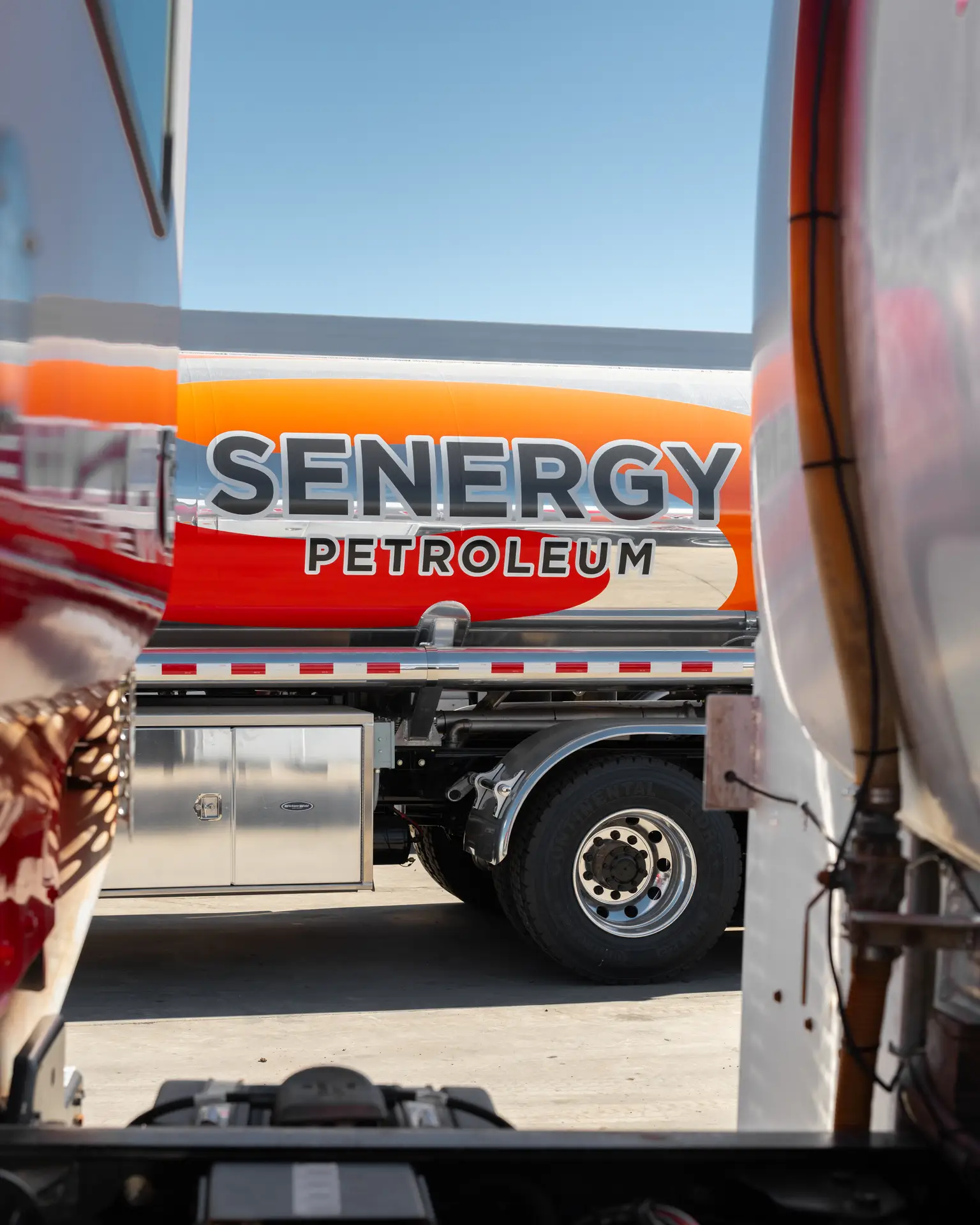
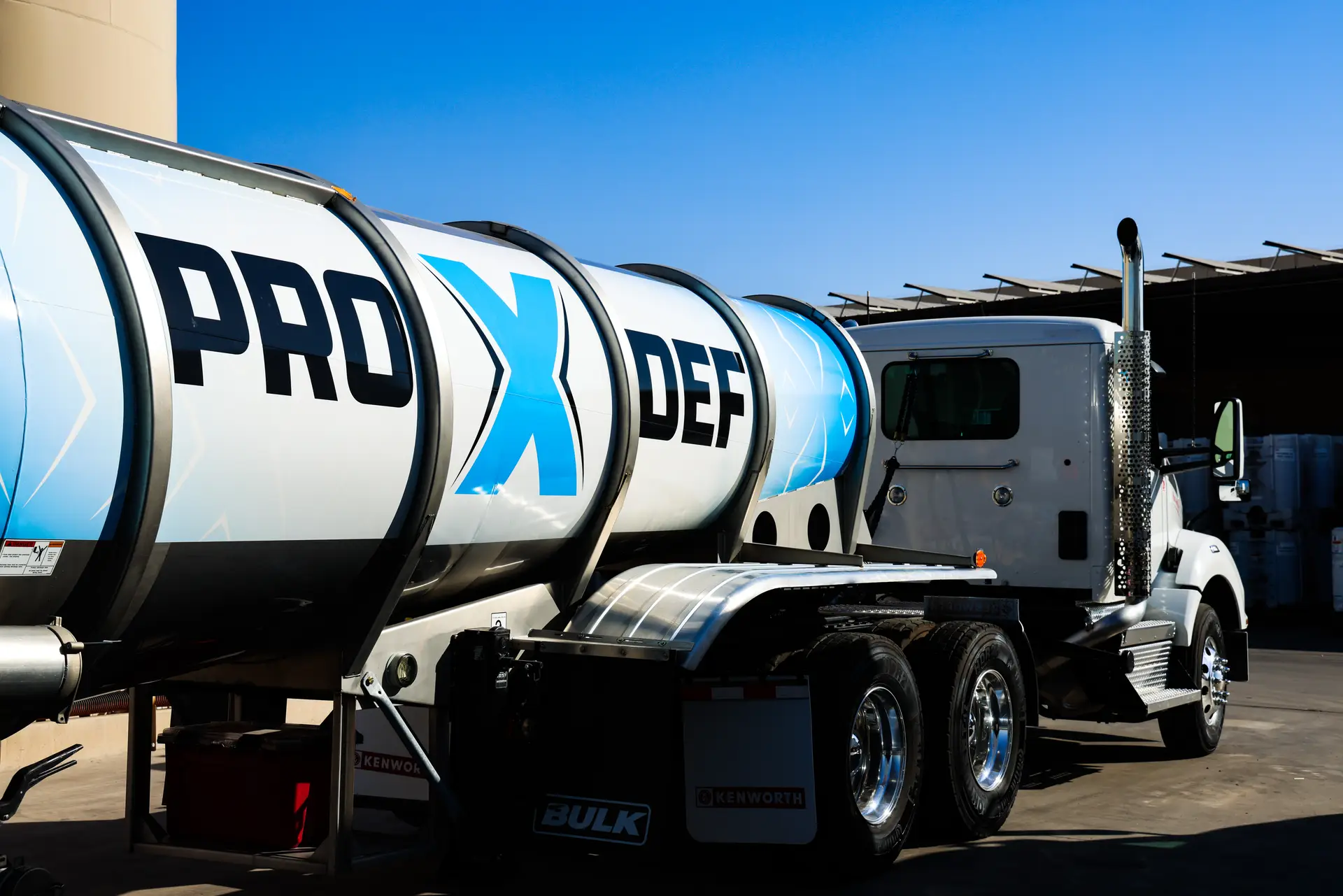
Why DEF Systems Safeguard Operations and Reduce Risk
Operating without a reliable DEF system poses serious risks. Non-compliance can result in steep fines, legal consequences, or even the grounding of vehicles. For businesses that rely on government or contractual work, failure to maintain a proper DEF strategy could mean losing critical opportunities. Beyond penalties, vehicles without DEF are more likely to experience performance issues that lead to costly downtime. An unexpected emissions-related breakdown not only disrupts operations but can also damage customer relationships. DEF solutions reduce these risks by ensuring compliance and consistent performance. With the right DEF system in place, businesses can operate with confidence, knowing their fleets are reliable, efficient, and less likely to face unexpected interruptions. This assurance is especially valuable for time-sensitive operations such as fuel delivery, agricultural planting, or long-haul trucking. Simply put, investing in DEF is investing in uninterrupted business success.
DEF Solutions for Fleets: Driving Efficiency at Scale
For companies managing multiple vehicles or heavy-duty equipment, fleet DEF solutions deliver significant operational advantages. Large fleets require consistency, efficiency, and reliability—and DEF systems provide all three. Bulk DEF storage and dispensing equipment simplify refueling, ensuring drivers and operators have quick access without disrupting schedules. Centralized management of DEF supply prevents costly downtime caused by running out of fluid. The benefits of DEF systems become even more evident at scale: reduced maintenance costs, improved fuel efficiency, and long-term savings add up across dozens or even hundreds of vehicles. Fleet managers can also integrate DEF usage data into their maintenance tracking systems, making it easier to meet service expectations and optimize budgets. For industries such as logistics, agriculture, and municipal services, DEF solutions are about building scalable, reliable systems that keep entire fleets running without compromise.
Protecting Equipment Value and Resale Potential
Another key advantage of investing in a DEF system is its impact on resale value. Buyers in the used equipment market look for vehicles and machinery that meet compliance requirements and perform efficiently. Units without DEF systems, or with poorly maintained ones, are harder to sell and command lower prices. By maintaining DEF installations and scheduling regular upkeep, businesses ensure their assets remain attractive when it’s time to upgrade. For fleets that cycle out vehicles every few years, resale value can make a significant difference in financial planning. Prospective buyers see DEF-equipped equipment as a safer investment, reducing their own compliance risks and maintenance costs. In this way, DEF is not only an operational advantage but also a strategic financial decision—protecting asset value and delivering stronger returns when transitioning to newer, more advanced models.
A Smart Investment for the Future
The diesel industry continues to evolve, and investing in DEF is about more than meeting today’s requirements—it’s about preparing for what’s ahead. Strong DEF solutions support efficiency, reliability, and cost savings, making them a core strategy for fleets of every size. Companies that make the investment now will remain competitive and resilient for years to come. Run With Senergy, and keep your operations moving with confidence.