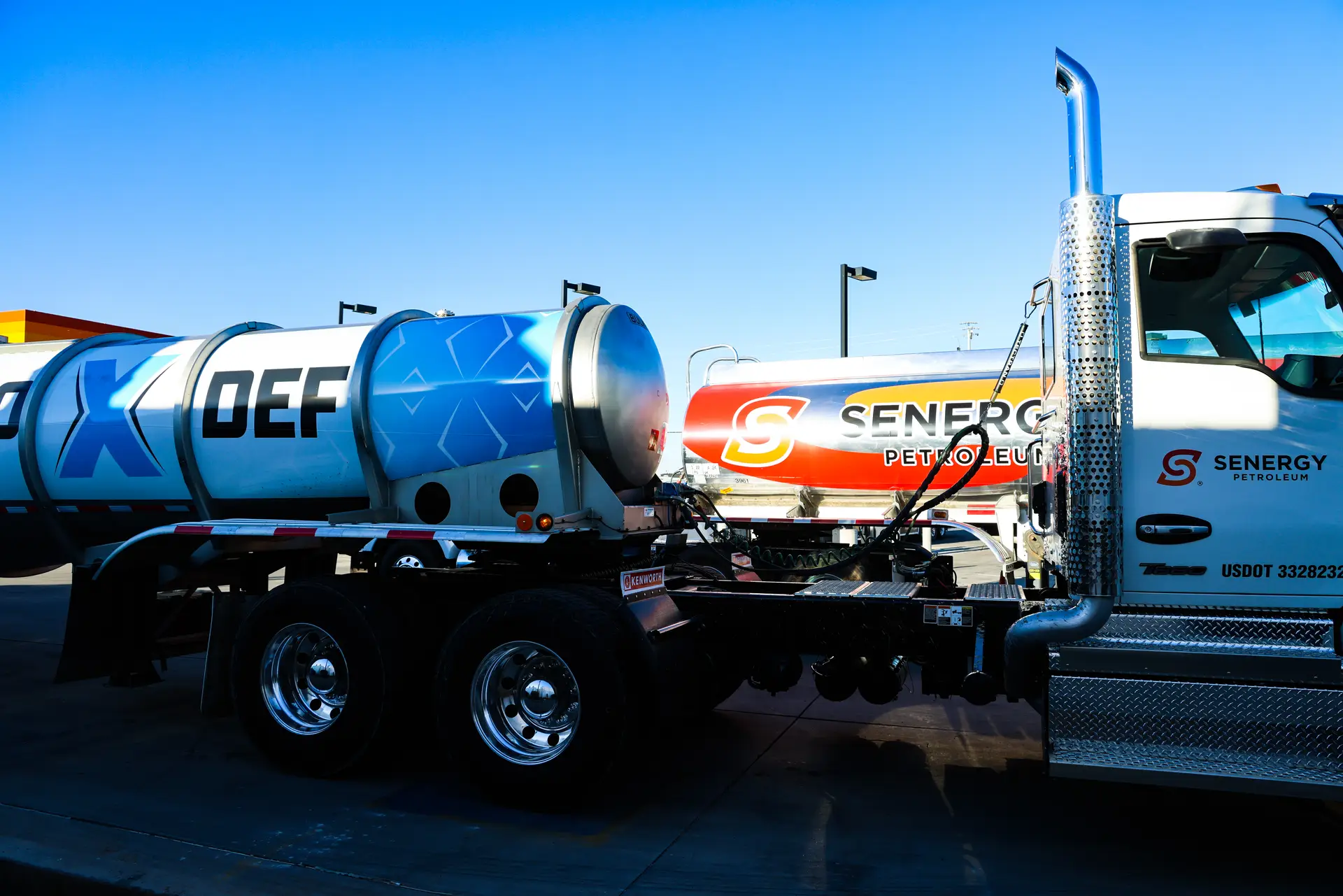
Why Diesel Exhaust Fluid Quality Matters More Than You Think
Diesel Exhaust Fluid (DEF) is not always the first consideration for diesel engine operators, yet its role is increasingly critical in modern delivery and heavy-duty systems. DEF directly impacts the effectiveness of emissions-reduction systems, particularly in vehicles equipped with Selective Catalytic Reduction (SCR) technology. Composed of urea and deionized water, DEF is a non-toxic solution that, when injected into exhaust streams, converts harmful nitrogen oxides (NOx) into harmless nitrogen and water vapor.
Not all DEF is created equal. Low-quality DEF can compromise emissions systems, reduce engine performance, and increase maintenance costs. As regulatory standards tighten and manufacturers develop cleaner engines, the importance of DEF quality has never been greater. For fleets and equipment operators, maintaining high-quality DEF is not only a compliance requirement but also essential for system reliability and operational efficiency. Understanding the critical role of DEF quality ensures fleets run smoothly while protecting long-term equipment performance.
Why DEF Quality is Critical for Modern Diesel Engines
Diesel Exhaust Fluid (DEF) is an aqueous urea solution, typically composed of 32.5% urea and 67.5% deionized water. Vehicles and equipment with Selective Catalytic Reduction (SCR) technology store DEF in dedicated tanks and inject it into the exhaust stream, where it circulates before reaching the SCR catalyst. This injection initiates selective catalytic reduction, converting harmful nitrogen oxides (NOx) from combustion into harmless nitrogen and water vapor.
Precise ratios and high purity determine the reaction’s effectiveness, making DEF quality critical. Contaminated or improperly mixed DEF disrupts the reaction and reduces the SCR system’s ability to control NOx emissions efficiently. Although DEF does not lubricate or power the engine, it plays an equally vital role in emissions systems, ensuring regulatory compliance, equipment longevity, and reliable operation.
Modern engines operate with fine calibrations, so even minor deviations in DEF composition cause sensor errors, clogging, or component failures. Operators must understand DEF’s formulation, storage requirements, and quality standards to maintain optimal system performance and meet emissions regulations.
How DEF Quality Impacts Emissions Systems
Emissions control systems in diesel engines are intricate networks of sensors, catalysts, injectors, and control modules. These systems depend on precise chemical reactions to reduce exhaust gases effectively. In this environment, DEF plays a critical role: high-quality fluid with accurate urea concentration and minimal contaminants ensures the SCR catalyst operates efficiently.
Low-quality DEF can introduce impurities—such as minerals, organic compounds, or incorrect pH levels—into the system. These contaminants may form deposits on injectors or catalyst surfaces, obstructing fluid flow and reducing the system’s ability to neutralize NOx. Over time, these deposits can trigger fault codes, lower fuel efficiency, or even cause the engine to enter “limp mode” to protect critical components.
Why High-Quality DEF Is Essential for Equipment Reliability
When evaluating the reliability of diesel equipment—from long-haul trucks to industrial machinery—operators often focus on engines, brakes, and transmissions. However, components responsible for emissions control, supported by DEF, are equally critical to overall performance. Equipment reliability can be compromised when DEF quality is poor, as substandard fluid introduces variables modern engines are not designed to tolerate.
SCR systems and associated sensors are highly sensitive to deviations in DEF composition. Contaminated or unstable DEF can clog filters, trigger faulty sensor readings, and cause onboard systems to misinterpret exhaust conditions. These disruptions result in inconsistent engine performance, unplanned downtime, and higher maintenance requirements.
High-quality DEF ensures proper interaction among the engine, after-treatment systems, and diagnostic modules. This alignment keeps emissions within regulatory standards without sacrificing fuel efficiency or operational performance. Using certified, high-grade DEF supports predictable uptime and lowers lifecycle costs, key indicators of reliable equipment operation.
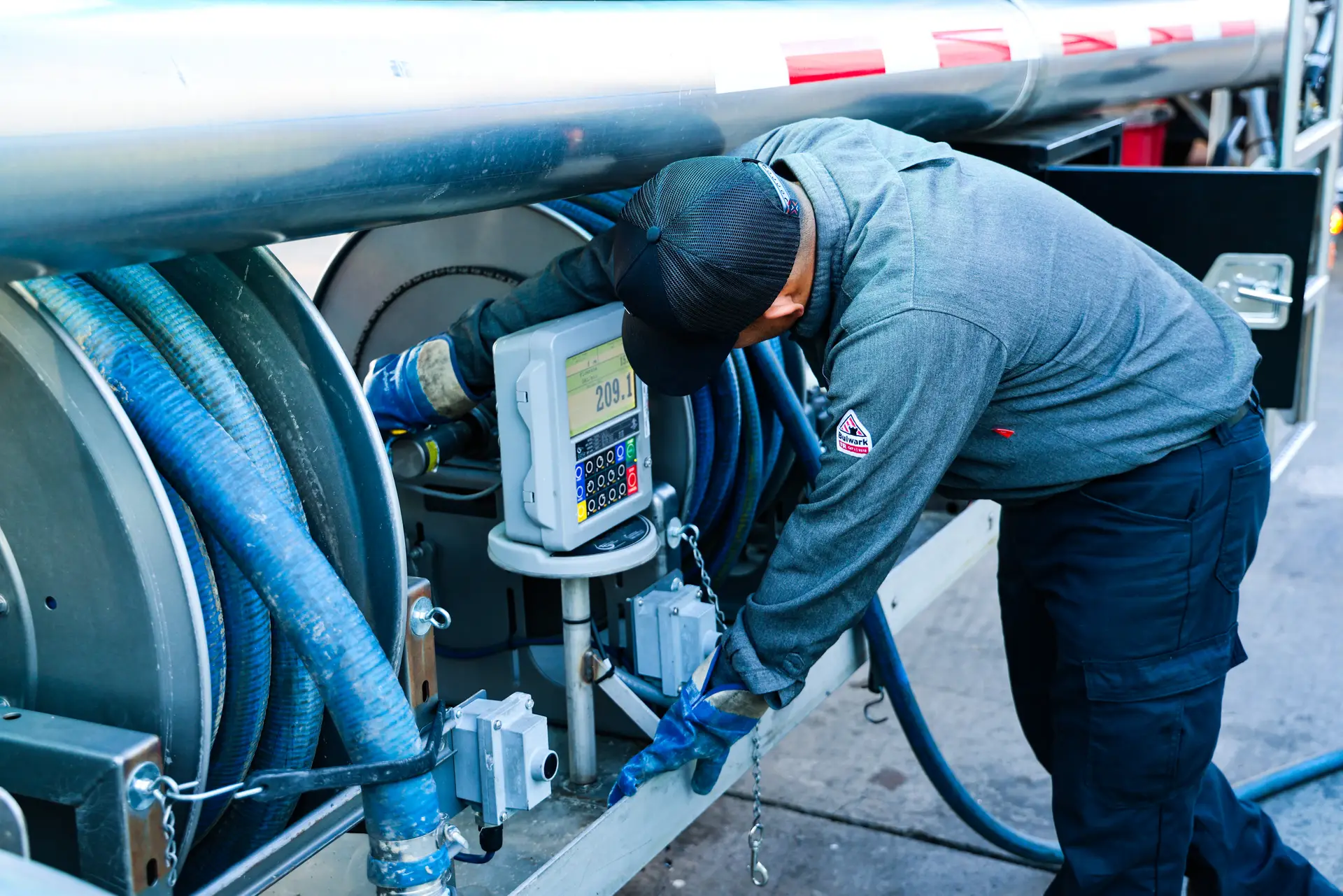
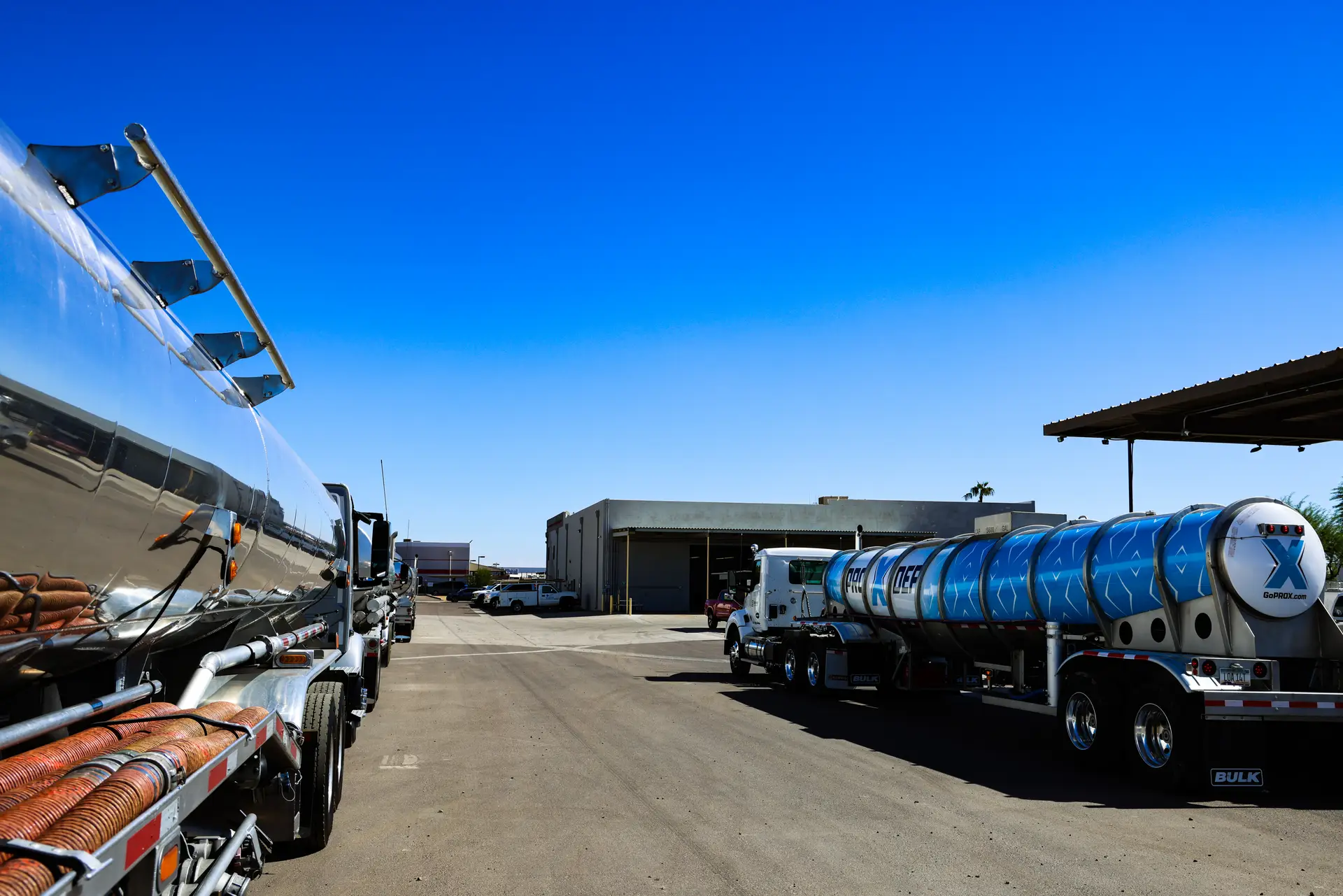
Best Practices for Storing and Handling DEF
Maintaining high-quality DEF requires careful attention. Several factors can compromise fluid integrity, from improper storage to contamination during handling. One common issue is exposure to extreme temperatures. DEF freezes at 12°F (-11°C) and can degrade if left unprotected above recommended temperature limits. Without proper storage solutions—such as insulated tanks or temperature-controlled environments—DEF can crystallize or break down, altering its effectiveness.
Contamination is another frequent concern. DEF is highly sensitive to impurities like dirt, oil, fuel, and even tap water. Because DEF is precisely formulated with deionized water, introducing minerals or organic contaminants through unclean storage containers or dispensing equipment can quickly degrade fluid quality. Contamination often goes unnoticed until emission systems begin to malfunction.
Extended storage without proper rotation can also lead to chemical degradation or microbial growth under certain conditions. Fleet managers and equipment operators must follow manufacturer guidelines for DEF storage and handling to preserve fluid quality and safeguard emissions systems from avoidable damage.
Best Practices for Maintaining DEF Quality
Preserving the integrity of DEF begins with proper handling and storage. DEF must be kept in containers specifically designed for the fluid and maintained at the manufacturer-recommended temperatures. Facilities exposed to extreme cold or heat should invest in temperature-controlled storage or insulated tanks to prevent freeze-thaw cycles and thermal degradation.
Contamination prevention is equally critical. Use dedicated, clean funnels, pumps, and dispensing equipment to avoid introducing foreign materials into DEF tanks. Even small amounts of oil, fuel, or unfiltered water can compromise DEF quality and lead to costly emissions system problems. Routine inspections of DEF storage tanks, filters, and dispensing equipment help identify contamination risks before they impact vehicle or equipment performance.
Monitoring DEF age and turnover is also essential. While high-quality DEF can remain stable for months if stored correctly, stagnant stock is more prone to degradation. Implementing first-in, first-out (FIFO) inventory practices ensures older DEF is used first, minimizing the risks associated with long-term storage.
Ensuring DEF Meets ISO 22241 Standards for Reliable Performance
To protect engines and emissions systems, DEF must meet strict industry standards, most notably ISO 22241. This standard defines the chemical and physical parameters that certified DEF must adhere to, including urea concentration, conductivity, pH, and contaminant limits. Using DEF that complies with ISO 22241 ensures operators have fluid that meets modern emissions requirements.
Compliance testing should occur at multiple points—from production facilities to fleet maintenance shops. Many fleets use portable testing kits to verify urea concentration and detect common contaminants before DEF is dispensed into vehicles. In high-risk scenarios or for large inventories, more comprehensive laboratory testing is recommended to maintain long-term DEF quality and system reliability.
Future Trends: DEF and Beyond
As emissions standards tighten and engines adopt advanced after-treatment technologies, high-quality DEF becomes increasingly essential. Emerging vehicle sensors and monitoring systems rely on proper fluid properties to ensure compliance, while improvements in DEF formulation, storage, and filtration help maintain stability and prevent costly issues. Proactive DEF management is now a key factor in protecting equipment reliability and optimizing fleet performance.