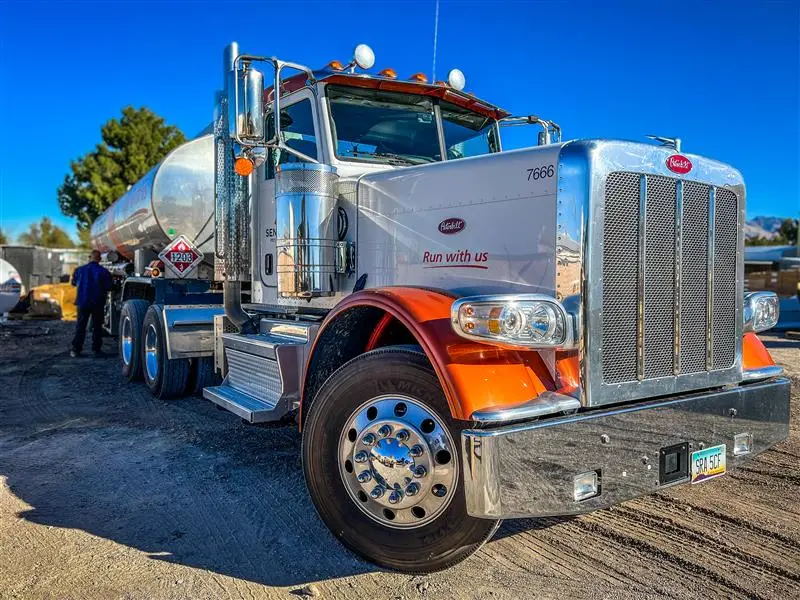
What Are Cardlock Programs and Why Are They Essential in Disaster Response?
In the emergency management landscape, cardlock applications play a critical—yet often overlooked—role in sustaining life-saving operations, supporting repair efforts, and keeping essential infrastructure running. At their core, cardlock applications are secure fuel access systems that allow authorized vehicles to refuel at designated locations using a fuel card or access code. This model eliminates the need for on-site staffing, reduces congestion, and ensures access to fuel through a reliable network of stations available 24/7.
The importance of cardlock applications during emergency and disaster scenarios lies in their ability to keep response fleets moving without interruption. Fire engines, ambulances, military transport vehicles, and humanitarian delivery fleets depend on consistent, dependable fueling to remain operational. Traditional retail fuel stations often face disruptions during crises due to power outages, supply constraints, or long wait times. In contrast, cardlock locations are strategically placed, closely monitored, and controlled, enabling fleets to refuel with minimal human involvement. This reliability makes cardlock fueling an essential resource in emergency response situations, where speed, efficiency, and operational continuity directly impact outcomes.
Ensuring Continuous Emergency Fueling During Crises
Reliable electricity is key to effective emergency management. Disasters like hurricanes, wildfires, earthquakes, and floods often disrupt traditional fuel supply chains. Retail stations may be closed, power outages can disable pumps, and public panic can cause long lines that delay emergency vehicles. In these situations, cardlock systems provide dependable, uninterrupted fueling.
Cardlock stations operate autonomously and often have backup power to keep pumps running during outages. Many maintain on-site fuel reserves, reducing vulnerability to post-disaster delivery disruptions. These features are critical when first responders cannot afford delays.
Cardlock networks can also be supported through agreements with fuel providers to prioritize emergency vehicle replenishment. This ensures inventory at cardlock sites stays above mission-critical levels. Emergency planners integrate these systems in advance, so crews know exactly where to refuel. Pre-authorized access eliminates manual payment verification, speeding fueling operations. This streamlined process is essential, as even small delays can slow rescues, evacuations, and other critical response efforts.
How Cardlock Access Improves Fleet Management in Emergencies
Effective emergency response depends on more than fuel availability—it requires coordinated fleet management and real-time visibility into resource status. Cardlock access systems provide a critical advantage by integrating fueling data with centralized fleet management platforms. Each fueling event at a cardlock location is recorded, generating insights into fuel levels, vehicle location, and usage patterns. This level of visibility allows incident command teams to make informed decisions regarding asset allocation, route planning, and deployment strategies.
During emergencies, conditions can change rapidly. Roads that are accessible one moment may become impassable due to debris or flooding, and response teams may need to reassign vehicles with little notice. Centralized fueling data from cardlock systems enables commanders to anticipate refueling needs and position assets proactively. This predictive capability helps eliminate unnecessary delays and improves overall response efficiency. For example, ambulances preparing for mass-casualty incidents can be staged near reliable fueling locations to remain operational without interruption.
How Cardlock Fueling Enables Rapid Emergency Deployment
One of the most significant advantages of cardlock systems in emergency situations is their ability to support rapid deployment. Disasters demand immediate action, and delays can cost lives and intensify impacts on affected communities. Cardlock stations are often positioned along major transportation corridors, near emergency staging areas, and within regions that provide broad geographic coverage. This strategic placement ensures response vehicles are never far from a reliable fueling source, allowing teams to deploy and return efficiently without unnecessary detours.
During large-scale emergencies, organizations develop detailed fueling plans that designate specific cardlock access points based on operational zones. This advance planning allows crews to mobilize with confidence, knowing exactly where and how they will refuel. Rapid deployment is not solely about speed—it is about predictability and operational consistency. Cardlock systems act as dependable fueling anchors, reducing uncertainty when traditional fueling options may be unavailable.
In many regions, emergency management agencies collaborate with fuel providers to secure additional supply or establish temporary fueling locations using existing cardlock infrastructure. These temporary expansions are especially valuable in remote or heavily impacted areas where conventional stations are limited. By leveraging cardlock systems as extension hubs, organizations maintain continuity of operations even in challenging conditions. This connected, responsive approach enables vehicles and crews to mobilize quickly with minimal logistical friction, maximizing the overall effectiveness of emergency response efforts.
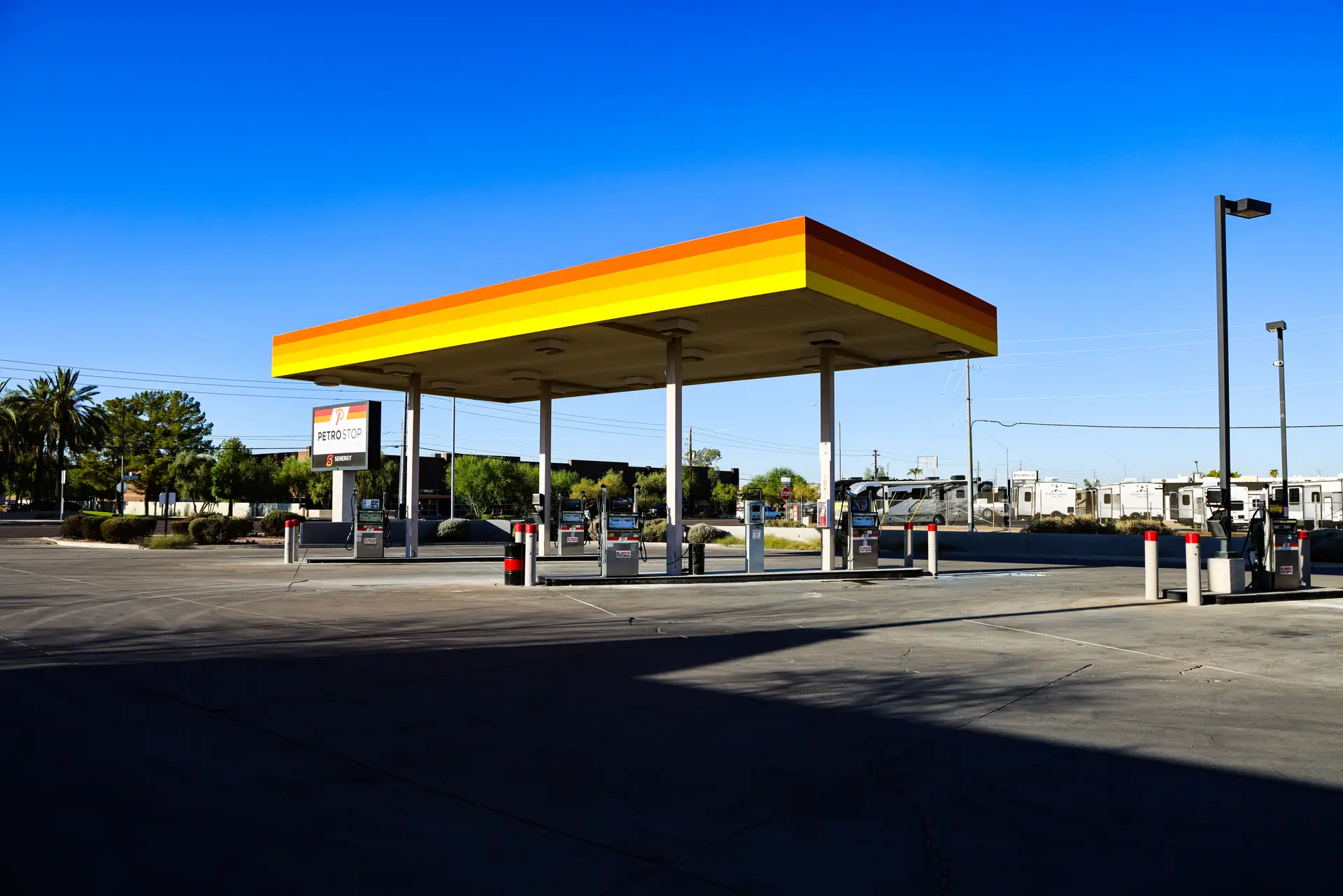
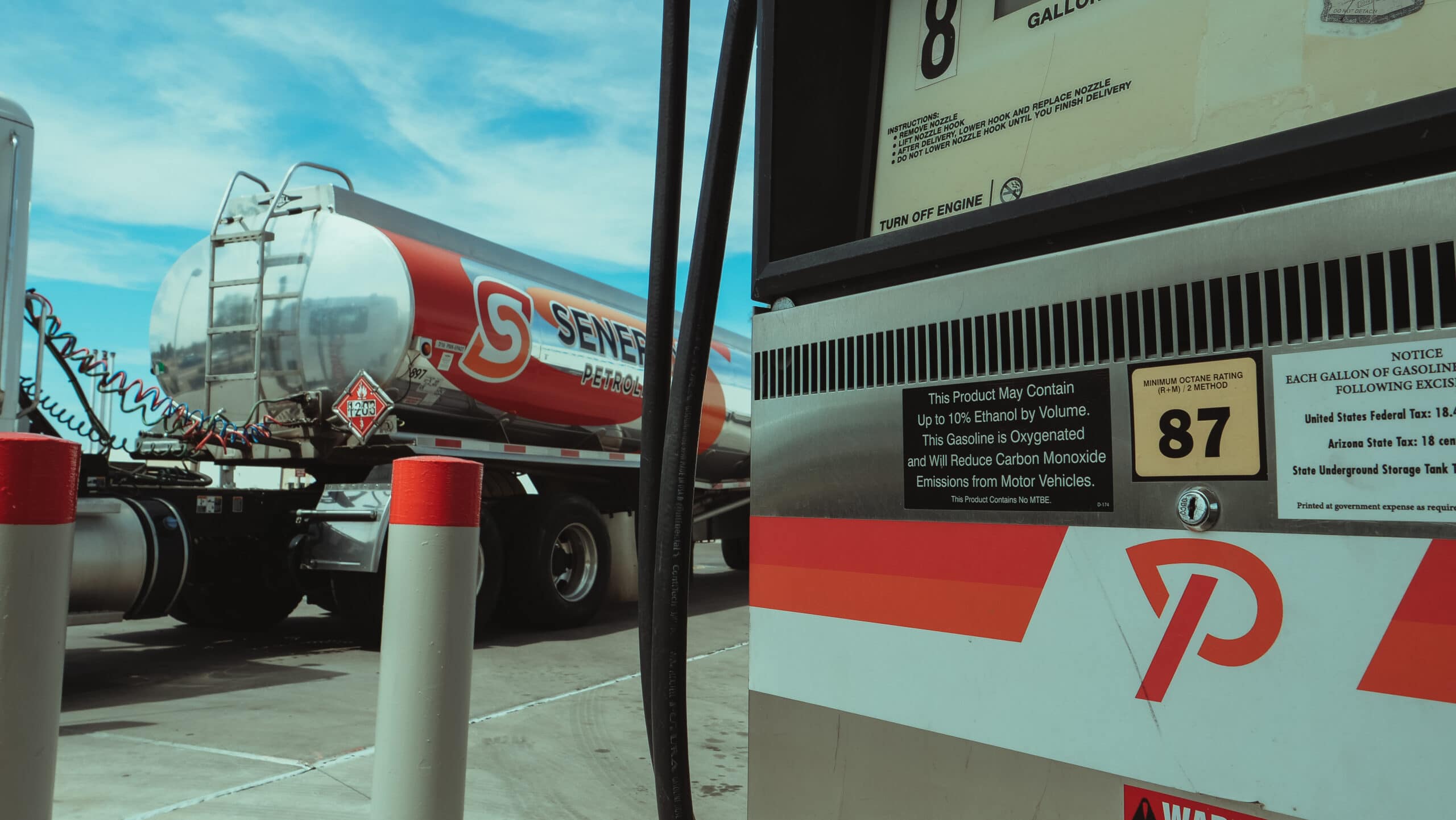
Security and Accountability in Emergency Fuel Distribution
Fuel theft, unauthorized use, and resource diversion challenge disaster response, especially when supplies run low. Cardlock systems reduce these risks with secure digital controls and user authentication. Each fueling transaction requires a unique card or PIN tied to a specific vehicle and operator, creating a clear, auditable record. This accountability helps emergency organizations track consumption and justify logistical decisions.
Cardlock systems restrict access to authorized users, ensuring fuel serves legitimate emergency operations. Traditional retail stations often face looting, congestion, and operational disruptions during disasters. Cardlock terminals, by contrast, serve fleets, include fencing, and use digital monitoring to prevent unauthorized use. Many locations also offer remote surveillance and alarms, maintaining security when staff cannot be on-site.
Integrating Cardlock Systems into Emergency Preparedness Planning
Proactive planning is the foundation of an effective emergency response. Leading emergency management organizations incorporate cardlock systems into their preparedness frameworks well before disasters occur. This integration begins with identifying critical fueling assets, securing access agreements, and mapping cardlock locations to designated operational zones. Training exercises often include simulated rapid-deployment scenarios in which response teams practice using cardlock access, helping refine coordination and fueling logistics under realistic conditions.
Preparedness planning also includes risk assessments that account for changes in fuel demand across different disaster scenarios. By modeling usage patterns and station capacity, planners can identify coverage gaps and negotiate expanded access or additional supply agreements in advance. These proactive measures make it far easier to scale operations during an actual emergency without the uncertainty of securing fuel at the last moment.
Additionally, cardlock systems can integrate with broader emergency management tools, including GPS fleet tracking, dispatch platforms, and incident command systems. This connectivity creates a seamless flow of information that enhances situational awareness and operational efficiency. When fueling is predictable and fully integrated into response plans, crews spend less time navigating logistical challenges and more time focused on critical mission objectives. Ultimately, embedding cardlock systems into preparedness strategies strengthens the overall emergency response infrastructure.
In Multi-Agency and Cross-Jurisdiction Operations
Disasters often require collaboration across organizations, jurisdictions, and even borders. Coordinating resources in these situations can be challenging. Cardlock systems bridge these gaps by providing standardized fueling access for multiple agencies. This eliminates complications from differing prices, payment methods, or station restrictions. When fire departments, medical teams, law enforcement, and humanitarian groups share the same fueling network, interoperability improves and logistical transitions become smoother.
Standardized cardlock access also reduces the need for separate fueling arrangements, cutting redundancy and administrative strain. Agencies can rely on a shared network to support various operational needs. This approach streamlines fuel logistics and fosters collaboration and resource sharing in high-pressure environments.
Cross-jurisdiction operations benefit further from centralized reporting and monitoring. Shared visibility of fuel usage helps organizations coordinate decisions and allocate resources efficiently. In multi-agency responses, this transparency prevents duplication and ensures fuel reaches where it’s needed most. As disaster response grows more complex, interoperability through cardlock systems is no longer optional—it’s essential.
The Future of Cardlock Fueling
As emergency response challenges continue to evolve, so do cardlock systems. Advances such as mobile access, predictive analytics, and telematics are enhancing how crews interact with fueling networks. Mobile authorization streamlines access, while data-driven forecasting helps planners anticipate fuel demand and position resources more effectively. As these technologies advance, cardlock locations are becoming intelligent, connected assets that improve visibility, efficiency, and operational readiness during both immediate response and long-term recovery efforts.