Why Cardlock Programs Are Essential for Multi-State Operations
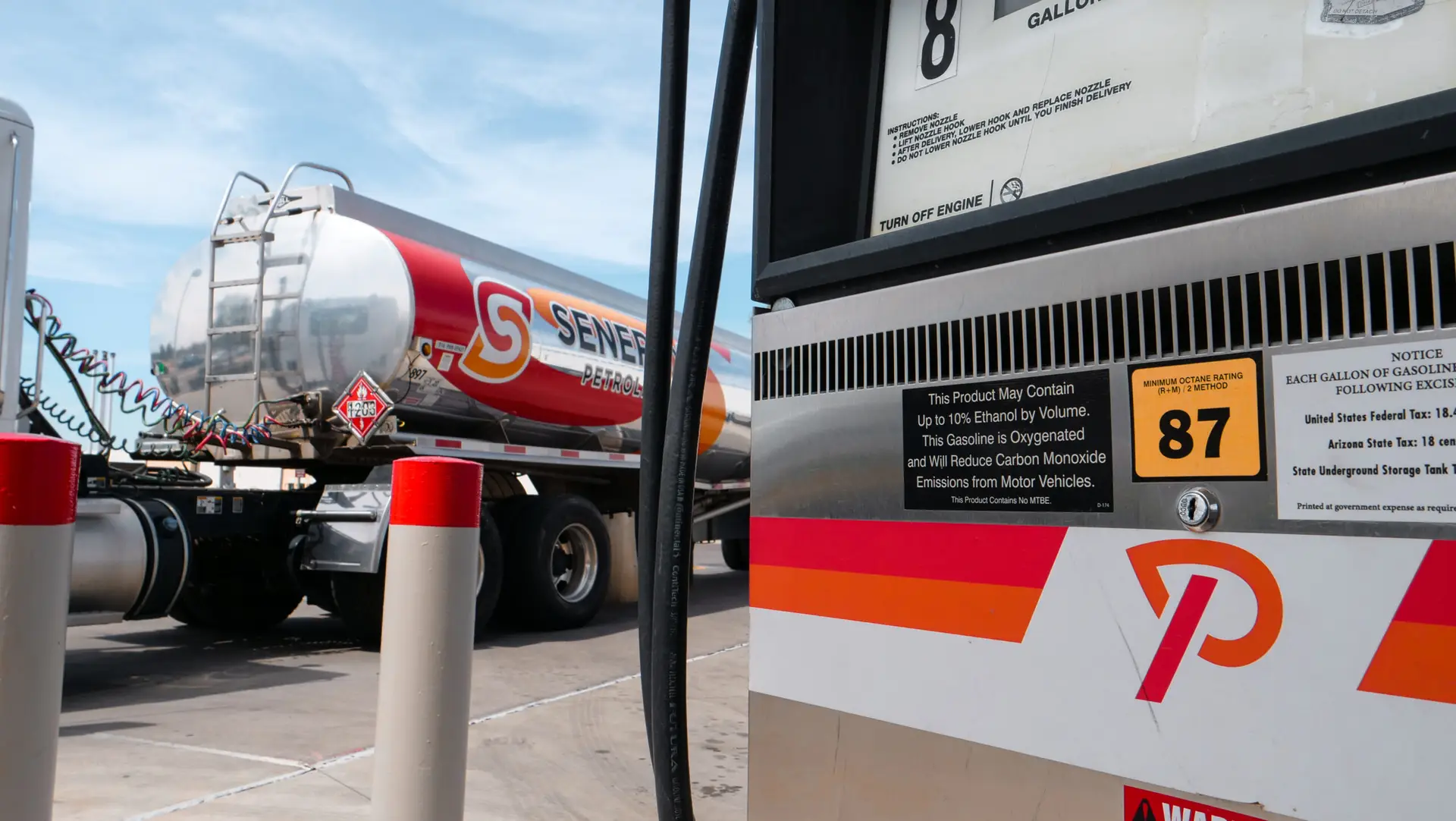
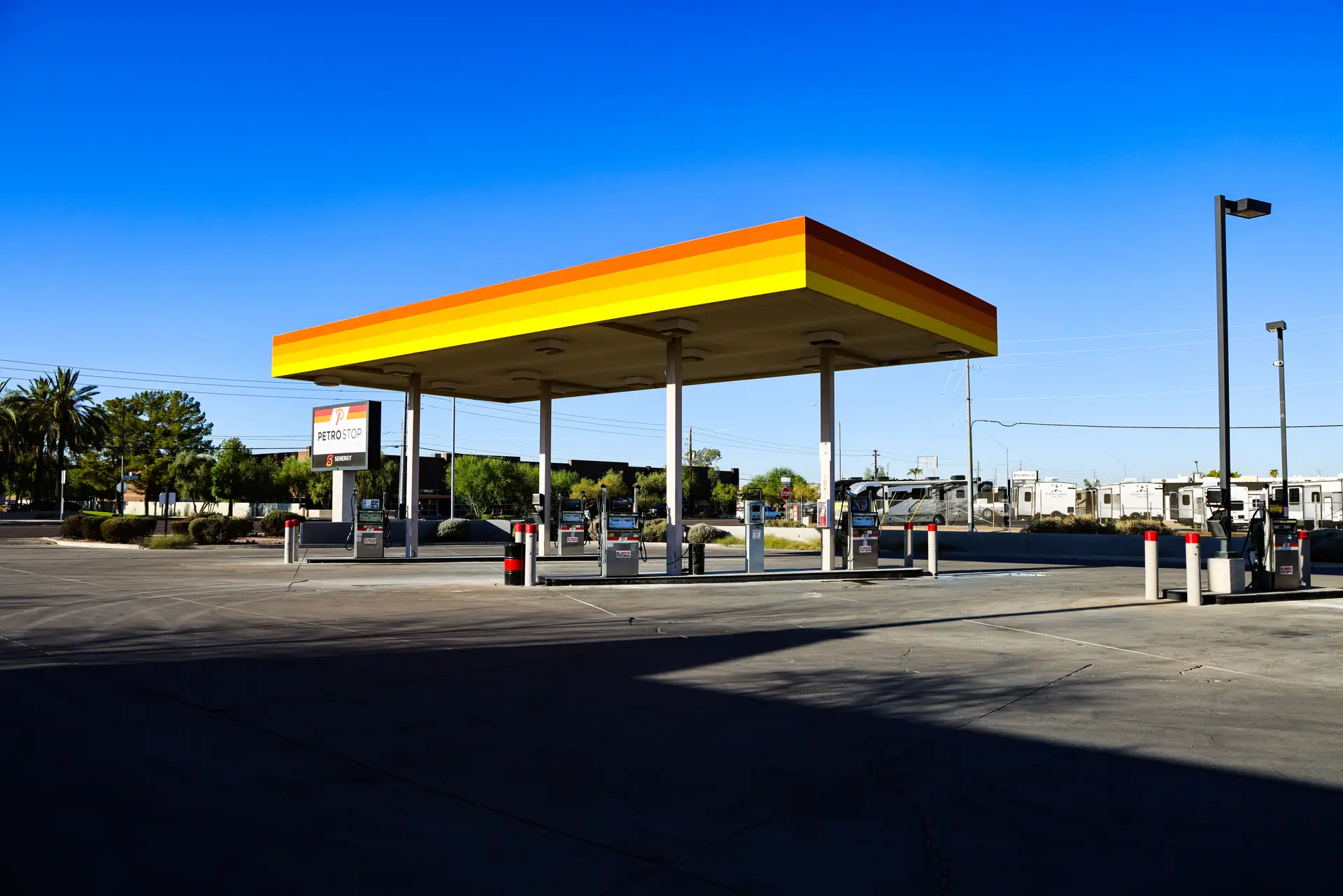
Cardlock systems are specialized fuel access solutions designed for industrial fleet operations. Unlike retail fueling stations that serve individual drivers, cardlock networks connect fleet vehicles to a dedicated network of unmanned fueling stations. These stations are strategically located along major industrial routes and high-traffic corridors, enabling drivers to refuel quickly and continue operations without unnecessary stops or delays. Each system operates via a fuel card that unlocks pumps at specific locations, allowing organizations to manage fuel purchases with precision.
Built to meet commercial needs, cardlock stations typically offer 24/7 access, high-capacity pumps, and layouts optimized for large vehicles, including vans and trucks. Transactions are recorded in real time, providing fleet managers with detailed data on fuel usage, location, time, and volume at each fill-up. These capabilities make cardlock systems an ideal solution for organizations with multi-vehicle fleets, offering security, reporting, and operational visibility across expansive territories.
Why Multi‑State Fleets Need Consistent Fueling Options
Fleets operating across multiple locations often face logistical challenges. Trucks or service vehicles traveling statewide may encounter varying fuel networks if relying on public stations. In contrast, a cardlock network provides consistency, with participating stations spread across many regions. Large carriers, logistics companies, and service providers benefit from a uniform fueling experience for drivers, no matter the location.
For multi-vehicle fleets, predictable access to fueling stations eliminates uncertainty about finding open pumps or unfamiliar networks. Drivers use their assigned fuel card at any participating station, removing the need for cash or personal credit cards. This system also minimizes detours, improving route efficiency and keeping operations on schedule.
Beyond availability, cardlock software manages pump access and tracks fuel usage while helping stabilize fuel costs. Many cardlock providers use wholesale or cost-plus pricing models, allowing fleets to predict expenses and maintain tighter budgets. For organizations requiring consistent time, distance, and fuel management across regions, reliable fueling options simplify planning and operations.
How Cardlock Systems Improve Route Efficiency
Effective route planning is critical for fleet operations. When drivers know where to refuel along designated routes, navigation becomes more efficient. A comprehensive cardlock network allows organizations to schedule fueling stops rather than having drivers search for stations.
Cardlock stations are strategically located along major trucking routes, in business districts, and at transport hubs. Drivers can refuel without detours, saving miles and hours while keeping vehicles on schedule. High-capacity pumps serve industrial users and often operate unattended, allowing fueling during planned breaks without slowing operations.
Cardlock networks also provide real-time data that fleet managers can use to analyze routes and optimize performance. Detailed fueling logs reveal trends such as unplanned stops or spikes in fuel consumption, enabling adjustments that improve efficiency and maintain operational control.
Controlling Fuel Costs with Cardlock Systems
Fuel expenses are a major variable in transportation and logistics. For multi-location fleets, fluctuating prices at retail stations can make budgeting challenging. Cardlock systems—automated fuel dispensing networks accessible to authorized users—typically use pricing models tied to wholesale markets or fee-plus structures, adding a fixed fee to the wholesale price instead of relying on retail rates. This approach delivers more predictable per-gallon costs and reduces unexpected expenses.
Even moderate per-gallon savings can accumulate into substantial annual discounts for fleets with high fuel volumes. Predictable pricing and detailed transaction reports enable finance teams to forecast fuel budgets with greater accuracy, supporting operational planning and profitability.
Additionally, cardlock programs consolidate invoices for all fuel transactions across the network. This simplifies bookkeeping and reduces the administrative effort of reconciling numerous individual receipts. Fleet managers gain a clear overview of costs, which is particularly valuable for organizations operating in multiple states that need to allocate fuel expenses across branches or departments.
Enhancing Fleet Accountability with Cardlock Fueling
Managing a fleet extends beyond controlling fuel costs—it also requires preventing misuse. When private cash or credit cards are used for fueling, tracking fuel consumption can be difficult and inaccurate. Cardlock systems address this by assigning each fuel card to a specific vehicle and driver. Every fueling event is logged, capturing who fueled, when, where, and the type of fuel purchased.
These logs allow organizations to identify unusual patterns, such as repeated refueling at unauthorized locations or fuel purchases that deviate from planned routes. Real-time tracking and customizable controls enable restrictions by fuel type, location, time of day, or daily gallon limits. Lost cards or personnel changes can be managed immediately by revoking access.
These security and tracking features ensure accountability. Drivers understand their fueling activity is monitored, while fleet managers can verify fuel is used solely for business purposes. Over time, these controls reduce waste and enhance overall fleet performance.
Streamlining Fleet Management with Cardlock Systems
Fuel management can be labor-intensive, requiring manual tracking and paper receipts. Agencies operating large fleets across multiple states often face significant administrative burdens that divert time from strategic tasks. Cardlock systems automate recordkeeping, logging every fueling transaction for centralized review.
These records can be sorted by vehicle, driver, station, or fuel type. Accounting teams no longer need to chase receipts or manually enter data. Dashboards can export information directly to accounting software or fleet management platforms, reducing errors and ensuring accurate reporting for cost analysis, tax compliance, and operational reviews.
With precise, accessible fuel data, fleet managers can make informed decisions quickly. Analysis moves beyond information gathering, creating streamlined workflows that save time and resources and allow managers to focus on enhancing fleet performance.
Using Cardlock Data to Drive Strategic Fleet Decisions
Beyond daily operations, cardlock fueling data serves as a strategic asset. Tracking fuel consumption and usage over months and years allows organizations to identify patterns that inform long-term planning. Persistent anomalies in fuel usage may highlight the need to upgrade or replace vehicles.
Fleets can use fueling data to enhance driver performance, maximize route efficiency, and evaluate service area alignment. Organizations expanding into new regions or adjusting provider territories can rely on robust cardlock networks as a foundation for seamless growth, without the need to build infrastructure from scratch.
Smart fuel management supports operational efficiency. Detailed fuel intake data enables businesses to set targets for reducing consumption, controlling costs, and optimizing planning. In industries with routine long-distance travel, these insights translate into measurable improvements in performance and profitability.
Choosing the Right Cardlock System
Not all cardlock programs are the same. When selecting a solution, businesses should consider geographic coverage, reporting capabilities, customer support, and the strength of operational controls. Integration with existing fleet management tools is essential, allowing fuel data to inform maintenance schedules, telematics, and performance metrics. Features like mobile apps and station locators improve route efficiency.
A strong cardlock network supports both daily operations and long-term planning, providing reliable access, cost control, and actionable insights. The right system empowers fleets to focus on growth, service excellence, and sustained success.