Why Cardlock Networks Improve Driver Safety and Reduce Risk
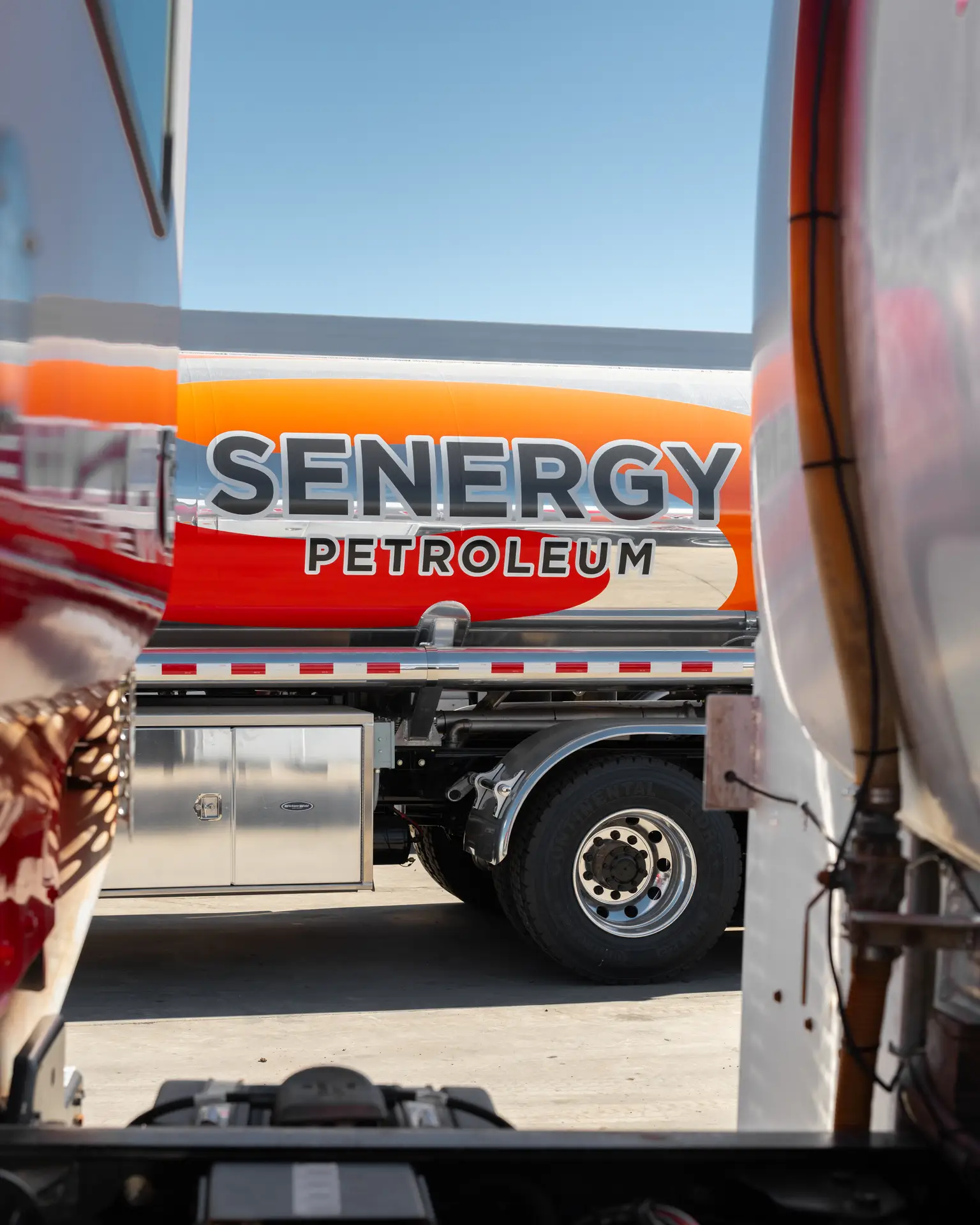
Cardlock networks are specialized fueling locations designed specifically for fleet drivers and no longer open to general walk-in traffic. That single distinction significantly improves safety and control. When a site is built for business vehicles, it typically includes wider turning areas, clearer entry and exit routes, improved lighting, and dedicated diesel lanes. Fewer unexpected obstacles lead to fewer near-misses. Drivers are not navigating impatient passenger vehicles, tight retail layouts, or confusing signage that often contribute to incidents at traditional fuel stations.
From a safety standpoint, cardlock networks reduce many of the unknown factors that contribute to incidents, including unpredictable crowds, inconsistent behavior, and mixed vehicle types. With a consistent layout, drivers quickly develop safe, repeatable habits. They know where to stop, which hoses to use, how to queue properly, and how to exit efficiently without backing into traffic. While fueling correctly once is important, fueling correctly week after week is what helps reduce claims, downtime, and injuries over the long term.
Cardlock networks also support a more professional fueling culture. Drivers are more likely to follow established procedures when the site operates like a controlled work zone rather than a crowded public stop. This shared standard improves site safety and reduces risk across the entire fleet.
The Role of Access Control in Safer Cardlock Fueling
Access control stands out as one of the most important safety enhancements in cardlock networks. Rather than allowing unrestricted public access, cardlock sites limit fueling to authorized users through fleet cards, driver IDs, PIN codes, or vehicle-based authorization. This control reduces loitering, deters theft attempts, and minimizes unpredictable activity that drivers cannot anticipate. With fewer unauthorized individuals on-site, conflicts occur less often and fueling operations stay calm and orderly.
Access control also prevents costly and potentially dangerous fueling errors. Many systems limit which fuel types a driver can dispense, which significantly lowers misfueling incidents that cause vehicle damage, roadside breakdowns, and expensive repairs. Even when drivers reach the end of a long shift, these controls provide a built-in safeguard.
From a fleet management standpoint, access control drives accountability. Each transaction links directly to a driver, a vehicle, a time, and a location, allowing managers to spot risky patterns early. When fueling occurs under unusual conditions or at unexpected locations, managers can intervene before the issue escalates. This accountability promotes safer decision-making, reinforces compliance, and protects drivers, equipment, and fleet assets.
Why Around-the-Clock Fuel Access Improves Fleet Safety
Safety is not limited to what happens at the pump—it also depends on when and how drivers refuel. With 24/7 cardlock access, drivers can fuel during off-peak hours, avoiding heavy traffic, crowded stations, and rushed decision-making. Many retail fuel sites become congested during morning and evening surges, increasing risk through tight parking areas, distracted foot traffic, and impatient drivers moving through narrow lanes.
Flexible fueling windows allow drivers to plan stops that better align with fatigue levels and route timing. This reduces last-minute fuel stops that often lead to speeding, unsafe turns, or pulling into poorly suited locations. Drivers who know they can rely on a consistently open cardlock site are more likely to make calm, deliberate decisions.
Round-the-clock fueling also supports compliance with hours-of-service and rest planning. Instead of pushing schedules to reach a station before it closes, drivers can refuel when it makes the most sense operationally and from a safety standpoint. Fewer rushed detours, fewer unnecessary stops, and less pressure to “make it work” all contribute to better outcomes. In fleet operations, reducing time pressure is one of the most effective ways to lower the risk of mistakes, incidents, and injuries.
Why Cardlock Layout and Equipment Matter for Safer Fueling
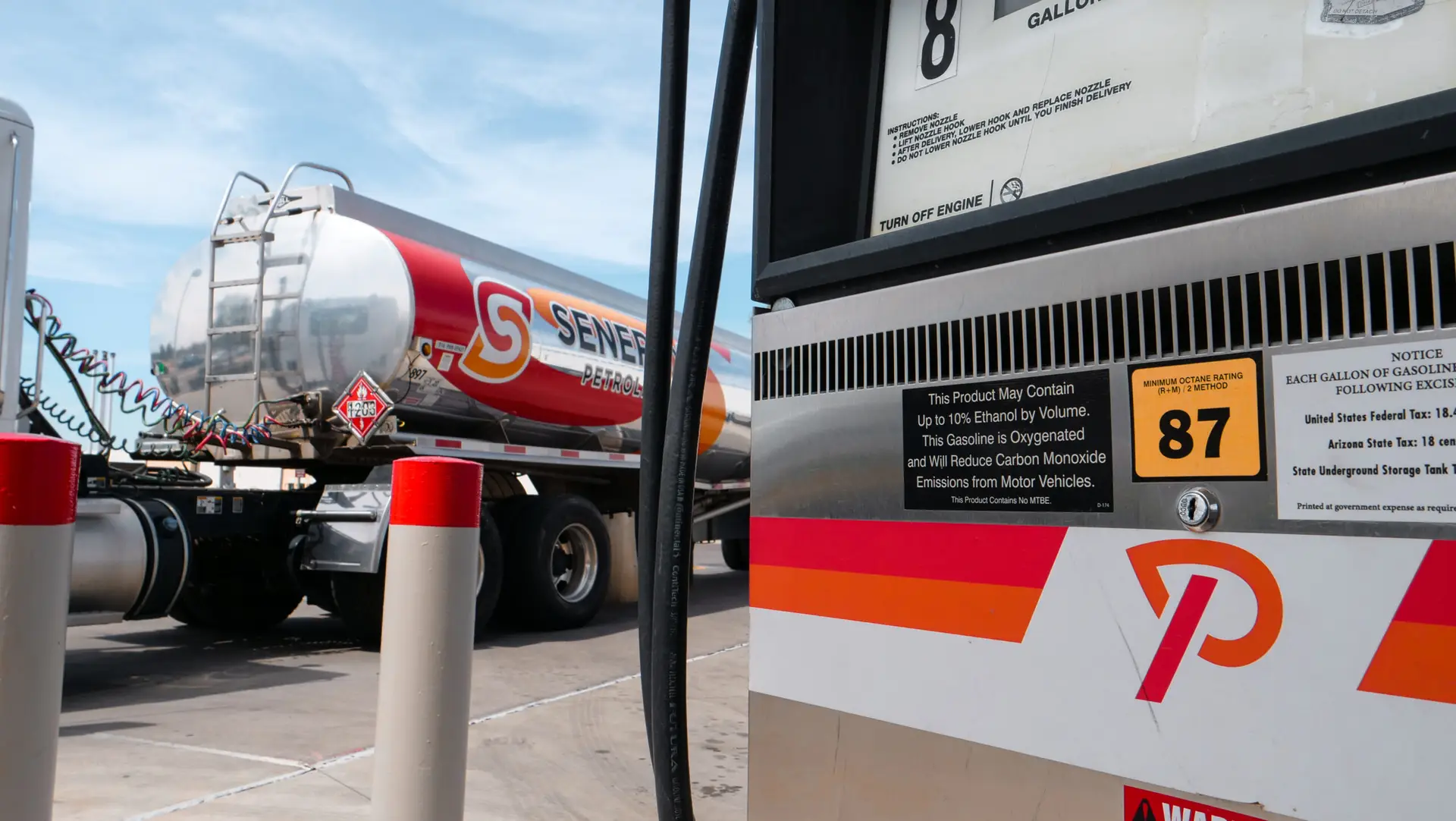
Cardlock networks often operate under more stringent site safety standards because they are designed specifically for fleet use and are frequently reviewed against consistent operational guidelines. These locations typically feature clearer lane markings, sturdier bollards, enhanced lighting, and well-placed emergency shutoff systems. These design elements help reduce minor incidents such as scraped vehicles and damaged mirrors, while also lowering the risk of more serious events like slips, trips, and fuel-related accidents.
Thoughtful site design becomes especially important during nighttime operations and adverse weather conditions. Improved lighting enhances visibility around curbs, hoses, and fueling equipment, helping drivers move with confidence. Clear traffic flow patterns and designated truck lanes reduce the need for backing and minimize blind-spot exposure. Many cardlock sites also allow adequate space for long or articulated vehicles, decreasing the likelihood of contact during turns.
Fuel site safety is further strengthened through equipment reliability. Well-maintained pumps, hoses, and nozzles reduce leaks and spray-back, helping prevent injuries during fueling. When drivers trust the equipment, they are less likely to improvise. Improvised actions—such as forcing a nozzle, stretching a hose beyond its reach, or fueling from an awkward angle—are common causes of avoidable injuries.
In short, a safer site layout reduces the need for “creative driving.” In fleet operations, fewer improvised moments translate to fewer injuries, fewer claims, and fewer lost workdays.

The Safety Value of Purpose-Built, Distraction-Free Fueling Sites
Retail gasoline stations expose drivers to constant distractions—convenience stores, crowds, loud music, digital screens, and unpredictable traffic patterns. Each distraction pulls attention away from two critical tasks: maintaining control of the vehicle and fueling safely. Cardlock networks, by contrast, are quieter and purpose-built for fleet operations. While these locations may seem “boring,” that simplicity is a significant safety advantage. In a calmer setting, drivers are less likely to rush, skip steps, or become involved in unnecessary conflicts.
Many fuel-related incidents stem from small lapses in attention, such as leaving an engine running, mismanaging a hose, stepping into slick areas, or failing to follow proper fueling procedures. Distractions increase the likelihood of these mistakes. Cardlock sites reduce competing stimuli, allowing drivers to stay focused on the task at hand.
Fleet-only locations also reduce personal safety concerns. With fewer unknown individuals on-site, drivers experience fewer uncomfortable interactions and spend less time monitoring their surroundings. This is especially important for solo drivers fueling at night. When personal safety concerns are reduced, mental strain decreases, leading to calmer decision-making and safer behavior.
Even basic routines become more reliable in low-distraction settings: parking straight, setting brakes, fueling carefully, checking surroundings, and exiting smoothly. Over time, consistent routines significantly reduce risk. Cardlock networks support that consistency by eliminating the noise and interruptions that disrupt safe habits.
Why Transaction Visibility Matters in Cardlock Fueling
Cardlock networks typically generate more detailed transaction data than informal retail fueling. This visibility is not just a budgeting benefit—it is a safety tool. When fleet managers can review fueling times, locations, volumes, and driver or vehicle identifiers, they can identify risk patterns early. Repeated fueling at unusual hours, for example, may point to fatigue, route-planning issues, or unauthorized use. Addressing these indicators early helps prevent larger incidents down the line.
Many cardlock systems integrate directly with fleet management platforms, flagging unusual or suspicious activity. This added oversight supports safer operations by reducing fraud and preventing drivers from fueling at higher-risk locations simply out of convenience. Combined with access controls, these systems make it easier to enforce clear operating rules around when, where, and how fueling occurs.
Data-driven oversight also strengthens driver training. If a specific site or behavior shows a pattern of minor incidents, training can be adjusted to address technique, approach speed, parking alignment, hose handling, and exit procedures. Safety improvements are more effective when feedback is based on real data rather than assumptions.
There is also an indirect benefit: fewer billing disputes and fewer questions around missing fuel. When records are accurate and transparent, trust between drivers and managers improves. That trust supports a stronger safety culture—one built not on reminders alone, but on consistent systems that encourage responsible behavior.
Reducing Risk by Preventing Breakdowns
Breakdowns create serious risk for drivers and surrounding traffic. Cardlock networks help reduce that risk through tighter controls and consistent fueling standards. Features like access controls and diesel-first layouts significantly lower the chance of misfueling, which is a common cause of roadside failures.
Reliable fuel quality, maintained equipment, and dependable sites also reduce unexpected issues that force drivers into unsafe stops or last-minute detours. When small fueling mistakes are prevented, larger problems are avoided. In fleet operations, safety is not just about preventing crashes—it’s about eliminating the conditions that lead to them. Cardlock networks play a key role in reducing roadside incidents, downtime, and driver exposure to unnecessary risk.