
Why Cardlock Fueling Is a Game-Changer for Commercial Fleets
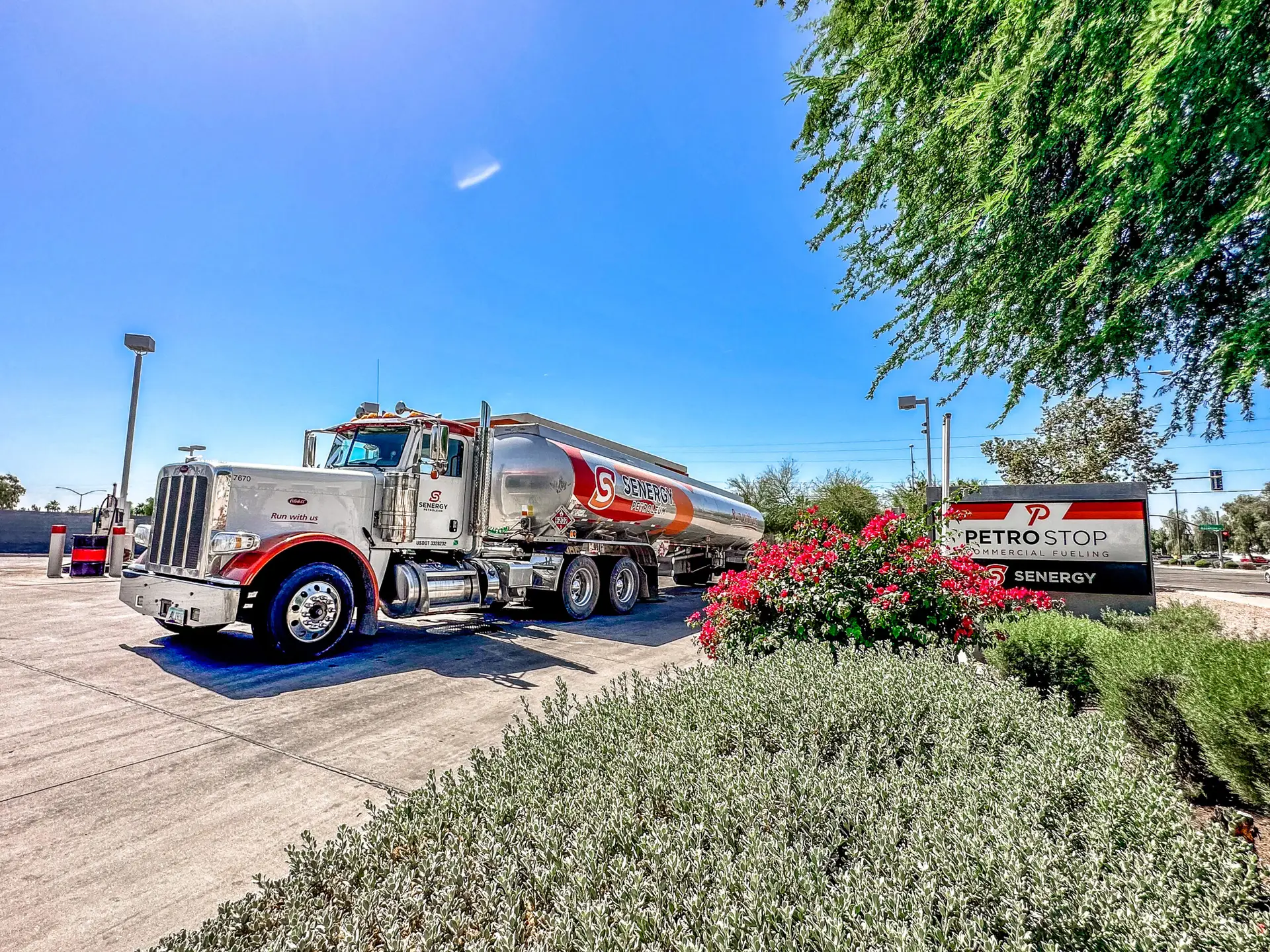
A cardlock program is a secure, commercial fueling system built for fleet operations, providing unmanned fueling points designed for larger vehicles and heavy-duty equipment. Instead of relying on retail gas stations—where congestion, slower service, and limited space often disrupt schedules—drivers use assigned fuel cards at designated cardlock locations. These stations are strategically positioned near distribution hubs, industrial areas, and major highways, allowing fleets to refuel efficiently with minimal route deviation.
Each fuel card can be assigned to a specific driver or vehicle, giving fleet managers clear oversight of every fueling event. Driver IDs or PIN codes ensure secure access and help prevent unauthorized use. Managers can set product restrictions, gallon limits, and time-of-day controls to maintain a structured fueling system that aligns with company policies. With 24/7 availability, cardlock networks support continuous operations across any shift schedule.
Centralized billing and detailed reporting offer far more clarity than traditional fueling methods. Instead of collecting scattered receipts, fleets receive comprehensive records of all fueling activity. This visibility allows companies to maintain consistency across vehicles, enforce internal standards, and strengthen operational control. In short, a cardlock program simplifies fleet fueling and gives organizations greater command over their day-to-day operations.
How Cardlock Fueling Saves Time and Reduces Operational Delays
Time ranks among the most significant operational costs for commercial fleets, and cardlock fueling reduces wasted miles and minutes. Instead of relying on retail fueling locations—which serve consumers, not heavy-duty trucks—fleets avoid long lines, tight access points, limited diesel availability, and unpredictable delays. In contrast, cardlock stations give commercial vehicles wide lanes, high-flow pumps, and fast entry and exit. Because these sites sit along major freight corridors and transportation routes, they minimize detours and keep drivers on schedule. As a result, even small cuts in fueling time over a month or quarter create meaningful productivity gains. Ultimately, this efficiency helps fleets meet delivery timelines, improve route performance, and reduce idle time.
In addition, fuel card data gives managers actionable insights for better planning. They can review where drivers stop, how often they fuel, and how much they consume to spot inefficiencies. When managers notice higher-than-expected fuel use or indirect routes, they can adjust quickly. When combined with telematics, these insights guide smarter routing decisions and reduce operational friction. Altogether, the improvements at the pump strengthen efficiency across the entire fleet.
Stronger Fuel Cost Control Through Cardlock Management
One of the most significant advantages of a cardlock program is the ability to manage fuel spending with greater accuracy. Traditional fueling methods—cash, credit cards, or manual logs—leave room for errors, overspending, and incomplete reporting. Fuel cards provide precise, transaction-level data, giving fleet managers immediate visibility into who fueled, how much was dispensed, and where each transaction occurred.
These insights support proactive cost control. Gallon limits, spending caps, and time-of-day restrictions can be assigned to each vehicle or card, helping prevent unnecessary purchases and unauthorized fuel types. This structure minimizes waste and reduces the risk of misuse.
Many cardlock networks also offer more stable pricing than retail. Because these programs serve commercial fleets rather than individual consumers, pricing may follow cost-plus or wholesale models instead of fluctuating retail rates. This stability helps fleets forecast fuel budgets with greater confidence. When combined with consolidated reporting, companies spend less time reconciling charges and more time improving operational efficiency.
Ultimately, cardlock fueling shifts fuel from an unpredictable expense to a controlled and manageable cost center.
Scalable Fueling Solutions for Growing Fleet Operations
A key advantage of cardlock programs is their ability to scale seamlessly as fleets grow. Bringing new drivers or vehicles into the system does not require contract adjustments or changes to the fueling process. Fuel cards can be issued quickly and configured with controls tailored to specific roles, vehicle requirements, or operational needs.
For fleets operating across multiple cities or states, cardlock networks offer consistent fueling options nationwide. As network coverage expands, fleets naturally gain access to additional stations without adding administrative steps. This is especially valuable for operations that run seasonal, fluctuating, or rapidly changing routes.
Cardlock programs also support consistent policy enforcement across all branches of an organization. When a fleet includes several vehicles or divisions, managers can apply the same fueling rules, spending limits, and reporting requirements across the entire operation. This standardization strengthens operational consistency and supports smoother scaling.
By enabling growth without added complexity, cardlock fueling becomes a strategic asset for companies preparing for long-term expansion, acquisitions, or route diversification.
Reducing Administrative Work Through Centralized Fuel Reporting
Managing fuel expenses is traditionally one of the most paper-heavy tasks in fleet operations. Drivers collect receipts, managers verify them, and accounting teams reconcile each transaction. Cardlock fueling simplifies this process by consolidating all activity into one organized system.
Instead of processing dozens or even hundreds of receipts each month, fleet managers receive a single invoice detailing every fueling event. This streamlines bookkeeping, accelerates reconciliation, and reduces the likelihood of human error. Real-time reporting gives administrators immediate visibility into fuel spending without waiting for monthly summaries.
This level of documentation also simplifies audits. With timestamped, vehicle-specific or driver-specific records, teams can quickly confirm compliance with internal policies. Accounting staff gain clearer insight into spending patterns and can identify irregularities early.
By reducing administrative workload and eliminating unnecessary paperwork, cardlock programs save significant time—allowing teams to focus on compliance, operational improvements, and long-term planning.
Improving Fleet Reliability With Consistent, Accessible Fueling
Reliability is essential in fleet operations, and cardlock fueling directly supports more efficient and predictable workflows. Cardlock stations are designed specifically for commercial vehicles, eliminating many of the bottlenecks found at retail locations. Wide lanes, high-flow pumps, and straightforward truck access reduce time spent navigating tight spaces or waiting for availability.
Unmanned, 24/7 access ensures drivers can fuel whenever needed—overnight, early in the morning, or during tight delivery windows. This eliminates scheduling challenges caused by retail store closures or limited operating hours. High-capacity pumps also shorten fill times, allowing drivers to get back on the road quickly.
With fewer delays and more consistent fueling times, fleet managers can plan routes with greater accuracy. Drivers remain on schedule, customer expectations are met, and operational downtime is minimized. Detailed fuel card data further supports oversight by highlighting inefficiencies such as frequent stops or inconsistent fuel usage, enabling managers to make timely adjustments.
The result is stronger operational reliability, higher driver productivity, and fewer unexpected disruptions across the fleet.
Why Cardlock Matters for the Long Run
Cardlock fueling delivers more than day-to-day convenience—it provides long-term strategic value. With every transaction recorded, fleet managers gain clear insight into consumption trends, driver habits, and operational patterns. These insights help refine routes, identify inefficiencies, and support informed decisions that improve overall performance.
Stable pricing models, volume incentives, and built-in fraud prevention further strengthen cost control. Over time, these advantages create meaningful savings and tighter operational oversight.
Ultimately, cardlock fueling transforms fuel management into a strategic asset—helping fleets reduce waste, improve productivity, and operate with greater confidence.
