
Why Businesses Are Switching to Cardlock
Cardlock sites operate on the principle of uninterrupted, self-service access. For fleet operators and companies that run on their own schedules—such as haulers, construction firms, farmers, municipalities, and other commercial operations—round-the-clock fueling is no longer optional; it’s essential. Cardlock systems provide all-hour access through remote fueling stations secured by customer identification. Drivers simply arrive, present their fuel cards or enter their credentials, and fuel up without assistance. This keeps engines on the road, projects on schedule, and eliminates wasted time waiting in retail fueling lines.
Unlike retail stations, cardlock locations are purpose-built for business workflows. They offer multiple lanes for faster service, ample maneuvering room for large vehicles, and a distraction-free environment. For companies operating across time zones or through all-hours shifts, cardlock fueling removes scheduling limitations entirely. Each transaction is tied to a specific driver, vehicle, job site, or cost center, giving managers complete visibility and control over fuel usage at all times. The result is greater efficiency, predictable refueling, and a reliable fueling infrastructure designed to support nonstop operational demands.
How Cardlock Fueling Strengthens Security
Security is a major reason companies choose cardlock fueling. Traditional methods using cash or keys create risks for misuse and fuel loss. Cardlock systems add strong controls with PINs, driver IDs, vehicle IDs, and sometimes mobile or RFID checks. These safeguards ensure only authorized personnel can fuel. Each transaction ties to a specific driver and vehicle, creating a clear audit trail. Managers can set time limits, product rules, and volume caps to stop unauthorized fueling.
Cardlock sites also use advanced security tools like tamper detection, secure pump software, and encrypted communication. These protections are rare at uncrewed retail stations. With remote monitoring or CCTV, cardlock fueling provides a secure and reliable way to protect fuel assets.
How Cardlock Management Tools Improve Control
Cardlock platforms do more than control access—they act as full management centers. Modern systems assign cards to specific drivers, vehicles, or job sites. Managers can set limits, budgets, and product rules to prevent unapproved purchases and reduce cross-fueling mistakes.
Real-time monitoring adds protection by flagging unusual activity such as off-route fueling, rapid repeat fills, or attempts to exceed limits. When paired with telematics or route-planning tools, fueling events can be checked against vehicle locations to spot issues fast.
Cardlock data also supports daily operations. Recent fuel use can help identify when equipment needs maintenance. Smart controls reduce admin work by matching pump transactions to accounting records and cutting manual entry errors.
For companies with strict policies or heavy compliance needs, these tools deliver strong oversight, better accountability, and reliable control over fuel usage.
Why Cardlock Reporting Gives Businesses Stronger Financial Control
Cardlock transactions serve as the foundation for secure fueling oversight, but their value extends far beyond access control. Each swipe captures detailed digital records—date, time, product volume, vehicle ID, driver ID, and often odometer readings or job codes. This comprehensive data set feeds directly into ERP and fleet management systems, replacing manual receipts and reconciliation with structured, automated reporting. Finance teams gain faster invoicing, simplified tax credit processing, and more accurate internal cost allocation.
Detailed reporting also strengthens audits by providing clear, time-stamped records that identify who fueled, with what amount, and when. Fuel cards can be configured to integrate with supplier networks and consolidate billing, allowing businesses to receive itemized invoices instead of handling multiple station receipts.
Beyond bookkeeping, this information helps identify inefficient vehicles, compare cost-per-mile performance across routes, and optimize overall fuel usage. For companies seeking tighter financial control without adding administrative workload, fuel cards and their exportable reports offer an efficient and dependable solution.
How Cardlock Networks Keep Fleets Fueled Anywhere They Operate
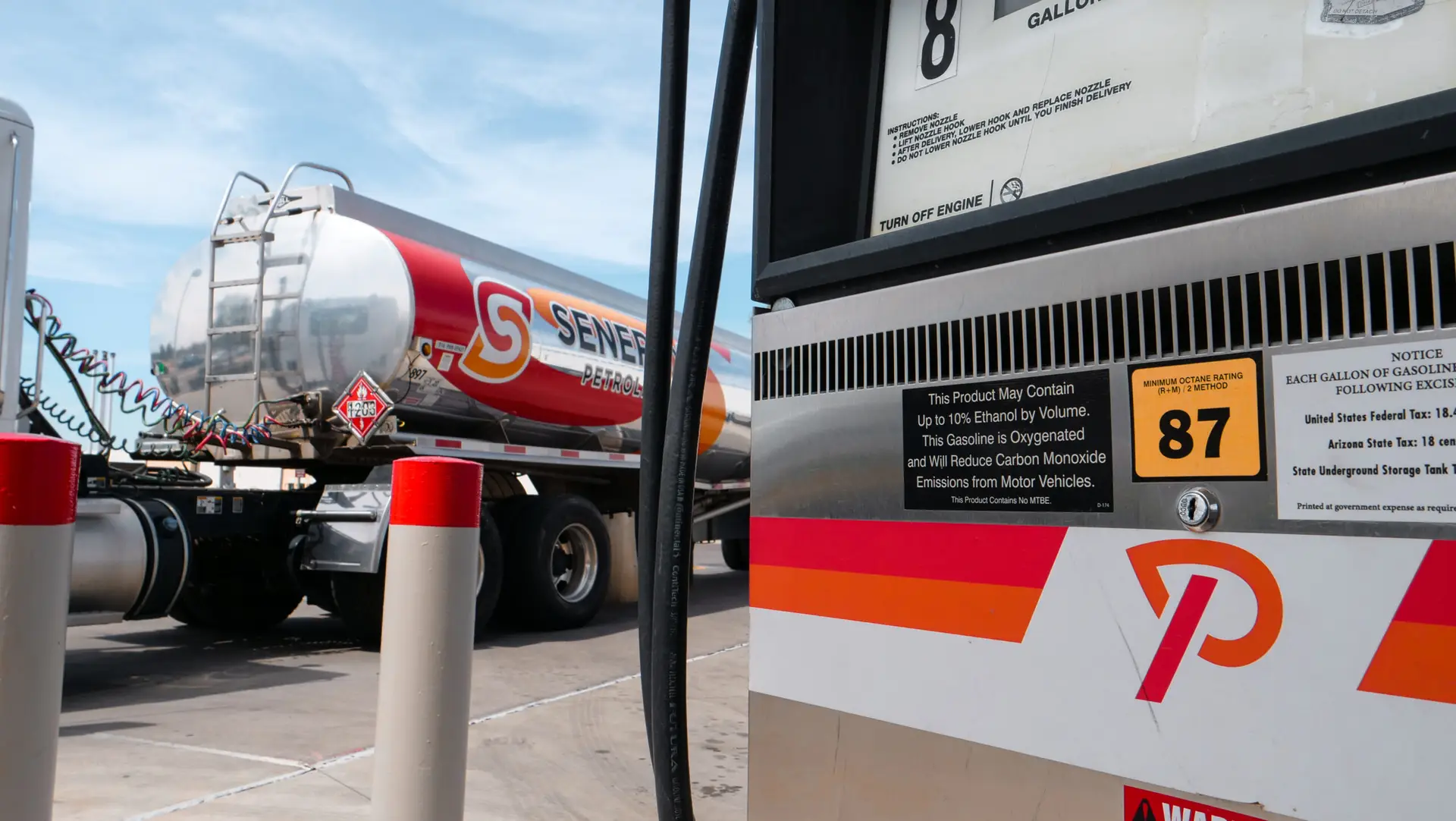
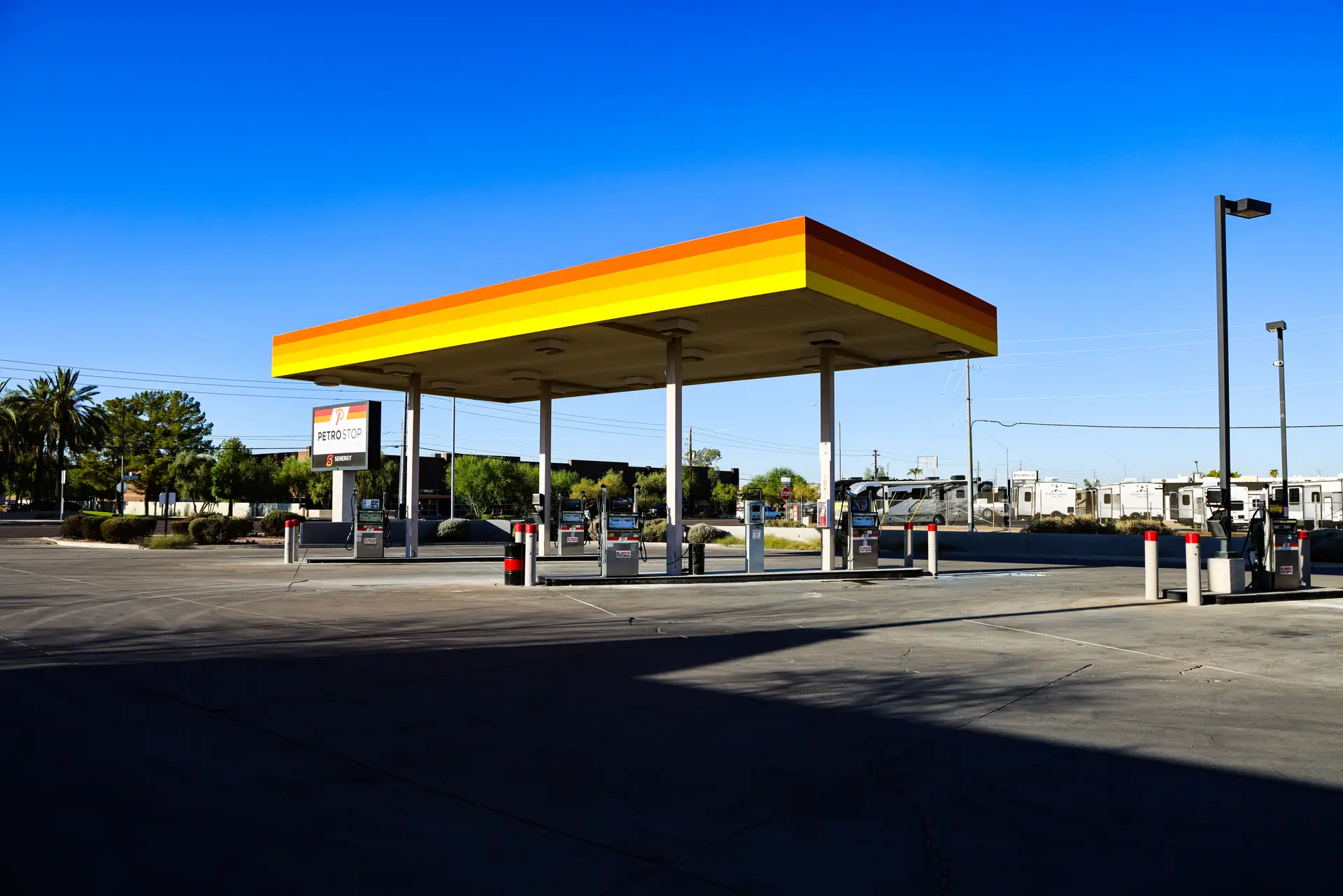
Cardlock is not just a single pump—it’s a fully connected fueling network. Commercial fueling networks give businesses access to a wide range of cardlock locations positioned along major highways, in industrial zones, and throughout rural regions. This allows drivers to refuel without diverting to retail sites, reducing idle miles and minimizing lost time. For multi-state operations, network alliances provide consistent fueling with the same cards, authorizations, and consolidated billing across all service areas. A broader network also supports competitive pricing and volume-based discounts. For logistics operations, a dependable commercial fueling system helps maintain predictable route planning and reduces the risk of unexpected fuel shortages.
Many networks also support interoperability, allowing partner stations to accept cards from multiple providers while maintaining centralized monitoring and reporting. A strong commercial fueling network shifts fueling from a logistical challenge to a strategic advantage, delivering reliability, coverage, and operational flexibility for every mile on the road.
How Cardlock Fueling Reduces Costs and Protects Your Bottom Line
Fraud and inefficiency can raise costs fast. Cardlock systems reduce these risks with strong controls and early detection. Each transaction links to a driver and vehicle, and product or volume limits block unauthorized use. Alerts for unusual activity—like off-hour fueling, repeated small fills, or sudden spikes—help managers respond quickly.
Consolidated invoices and detailed logs lower billing errors and make disputes easier to resolve. Negotiated pricing and bulk purchasing often reduce cost per gallon compared to retail. Less admin work—fewer receipts and automated coding—also lowers total fueling costs.
For companies with tight margins, these savings and fraud controls deliver real ROI, protect cash flow, and improve financial forecasting.
The Business Case for Cardlock
Transitioning to cardlock is a significant step, but it doesn’t have to be complicated. Most providers assist with setup, card provisioning, authorizations, and system integrations, making implementation straightforward. Driver training is simple, and pilot programs allow businesses to test performance before fully adopting the system. When evaluating ROI, consider the combined impact of lower fuel costs, reduced fraud, less downtime, and fewer administrative tasks. Many companies recoup implementation costs within months through consolidated billing, stronger controls, and improved efficiency.
Cardlock ultimately delivers a secure, scalable, and business-focused fueling model. With 24/7 access, simple fuel cards, comprehensive reporting, and broad commercial network coverage, it offers the stability, oversight, and cost savings needed for stronger fuel management.
