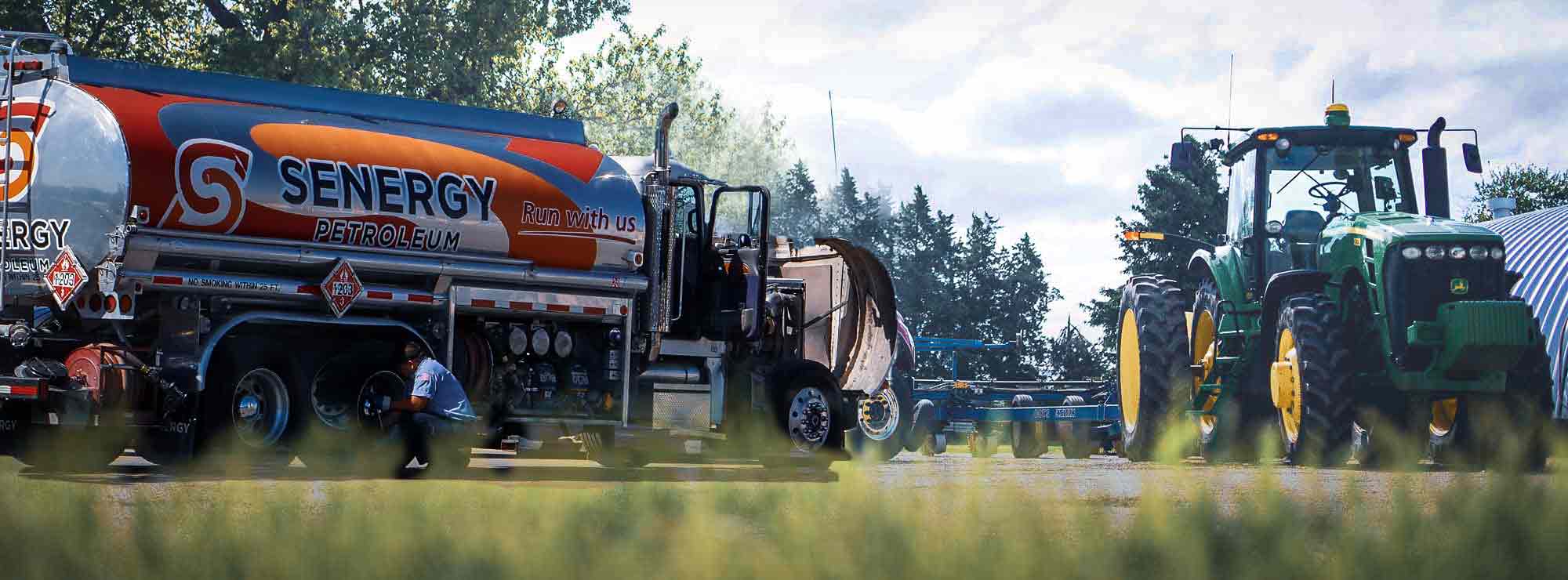
Why Agriculture Operations Benefit from Scheduled Bulk Fuel Delivery
In modern farming operations, fuel is as critical as land or labor. From planting to harvest, equipment such as tractors, combines, irrigation pumps, and grain dryers rely heavily on diesel to operate efficiently. The importance of agricultural diesel cannot be overstated: without it, the entire production cycle slows or stops entirely. Diesel engines dominate heavy farm equipment due to their durability, efficiency, and high torque, making diesel for agriculture the backbone of reliable performance. However, simply having the right fuel is not enough. The timing of fuel delivery directly impacts productivity. Traditional fuel purchasing—waiting until tanks run low and then making emergency purchases—creates inefficiencies, downtime, and often higher costs. This is where scheduled bulk farm fuel delivery becomes essential. By preplanning deliveries, agricultural operations ensure that work is not interrupted by fuel shortages. Scheduled deliveries also improve cost management. Bulk orders typically provide pricing advantages compared to ad-hoc purchases. When agricultural fuel is delivered on a schedule, farms can better forecast expenses, control cash flow, and reduce logistical challenges. In short, fuel is more than a commodity for agricultural businesses—it’s a key input that must be managed proactively rather than reactively.
The Value of Scheduled Bulk Fuel Delivery for Farms
Downtime is one of the greatest challenges in agricultural operations because it sharply reduces productivity and profitability. Equipment sitting idle due to fuel shortages can delay planting, postpone harvests, and increase the risk of crop loss. Scheduled bulk fuel delivery keeps operations predictable and efficient by refilling tanks before they run dry. This removes the pressure and uncertainty of reactive fuel purchasing.
Scheduled deliveries let farms align fuel supply with key agricultural cycles. During planting season—when tractors and planters consume fuel rapidly—a more frequent delivery schedule keeps equipment running without interruption. During slower winter months, farms can reduce delivery frequency to lower costs. This level of planning ensures a steady fuel supply when operations need it most.
Scheduled bulk fuel delivery also reduces the risk of emergency refueling. Emergency fuel needs often lead to higher costs and longer delays, especially during peak seasons when demand rises. With a well-planned delivery strategy, farms avoid last-minute rushes that drive up prices and leave equipment idle. Predictable fuel availability supports smoother operations, improved timelines, and increased productivity.
How Scheduled Bulk Fuel Delivery Improves Cost Control
For any agricultural operation, cost management is a constant concern. Fuel prices fluctuate daily due to market conditions, geopolitical events, and shifts in supply and demand. Purchasing smaller quantities of diesel sporadically exposes farms to market volatility and often results in higher per-gallon costs. In contrast, scheduled bulk fuel delivery allows agricultural operations to purchase large quantities at negotiated rates, locking in fuel costs in advance. Bulk purchasing also reduces delivery fees. Instead of paying multiple delivery charges for frequent small fill-ups, farms pay a single charge for large, planned deliveries.
This is especially valuable for remote farms where delivery logistics are more complex and expensive. Strategic scheduling enables efficient resource allocation aligned with peak usage periods, ensuring costs are optimized when fuel demand is highest and reduced during quieter periods. Moreover, budgeting becomes much simpler with scheduled deliveries. When farms know how much fuel will be used and when it will arrive, they can allocate costs accurately and avoid financial surprises. Predictable fuel expenses support more reliable financial planning, helping farm managers make informed decisions about labor, crop insurance, and other operational needs. In an industry where every cent counts, scheduled bulk fuel delivery provides measurable financial benefits.
Integrating Fuel Delivery into Farm Workflow
Efficient farms are more profitable farms. Integrating fuel management into the overall workflow of agricultural operations significantly improves efficiency. Scheduled fuel deliveries ensure that fuel logistics are synchronized with daily activities, maintenance schedules, and work planning. For example, when fuel delivery is scheduled ahead of major irrigation cycles or harvest windows, crews can focus on their primary responsibilities without being diverted to refueling. Beyond preventing delays, this synchronization improves workflow consistency. Planners can map out operations with confidence, knowing equipment will not run out of diesel mid-task. Fuel becomes a predictable resource rather than a disruptive variable.
This results in more accurate daily schedules, higher equipment utilization, and a smoother rhythm throughout all stages of agricultural production. Additionally, scheduled fuel deliveries reduce internal administrative burdens. Instead of tracking fuel levels and coordinating last-minute orders, the team has clear expectations about when deliveries will occur. This frees up personnel to focus on critical operational responsibilities rather than logistics. A well-integrated delivery schedule increases transparency, reduces workload, and strengthens accountability throughout the operation.
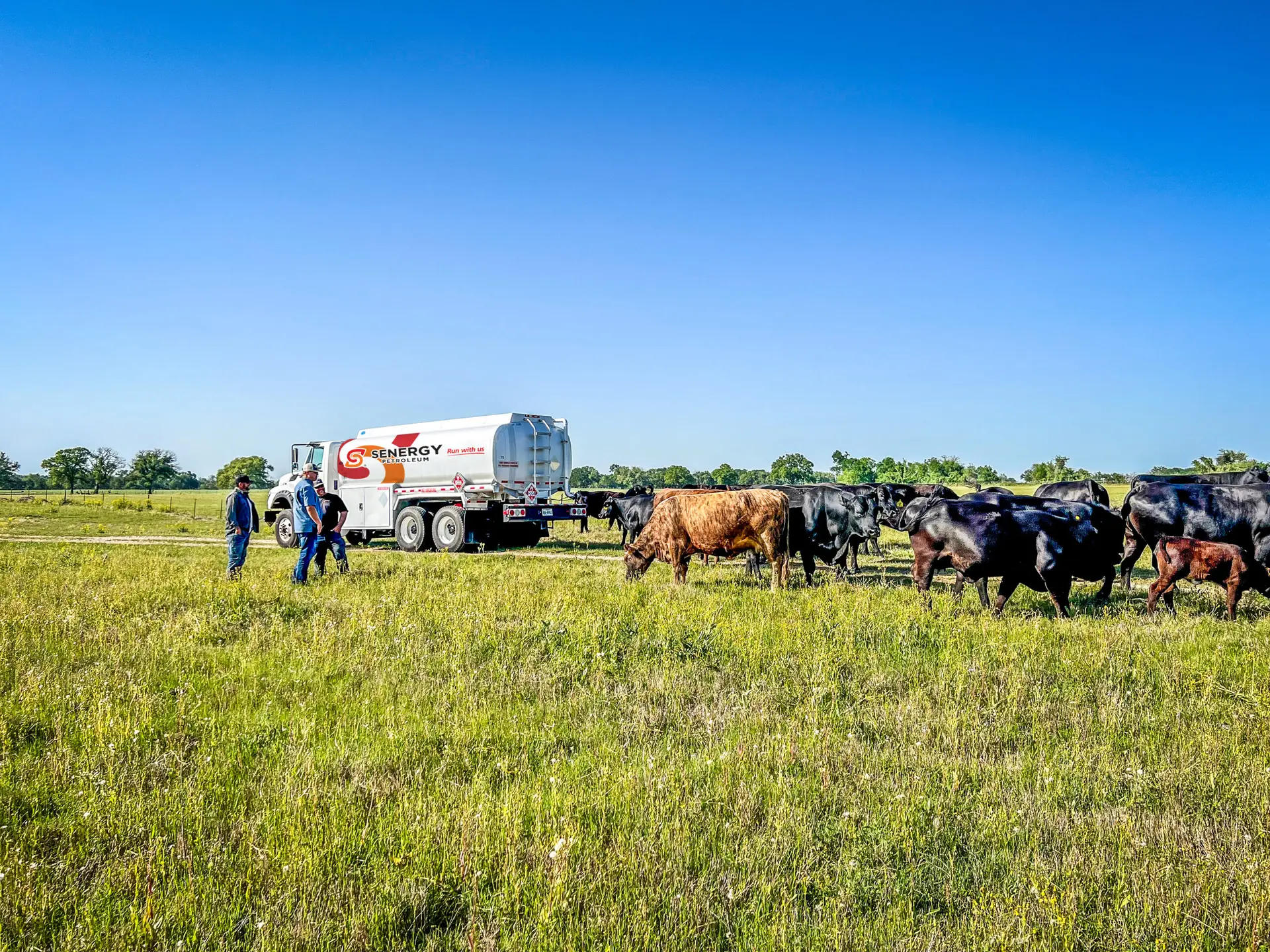
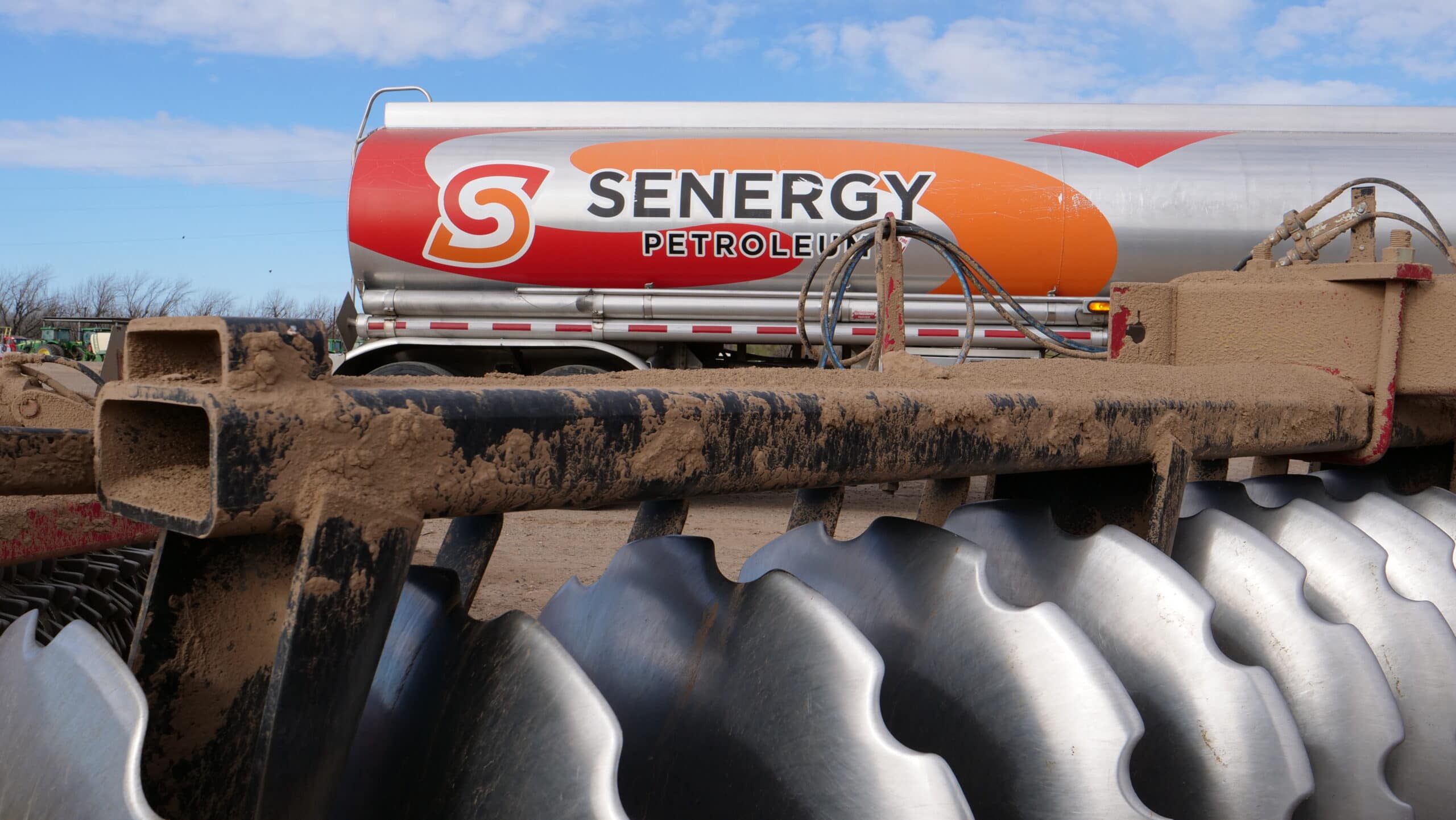
Safer Fuel Management Through Scheduled Delivery
Fuel handling involves inherent risks, including spills, leaks, and fire hazards. Unplanned fuel runs are common and often lead to rushed transfers and shortcuts, increasing the risk of accidents. Scheduled farm fuel delivery enables safer, more controlled fuel transfer operations. Delivery specialists arrive prepared with the right protective equipment and are familiar with the layout of the farm’s fuel storage facilities, ensuring a safe and secure process. When farms maintain consistent fuel levels, they can better manage storage conditions and reduce the risk of contamination. Tanks that run dry or are filled inconsistently can cause condensation, leading to water contamination in the fuel. Contaminated diesel can damage engines, reduce efficiency, and increase maintenance issues.
Additionally, regulatory bodies maintain strict rules for fuel storage and reporting, especially for industrial agricultural operations. Scheduled deliveries help accurately track fuel inventories, making it easier to report usage for audits and compliance checks. Consistent delivery frequency also enables managers to identify discrepancies that may indicate leaks or fuel theft, protecting both the operation and the bottom line.
Fuel Delivery as a Strategic Partnership for Agricultural Success
Agricultural operations now rely not just on fuel, but on dependable delivery partnerships. Sporadic, last-minute requests strain supplier relationships and often result in lower prioritization when demand spikes. Bulk fuel delivery services thrive on consistency and predictability, and they prioritize customers who plan ahead. By scheduling bulk deliveries, farms demonstrate commitment and strengthen partnerships, often earning preferential service, better pricing, and more reliable logistical support. Strong supplier relationships can also translate into emergency assistance when unexpected situations arise. For example, if severe weather disrupts operations or damages equipment, a supplier familiar with a farm’s schedule and needs is more likely to respond quickly and effectively. This level of reliability is essential in agriculture, where timing often determines success—especially during key windows such as planting and harvest. Scheduled fuel deliveries also enable collaborative planning. Suppliers can notify farms of upcoming price changes, delivery constraints, or product updates that could affect operations. This two-way communication reduces uncertainty and helps align each party toward operational goals. In short, fuel delivery becomes more than a transaction—it becomes a strategic partnership.
How Scheduled Fuel Delivery Strengthens Farm Resilience
Long-term agricultural success requires dependable operational planning. Scheduled bulk deliveries of diesel for agriculture support this reliability by reducing the number of delivery trips needed over time. Fewer truck movements lower transportation costs and simplify logistics, while also helping farms avoid unnecessary operational disruption. Additionally, planned fuel scheduling reduces waste. Farms that accurately track fuel usage and delivery timing are less likely to overfill tanks or experience fuel degradation due to extended storage. This decreases the risk of costly filtration, cleanup, or disposal issues. Responsible fuel management also reduces the potential for spills and contamination. From a business perspective, consistent fuel planning strengthens farm resilience. Predictable fuel supply enhances operational stability, allowing farms to better manage market fluctuations, severe weather, and other uncertainties. Reliable delivery planning also supports stronger relationships with buyers and partners who value consistency and operational reliability, helping farms maintain competitiveness and protect profit margins.
The Future of Fuel Management
As technology transforms agriculture, fuel management is increasingly supported by digital tools. Telemetry systems monitor tank levels in real time and automatically trigger scheduled fuel deliveries when thresholds are reached, eliminating guesswork. Integrating fuel tracking with farm management software provides visibility into usage by machine, field, or activity, helping optimize routes and tasks. Predictive analytics also alert managers to unusual fuel usage, which can indicate mechanical issues. This integration of technology and scheduled fuel delivery improves planning, precision, and operational responsiveness. By adopting scheduled bulk fuel delivery, agricultural operations position themselves for long-term success in a rapidly evolving industry.