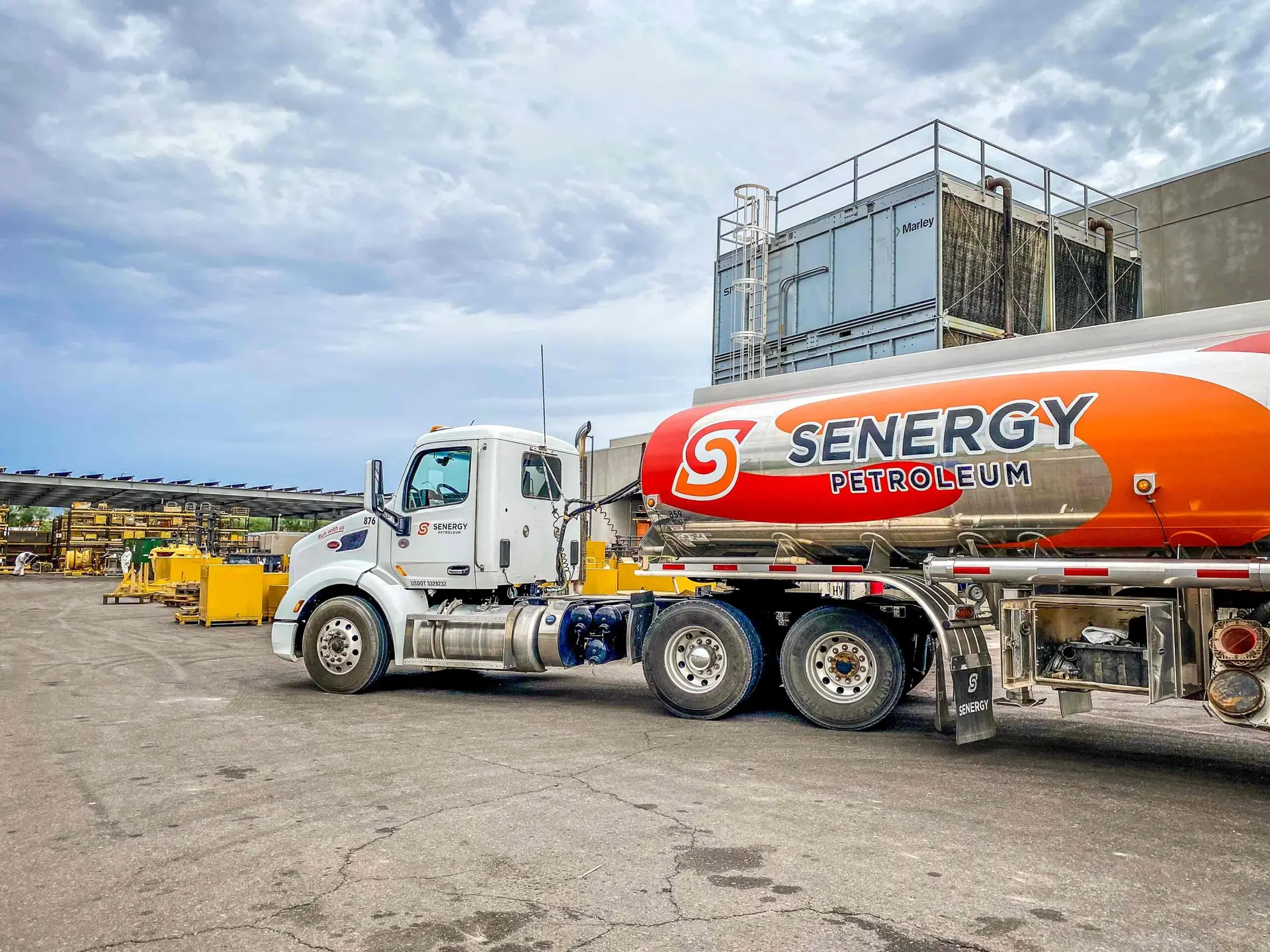
Why a Reliable Fuel Supplier Matters More Than Ever
Reliable gas delivery is the backbone of many operations, from production and logistics to businesses providing critical services. When fuel supply remains consistent, operations run efficiently—vehicles stay on the road, facilities remain powered, and scheduled work continues without disruption. In contrast, unreliable delivery creates a chain reaction of challenges, including missed commitments, halted production, and customer dissatisfaction.
In a tight-margin business environment, even minor supply interruptions can quickly translate into significant costs. Organizations that plan ahead and work with dependable fuel providers reduce exposure to these risks. Reliable gas delivery is more than a convenience; it is a risk-management strategy. It helps avoid emergency purchases at premium pricing, limits downtime for personnel, and supports compliance with contractual obligations. For businesses supporting essential operations or time-sensitive work, dependable supply can be the difference between meeting deadlines and facing operational setbacks. Ultimately, prioritizing reliability strengthens day-to-day performance and supports long-term business stability.
How Reliable Fuel Supply Improves Cost Predictability
Reliability creates predictability across fuel planning and procurement. A gas transport partner that consistently meets delivery schedules and performance standards allows businesses to forecast fuel costs more accurately and reduce exposure to unexpected price fluctuations. While market volatility is unavoidable, structured delivery schedules and long-term supply agreements help stabilize pricing and limit the need for high-cost spot purchases.
Predictable deliveries also reduce the need to maintain excessive emergency reserves, freeing working capital and lowering storage-related risks such as product degradation or contamination. Dependable suppliers further support operations by providing quality assurances that fuel meets required specifications, helping prevent equipment damage and operational safety concerns. When procurement teams can rely on accurate invoicing, consistent delivery windows, and transparent pricing, they can develop tighter operating plans and improve cash flow management. In contrast, unreliable fuel supply can disrupt budgets and operations quickly. Partnering with a reliable fuel provider is a practical way to reduce risk and support day-to-day operational continuity.
Supporting Business Continuity Through Reliable Fuel Delivery
Business continuity is essential for organizations that cannot afford downtime, including hospitals, emergency services, data centers, and logistics providers. A reliable fuel partner helps develop contingency plans, including prioritized deliveries, emergency response procedures, and rapid replenishment during outages.
Strategic fuel partners support failover planning with standby reserves, secondary supplier coordination, and fast-response delivery. These measures keep power systems and fleets running during high-demand or disruption periods. For multi-site operations, centralized fuel logistics reduce administrative burden and speed recovery. With formal continuity protocols, businesses maintain compliance, reassure stakeholders, and limit financial risk.
How Reliable Fuel Delivery Strengthens Fleet Performance
Fuel quality and on-time delivery have a direct impact on fleet performance and maintenance schedules. Contaminated or substandard fuel accelerates equipment wear, leading to unexpected breakdowns and increased repair costs. A reliable fuel delivery system reduces these risks by supplying consistent, tested fuel that meets required specifications.
When fleets receive deliveries as scheduled, route planning, driver scheduling, and customer commitments remain on track. Many modern fuel providers also support operations through tools such as telematics integration, inventory management, and just-in-time refueling, all of which help reduce downtime and improve asset utilization. Businesses that treat their fuel provider as a strategic partner—sharing data and coordinating logistics—gain efficiencies that lower cost per mile, reduce service disruptions, and extend vehicle life. This partnership approach transforms fuel from a basic commodity into a managed resource that supports measurable improvements in operational performance.
Meeting Regulatory Requirements Through Reliable Fuel Partnerships
Regulatory standards and enterprise requirements related to fuel handling, storage, and emissions continue to tighten. Working with a dependable fuel delivery partner helps ensure compliance with safety protocols, licensing standards, and operational regulations. Reliable providers invest in workforce training for proper handling procedures and spill response, reducing legal exposure and financial risk for customers.
Established fuel partners also supply accurate documentation to support audits and inspections, improving traceability and saving organizations valuable time. By aligning with a knowledgeable and compliant fuel provider, businesses can meet regulatory expectations without disrupting day-to-day operations. This proactive approach to compliance protects assets, supports workforce safety, and strengthens operational confidence across fleets and facilities.
The Long-Term Cost Advantages of a Reliable Fuel Delivery Partner
Selecting a reliable fuel delivery partner is often more cost-effective than managing fuel procurement on a purely transactional basis. Long-term partnerships can provide access to volume pricing, fixed-rate agreements, and loyalty incentives that help control per-unit costs. Just as importantly, dependable delivery reduces hidden expenses such as emergency deliveries, unplanned maintenance caused by poor fuel quality, and administrative time spent resolving missed or delayed shipments.
A strategic fuel partner works collaboratively on demand forecasting and inventory planning, helping businesses avoid spot-market pricing and prevent over-ordering. Consistent delivery schedules also simplify invoicing and accounting processes, allowing procurement teams to focus on higher-value initiatives. Over time, these efficiencies compound into meaningful cost savings that outweigh minor price differences between suppliers. Organizations that invest in long-term fuel partnerships are better positioned to secure favorable terms and remain resilient during periods of market volatility.
Fuel Reliability and Business Reputation
A company’s reputation is closely tied to the reliability of its upstream partners. Delays caused by inconsistent fuel delivery quickly impact customers, service commitments, and brand perception. A dependable fuel provider functions as an extension of the business itself—delivering on time, operating professionally, and responding effectively when challenges arise.
Strong fuel partners also deliver responsive customer support, including clear communication, proactive status updates, and timely issue resolution. This level of service is especially critical in high-pressure situations where downtime affects essential operations or customer outcomes. By working with a fuel provider known for reliability and service excellence, businesses protect their reputation and ensure operational performance aligns with the standards they promise their customers.
Fuel Reliability as a Strategic Advantage
As industries evolve, so do fuel demands. At Senergy Petroleum, we provide flexible fuel delivery solutions and strategic guidance to help your operations stay ahead. Whether it’s coordinating multi-fuel strategies or integrating delivery data with your internal systems, we make it easier to plan for what’s next.
We support controlled trials, phased upgrades, and practical implementation timelines to ensure your fuel strategy aligns with broader operational and capital planning goals. Fuel delivery with Senergy isn’t just a daily service—it’s a strategic advantage that keeps your operations resilient, adaptable, and ready to meet the demands of a changing industry.