
What to Look for in a Commercial Fuel Supplier
Choosing a fuel supplier is not simply about finding the lowest price per gallon. For businesses relying on trucks, heavy equipment, generators, or fuel tanks, the supplier affects daily operations. A missed delivery can delay a crew, leave a fleet waiting, or put backup power at risk. That is why buyers comparing a commercial fuel supplier should look at reliability, delivery options, product quality, pricing, and support before signing an agreement.
The best supplier should fit the way your business actually uses fuel. A trucking company may need overnight fleet fueling, while a contractor may need diesel delivered directly to a remote jobsite. A manufacturing plant may place more value on tank monitoring and scheduled deliveries. Start by defining your fuel volume, locations, products, storage capacity, and delivery schedule. Then compare suppliers on those needs rather than comparing gallon prices alone. The right commercial fuel supplier should make fuel delivery predictable and easy to manage.
Check Fuel Quality and Product Selection
Fuel quality should be near the top of your list. Ask what specifications the supplier follows, how products are handled, and whether quality checks are part of the process. For diesel buyers, ASTM D975 is an important specification covering key diesel fuel properties such as sulfur content, viscosity, flash point, cetane number, lubricity, and water and sediment, along with other applicable requirements. The supplier should understand requirements for your equipment and location.
Product selection matters too. A business may need clear on-road diesel, dyed off-road diesel, gasoline, DEF, biodiesel, renewable diesel, heating oil, lubricants, or additives. Buying several products from one source can simplify purchasing and billing. Major suppliers commonly offer a broad mix, making product range worth considering when you compare fuel services. Ask whether these fuel services can be managed through one account.
Compare Delivery Capacity, Coverage, and Reliability
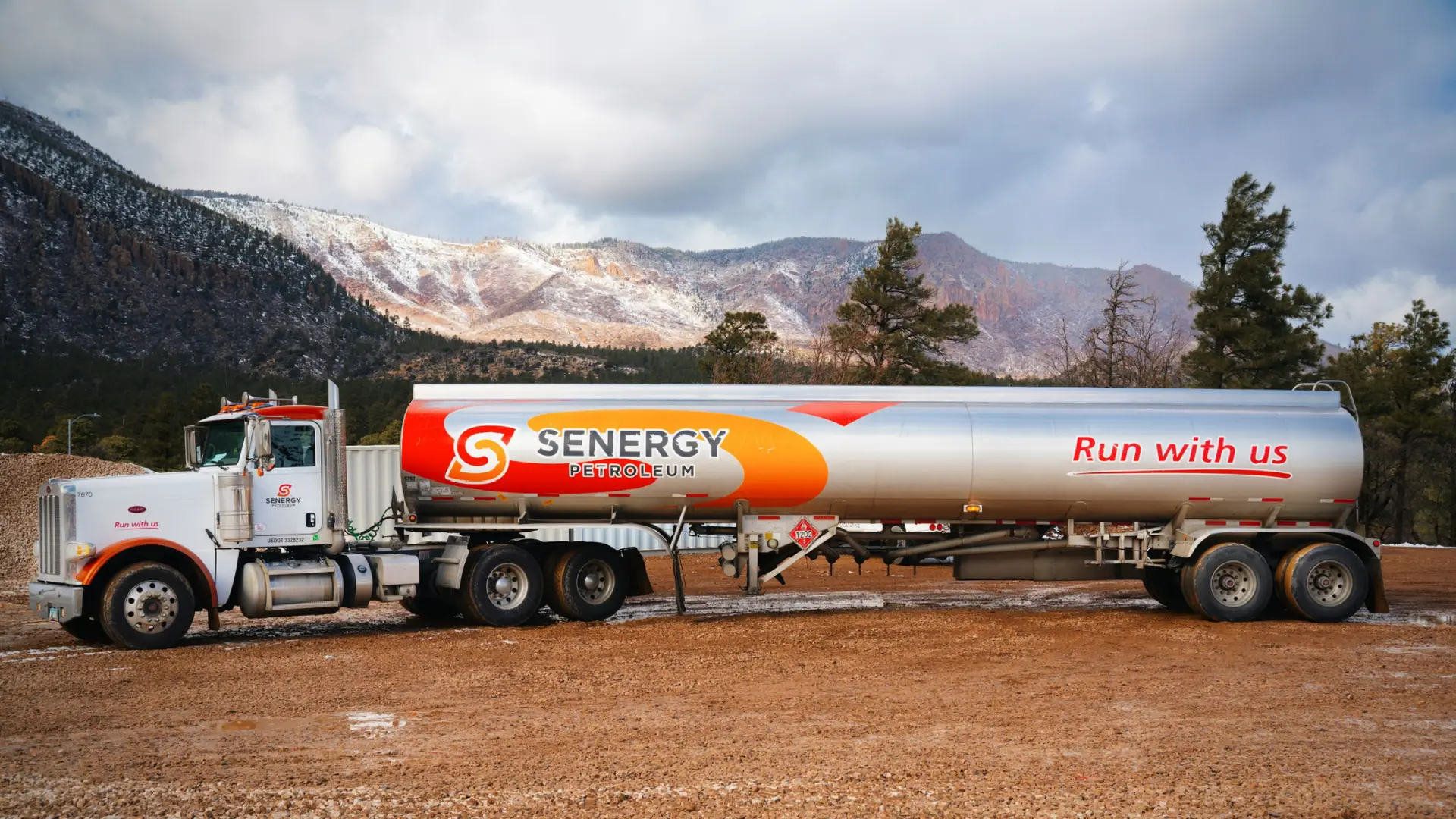
A low price does not help if the truck cannot arrive when you need it. Ask how fuel delivery is scheduled, what equipment the supplier uses, and whether it can serve every location in your network. Tanker trucks can handle large loads, while bobtail trucks and smaller delivery vehicles can reach sites with tighter access. For fleets and jobsites, wet-hose or mobile fueling can also eliminate unnecessary trips to a retail station.
Delivery coverage should match your operation today and as it grows. If you have several facilities, check whether one supplier can support them across multiple states. Look at scheduled deliveries, tank-monitored programs, order-based delivery, and emergency delivery options. Depending on the provider, available services may include flexible delivery schedules, tank monitoring, multiple delivery methods, emergency delivery, and mobile fueling for fleets, generators, and construction sites.
Reliability also means having a plan for unexpected demand. Ask about response times during storms, power outages, equipment failures, holidays, and sudden consumption increases. A supplier with a strong distribution network, trained drivers, storage capacity, and more than one delivery option can provide greater continuity when normal plans change.

Look Beyond the Posted Fuel Price
Price matters, but a quote is not always the full cost. Ask whether the delivered price includes transportation, minimum-volume requirements, fuel surcharges, or emergency fees. A supplier may offer an attractive wholesale rate while adding costs elsewhere. Compare total delivered cost.
Volume can also affect pricing. Businesses with predictable consumption may qualify for better rates, contract pricing, or other purchasing arrangements. Ask whether pricing is fixed, variable, tied to a rack price, or adjusted according to market conditions. You should also understand the contract length, payment terms, cancellation provisions, and any volume commitment before agreeing.
Do not overlook reduced labor and downtime. Bulk delivery can keep drivers from leaving a site to refuel, while on-site fleet fueling can have a similar benefit. A supplier that reduces fuel runs and administrative work may cost slightly more per gallon while lowering operating costs overall. Bulk delivery may also reduce driver time, unnecessary trips to retail fueling locations, and vehicle mileage associated with off-site refueling.
Evaluate Tank Management and Fuel Technology
Fuel storage becomes more important as your consumption grows. Ask whether the supplier can support your existing tanks or provide suitable storage for temporary and long-term projects. Aboveground tanks, double-wall tanks, portable fuel cubes, pumps, dispensers, and related equipment can make a major difference at construction sites and remote facilities.
Tank monitoring is another useful feature. Remote monitoring can show fuel levels before a tank reaches a critical point and help schedule deliveries around actual consumption. Some suppliers also provide customer portals, digital ordering, fuel usage reports, delivery records, and other tools that make inventory easier to manage. Depending on the supplier, available technology may include real-time tank tracking, fuel reporting, portable storage solutions, and on-site fueling.
Good technology should solve a practical problem. If your team checks tanks manually or struggles to track fuel by location, digital reporting can improve visibility. Ask for a demonstration and confirm it gives staff useful information.
Review Safety, Compliance, and Customer Support
Fuel handling involves safety, transportation, storage, and environmental responsibilities. Before choosing a supplier, ask about driver training, hazardous materials procedures, delivery documentation, and applicable federal and state requirements. For businesses using dyed diesel, DEF, renewable diesel, or other specialty products, make sure the supplier can provide clear product information and applicable documentation. Businesses should also understand the federal, state, and local requirements that apply to their specific use.
Documentation is another sign of a well-run operation. Delivery tickets, invoices, product specifications, fuel usage records, and other reports should be accurate and accessible. These records help with accounting, inventory control, job costing, and reviews.
Customer support matters when something goes wrong. Ask whether you will have a dedicated account representative, who handles urgent requests, and how the supplier communicates delivery updates. Some suppliers combine fuel delivery with fleet cards, lubricants, tank monitoring, and other services. This can reduce the number of vendors your team has to manage. The right commercial fuel supplier should be responsive before, during, and after a fuel delivery. Reliable fuel services should include clear communication when plans change.
Choose a Supplier That Can Grow With Your Business
Your fuel needs may change as your fleet, projects, facilities, or equipment base expands. A supplier that works well for one location may not be the right choice once you operate across several sites. Ask whether the company can increase delivery volume, add locations, support different fuel products, and maintain consistent service as your requirements change.
Industry experience is valuable. Construction companies may need jobsite fueling and off-road diesel, while transportation fleets may benefit from overnight fueling and usage tracking. Manufacturers and data centers may prioritize generator fuel plans and emergency delivery. Agricultural businesses may need seasonal deliveries and dyed diesel. The supplier should understand your industry’s practical demands.
Before making a decision, compare suppliers using the same criteria: fuel quality, product range, delivered pricing, delivery coverage, emergency delivery capabilities, storage options, technology, compliance, customer service, and contract flexibility.
A strong supplier relationship should make fuel procurement easier. Look for a company that can deliver the right product to the right location on schedule, with clear pricing and useful support. When those pieces are in place, fuel becomes a managed part of the operation rather than a recurring disruption.
