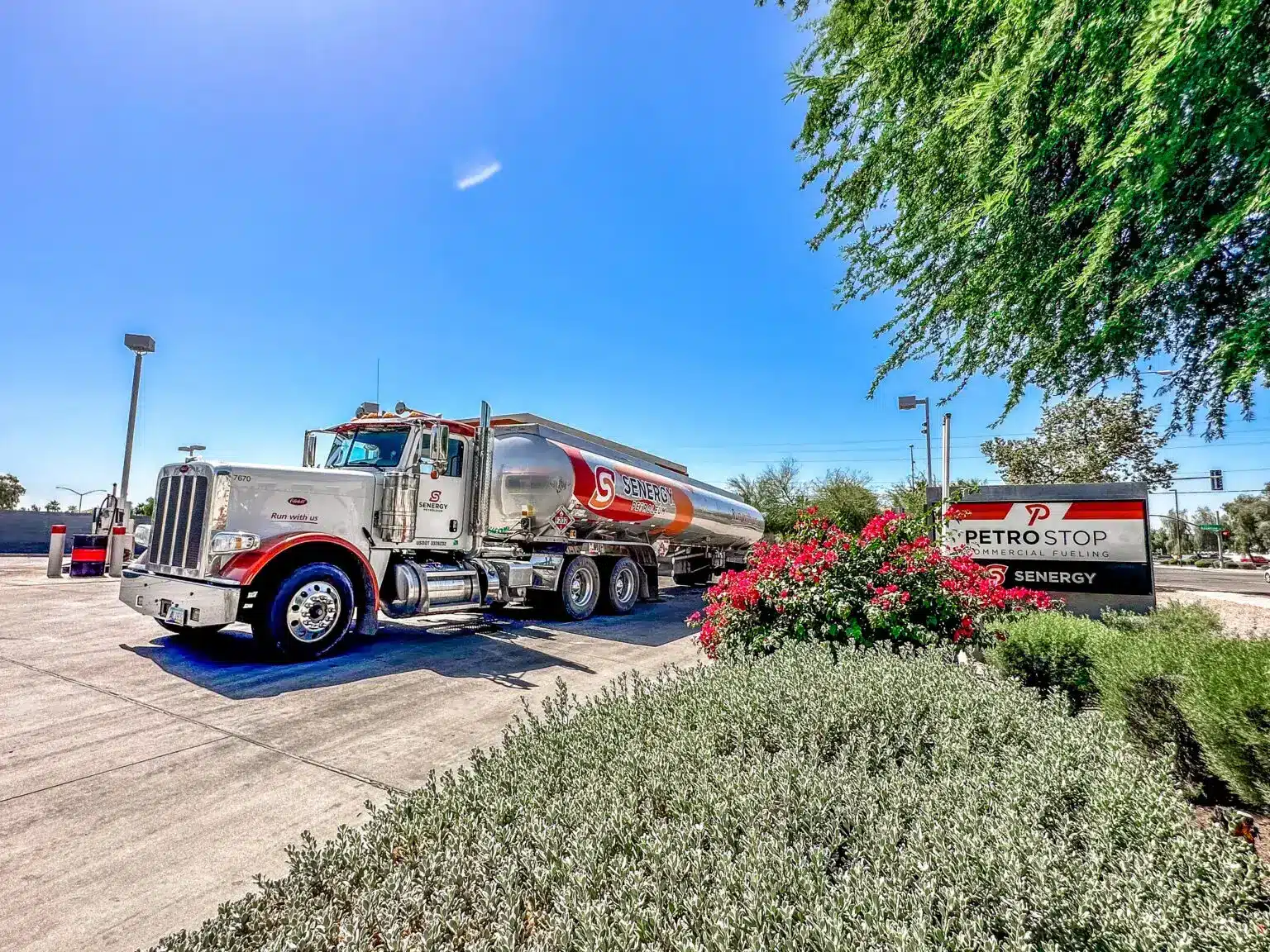
What the Oil & Gas Sector Needs From a Fuel Partner
Downtime is costly in the oil and gas industry. A single fuel disruption can halt drilling operations, delay hydraulic fracturing schedules, and impact transportation across an entire field operation. Because of this, operators depend on reliable fuel partners to support daily productivity and site performance. Today’s fuel providers are expected to do more than deliver product. They play a critical role in supporting operational continuity, safety compliance, and production goals.
Modern oil field operations often take place around the clock in remote and demanding environments. Drill rigs, frac pumps, generators, hauling equipment, and compressors consume large volumes of fuel every day. Reliable access to oil field fuels is essential for keeping equipment running efficiently and minimizing operational interruptions. Delays caused by poor logistics planning or weak supply chain management can create costly setbacks and disrupt productivity across the operation.
Advanced Fueling Solutions for Hydraulic Fracturing Operations
Hydraulic fracturing operations require significant energy resources and depend heavily on reliable fuel supply to maintain productivity. During active completion operations, fuel management becomes one of the most critical operational priorities, as frac fleets often run continuously for extended periods. Because of this, operators rely on advanced fueling solutions that can support uninterrupted performance in demanding field environments.
Frac sites commonly operate multiple high-horsepower pumps, blending systems, generators, hydration units, sand handling systems, and support vehicles simultaneously. Together, these systems consume thousands of gallons of diesel fuel each day. Even minor fuel delivery delays can interrupt operations, reduce efficiency, and create substantial financial losses.
To support these operations effectively, fuel partners must provide flexible, real-time logistics coordination. Operators depend on suppliers that can deliver fuel during active pumping operations without disrupting productivity. This level of service requires experienced dispatch teams, dedicated fuel trucks, and continuous communication between field crews and logistics coordinators.
Technology also plays an increasingly important role in modern frac fueling solutions. Many providers now offer remote tank monitoring, telematics, automated dispatch systems, and fuel consumption tracking software to improve visibility and operational control. These technologies help prevent fuel shortages, support inventory management, and improve cost forecasting across the operation.
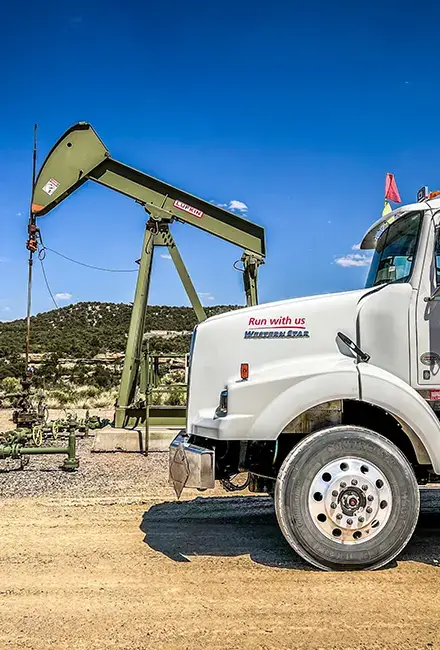

How Onsite Fuel Services Improve Oil Field Efficiency
In the oil and gas industry, operational efficiency provides a significant competitive advantage. Operators continuously look for ways to reduce downtime, improve labor efficiency, and maximize equipment utilization. As a result, onsite fuel services have become an essential part of drilling, production, transportation, and completion operations.
Traditional fueling methods often require operators and drivers to leave the job site to refuel equipment. This process can reduce productivity, increase fuel usage, and create unnecessary operational delays. Onsite fueling services help eliminate these inefficiencies by delivering fuel directly to equipment at the worksite.
In drilling operations, onsite fueling allows rigs, generators, compressors, and support vehicles to remain operational without interrupting production schedules. Refueling can be coordinated around operational demands to minimize downtime. In hydraulic fracturing environments, mobile fueling systems help keep pumps and support equipment running efficiently throughout active operations.
Onsite fuel services also provide valuable labor savings for oil and gas companies. Field personnel can spend less time managing fuel logistics and more time focused on production activities. This helps improve site productivity while reducing long-term operational costs.
Modern onsite fueling solutions also support improved fuel tracking and accountability. Digital monitoring systems provide real-time visibility into fuel consumption, inventory levels, and delivery activity. These insights help operators reduce waste, improve inventory management, and develop more accurate operational budgets.
How Digital Technology Is Transforming Oil Field Fuel Management
Digital transformation is reshaping operations across the oil and gas industry, including fuel management. Operators increasingly rely on advanced fuel technology solutions to improve visibility, efficiency, and operational decision-making throughout the fuel supply chain.
Modern fuel providers enhance service capabilities through telematics, GPS tracking, remote tank monitoring, automated dispatch systems, and digital reporting platforms. These technologies allow operators to monitor fuel usage in real time, coordinate deliveries more effectively, and anticipate demand before shortages impact operations.
Why Flexibility and Scalability Matter in Oil Field Fuel Services
Oil and gas operations are constantly evolving. Production schedules shift, drilling programs expand, weather conditions change, and market demand can fluctuate rapidly. These changing conditions require operators to work with fuel partners that can scale services quickly while maintaining reliable support.
Flexibility is especially important during large drilling campaigns and multi-well completion projects. Fuel demand can increase significantly within a short period of time, requiring suppliers to rapidly deploy additional trucks, storage tanks, and personnel. Providers without scalable infrastructure may struggle to support these fast-changing operational requirements.
Strong fuel partners maintain flexible logistics solutions that can support both routine operations and periods of peak demand. This includes maintaining reserve inventory, increasing delivery frequency when needed, and adjusting service models based on operational priorities.
The Evolving Role of Fuel Partners
Fuel suppliers play an essential role in modern oil and gas operations. Today’s operators rely on fuel partners to support efficiency, safety, cost control, and reliable production.
Consistent fuel supply, strong logistics coordination, and specialized oil field fueling services help keep drilling rigs, frac fleets, transportation equipment, and production systems running without interruption. Modern technologies such as digital monitoring and fuel analytics also help operators improve performance and reduce operational risk.
Safety and regulatory compliance remain critical throughout fuel handling and delivery. Experienced fuel partners help maintain safe operations, minimize downtime, and support reliable site performance.