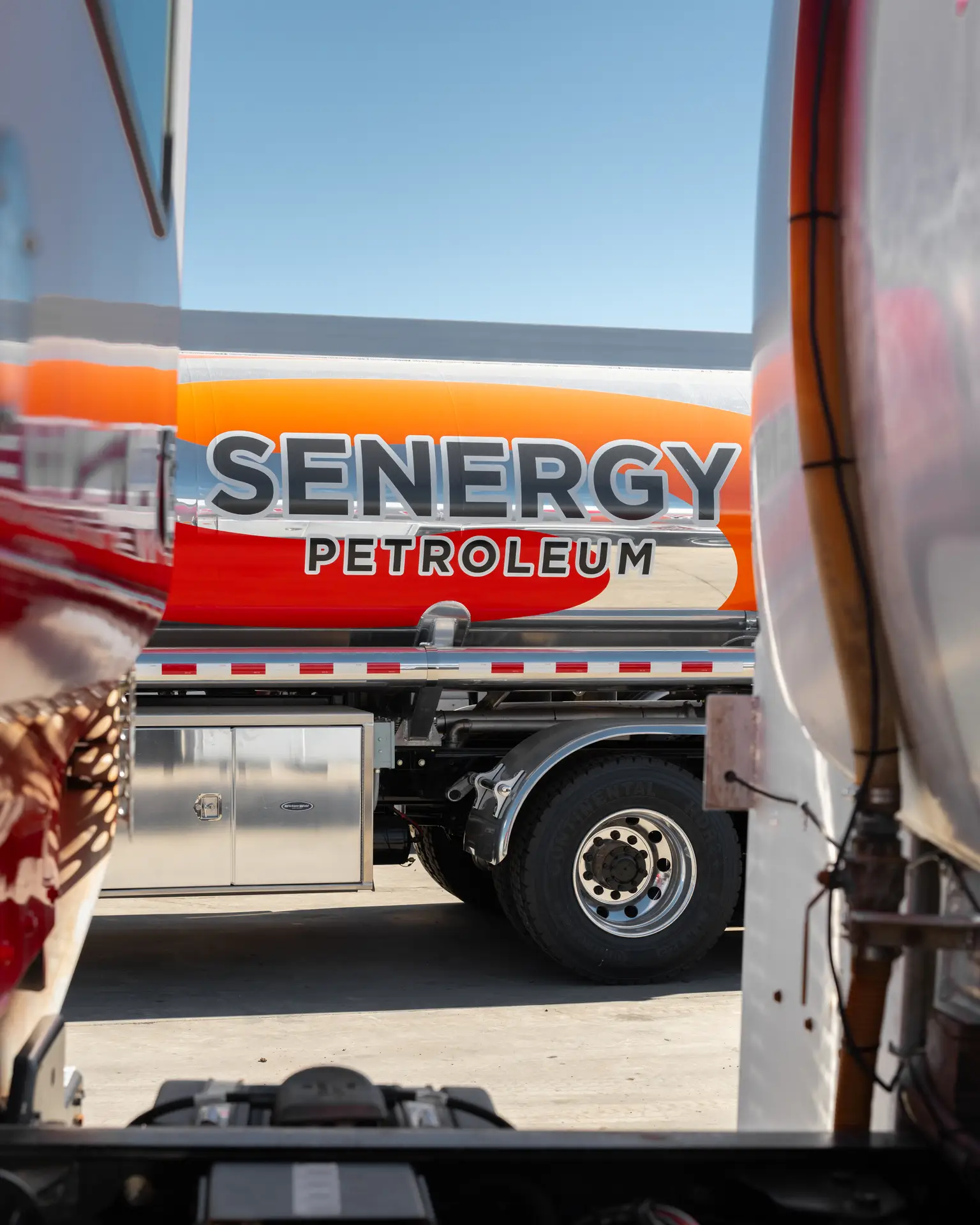
What Is a Cardlock System and Why Do Delivery Fleets Use It
For transport fleets operating on tight daily schedules, every minute matters. A cardlock system is a secure fuel access solution that allows drivers to fuel at unmanned stations using a unique card or key fob linked directly to the company’s account. Unlike conventional fuel stations—where drivers often face long lines and manual payment processes—cardlock stations are designed for fast, efficient, and environmentally responsible fueling. The process is simple: fuel up and get back on the road with minimal downtime.
Delivery fleets face constant pressure to meet transport windows and customer expectations. Traditional fueling methods reduce productivity due to delays, paperwork, and price variability. Cardlock systems help eliminate these inefficiencies by streamlining the fueling process. Drivers can swipe their card, fuel quickly, and continue their route without entering a store or waiting for assistance. For fleet managers, cardlock improves operational visibility by automatically tracking fuel usage and transaction data. When every stop and every gallon matter, integrating cardlock into daily operations supports smarter logistics and helps fleets remain competitive in fast-moving markets.
How Cardlock Stations Improve Fleet Productivity
One of the most overlooked time drains for transport fleets is not traffic or weather—it is fueling delays. Traditional fuel stations often have limited pump availability, causing drivers to wait 10 to 20 minutes before fueling can even begin. For fleet operations, this lost time adds up quickly. If ten drivers each lose 15 minutes waiting for fuel, that results in 150 minutes—more than two hours—of productivity lost every day.
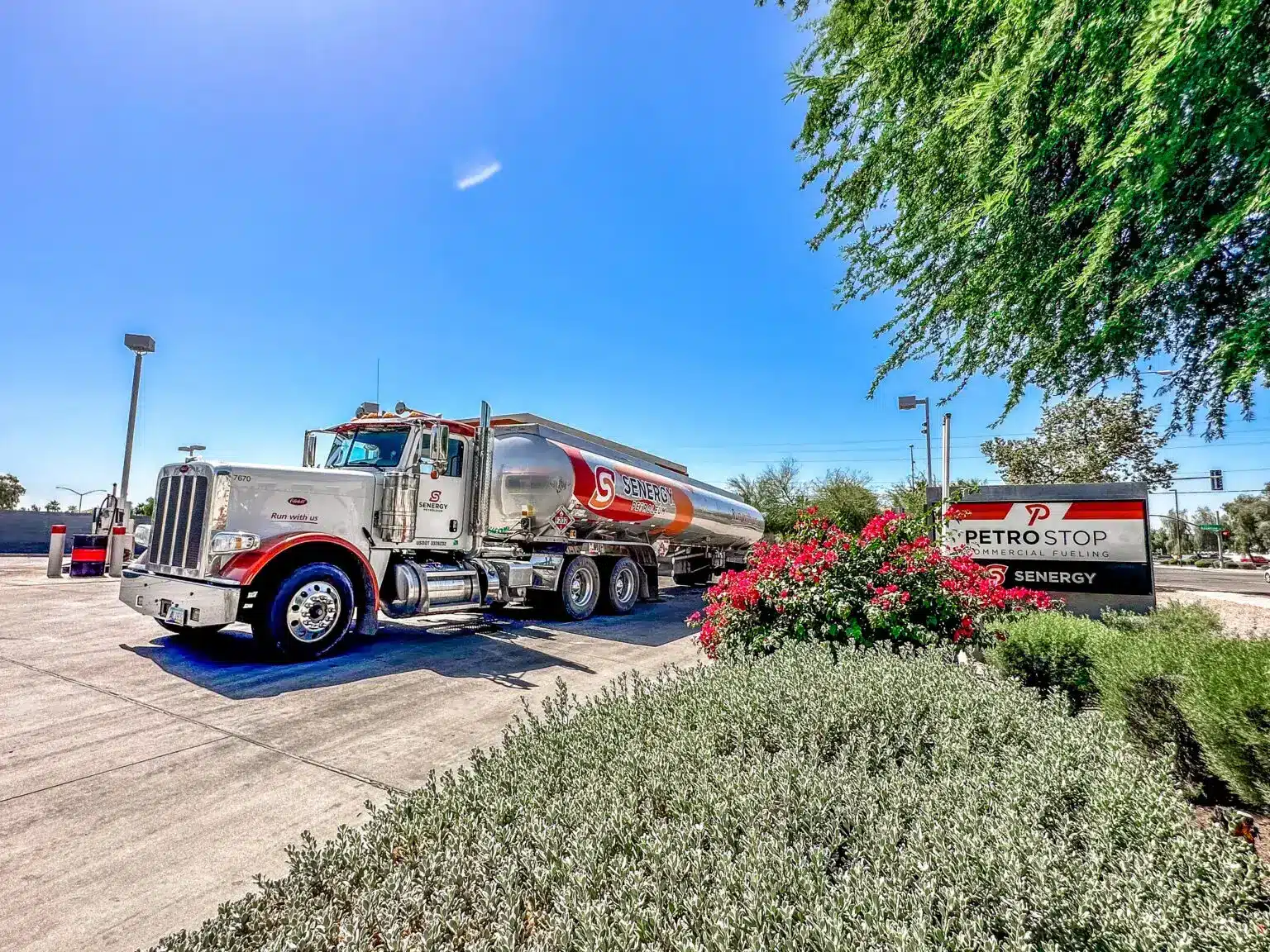
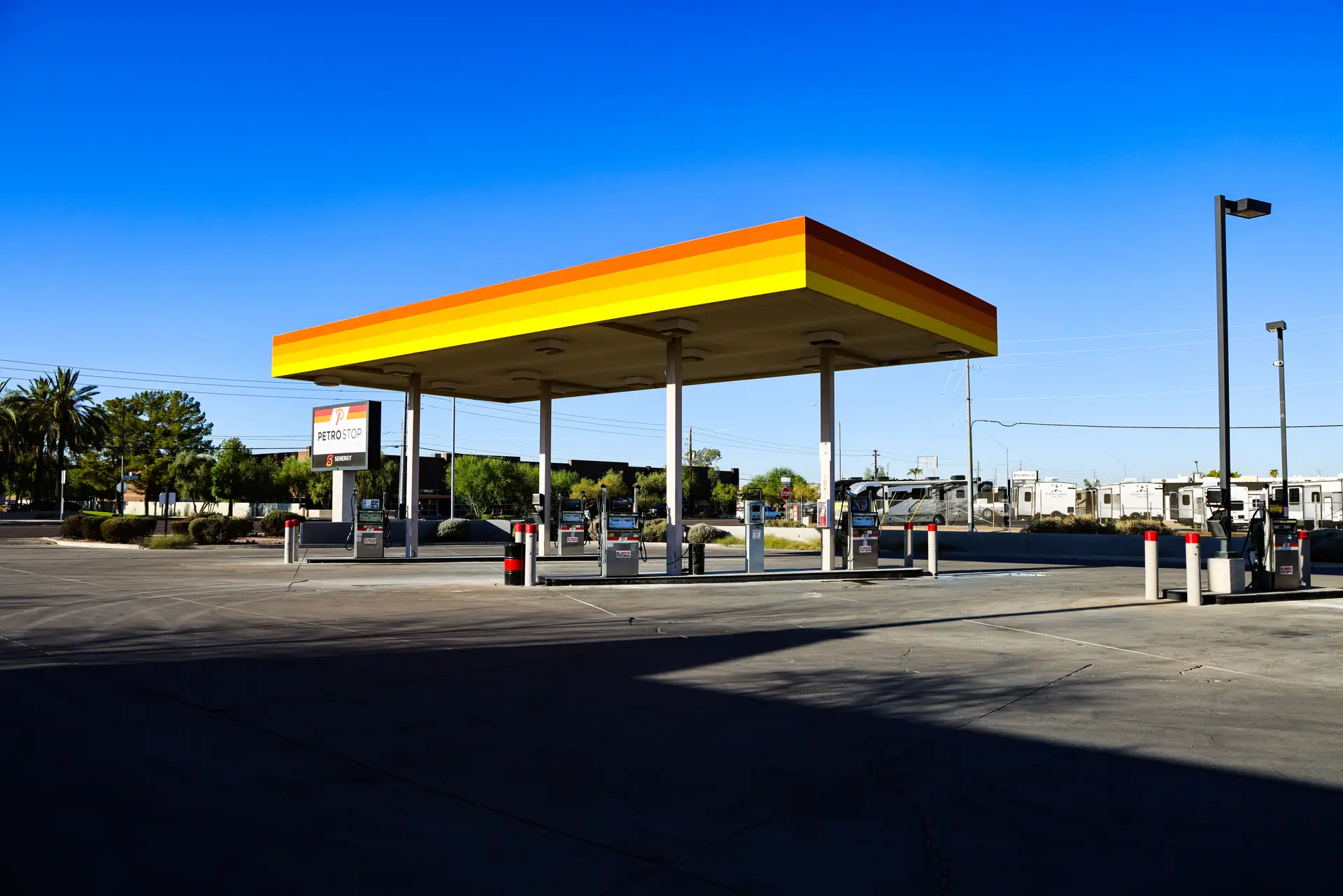
Cardlock stations significantly reduce or eliminate these delays. Strategically located near major transportation routes and open 24/7, cardlock sites are designed specifically for fleet drivers rather than retail customers. Drivers can pull in, swipe their card, fuel up, and return to the road within minutes. This streamlined approach delivers measurable time and cost savings for fleet managers while also improving driver morale. Less time spent waiting means more time spent completing deliveries and moving freight. By eliminating fuel line delays, fleets benefit from quicker departures, faster turnaround times on long hauls, and a measurable increase in overall productivity.
How Cardlock Improves Route Efficiency
Route efficiency is a cornerstone of modern fleet performance. When fleets design routes that minimize detours and idle time, they reduce fuel consumption and improve delivery timelines. Cardlock fueling plays a key role in this process. Because cardlock stations are typically located along major transportation corridors and near commercial hubs, drivers can refuel without straying far from their assigned routes. This results in less backtracking and fewer unnecessary miles.
Consider a driver who must refuel at a traditional retail station located several blocks off the planned route. That detour can add five to ten minutes per stop. When multiplied across multiple routes and fueling events each day, overall route efficiency quickly declines. Cardlock locations eliminate this inefficiency by aligning fueling access with real-world delivery routes.
In addition, many cardlock systems provide real-time fuel data that fleet managers can use to further optimize operations. Visibility into fuel usage and fueling locations supports smarter route planning, better assignment decisions, and reduced wasted travel. For fleets focused on maximizing efficiency, this level of insight delivers a clear operational advantage.
Cutting Administrative Time and Hassle
Administrative tasks related to fueling are often underestimated, yet they consume significant time and resources. Traditional fueling methods require collecting paper receipts, reconciling charges, and tracking down missing information. For delivery fleet managers overseeing large driver teams and hundreds of fuel transactions each week, this quickly becomes an operational burden.
Cardlock systems automate the entire process. Each fueling transaction is electronically recorded, capturing details such as date, time, vehicle number, driver ID, and gallons pumped. This automation eliminates manual paperwork and significantly reduces errors. Fleet managers spend less time reconciling fuel expenses and more time focused on strategic planning and route optimization. Accounting teams also benefit from streamlined reporting during audits and tax season, with clean, organized data readily available. In an industry where time savings directly impact profitability, the operational efficiency of cardlock fueling delivers measurable value.
Boosting Delivery Fleet Productivity Through Predictable Refueling
Predictability is essential for efficient transport operations. When drivers know how much fuel they need and how long refueling will take, route planning becomes more reliable. Cardlock stations provide consistent refueling experiences—no unexpected delays, no long lines, and no uncertainty. Fleets can plan routes around known cardlock locations, eliminating last-minute stops that disrupt schedules and reduce productivity. This consistency also supports better time management for critical tasks such as loading, unloading, and customer interactions.
Predictable fueling also contributes to improved driver safety. Many cardlock stations are located in well-lit, secure areas, reducing the risks associated with fueling late at night or at unfamiliar retail locations. For fleets operating around the clock, this reliability delivers peace of mind and uninterrupted service, helping maintain on-time performance and customer satisfaction.
Control That Benefits Time Management Too
While time savings are the primary benefit for transport fleets, cost control is a close second. Cardlock fuel often comes at a discounted rate, as these stations operate with lower overhead than traditional retail fuel sites. For large fleets that spend thousands of dollars on fuel each month, these savings can accumulate significantly over time.
Enhanced cost management also contributes to improved time efficiency. With cardlock systems, managers no longer need to micromanage fuel expenses or worry about unauthorized purchases. Real-time reporting allows for immediate visibility into fuel usage and early detection of unusual spending patterns, enabling swift corrective action.
Lower fuel costs reduce financial strain and provide opportunities to invest in other efficiency-enhancing tools or driver incentives. Ultimately, effective fuel cost management through cardlock systems supports both operational efficiency and sustainable, reliable fleet performance.
Boosting Efficiency with Cardlock Fueling
Cardlock systems provide fast fueling and actionable insights that improve fleet operations. Real-time data on fuel usage, driver behavior, and route efficiency allows managers to identify inefficiencies, optimize routes, and provide targeted training. Mobile apps and predictive analytics help drivers locate stations, check prices, and plan stops, ensuring uninterrupted operations. By combining cardlock data with fleet telematics, managers make proactive decisions that save time, reduce costs, and boost overall productivity. Faster fueling, smarter planning, and effective resource management give fleets a competitive edge in today’s fast-paced industry.