
What Fleet Managers Should Know About Bulk Fuel Delivery
Fuel is one of the largest recurring expenses for many commercial fleets, but the price per gallon is only part of the equation. The time drivers spend leaving routes, waiting at stations, and handling fuel purchases can also affect daily operating costs. For companies with trucks, equipment, or vehicles returning to a central yard, buying and storing fuel at the facility can offer a more controlled approach to fleet fuel management.
The right setup depends on fleet size, monthly fuel consumption, vehicle routes, storage capacity, and delivery needs. A trucking company with predictable demand has different requirements from a construction company moving equipment between job sites. Understanding these differences helps fleet managers choose a fuel program that supports both the budget and the operation.
How Bulk Fuel Delivery Works for Commercial Fleets
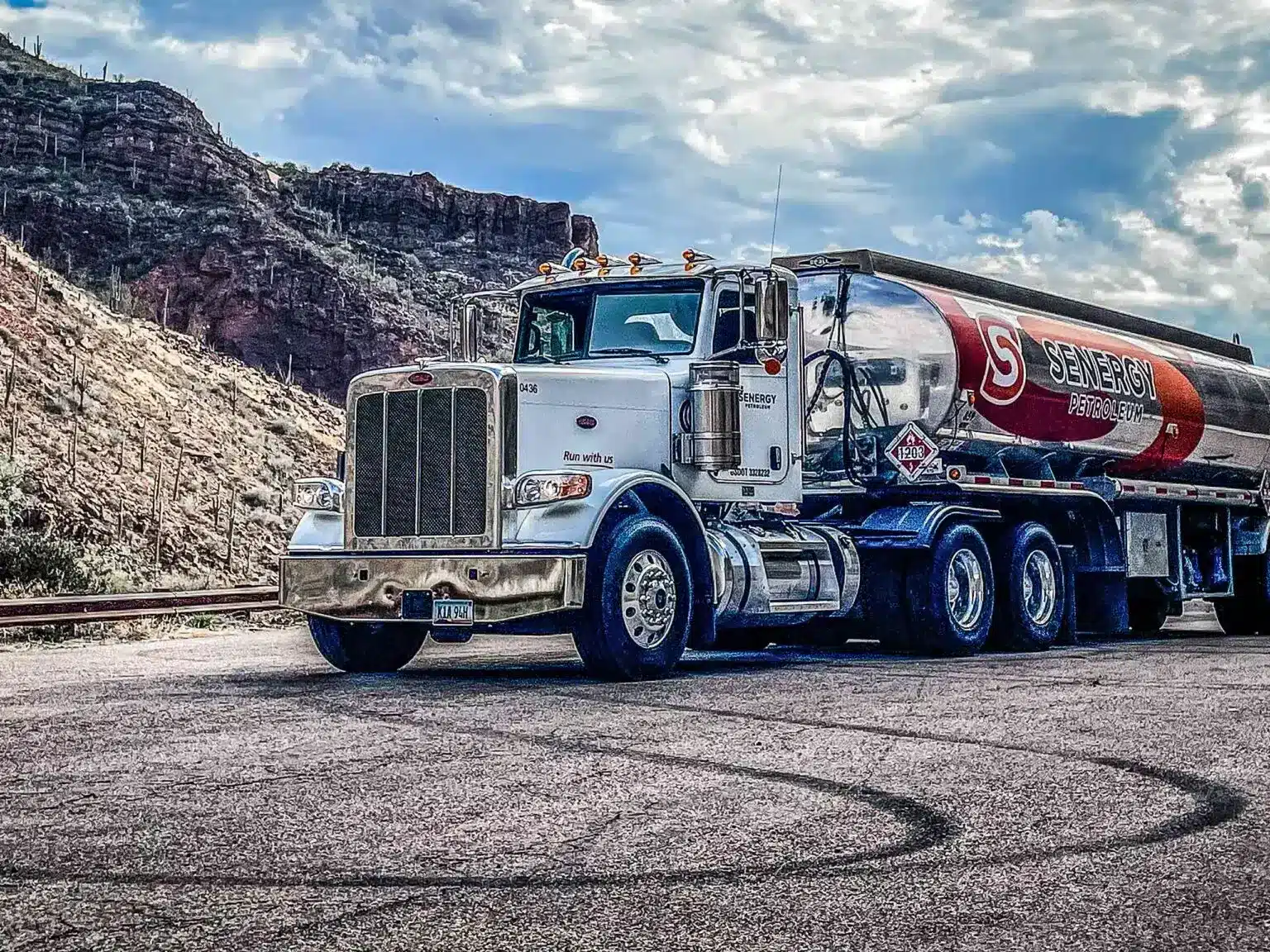
Bulk fuel delivery means fuel is brought directly to a business location instead of requiring drivers to purchase it at individual retail stations. A supplier can deliver fuel to an aboveground storage tank, portable fuel tank, or another approved storage system appropriate for the operation. Depending on the operation, deliveries may be arranged as one-time orders, recurring deliveries, or scheduled replenishment based on fuel usage.
For a fleet, the process usually starts with reviewing average daily consumption, monthly gallons, tank capacity, and supplier lead time. This information helps establish a practical reorder point. Some suppliers also offer tank monitoring, allowing fuel levels to be tracked remotely and replenishment to be planned before inventory becomes critically low. Depending on the supplier and operation, fleets may use scheduled tank deliveries, direct-to-vehicle fueling, or a combination of both.
When Bulk Diesel Fuel Makes Sense for a Fleet
Bulk diesel fuel can be a practical option when a company has steady fuel demand and a suitable place to store it. Regional trucking fleets, delivery companies, waste operations, construction businesses, municipalities, and other high-mileage operations may benefit when vehicles or equipment regularly return to the same facility. The more predictable the consumption pattern, the easier it is to plan deliveries and avoid unnecessary fuel runs.
Cost should be measured beyond the posted pump price. A fleet manager should compare the delivered cost per gallon with the full cost of retail fueling, ncluding driver time, route detours, vehicle mileage, administrative work, and any applicable fuel card or transaction fees. Storage tanks, pumps, maintenance, delivery charges, and compliance requirements also belong in the calculation. Bulk purchasing is not automatically the cheapest choice for every business; the real question is whether the overall operating cost is lower.

On-site Fuel Delivery vs. Fuel Cards
Fuel cards remain useful for fleets whose vehicles operate across wide areas and cannot return to a common depot. They provide purchasing controls and transaction records, while drivers can refuel where their routes take them. For smaller or highly distributed fleets, this flexibility can outweigh the advantages of maintaining fuel at a private facility.
On-site fuel delivery offers a different approach. Instead of sending drivers to a station, fuel can be delivered to a fleet yard or directly into vehicles and equipment. Some providers offer overnight or scheduled fueling, allowing trucks to start the next shift with full tanks. Some fuel providers offer overnight or scheduled fueling, allowing trucks and equipment to begin the next shift fueled and ready for work.
Planning Storage and Fuel Inventory
A storage tank should be selected according to actual consumption rather than simply choosing the largest available option. Fleet managers can start with average daily fuel use and the number of days of coverage they want to maintain. Supplier lead times, seasonal demand, minimum delivery quantities, desired reserve levels, and the tank’s usable capacity should also be considered when setting the reorder point.
Fuel inventory also needs regular attention. Water, sediment, corrosion, and contamination can affect stored diesel and vehicle performance, so tank inspections and maintenance should be part of the fueling plan. Secondary containment, safe transfer equipment, proper dispensing systems, and applicable federal, state, and local requirements should be reviewed before installation. Storage rules can vary based on the tank, location, capacity, and other site conditions, so fleet operators should confirm requirements with the appropriate authorities.
Choosing a Fuel Supplier
Price per gallon should not be the only factor when selecting a supplier. A lower quote has little value if deliveries are consistently late or the company cannot respond when fuel demand suddenly increases. Fleet managers should ask about delivery coverage, normal lead times, emergency service, available fuel types, minimum delivery quantities, payment terms, and communication during supply disruptions.
It is also worth checking whether the supplier can support the operation as it grows. A good program may include scheduled deliveries, remote tank monitoring, multiple fuel products, DEF, reporting, and flexible delivery vehicles for different locations. When comparing suppliers, fleet managers should evaluate available delivery methods, recurring delivery options, tank monitoring capabilities, product availability, and the supplier’s ability to accommodate different delivery volumes.
Common Mistakes Fleet Managers Should Avoid
One common mistake is focusing only on fuel price while ignoring the cost of getting vehicles to and from fueling locations. Another is ordering too little fuel without considering supplier lead time or seasonal demand. A runout can disrupt routes, delay equipment, and create costs that are far greater than the savings from a slightly lower purchase price. Fuel usage should be tracked by vehicle, equipment type, location, and operating period where practical.
Fleet managers should also avoid treating storage as an afterthought. Tank capacity, monitoring, maintenance, dispensing equipment, spill prevention, and recordkeeping all affect the long-term value of a fueling program. The goal is not simply to have more fuel on hand; it is to create a dependable system that keeps vehicles working, controls inventory, and gives managers a clear view of fuel spending. For fleets with consistent demand and centralized operations, bulk fuel delivery can be one part of a broader strategy for improving fleet productivity and controlling operating costs.
