
What Are Fuel Tank Monitoring Systems and How Do They Work?
Managing fuel storage is easier when you have reliable information about how much fuel is available. For a small tank, checking the gauge by hand may be enough. But when tanks are large, used frequently, or located away from the main facility, manual checks can take time and may not provide information quickly enough.
A fuel tank monitoring system provides a simpler way to keep track of stored fuel. It uses sensors to measure the fuel level and, depending on the system, can send that information to a display, mobile app, or online dashboard. Users can check the tank remotely, receive low-level alerts, and keep track of changes over time.
Modern monitoring systems can do more than show how full a tank is. They can help businesses plan fuel deliveries, understand usage patterns, identify unusual changes, and manage multiple tanks from a central location.
Overview
- Fuel tank monitoring systems track the amount of fuel stored in a tank.
- Sensors measure fuel levels, and connected monitoring equipment can make those readings available through a gauge, app, or online dashboard.
- Systems may use cellular, Wi-Fi, Bluetooth, or other communication methods.
- Depending on the system, they can monitor fuel level, temperature, water level, and inventory changes.
- Low-level alerts can notify users when a tank needs attention or refilling.
- Remote monitoring reduces the need for frequent manual tank checks.
- Businesses can use tank data to plan deliveries and understand fuel consumption.
- Different systems are available for residential, fleet, agricultural, generator, commercial, and industrial tanks.
- Advanced systems may offer additional features such as multiple-tank monitoring and historical data.
- The right system depends on the tank type, fuel, location, monitoring needs, and applicable requirements.

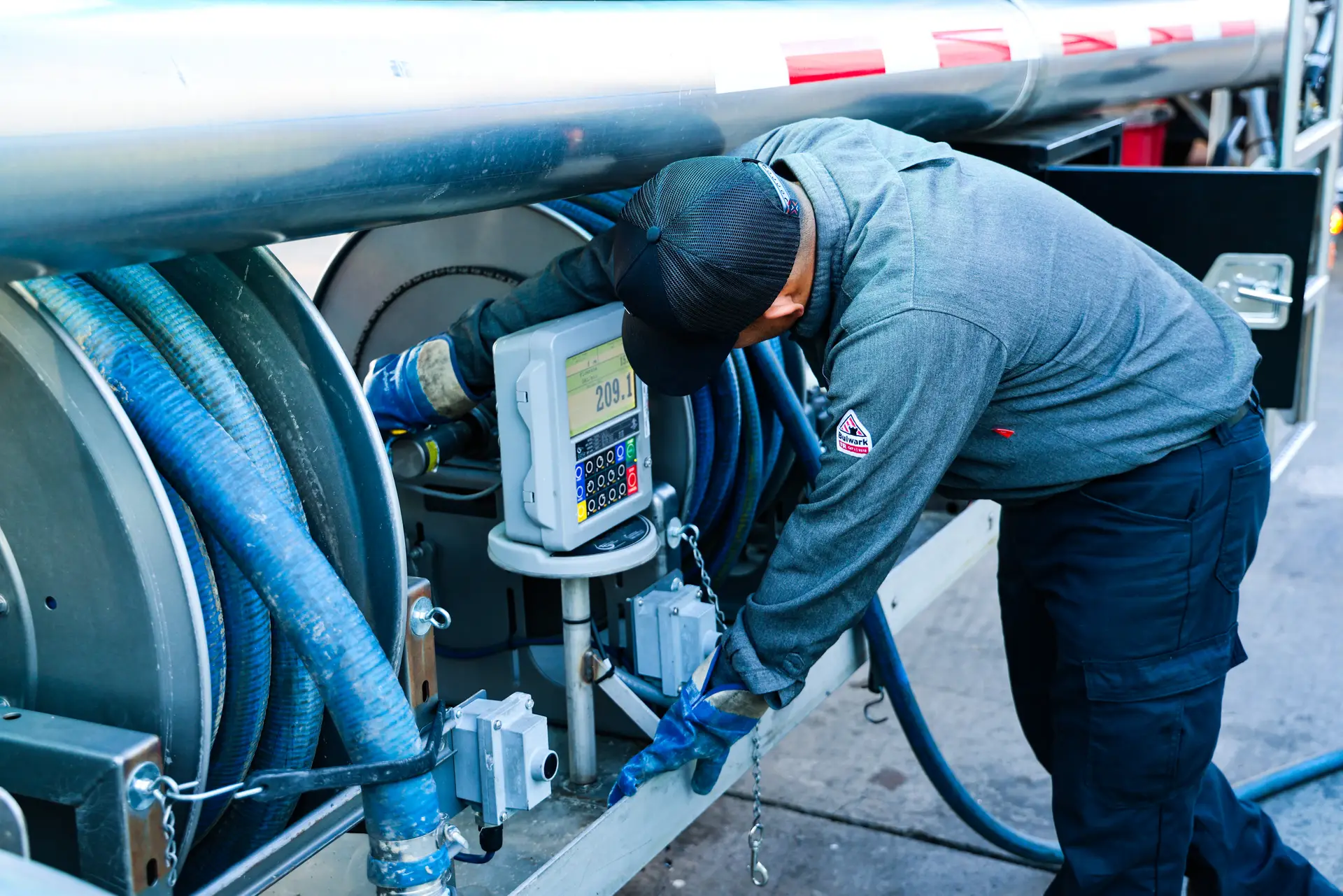
What Is Fuel Tank Monitoring?
Fuel tank monitoring is the process of measuring and tracking fuel stored in a tank. At the heart of most systems is a sensor or probe that measures the level of fuel and converts that measurement into useful information, such as an estimated volume or percentage of tank capacity.
Some systems provide information through a gauge installed near the tank. Others use wireless or cellular communication to send readings to an online platform. This makes it possible to check fuel levels without visiting the tank.
The type of monitoring equipment required depends on the tank, fuel, and intended use. A small tank may only need a basic level sensor, while a larger operation may need equipment that can monitor multiple tanks, record historical readings, and send automatic notifications.
Put simply, fuel tank monitoring gives you a convenient way to know how much fuel you have and when it may be time to refill.
How Do Fuel Tank Monitoring Systems Work?
A typical system begins with a sensor that measures the level of fuel in the tank. Different monitoring systems use different technologies, including ultrasonic, radar, pressure-based, float, and other sensing methods.
The sensor sends the measurement to a monitoring device or controller. The device processes the reading and converts it into information the user can understand. Depending on the equipment, the fuel level may be shown in gallons, a percentage, inches, or another measurement.
In a connected system, the information is then transmitted using a communication method such as cellular service, Wi-Fi, Bluetooth, or another network. The data can appear on a website, computer dashboard, or mobile app.
Many systems can also trigger alerts based on preset conditions. For example, a user may receive a notification when the fuel level falls below a selected threshold. Depending on the system, alerts may also cover unusual fuel loss, water levels, sensor problems, or communication issues.
What Information Can a Tank Monitoring System Provide?
Fuel level is the primary measurement, but many modern systems can provide additional information. Depending on the equipment, users may see tank level, estimated fuel volume, percentage of capacity, temperature, water level, and inventory changes.
Historical data can be particularly useful. Instead of looking at one reading, users can review fuel levels over time to understand normal consumption patterns. For example, a business may notice that a tank typically reaches a certain level after a week of operation. A sudden change from that pattern may indicate an issue that needs attention.
Tank data can also support delivery planning. A low-level alert can give users time to arrange a refill before the supply becomes critical. This can be especially helpful when a tank is located at a remote facility or when deliveries need to be scheduled in advance.
The information available varies from one system to another. Some monitors focus primarily on fuel level, while more advanced systems can collect several types of tank data. Checking the system’s specifications is important before installation.
What Types of Fuel Tanks Can Be Monitored?
Fuel monitoring technology can be used with a wide range of storage tanks. Common applications include diesel tanks, gasoline tanks, heating-oil tanks, generator fuel tanks, agricultural tanks, fleet tanks, and larger industrial storage tanks.
Aboveground tanks are generally easier to access for installation and maintenance. Underground tanks can require specialized equipment and installation methods. Tank construction, size, fuel type, and operating conditions can also affect which monitoring technology is appropriate.
Some systems are designed for one tank, while others can monitor several tanks at the same time. Multi-tank monitoring can be useful for businesses with several storage points or facilities.
The monitoring needs can also vary by application. A homeowner may simply want an alert when a heating-oil tank is getting low. A business may want fuel-use records and remote access. A fleet operator may need to monitor several diesel tanks and keep track of their levels from one location.
For regulated underground storage tanks, additional requirements may apply. An automatic tank gauging system used for regulatory purposes can have specific performance requirements. A basic remote fuel-level monitor should not automatically be considered the same as a regulatory release-detection system.
Why Do Businesses Use Fuel Tank Monitoring?
Convenience is one of the biggest reasons businesses use remote fuel monitoring. Instead of sending an employee to check a tank, operators can often view its status from a computer or mobile device.
Monitoring can also make fuel planning easier. Knowing the current level allows users to arrange deliveries before the tank becomes critically low. This can help reduce interruptions caused by running out of fuel.
Another benefit is early awareness of unusual changes. If the fuel level drops much faster than expected, the operator can investigate. Depending on the equipment, the system may also provide alerts related to low fuel, water, sensor faults, or other conditions.
For businesses managing several tanks, centralized monitoring can make the job even easier. Operators can view information from multiple locations through one platform rather than relying on separate manual checks.
Over time, fuel data can reveal useful patterns. Businesses may learn how quickly they normally consume stored fuel, when fuel consumption is highest, and how often deliveries are typically needed.
What Should You Consider When Choosing a Monitoring System?
Choosing the right monitoring system starts with understanding the tank and how it is used. Consider the tank’s size, location, fuel type, construction, and whether it is aboveground or underground.
Connectivity is another important consideration. Wi-Fi may be suitable where dependable internet is available. Cellular communication can be useful at remote sites, while other communication options may be better for locations with limited network coverage.
You should also consider sensor compatibility, installation requirements, battery life, software features, alert options, maintenance requirements, and available product documentation. A system should be practical for the environment in which it will operate, not just capable on paper.
For regulated applications, make sure the equipment and monitoring method meet the requirements that apply to your tank and location.
Fuel tank monitoring is ultimately about having reliable information when you need it. By measuring fuel levels and making that information available remotely, these systems can reduce the need for manual checks, support delivery planning, and help users respond to unusual fuel-level changes sooner.