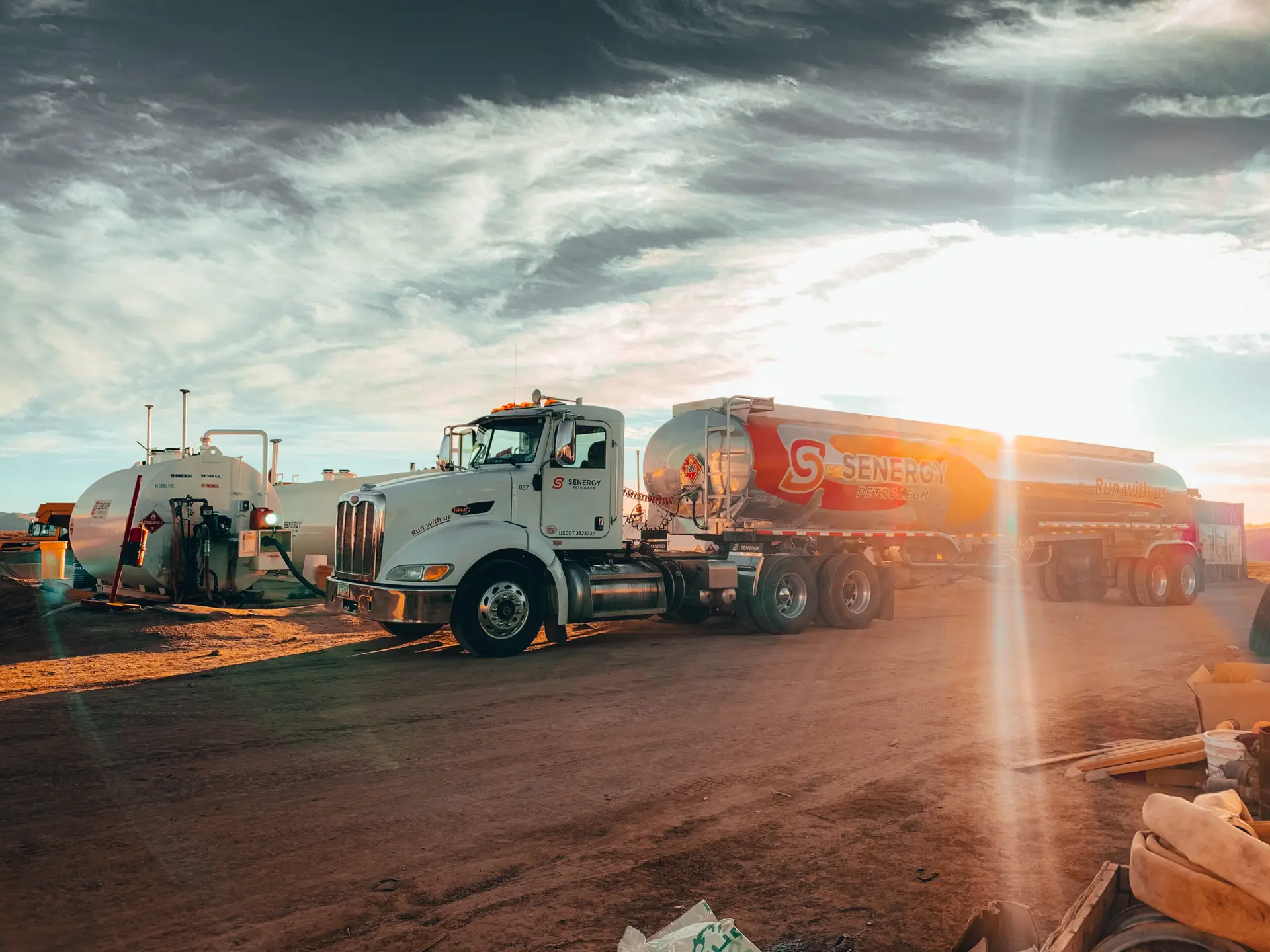
Understanding the Role of Mining Fuel in Operational Efficiency
In mining operations, fuel is a critical asset and a driving factor in overall productivity. Haul trucks, excavators, and bulldozers rely almost entirely on diesel-powered systems to maintain continuous operation during long shifts. Many mining sites operate around the clock, often in remote locations with limited fuel access, making reliable fuel management essential for uninterrupted output.
Mining managers recognize that fuel is not simply a cost but a strategic resource directly tied to operational performance. Fluctuating fuel prices and logistical challenges complicate fuel planning. Poor fuel management can lead to unplanned downtime, extended shift schedules, and reduced productivity. Conversely, strategic fuel planning helps optimize consumption, streamline deliveries, and maximize equipment uptime.
Integrating effective fuel strategies into daily operations requires collaboration among operations, safety, and logistics teams. By understanding the fuel needs of specialized equipment, teams can plan refueling schedules, coordinate deliveries, and align fuel availability with production goals. This proactive approach establishes a foundation for improved efficiency and consistent uptime across all mining operations.
Fuel Planning: A Key Strategy for Maximizing Mining Equipment Uptime
Uptime optimization in mining ensures that equipment spends more time running and less time idle, with fuel planning playing a critical role. Idling due to fuel shortages increases operating costs and reduces overall productivity, making effective fuel management essential for maximizing equipment utilization.
Mining operations should begin by reviewing historical fuel usage to identify patterns and peak consumption periods. With this insight, fuel deliveries can be scheduled proactively, preventing delays and ensuring equipment remains fully operational. This approach not only keeps machinery running but also supports shift planning by eliminating last-minute refueling bottlenecks.
Additionally, fuel quality and grade must align with the specific requirements of each system. Using lower-grade fuel in high-performance equipment can lead to reduced engine performance, increased wear, or unexpected downtime. Matching fuel grade to system specifications ensures optimal performance and minimizes unscheduled outages.
When fuel planning is seamlessly integrated with operational and safety strategies, uptime improves significantly. Teams that treat fuel as a strategic resource can enhance productivity, reduce interruptions, and maintain consistent equipment performance.
Leveraging Tracking Technology to Maximize Equipment Efficiency
Modern mining operations increasingly rely on technology to monitor fuel usage in real time. Fuel tracking systems collect data directly from equipment sensors or through fuel pump integrations. These systems detect anomalies early, alerting teams to potential capacity issues before they escalate into costly problems.
With real-time data, operations managers can identify when equipment is consuming more fuel than expected. This may indicate engine inefficiencies, improper operator practices, or maintenance needs. Addressing these issues promptly reduces unnecessary fuel consumption and contributes to higher uptime.
Remote monitoring also enhances security and accountability. Fuel theft and unauthorized refueling can pose significant challenges in remote mining operations. Fuel tracking systems detect abnormal usage and notify supervisors immediately, reducing losses and providing tighter control over fuel distribution.
When integrated with fleet management systems, mining operations gain a centralized view of fuel use across all equipment. This integrated approach enables strategic decision-making, improves productivity, lowers costs, and supports long-term planning for fuel logistics and maintenance.
Fuel Storage and Refueling Strategies to Maximize Mining Uptime
Fuel storage and refueling logistics are critical for maintaining continuous operations in mining. Poor storage practices can lead to contamination, evaporation losses, and safety hazards. Contaminated fuel can reduce engine performance and disrupt heavy equipment operation, undermining uptime optimization.
Mining operations should invest in properly designed fuel storage tanks with effective filtration systems. Elevating tanks, using internal baffles, and including spill containment measures all help maintain fuel quality. Ensuring storage structures meet safety and regulatory standards further reduces operational risks.
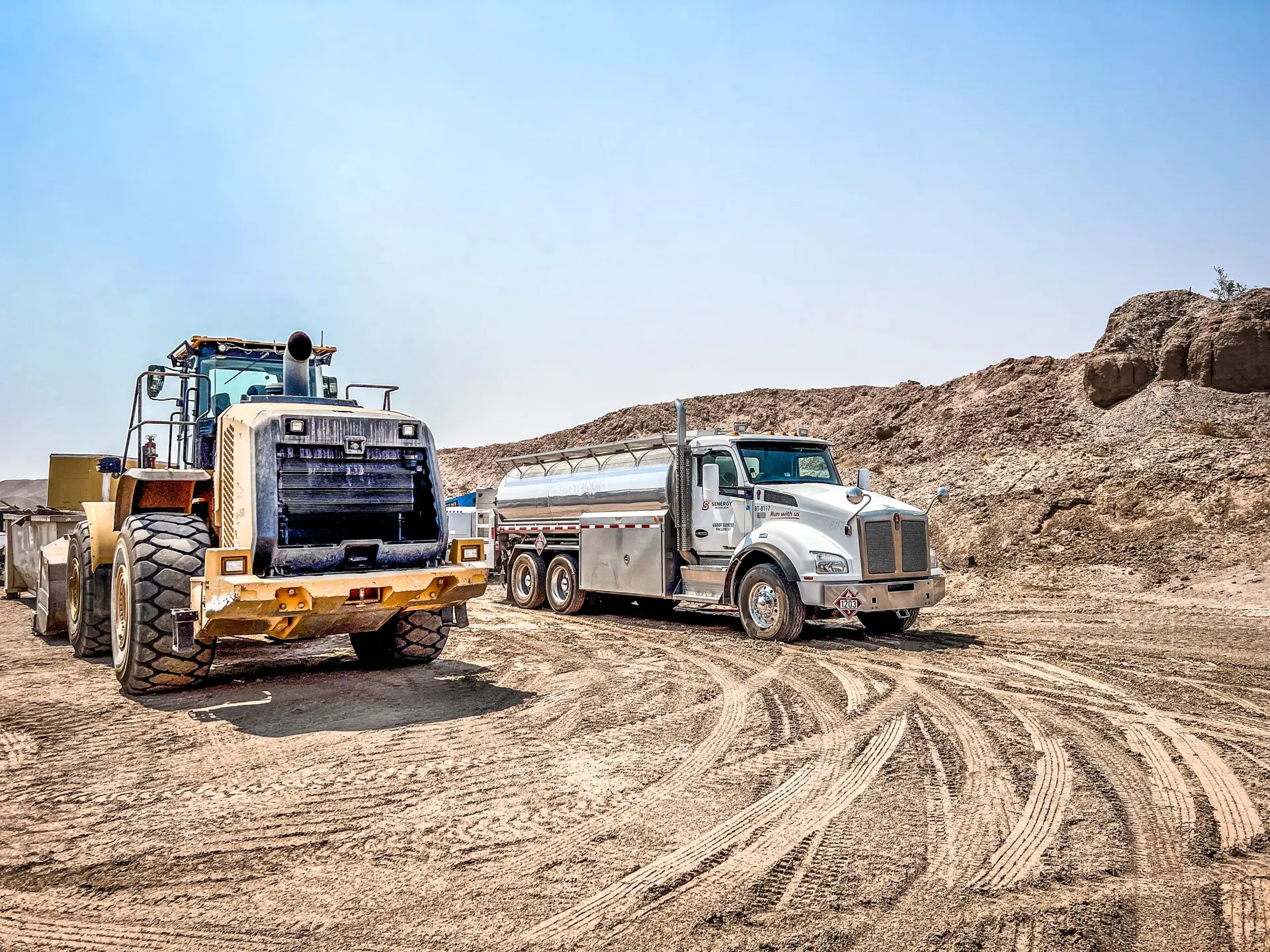
Refueling logistics should be carefully planned to ensure fuel is available when and where it’s needed. This includes mapping equipment locations, coordinating deliveries with suppliers, and utilizing mobile refueling units where appropriate to reduce downtime and maintain productivity.
Training crews in proper refueling procedures enhances operational performance. Standardized refueling practices ensure equipment is refueled quickly and correctly, minimizing the risk of contamination or spills. Effective storage and refueling strategies complement uptime optimization and reinforce overall mining productivity.
Training Operators for Efficient Fuel Use and Maximum Mining Uptime
Heavy-equipment operators play a crucial role in ensuring fuel is used efficiently. Training operators on fuel-awareness strategies can significantly reduce unnecessary consumption. Maintaining consistent engine speeds, minimizing excessive idling, and adjusting for terrain changes all contribute to optimized fuel use.
Refresher training sessions, including simulations or real-world demonstrations, help operators understand how specific behaviors impact fuel consumption. Operators who recognize the operational and cost implications of poor practices are more likely to adopt effective habits. These adjustments not only reduce fuel waste but also extend the service life of heavy equipment.
Route planning is another critical factor. Operators who follow the most direct, smooth, and least-congested paths reduce engine strain and fuel usage. On large mining sites, setting preferred routes and schedules streamlines operations and improves fuel efficiency without compromising productivity.
Instructor-led reviews and performance incentives foster a culture of responsibility and smart equipment use. When operators actively participate in uptime optimization, fuel consumption becomes more predictable, manageable, and aligned with operational goals.
Using Predictive Maintenance to Optimize Fuel Efficiency
Predictive maintenance uses sensors, inspections, and equipment records to forecast when heavy machinery is likely to require service. This approach prevents sudden breakdowns that can lead to wasted fuel and lost operational hours.
For example, an engine operating with a clogged filter or worn fuel injectors consumes more fuel to maintain performance. By identifying these issues early, maintenance teams can repair or replace components before fuel consumption spikes or equipment fails during critical operations.
Integrating predictive maintenance systems with fuel tracking data provides valuable insight into how equipment condition affects fuel usage. Teams can identify correlations between rising fuel consumption and specific mechanical issues. Addressing these proactively reduces fuel waste and supports uptime optimization.
Predictive maintenance also improves scheduling, ensuring service occurs during planned downtime rather than peak operational hours. This minimizes disruptions and enhances the reliability of heavy equipment across the site, making fuel use more predictable and efficient.
Evaluating Alternative Fuels to Enhance Mining Equipment Performance
Mining operations are exploring alternatives to conventional diesel to improve efficiency and manage costs. Options such as advanced diesel blends and emerging fuel technologies are gaining industry attention. These alternatives can deliver comparable performance while supporting operational reliability.
Before adopting new fuel types, operations should evaluate compatibility with existing heavy equipment. Engine specifications, warranty requirements, and fuel delivery infrastructure all influence whether a new fuel type is practical. Controlled trials help determine how alternative fuels impact consumption patterns and maintenance needs.
When implemented strategically, transitioning to alternative fuels can support uptime optimization. Some options reduce engine deposits and extend service intervals, while others may require adjustments to storage and handling procedures to maintain fuel quality.
Operations that adopt alternative fuels benefit from aligning these changes with broader operational strategies, including equipment performance monitoring and predictive maintenance. While initial investments may be higher, long-term savings and improved equipment reliability can justify the transition for large-scale mining operations.
Mining With Fuel Management
Maximizing productivity through fuel management requires ongoing assessment and refinement. Successful mining operations regularly review fuel performance, including consumption trends, costs, and equipment uptime. Operational teams investigate anomalies, adjust logistics, and refine schedules as needed. Benchmarking against industry standards helps identify best practices, while collaboration across operations, maintenance, and finance ensures shared insight and coordinated action. This proactive approach keeps operations agile, maintains consistent uptime, and makes sure that fuel investments deliver value.