Understanding Seasonal Fuel Blends and Performance Impact

Fuel isn’t always a one-size-fits-all solution, especially for industries that depend on heavy-duty equipment. Seasonal diesel blends are adjusted to meet the demands of varying temperatures, ensuring reliable performance in every condition. Fuel that works well in the summer may not deliver the same results in colder months. For operations running agricultural machinery, trucking fleets, or municipal vehicles, understanding these seasonal changes is essential to avoid downtime and performance losses. Refineries and suppliers adjust factors such as volatility, viscosity, and cold-flow properties to provide the right balance for efficiency and compliance. Overlooking these differences can lead to costly maintenance issues, including clogged filters or engine stalls. Staying prepared with the correct seasonal blend helps protect equipment, reduce repair costs, and maintain consistent performance year-round.


The Key Differences Between Summer and Winter Diesel

The primary distinction between summer and winter diesel lies in volatility and cold-weather performance. Summer blends are designed to withstand higher ambient temperatures without evaporating excessively, ensuring steady combustion throughout the warmer months. Winter fuel, by contrast, is refined with additives and properties that allow it to remain fluid in freezing conditions. Without these adjustments, diesel can gel, clog filters, and bring operations to a standstill. Trucking companies, farmers, and municipal fleets must transition at the right time of year to avoid seasonal performance issues. Delaying the switch can lead to sluggish engine performance, fuel starvation, or breakdowns during cold snaps. It is also important to avoid carrying over fuel from one season to the next, as blends purchased at the end of a season may not be suitable for upcoming conditions. Understanding these differences allows businesses to make proactive decisions and keep equipment operating smoothly year-round.

Cold Weather Diesel Additives: Keeping Equipment Moving

When temperatures drop, diesel naturally thickens, leading to restricted flow and starting difficulties. Cold weather diesel additives are designed to address these challenges by improving crystal formation within the fuel. Anti-gel agents lower the Cold Filter Plugging Point (CFPP), allowing diesel to pass through filters even in subzero conditions. These additives are especially valuable for fleets and equipment operating in regions with harsh winters. Advancements in additive technology have also led to multifunctional formulations that not only improve cold flow but also provide added lubrication and protection for critical components. For businesses, the cost of additives is minimal compared to the downtime and expenses caused by stalled equipment during peak operational hours. Whether it’s municipal snowplows, farm tractors, or trucking fleets, cold weather diesel additives ensure engines remain dependable and responsive. By incorporating them into seasonal fuel strategies, businesses secure consistent performance when it matters most.

Why Seasonal Fuel Blend Performance Matters

Fuel blend performance directly impacts engine efficiency, power output, and operating costs. Each seasonal blend is formulated to optimize combustion under specific conditions. In the summer, reduced volatility helps prevent vapor lock, while in the winter, enhanced cold-weather properties ensure reliable starts. For companies operating large fleets, even small differences in performance can add up to significant cost savings or losses. Equipment operators who fail to align fuel type with seasonal requirements risk incomplete combustion, higher fuel consumption, and costly downtime. Modern engines with high-pressure fuel injection systems are especially sensitive to fuel quality. Seasonal blends and additives support clean injectors, consistent spray patterns, and optimal combustion. This level of performance not only extends equipment life but also improves overall reliability. Businesses that prioritize proper fuel blends maintain an edge in both cost control and fleet management.

The Risks of Using the Wrong Seasonal Diesel Blend

Using the wrong seasonal diesel blend can cause significant operational setbacks. In cold weather, summer fuel can gel, forming wax crystals that clog filters and fuel lines. This prevents engines from starting or running properly, often leading to costly roadside repairs or equipment downtime during critical work hours. Conversely, winter fuel used in warm climates is less energy-dense, resulting in reduced efficiency and higher consumption. For companies operating on tight margins, these inefficiencies add up quickly.

Incorrect fuel use also places unnecessary strain on injectors, pumps, and other sensitive components, leading to premature wear and added maintenance costs. Fleets, agricultural operations, and municipal organizations must work closely with their suppliers to ensure the correct seasonal fuel is delivered at the right time. Proactive fuel management helps prevent breakdowns, protects equipment, and ensures uninterrupted operations during peak work seasons and demanding conditions.

Best Practices for Storing Seasonal Diesel

Storage plays a critical role in how seasonal fuels perform. Diesel stored for extended periods can degrade, allowing moisture buildup that compromises fuel quality. Seasonal diesel blends are particularly sensitive to these conditions, as temperature fluctuations can increase the risk of contamination. For businesses with bulk fuel tanks, it is essential to drain tanks as needed, prevent water accumulation, and use stabilizing additives. Rotating inventory is equally important to ensure older fuel is used before seasonal transitions. For example, holding summer fuel into the winter increases the risk of gelling and engine failure, while storing winter fuel in hot weather can reduce efficiency. By managing seasonal inventory carefully, businesses avoid cross-seasonal performance issues and maintain fuel integrity. Proper storage practices not only protect equipment but also safeguard investments in large-scale fuel purchases. For fleets and agricultural operations, effective storage ensures year-round readiness.

Compliance and Performance in Seasonal Diesel Blends

Another critical aspect of seasonal diesel blends is their role in meeting regulatory requirements. Agencies set standards for both summer and winter formulations to ensure proper fuel performance and compliance. Summer blends are designed to manage volatility in higher temperatures, while winter blends are refined to maintain fluidity in freezing conditions. For businesses operating government or municipal fleets, using the correct seasonal blend is not optional—it is a regulatory requirement. Failing to do so can result in visible smoke, equipment issues, and potential penalties. Beyond compliance, proper seasonal blends also help reduce strain on exhaust after-treatment systems, such as diesel particulate filters (DPFs), lowering maintenance needs. Aligning fuel use with seasonal requirements supports operational reliability and long-term equipment performance.

Preparing for Every Season with the Right Fuel Strategy

A proactive fuel strategy ensures businesses are prepared for seasonal changes. Coordinating with suppliers, scheduling timely deliveries, and using cold-weather additives when needed help prevent costly setbacks. Fleets and equipment managers who plan transitions carefully reduce risks, extend equipment life, and maximize efficiency. In industries where downtime is expensive, the right seasonal blend makes all the difference. Run With Senergy to stay reliable year-round.

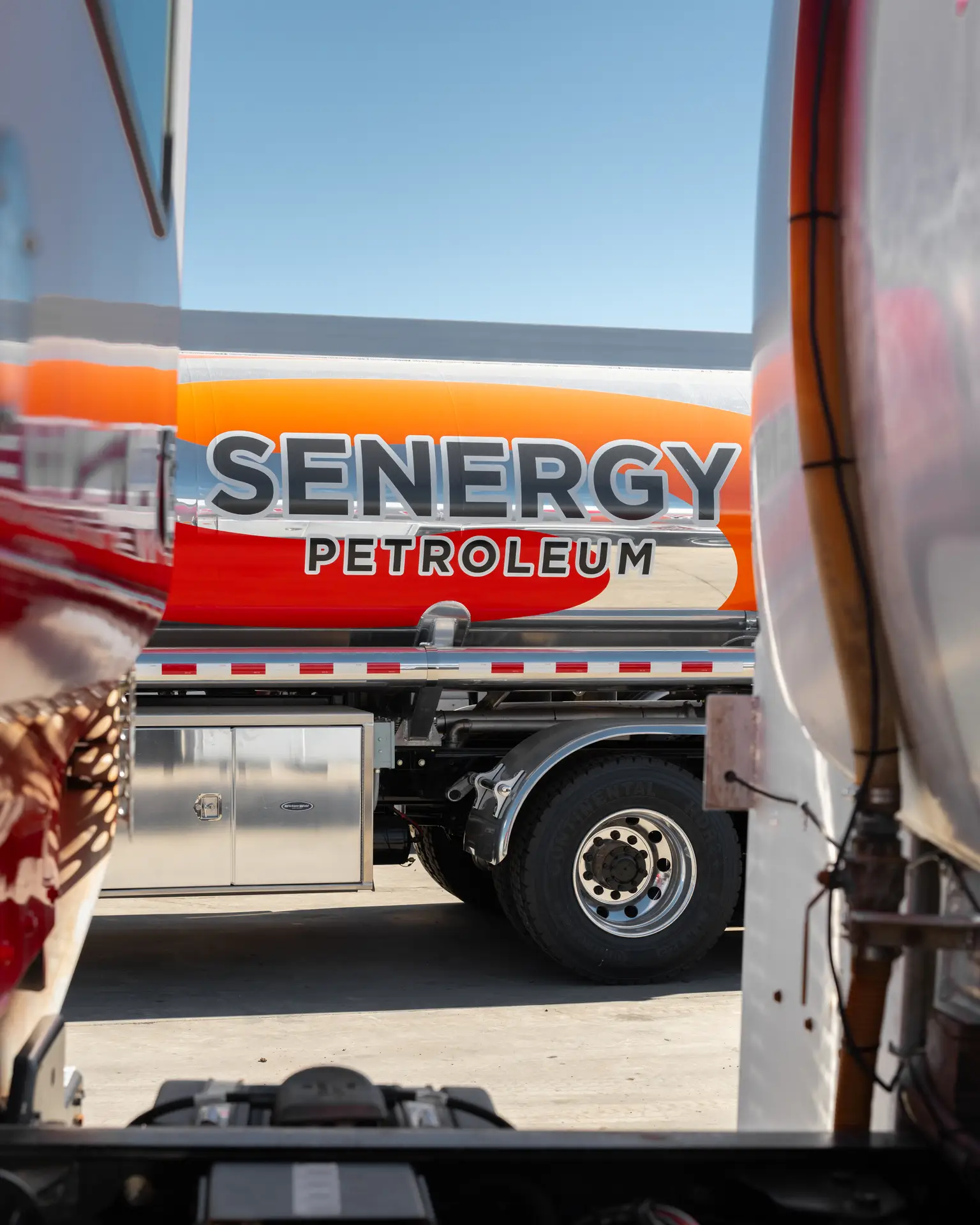
senergy phoenix truck

Stay Up To Date!

Keep up with Deals, Industry Updates, and more!

"*" indicates required fields

This field is for validation purposes and should be left unchanged.