Understanding Diesel Exhaust Fluid and Its Role in Modern Fleets
Diesel technology has advanced significantly over the past decade, with one innovation emerging as essential for both environmental performance and operational reliability: Diesel Exhaust Fluid (DEF). Once relatively unknown, DEF has become a cornerstone of modern diesel maintenance and emissions management. More than just another fluid under the hood, it plays a critical role in promoting cleaner air, improving engine efficiency, and ensuring long-term compliance with stringent environmental regulations.
What Is Diesel Exhaust Fluid and Why Does It Matter
Diesel Exhaust Fluid (DEF) is a clear, non-toxic solution composed of 32.5% high-purity urea and 67.5% deionized water. It is used in vehicles equipped with Selective Catalytic Reduction (SCR) systems—a technology designed to significantly reduce harmful nitrogen oxide (NOx) emissions. When diesel engines operate at high temperatures, nitrogen and oxygen combine to form NOx, a pollutant known to contribute to smog and respiratory concerns.
DEF is essential in converting these emissions into harmless nitrogen and water vapor before they exit the exhaust system. Without DEF, engines would fail to meet emission standards, resulting in compliance issues, performance setbacks, and potential financial penalties. For businesses that rely on diesel-powered fleets, maintaining proper DEF systems is now a vital part of routine engine care and regulatory compliance.
How DEF Systems Support Emission Reduction
At the core of modern emissions control, Diesel Exhaust Fluid (DEF) systems use advanced chemistry to make diesel engines run cleaner. When DEF is injected into the exhaust stream, it reacts with nitrogen oxide (NOx) gases inside the Selective Catalytic Reduction (SCR) catalyst. The heat converts the fluid into ammonia, which then combines with NOx to form nitrogen and water—both naturally occurring and harmless to the atmosphere.
This process, known as Selective Catalytic Reduction, can reduce NOx emissions by up to 90%. The result is a substantial improvement in air quality and full compliance with strict environmental standards such as EPA 2010 and Euro VI. For fleets operating across multiple regions, maintaining a reliable DEF supply ensures every vehicle remains compliant and operations continue without interruption.
The Link Between DEF and Diesel Engine Efficiency
Beyond its environmental benefits, Diesel Exhaust Fluid (DEF) also enhances engine performance and fuel efficiency. By effectively controlling NOx through the SCR system, engines can operate at optimal combustion temperatures without compromising power. This balance improves torque, minimizes soot buildup, and supports better fuel economy over time.
For fleet managers, these advantages translate to lower operating costs and improved reliability. Consistent use of high-quality DEF helps keep engines cleaner, prevents exhaust system blockages, and extends component life. While DEF’s primary function is emission reduction, it also serves as a key factor in maintaining long-term engine health and overall fleet productivity.
Proper Storage and Handling of Diesel Exhaust Fluid
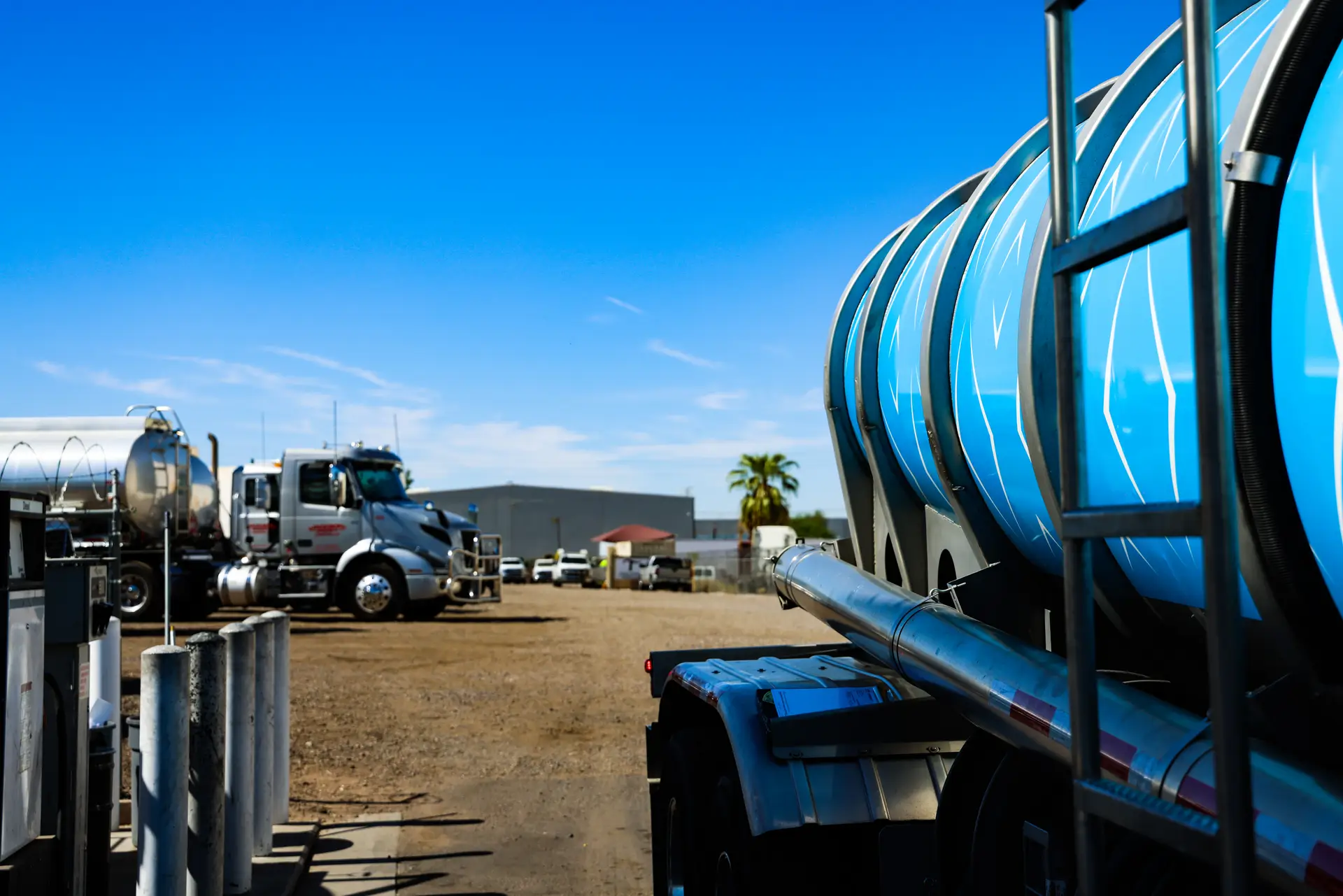
Because Diesel Exhaust Fluid (DEF) is sensitive to contamination and temperature fluctuations, proper storage and handling are essential to maintaining its quality. Exposure to direct sunlight or excessive heat can degrade the urea concentration and shorten the fluid’s shelf life. Similarly, using unclean containers or dispensing equipment can introduce debris that disrupts the SCR system.
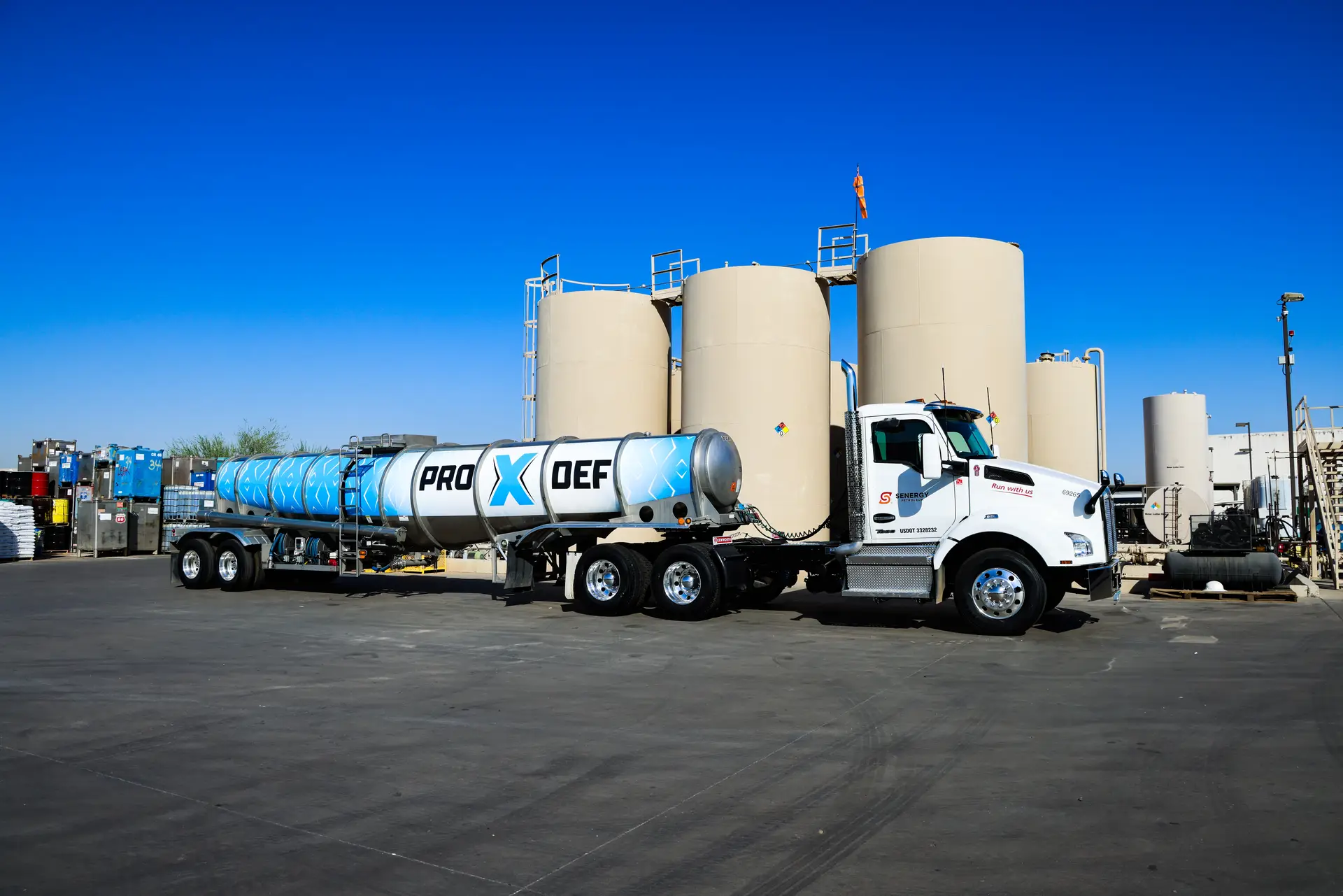
To preserve DEF stability, it should be stored in a cool, dry location between 12°F (-11°C) and 86°F (30°C), away from fuels, oils, and other chemicals. Containers should remain tightly sealed when not in use to prevent dust or moisture contamination. Many businesses that rely on diesel fleets invest in dedicated DEF tanks or bulk storage systems to ensure product purity and a steady supply. Following these best practices helps reduce maintenance issues and protect DEF system integrity over time.
Common Problems Caused by Poor DEF Management
Neglecting proper DEF management can lead to several performance and compliance issues. Contaminated or degraded DEF can trigger system malfunctions, clog injectors, and cause inaccurate readings in onboard sensors. Most diesel engines are equipped with monitoring systems that track DEF quality, level, and injection rate. When a problem occurs, the vehicle may enter “limp mode,” limiting its power until the issue is resolved.
For fleet operators, such downtime can interrupt schedules and increase repair costs. Poor-quality DEF also undermines emission reduction efforts, potentially causing vehicles to exceed regulatory limits. Implementing strict DEF handling practices, including using clean dispensing equipment and monitoring fluid levels regularly, helps avoid these costly disruptions and maintains both compliance and efficiency.
Choosing the Right DEF Systems for Your Fleet
Choosing a reliable Diesel Exhaust Fluid (DEF) system goes beyond compliance—it’s about ensuring consistent performance and simplified maintenance. High-quality systems are built from corrosion-resistant materials such as stainless steel or durable plastics to prevent contamination and extend service life. Features like accurate metering, temperature control, and leak-proof seals further enhance long-term reliability.
For fleets operating in diverse climates, temperature-controlled systems help protect DEF from freezing or overheating. Investing in the right equipment reduces labor costs, simplifies refilling, and keeps Selective Catalytic Reduction (SCR) components functioning efficiently. Ultimately, a dependable DEF setup contributes to reduced downtime, lower emissions, and improved diesel maintenance across operations.
The Role of DEF in Sustainable Fleet Operations
Sustainability continues to drive innovation in modern fleet management, and Diesel Exhaust Fluid (DEF) plays a central role in that progress. By significantly reducing NOx emissions, DEF helps companies minimize their environmental impact while maintaining efficient, reliable operations. Cleaner performance also supports longer engine life, reduced component wear, and less operational waste over time.
As emission standards grow increasingly strict, implementing effective DEF systems demonstrates a proactive commitment to sustainable operations. For fleet owners, using DEF is not only about meeting regulations—it’s about leading with responsibility, efficiency, and long-term reliability.
The Bottom Line on DEF
Diesel Exhaust Fluid (DEF) helps fleets perform at their best while staying compliant and environmentally responsible. By reducing emissions and supporting engine health, DEF has become essential to modern diesel operations. When properly stored and managed, it boosts reliability and lowers long-term maintenance costs.
For fleets focused on uptime, efficiency, and compliance, consistent DEF management is key. Run With Senergy Petroleum—your trusted partner for cleaner fueling solutions and smarter diesel maintenance.