
Understanding Bulk Fuel Storage for Commercial Operations
Bulk fuel storage is a critical component of operations in industries where energy supply must remain uninterrupted. Transportation, construction, agricultural, and manufacturing sectors rely on a consistent fuel supply to maintain productivity. Without a reliable system to store large volumes of fuel, operations face potential downtime, increased expenses, and logistical inefficiencies.
Bulk fuel storage involves the use of large tanks or specialized facilities designed to safely hold substantial quantities of fuel. These systems are more than storage—they are an integral part of an operational strategy that ensures fuel is available when needed, minimizing the need for frequent refueling. By leveraging economies of scale, businesses can purchase fuel in larger volumes to reduce costs per unit and manage market fluctuations.
Effective bulk fuel storage requires careful planning. Performance depends on factors such as tank design, facility location, and regulatory compliance. Modern bulk fuel storage solutions incorporate advanced monitoring systems, providing real-time information on fuel levels and consumption rates, ensuring reliable management of fuel resources.
Major Elements of Good Fuel Tank Management
The success of any bulk fuel storage system depends on comprehensive fuel tank management, which encompasses practices designed to ensure the safety, efficiency, and longevity of the storage infrastructure. At its core, fuel tank management focuses on fuel levels, tank integrity, and preventive maintenance measures.
An effective management system begins with accurate inventory control. Businesses must track fuel quantities, monitor consumption rates, and plan timely reorders. Advanced monitoring technologies, including automated sensors and digital dashboards, provide real-time visibility into fuel usage, reducing the risk of shortages or overstocking.
Maintenance is another critical component. Regular inspections help identify corrosion, leaks, or structural issues before they escalate into costly problems. Industry best practices recommend routine checks, cleaning, and pressure testing to maintain safe storage conditions.
Thorough recordkeeping and regulatory compliance are also essential. Maintaining detailed logs of inspections, maintenance, and fuel quality tests ensures accountability and adherence to industry standards. Compliance with regulatory requirements safeguards operations and supports safe, reliable fuel management.
Commercial Diesel Storage Solutions
Diesel storage solutions vary depending on the size and nature of business operations. Selecting the appropriate storage system is essential to maximize efficiency and minimize operational risk. Common options include above-ground storage tanks (ASTs), underground storage tanks (USTs), and portable fuel tanks.
Above-ground tanks are often preferred due to their accessibility and ease of maintenance. They can be inspected quickly and are generally more cost-effective to install. However, they require ample space and should be protected against extreme temperatures and other environmental factors.
Underground tanks save space and offer increased protection from external exposure, making them ideal for urban locations or areas with limited land. While these tanks provide durability and space efficiency, they require more complex installation and advanced monitoring systems to detect leaks or corrosion.
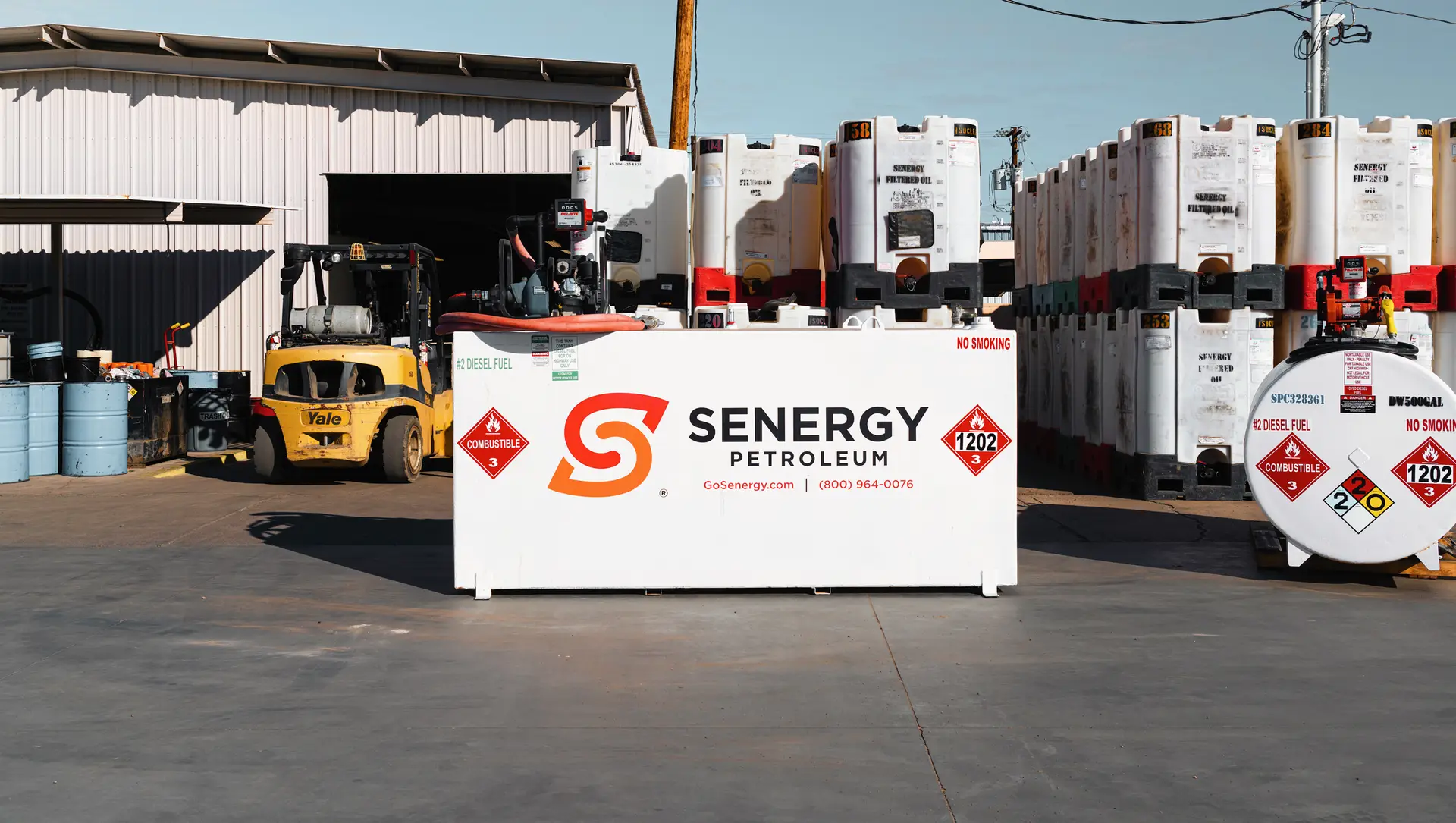
Portable diesel storage systems provide flexibility for construction, mining, and other mobile operations. These tanks allow on-site fueling, reducing downtime and improving operational efficiency. Their mobility makes them ideal for temporary projects or remote locations where permanent storage solutions are impractical.
Significance of Prevention of Fuel Contamination
Preventing fuel contamination is critical to preserving the quality and usability of stored fuel. Contaminants such as water, dirt, and microbial growth can compromise fuel performance, leading to equipment damage and operational inefficiencies.
Water intrusion is one of the most common causes of contamination, occurring through condensation, leaks, or improperly sealed storage tanks. Temperature fluctuations can increase moisture buildup inside tanks, creating an environment conducive to microbial growth.
A proactive approach is essential to prevent contamination. Proper tank sealing, regular cleaning, and filtration systems are key measures. Controlling temperature fluctuations and limiting exposure to external factors can reduce condensation risks. Advanced solutions, such as desiccant breathers, help manage moisture levels by filtering incoming air.
Regular fuel testing is also crucial. Consistent quality checks allow organizations to detect contamination early and take corrective action. Neglecting contamination prevention can result in clogged filters, engine damage, and increased maintenance costs.
Safety and Compliance in Bulk Fuel Storage
In commercial operations, bulk fuel storage relies on strict safety practices and regulatory compliance. Due to the hazardous nature of fuel, companies are required to follow rigorous standards to prevent accidents and legal liabilities.
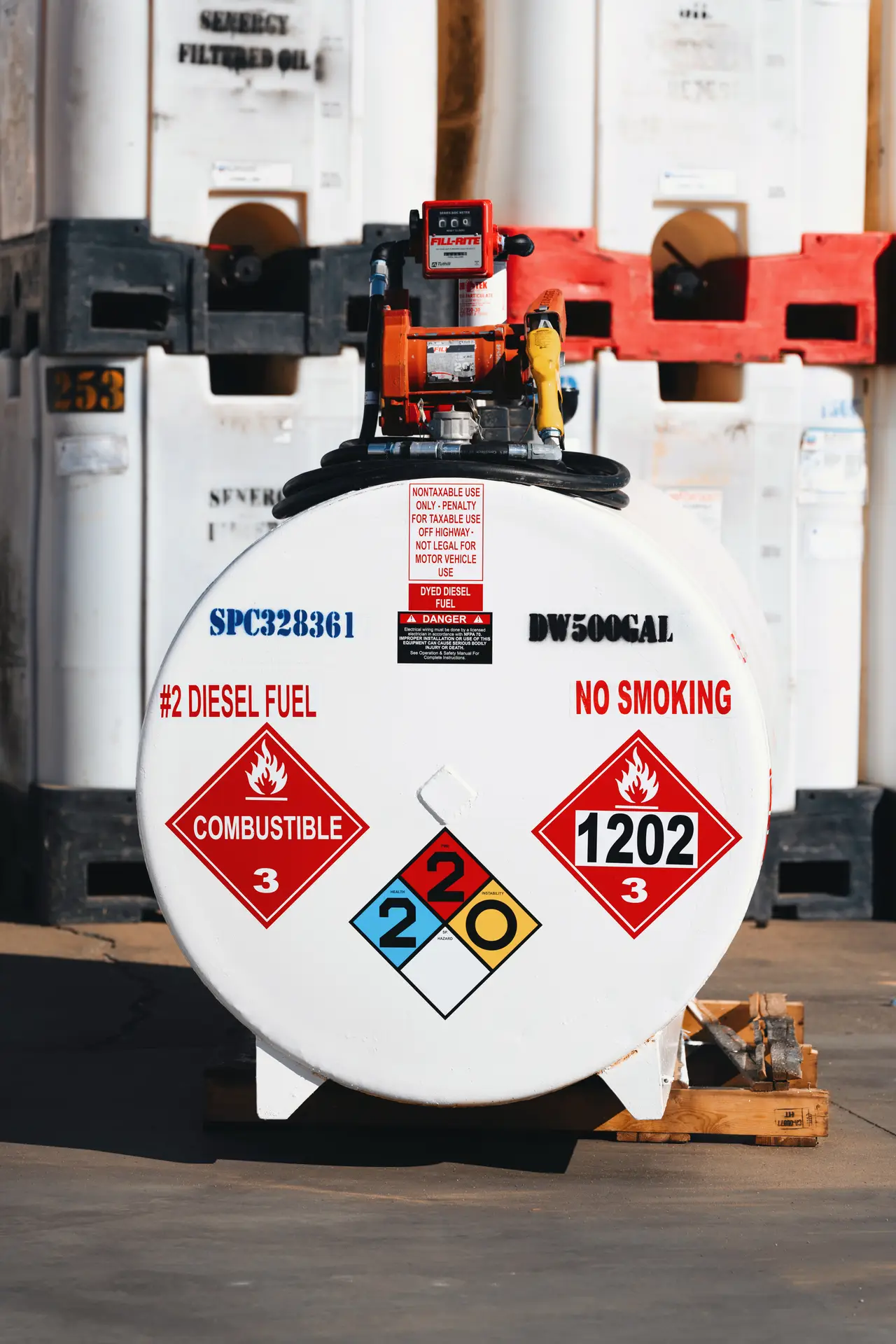
Regulatory frameworks mandate the implementation of spill prevention measures, proper documentation, and routine inspections. These standards are designed to mitigate risks associated with fuel storage, including leaks, fires, and contamination.
Secondary containment systems are a critical safety measure. Solutions such as bund walls or double-walled tanks help contain spills, preventing fuel from spreading beyond storage areas. Proper grounding and ventilation further reduce the risk of fire or explosion caused by static electricity.
Employee training is essential for maintaining safety. Staff must be educated in proper fuel handling, emergency response procedures, and equipment operation. Regular drills and refresher courses ensure employees are prepared to respond effectively to any potential incidents.
Proactive Maintenance Strategies for Bulk Fuel Storage
A comprehensive maintenance plan for bulk fuel storage includes regular inspections, cleaning, and testing. Inspections should focus on identifying signs of corrosion, leaks, or structural damage. Early detection allows businesses to address issues before they escalate into costly repairs.
Routine cleaning is essential to remove sludge and sediment that accumulate at the bottom of tanks over time, which can negatively affect fuel quality and system performance. Regular cleaning ensures optimal storage conditions and reliable fuel performance.
Preventive maintenance also involves monitoring fuel quality and implementing filtration systems. Ensuring that fuel remains clean and free of contaminants helps protect equipment and extend its operational life.
Advanced technology further enhances maintenance efforts. Modern monitoring systems provide real-time data on tank conditions, enabling predictive maintenance and reducing the likelihood of unexpected problems.
Fuel Storage Systems Technological Advancements
The integration of technology has transformed bulk fuel storage systems, making them more efficient, reliable, and secure. Modern solutions utilize digital tools to enhance monitoring, control, and operational decision-making.
Smart sensors are among the most significant innovations, providing real-time data on fuel levels, temperature, and pressure. These devices enable remote management of storage systems, preventing overfilling, leaks, and sudden changes in fuel levels.
Automation has also revolutionized fuel storage operations. Automated systems can manage fuel distribution, track usage patterns, and generate reports to support data-driven decisions. This reduces reliance on manual processes and minimizes human error.
Data analytics further optimizes storage strategies. By analyzing fuel consumption trends, businesses can improve efficiency, anticipate maintenance needs, and prevent unplanned downtime.
Advanced filtration and purification technologies enhance fuel quality control, ensuring that stored fuel remains clean and free of contaminants. These solutions help maintain optimal fuel performance and support reliable operations.
Best Practices in Bulk Fuel Storage
The future of bulk fuel storage is shaped by innovation, evolving industry standards, and best practices aimed at maximizing efficiency and safety. Modern trends include advanced storage designs that enhance durability and prevent leaks, as well as hybrid systems that combine traditional fuel storage with energy solutions for greater flexibility.
Proactive management remains essential, with regular inspections, maintenance, and fuel quality checks ensuring reliable operations. Collaboration with industry experts and suppliers allows businesses to implement tailored solutions that meet specific operational needs.