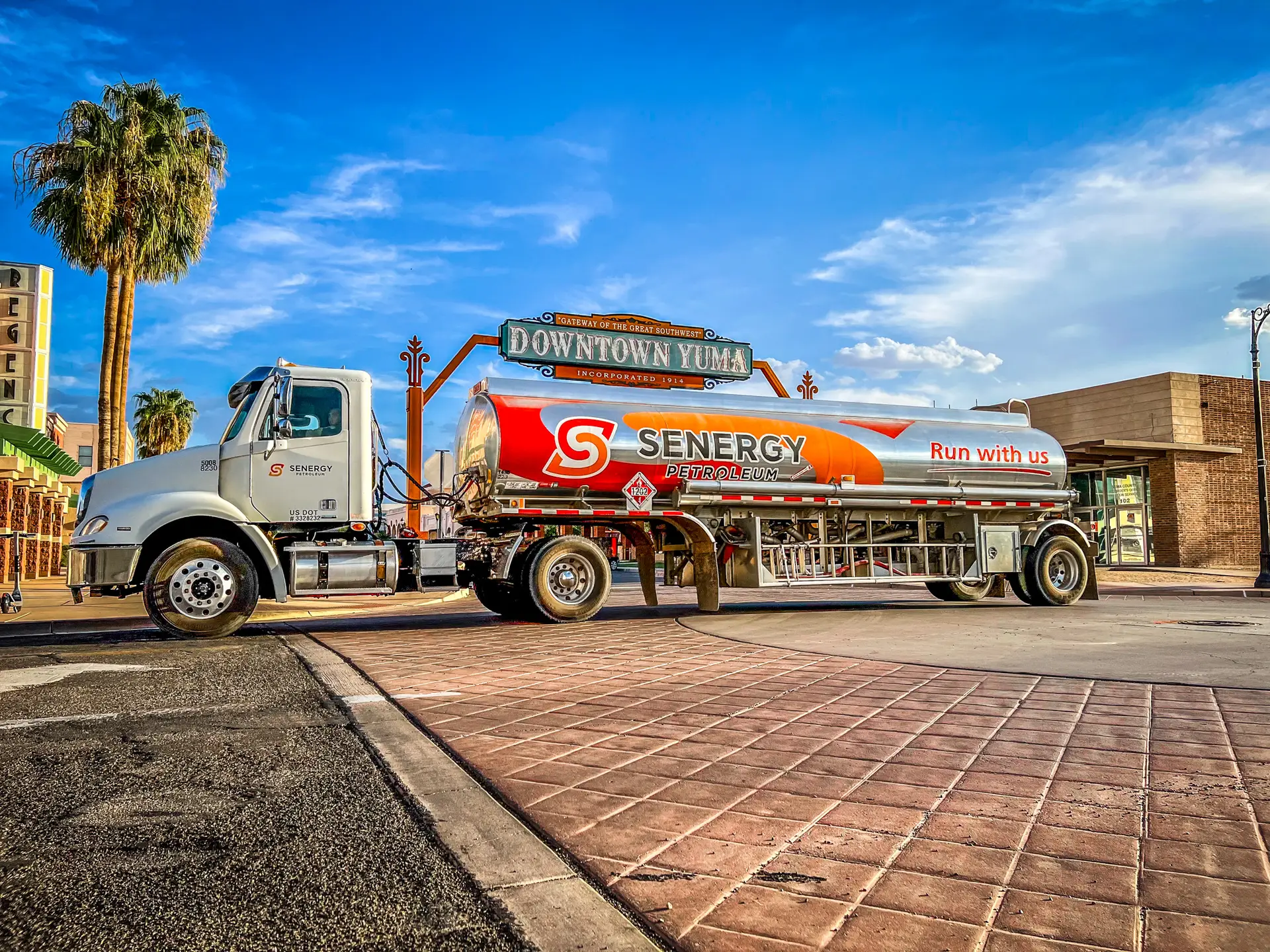
Transportation Fuel Strategies for Growing Fleets
Fleet fuel management is a key aspect of modern transportation, encompassing every stage of fuel handling, monitoring, and usage across fleet operations.
Transportation companies continuously work to reduce operating costs while maintaining delivery speed and reliability. Fuel remains one of the largest operational expenses for construction fleets, freight carriers, and service vehicle operators. As fleets continue to grow, effective fuel management becomes increasingly important. In today’s fast-moving transportation industry, outdated fueling practices and paper-based tracking systems are no longer efficient solutions for businesses aiming to remain competitive.
Modern fleet fuel management focuses on monitoring fuel usage, reducing waste, optimizing driver performance, and improving fleet visibility. Fleet managers now rely on digital monitoring systems, telematics, and automation to identify inefficiencies in routes, vehicle performance, and fuel consumption. Real-time fuel monitoring allows businesses to make faster, more informed decisions that can directly impact operational efficiency and overall costs.
As fleet operations expand, companies are placing greater emphasis on improving efficiency and maintaining reliable transportation performance. This has led many businesses to optimize route planning, reduce unnecessary idle time, and strengthen vehicle maintenance programs. A well-developed fuel management strategy can help reduce fuel costs, improve equipment performance, and extend vehicle lifespan.
Why Commercial Diesel Continues to Power Fleet Operations
Despite advancements in alternative fuels and electric vehicles, commercial diesel remains the preferred fuel source for transportation because of its reliability, efficiency, and widespread infrastructure availability. Heavy-duty trucks, freight carriers, agricultural equipment, and long-haul fleets continue to depend on diesel-powered engines for consistent performance in demanding operating conditions.
Commercial diesel provides greater torque and fuel efficiency than many gasoline-powered alternatives. This allows businesses to reduce fuel consumption during long-distance transportation while maintaining strong hauling capabilities across large fleet operations. Diesel engines are also known for their durability, making them well-suited for rigorous transportation environments and heavy workloads.
One of the major advantages of commercial diesel is its established fueling infrastructure. Unlike some emerging fuel technologies, diesel is widely available across both urban and rural transportation networks. This accessibility helps fleet operators maintain productivity without concerns about limited fueling availability.
Building a Reliable Diesel Supply Strategy for Fleet Operations
A reliable diesel supply strategy is a critical part of transportation planning. Fuel shortages, market fluctuations, and supply chain disruptions can significantly impact fleet operations. Without a dependable fuel supply, businesses may face unexpected delays, rising operational costs, and reduced productivity.
As fuel demands increase, fleets need a structured procurement plan that ensures access to fuel across all operating locations. Many transportation companies establish long-term supplier agreements to reduce exposure to market volatility and unexpected shortages. Bulk fuel purchasing contracts can also help businesses secure more stable pricing and improve budgeting accuracy.
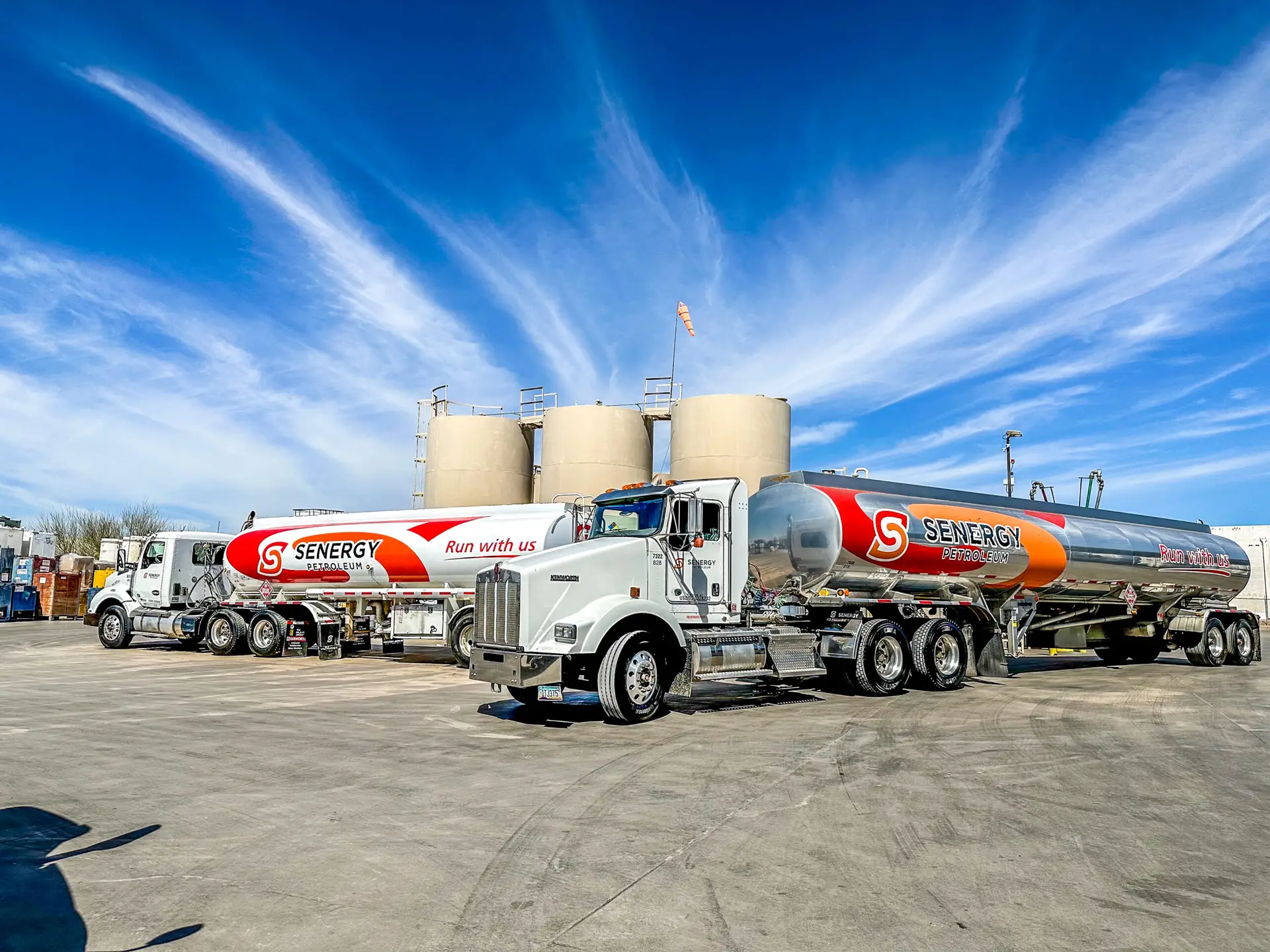
On-site fuel storage has also become increasingly valuable for growing transportation operations. Bulk storage tanks allow businesses to better manage fuel inventory, reduce downtime, and improve fueling efficiency. Minimizing time spent searching for fueling stations can also help improve route productivity and operational consistency.
Fuel quality monitoring is another essential component of an effective diesel supply strategy. Poor fuel quality can lead to engine damage, increased maintenance costs, and reduced vehicle performance. Regular fuel testing and storage inspections help fleets maintain reliable operations and reduce the risk of costly disruptions.
How Technology Is Transforming Fleet Fuel Management
Technology has significantly transformed modern fleet fuel management systems. As transportation companies expand fleet operations and fuel usage increases, businesses are moving away from outdated paper tracking methods in favor of digital solutions that provide real-time monitoring and detailed analytics. Modern fleet fuel management software helps businesses better control fuel costs, improve operational performance, and increase overall efficiency.
Telematics systems now allow fleet managers to monitor driver behavior, vehicle speed, idle time, and route efficiency from a single dashboard. These insights help identify operational practices that contribute to unnecessary fuel costs and reduced productivity. Driving habits such as excessive idling, rapid acceleration, and harsh braking can all negatively impact fuel efficiency.
Fuel cards and automated reporting systems also improve financial visibility and operational control. Businesses can track fuel purchases in real time, reduce unauthorized fueling activity, and streamline accounting processes. Some systems can even detect irregular fuel usage patterns that may indicate misuse or theft.
The Impact of Driver Behavior on Fleet Fuel Efficiency
Driver behavior has a direct impact on transportation fuel consumption. While advanced vehicles and efficient routing systems can help reduce fuel expenses, poor driving habits can quickly increase operational costs. For growing fleets, driver education programs remain one of the most cost-effective ways to improve fuel efficiency.
Aggressive acceleration, excessive braking, speeding, and prolonged idling all contribute to unnecessary fuel waste. Companies that invest in ongoing driver training programs often see noticeable fuel savings shortly after implementation. Proper driving practices can also improve vehicle performance and reduce unnecessary wear on equipment.
Training programs should focus on defensive driving techniques, proper gear shifting, maintaining consistent speeds, and minimizing idle time. Many businesses also use telematics systems to provide drivers with personalized feedback and performance reporting to encourage more efficient driving habits.
Performance-based incentive programs are also becoming more common throughout the transportation industry. Many companies reward drivers who consistently meet or exceed fuel-efficiency goals through bonuses or recognition programs. These initiatives help promote accountability and support a stronger culture of operational efficiency across fleet operations.
Preventive Maintenance in Fuel Efficiency
Preventive maintenance plays a major role in transportation fuel efficiency and vehicle reliability. Poorly maintained trucks and commercial vehicles often consume more fuel, experience more breakdowns, and create higher operating costs. Regular maintenance programs help fleets keep vehicles operating efficiently and reduce unnecessary fuel waste.
Routine inspections can identify issues such as clogged air filters, low tire pressure, worn engine components, and improper lubrication before they become costly problems. Tire maintenance is especially important, as incorrect tire pressure can increase rolling resistance and fuel consumption. Regular tire inspections and alignments help improve both fuel efficiency and vehicle performance.