Top Fuel Challenges Oil & Gas Support Companies Face And How to Solve Them
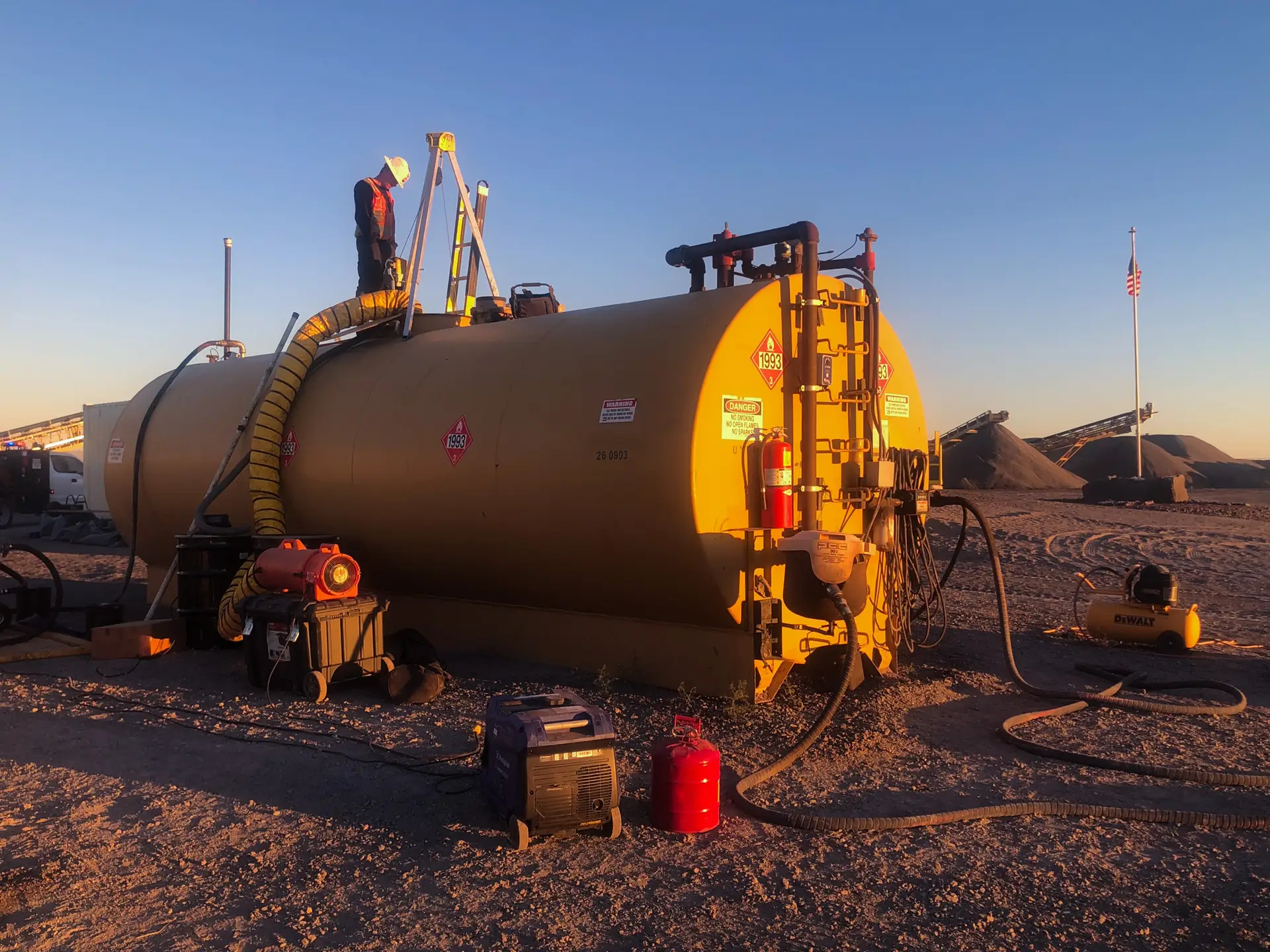
The oil and fuel industry remains one of the most complex and demanding sectors, defined by high stakes, tight margins, and challenging operating environments. Organizations supporting this sector must navigate a wide range of challenges associated with fuel delivery, distribution, and utilization—challenges that directly impact operational performance and financial outcomes. Unlike conventional industries, fuel operations often take place in remote regions, offshore platforms, or isolated deserts and Arctic zones, where access and infrastructure are limited. These conditions highlight the critical role of reliable fuel infrastructure and leave little room for error.
At the core of these complexities is fuel logistics, which extends far beyond basic delivery and transport. Effective management requires strategic planning, accurate forecasting, real-time monitoring, hazard mitigation, and coordination across multiple touchpoints. Inadequate planning can result in costly downtime, supply chain bottlenecks, and operational disruptions. Optimizing fuel operations is not optional—it is essential for maintaining efficiency, reliability, and competitiveness. Understanding this landscape is the first step in overcoming the operational challenges faced by organizations in the fuel industry.
Streamlining Fuel Logistics Across Complex Operations
Efficient fuel logistics is a cornerstone of operational performance for any energy provider, and in the oil and gas industry, it becomes exceptionally complex due to the scale and dispersion of sites. Exploration and production operations often span vast, remote terrain, each presenting unique logistical challenges. In many instances, pipelines are impractical, roads are limited, and reliance on air or sea delivery is required. Fuel operators must plan for every contingency, including extreme weather, regulatory checkpoints, and geopolitical disruptions.
Logistics challenges also extend to inventory management and demand forecasting. Accurately predicting fuel requirements is difficult because sudden production increases, equipment downtime, or geopolitical events can significantly shift consumption patterns. Miscalculations can result in shortages or costly overstock. Coordinating delivery schedules with drilling operations, processing plants, and operational timelines adds an additional layer of complexity.
To manage this complexity, organizations must implement robust monitoring systems, integrate multimodal delivery strategies, and synchronize fuel supply with operational plans. A holistic, data-driven approach enables fuel providers to reduce transportation bottlenecks and maintain reliable operations across remote and widely dispersed sites.
Strategies for Reliability and Efficiency
Remote operations define the most advanced energy projects, presenting unique challenges for fuel logistics teams. Whether on offshore platforms, deep within tundra regions, or in isolated wilderness areas, these locations demand self-sufficiency, resilience, and robust fuel systems. Remote sites often lack infrastructure, reliable communications, and nearby support services, placing significant pressure on fuel management operations.
Fuel storage and handling are particularly complex in these environments. Limited space, harsh conditions, and regulatory restrictions on storage volumes require carefully coordinated transport and inventory planning. Delays in fuel deliveries can immediately halt operations and escalate operational risks. For fuel providers, success depends not only on accurate monitoring but also on anticipating demand and responding with agility.
Technology is critical to overcoming these challenges. Remote tracking systems, IoT-enabled sensors, and predictive analytics provide real-time visibility into inventory levels and delivery status. When integrated with centralized operations centers, these tools reduce response times and enable proactive fuel management, even in the most remote locations. Leveraging modern technology is no longer optional—it is essential for ensuring reliable operations across dispersed and challenging sites.
Navigating Compliance Challenges in Fuel Logistics
The oil and fuel industry operates under increasing regulatory scrutiny, requiring stricter safety standards and operational oversight. For fuel management teams, this means navigating complex compliance requirements that directly influence how fuel is stored, transported, and handled. Meeting these regulations is mandatory, with noncompliance potentially resulting in fines, operational shutdowns, or permit revocation.
Regulatory requirements can significantly impact fuel logistics. Restrictions on volatile compounds during transport may limit delivery windows or require specialized equipment. Storage protocols, such as double-walled tanks or secondary containment, are often necessary to maintain safe operations. While these measures add operational complexity and cost, they are essential for maintaining regulatory compliance and ensuring safe, reliable fuel management.

Controlling Costs in Complex Fuel Operations
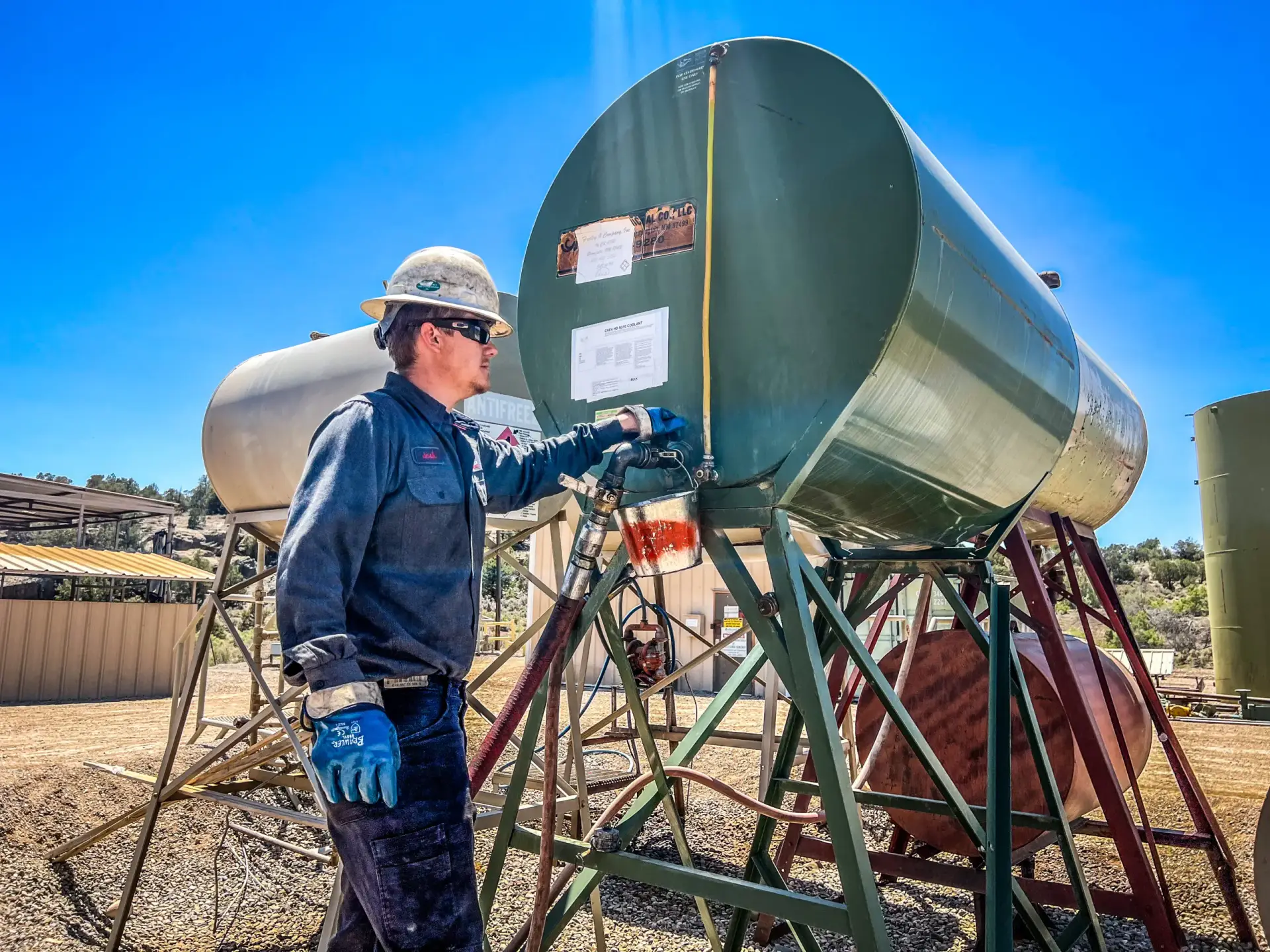
Cost management is a constant challenge in fuel operations, particularly as crude prices fluctuate and competition intensifies. Fuel management teams must balance rising transportation expenses, inventory costs, and investments in technology while maintaining quality and reliability. In remote operations, fuel costs can be significantly higher due to transportation and logistical demands.
Inefficiencies caused by poor planning are a major driver of unnecessary costs. Misaligned delivery schedules result in expensive expedited shipments, overstocked fuel ties up capital and risks degradation, and limited visibility into fuel usage conceals operational inefficiencies.
To control costs while maintaining performance, organizations can leverage data analytics and automation. Fuel management systems that integrate historical consumption data, real-time inventory tracking, and predictive analytics enable planners to optimize deliveries and reduce variability. Automated procurement systems can secure better pricing and lower administrative overhead. Ultimately, effective cost management in fuel logistics relies on proactive, data-driven decision-making rather than reactive problem-solving.
Leveraging Digital Technology to Transform Fuel Operations
One of the most significant shifts in the fuel industry is the adoption of digital technologies to enhance visibility and decision-making. Fuel management teams operating without real-time data on inventory, fuel levels, or delivery status face misallocations, delays, and costly emergency shipments. Digital integration across fuel logistics networks provides a unified view, enabling faster, more informed decisions.
Technologies such as IoT sensors, GPS tracking, cloud-based dashboards, and cellular reporting systems are reshaping fuel operations. IoT devices installed on storage tanks and transport vehicles deliver real-time data to centralized dashboards. When paired with analytics platforms, these systems identify trends, detect anomalies, and generate actionable forecasts, allowing fuel operators to optimize delivery schedules and improve operational efficiency.
Strengthening the Human Element in Fuel Operations
The human element remains critical in fuel operations, but organizations often face staffing shortages and security challenges. The fuel industry requires specialized expertise in fuel handling, regulatory compliance, hazardous materials protocols, and emergency response. Recruiting and retaining personnel with this knowledge is particularly difficult for operations in remote or high-risk locations.
Technology can help address these challenges. Remote training platforms, augmented reality (AR) simulations, and virtual procedural courses standardize skill levels across teams. Training programs tailored to fuel logistics and remote operations build internal capacity, reduce reliance on outside contractors, and enhance overall operational readiness. Prioritizing workforce safety and competency protects employees and assets while supporting operational efficiency and organizational reputation.
The Future of Fuel Support
Efficiency and strategic planning are critical in today’s fuel industry. Optimizing delivery schedules, reducing idle time, and integrating auxiliary energy systems at remote sites improve reliability and cut costs. Advanced routing and load-sharing strategies minimize unnecessary trips and streamline logistics. By focusing on these practices, fuel management teams can strengthen operations, maintain continuity, and gain a competitive edge.