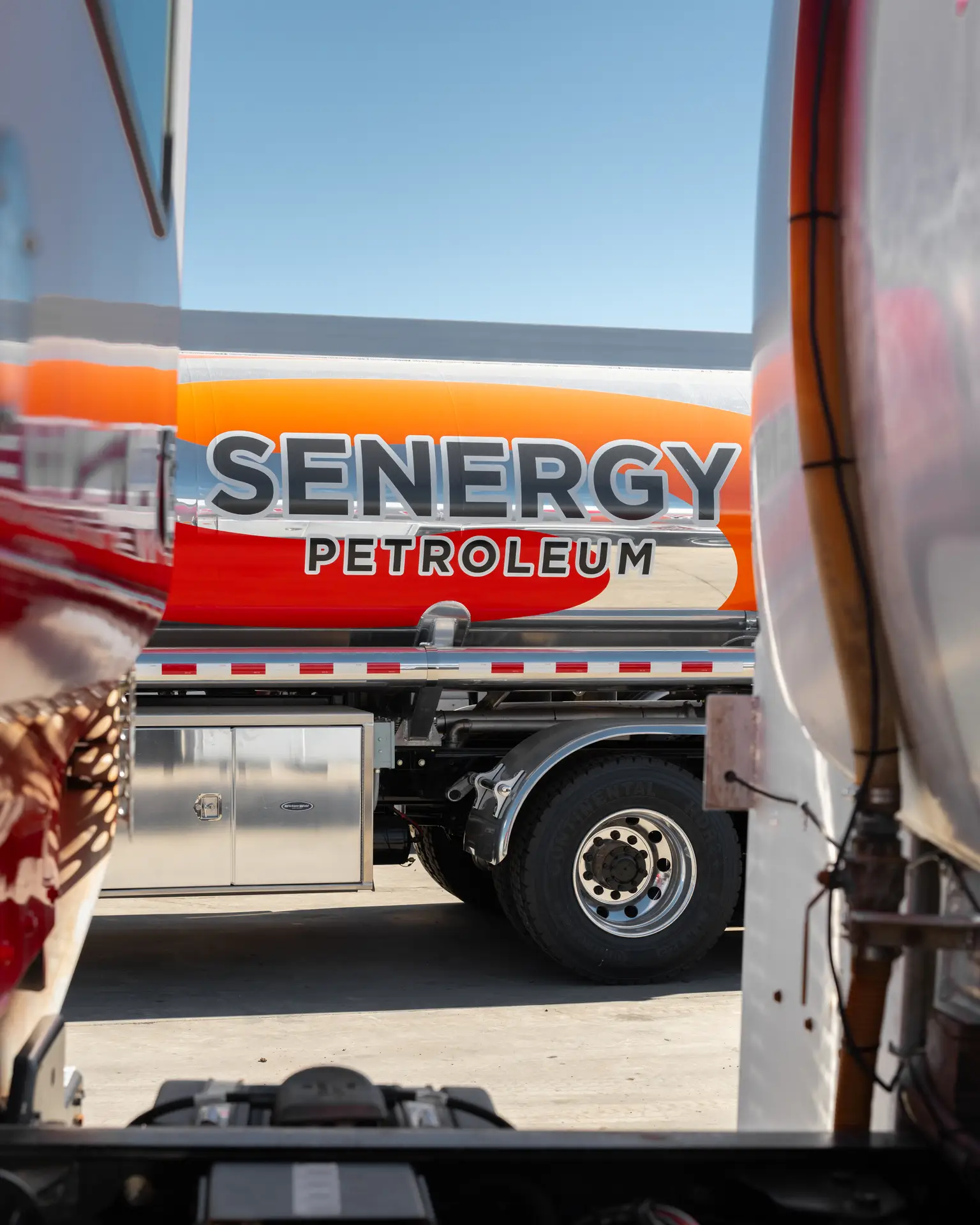
The Value of Emergency Fueling During Crisis Operations
Operational continuity for organizations that cannot tolerate downtime—such as utilities, healthcare systems, logistics fleets, construction companies, agricultural operations, and government agencies—depends on reliable emergency fueling strategies. Conventional retail fueling stations often fail during disasters due to power outages, supply chain disruptions, staffing shortages, or sudden surges in demand. In these moments, operational failure is rarely caused by equipment breakdown alone; more often, it stems from fuel shortages.
Fuel disruptions create ripple effects across critical services. Ambulances cannot respond, generators shut down, food distribution slows, and supply chains stall. Organizations that depend on diesel-powered equipment and transportation face immediate revenue loss and heightened safety risks. For this reason, emergency fueling must be approached proactively, not reactively.
Modern resilience strategies recognize fuel as a mission-critical resource—on par with electricity and communications. Organizations now conduct vulnerability assessments to identify fueling risks under various scenarios, including natural disasters, cyberattacks, civil unrest, and infrastructure failures. Effective contingency planning includes alternative supply routes, pre-established contracts, and access to dependable fueling infrastructure.
Secure, Controlled Access for Fleet Operations
Cardlock access provides automated commercial fueling facilities without on-site personnel and limits use to authorized users. Drivers activate pumps with coded cards or secure credentials, removing the need for cash transactions or manual approvals.
Unlike retail fueling stations that serve the general public, cardlock facilities support fleet operations. These sites offer high-flow pumps, wide turning radii for heavy vehicles, and 24/7 access. Their membership-based model prevents the long lines and congestion that often affect retail stations during emergencies.
Security strengthens the system further. Each transaction connects directly to a specific card, driver, or vehicle, creating a clear audit trail and discouraging theft or misuse. Organizations can set controls on fuel type, purchase limits, time-of-day access, and location restrictions to manage resources responsibly and maintain operational oversight.
How Cardlock Networks Support Rapid Deployment
Rapid deployment depends on eliminating operational bottlenecks. Cardlock networks support this objective by providing distributed infrastructure with standardized access credentials across multiple regions. Vehicles can travel between territories and refuel within the same network, eliminating the need to establish new supply agreements mid-operation.
These networks are strategically positioned along major highways, within industrial corridors, and near logistics hubs—precisely where emergency response and fleet activity are concentrated. Strategic placement reduces rerouting, conserves fuel, and shortens turnaround times. When operations must move quickly, reliable and predictable fueling locations become essential.
Automation further enhances deployment efficiency. Unattended sites remain operational even when retail locations face staffing shortages. Many facilities are equipped with backup power systems and on-site storage, allowing continued fueling access during grid failures or delivery disruptions.
In large-scale emergencies, supply chains become volatile and unpredictable. A distributed cardlock network reduces reliance on any single location, minimizing the risk of total operational shutdown. If one site becomes unavailable, crews can redirect to another without administrative delays. This level of redundancy is fundamental to resilient, rapid deployment planning.
Emergency Fueling Readiness Pre-Incident Planning
Effective emergency fueling operations begin long before a crisis occurs. Organizations that delay preparation often face fuel shortages, restricted access, or logistical confusion when disruption strikes. Proactive planning transforms cardlock networks from a convenience into a strategic resilience asset.
Critical preparation steps include identifying mission-critical vehicles, estimating fuel consumption rates, and mapping fueling requirements across multiple emergency scenarios. Planning teams must evaluate worst-case conditions—extended outages, restricted transportation routes, or simultaneous multi-site operations—to ensure continuity under pressure.
Formal agreements with fuel suppliers are equally important. Priority supply arrangements help secure adequate inventory for essential operations, even during periods of elevated demand. In some cases, coordination with local authorities ensures emergency access to restricted or controlled areas.
Training is another essential, yet often overlooked, component. Drivers must understand card access procedures, PIN protocols, safety requirements, and alternative fueling locations. Confusion at the pump during an emergency wastes valuable time and compromises response effectiveness.
Inventory monitoring and predictive analytics further strengthen preparedness. By analyzing fuel consumption trends, planners can anticipate shortages before they occur and adjust procurement strategies accordingly. This data-driven approach supports proactive decision-making rather than reactive crisis management.
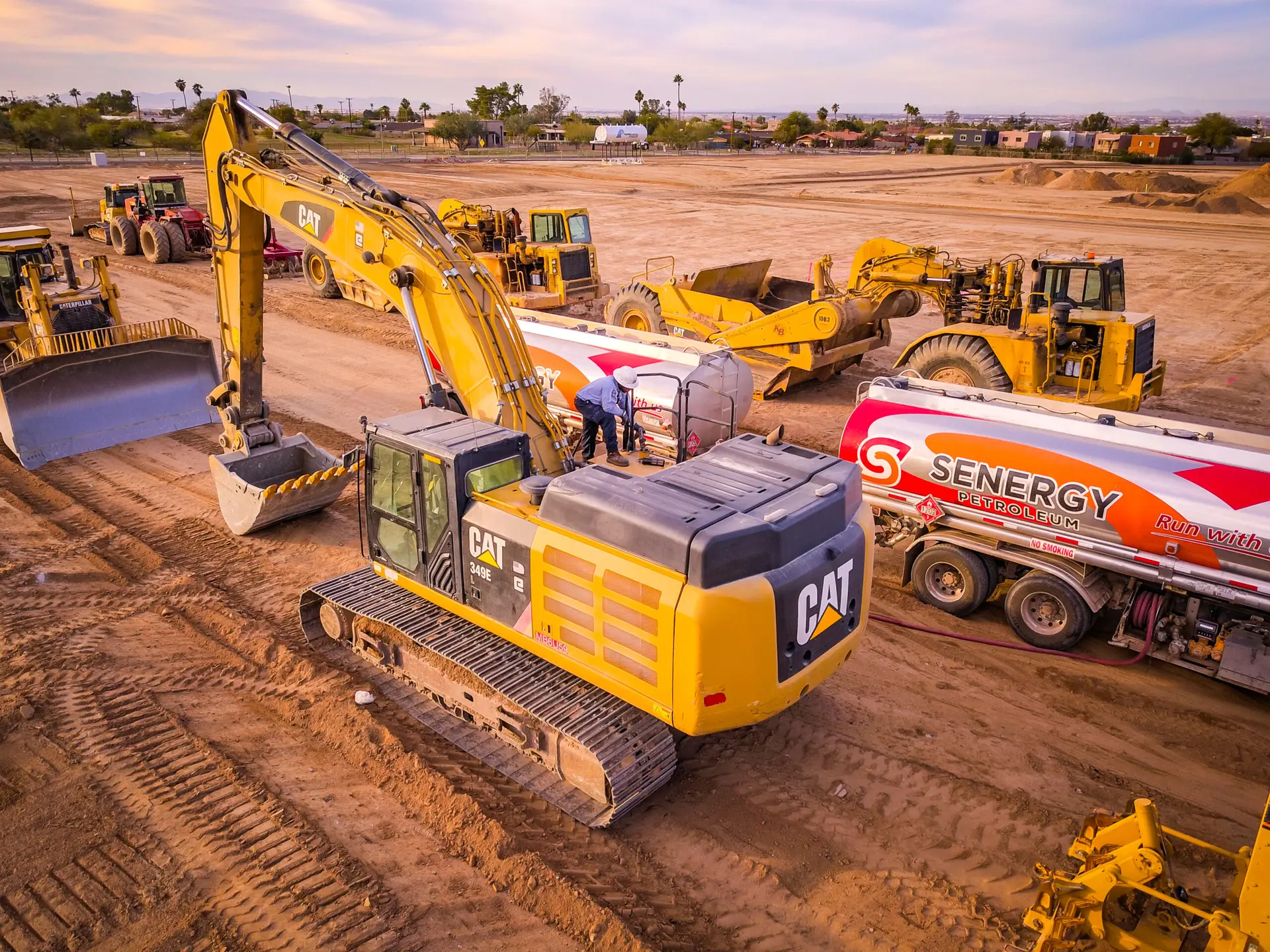
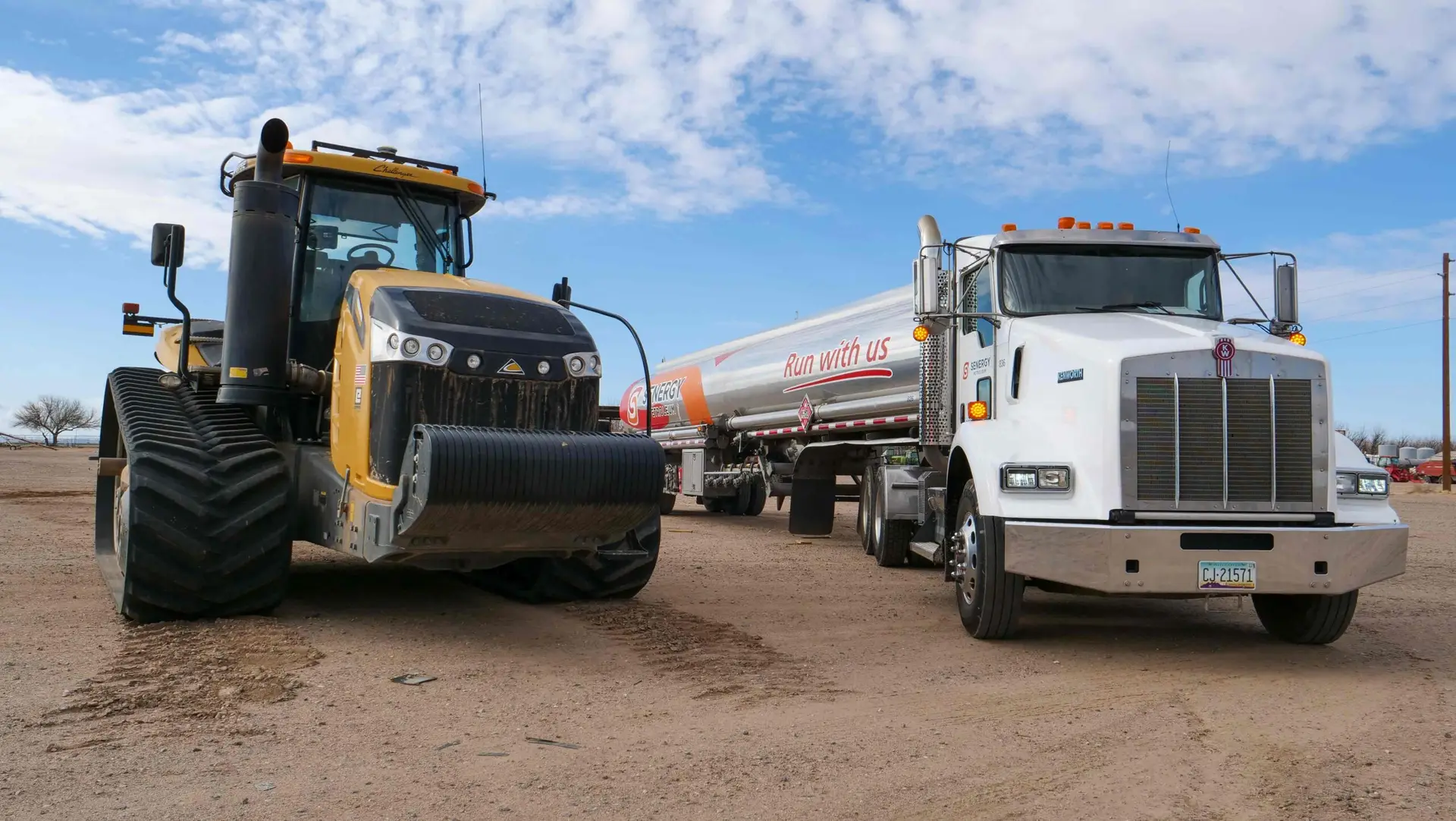
Protecting Critical Resources During Emergencies
Fuel becomes an especially valuable—and vulnerable—commodity during emergencies, when the risk of theft, diversion, or misuse increases. Protecting operational integrity requires secure and controlled distribution systems. Cardlock fueling provides significantly stronger safeguards compared to cash-based retail transactions.
Access is restricted through authentication protocols, ensuring that only authorized personnel can dispense fuel. Each transaction generates an electronic record linked to a specific card, driver, or vehicle, enabling real-time tracking and post-incident auditing. This level of accountability deters misuse and supports compliance with regulatory requirements or funding mandates.
Additional safeguards include configurable spending limits and usage restrictions. Organizations can establish daily volume caps, limit fuel types, or deactivate cards in real time if suspicious activity is detected. This flexibility is critical in fast-changing emergency environments where oversight must remain constant.
Physical security further strengthens reliability. Many commercial fueling facilities are gated, monitored, and located in industrial zones rather than high-traffic retail areas. This reduces exposure to vandalism, tampering, and unauthorized access.
Enhancing Emergency Fuel Management Through Real-Time Intelligence
Modern emergency fueling strategies rely heavily on digital integration. Cardlock systems can connect directly with fleet management platforms, providing real-time visibility into fuel consumption, vehicle location, and operational activity trends. This data enables predictive decision-making rather than reactive response.
For example, command centers can determine how long current fuel supplies will last, identify high-consumption assets, and redeploy resources before shortages occur. This level of foresight is particularly valuable during prolonged or large-scale incidents.
Situational awareness is further enhanced through geospatial tools. Mapping software can display fueling locations alongside road conditions, hazard zones, and operational priorities. Updated routing information can then be communicated to drivers in real time, eliminating uncertainty in rapidly changing environments.
Automation also streamlines administrative processes. Electronic reporting reduces paperwork and allows personnel to focus on mission-critical tasks. Financial reconciliation becomes faster and more accurate—especially when multiple departments, agencies, or contractors are involved.
Sustaining Fuel Resilience
Emergency preparedness is not a one-time initiative—it is an ongoing commitment. Organizations that treat fueling resilience as a continuous responsibility are better positioned to manage future disruptions. Scalable cardlock networks support this long-term strategy, while regular drills and scenario testing expose weaknesses before real events occur. Training programs, response plans, and supplier agreements should be updated based on lessons learned to ensure readiness evolves alongside emerging risks.