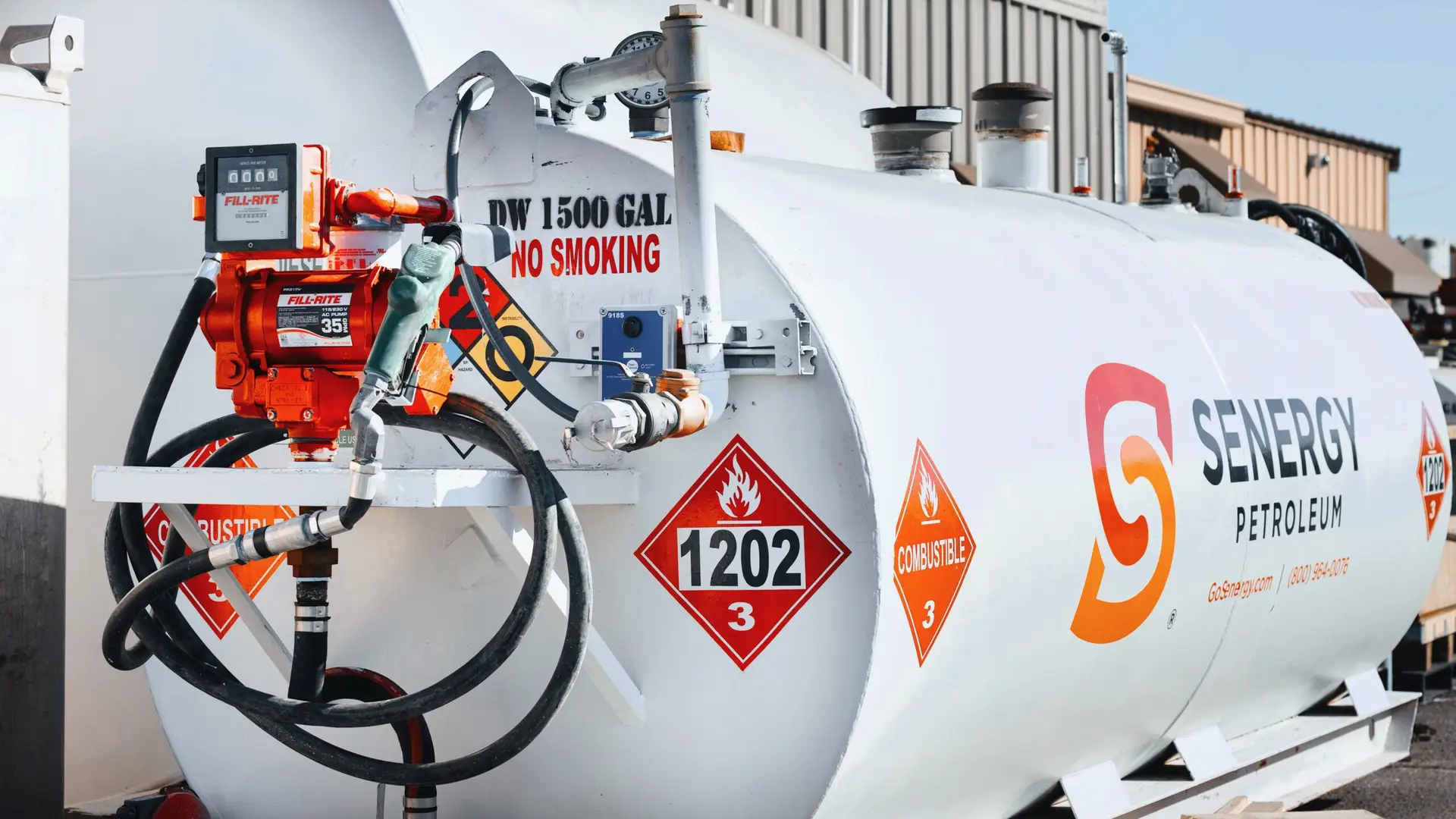
The Role of Tank Size in Efficient Fuel Storage
Fuel tanks are a critical component of any operation that requires on-site fuel storage, including construction sites, transportation hubs, agricultural operations, and commercial facilities. These tanks store gasoline, diesel, or other fuels until they are needed to power vehicles and equipment. Tank sizing refers to selecting the appropriate fuel tank capacity based on current and anticipated fuel demand. When a tank is undersized, operations face frequent refills that disrupt workflows and increase costs. When a tank is oversized, fuel may sit unused for extended periods, leading to quality degradation and unnecessary expense. Proper tank sizing supports smooth operations while reducing risks associated with fuel management.
Correctly sized fuel tanks also contribute to overall efficiency and safety. Industry best practices recommend aligning tank capacity with actual usage patterns and anticipated peak demand. This approach minimizes excess inventory, supports fuel quality, and improves handling and storage practices. A strategic approach to tank sizing forms the foundation of effective fuel storage solutions and helps strengthen operational reliability and safety outcomes.
Fuel Tank Sizing and Its Role in Workplace Safety
Safety is a top priority when handling flammable liquids. Fuel tanks that are oversized or installed without careful planning can introduce unnecessary risks, especially if spill containment, ventilation, and access are not properly addressed. Proper tank sizing ensures a facility stores only the amount of fuel required for operations, reducing the likelihood of spills, overpressurization, and related incidents. Industry guidelines emphasize that limiting stored fuel volume makes risk management more effective and supports compliance with fire codes and safety standards.
Overfilled tanks can also present challenges by leaving little room for fuel expansion, particularly during warmer conditions. Excess pressure can place stress on tank components and compromise structural integrity. At the same time, undersized tanks require more frequent refueling and handling, increasing exposure during fuel transfer activities. Selecting the correct tank size is a critical part of a comprehensive fuel storage strategy that prioritizes site and personnel safety.
Effective safety programs typically combine properly sized tanks with additional protective measures, including secondary containment, grounding systems, and routine inspection schedules. This layered approach helps prevent leaks, supports secure fuel handling, and reinforces overall facility safety.
How Proper Fuel Storage Supports Operational Efficiency
Operational productivity is directly influenced by the efficiency of fuel management. Properly sized fuel tanks help minimize downtime caused by refueling delays or fuel shortages. By accurately evaluating average fuel consumption and peak demand periods, operations can determine the appropriate fuel storage capacity. This planning ensures refueling schedules remain predictable and aligned with day-to-day workflows.
Right-sized tanks also reduce the frequency of fueling activities. Fewer refueling interruptions allow teams to stay focused on their tasks instead of stopping work to wait for fuel delivery. For operations running large fleets or heavy equipment, maintaining sufficient on-site fuel without overstocking ensures equipment is ready when needed. This consistency supports productivity goals and helps eliminate the hidden costs associated with idle time.
Thoughtful tank sizing also contributes to cost control. Avoiding excess capacity helps reduce losses tied to fuel degradation and product contamination. Well-managed fuel storage supports fuel quality, which promotes reliable equipment performance and reduces maintenance-related disruptions, further strengthening operational efficiency.
Why Right-Sized Aboveground Tanks Improve Fuel Operations
Aboveground tanks are among the most common fuel storage solutions used in industrial and commercial operations. These tanks are installed at ground level rather than below grade, making them easier to access, monitor, and inspect. When properly sized, aboveground tanks support both safety and operational efficiency. One key advantage is the ability to identify potential issues—such as leaks, corrosion, or structural wear—early through routine visual inspections.
Visible fuel levels also help site managers plan deliveries and avoid unexpected shortages without relying solely on gauges or monitoring systems. Effective tank sizing ensures storage capacity aligns with actual fuel usage, reducing the need for frequent partial fills that can contribute to condensation and fuel quality issues over time. Aboveground tanks also offer practical advantages, including simpler maintenance and lower installation costs compared to underground options. Their accessibility allows for more straightforward cleaning, repairs, and system upgrades.
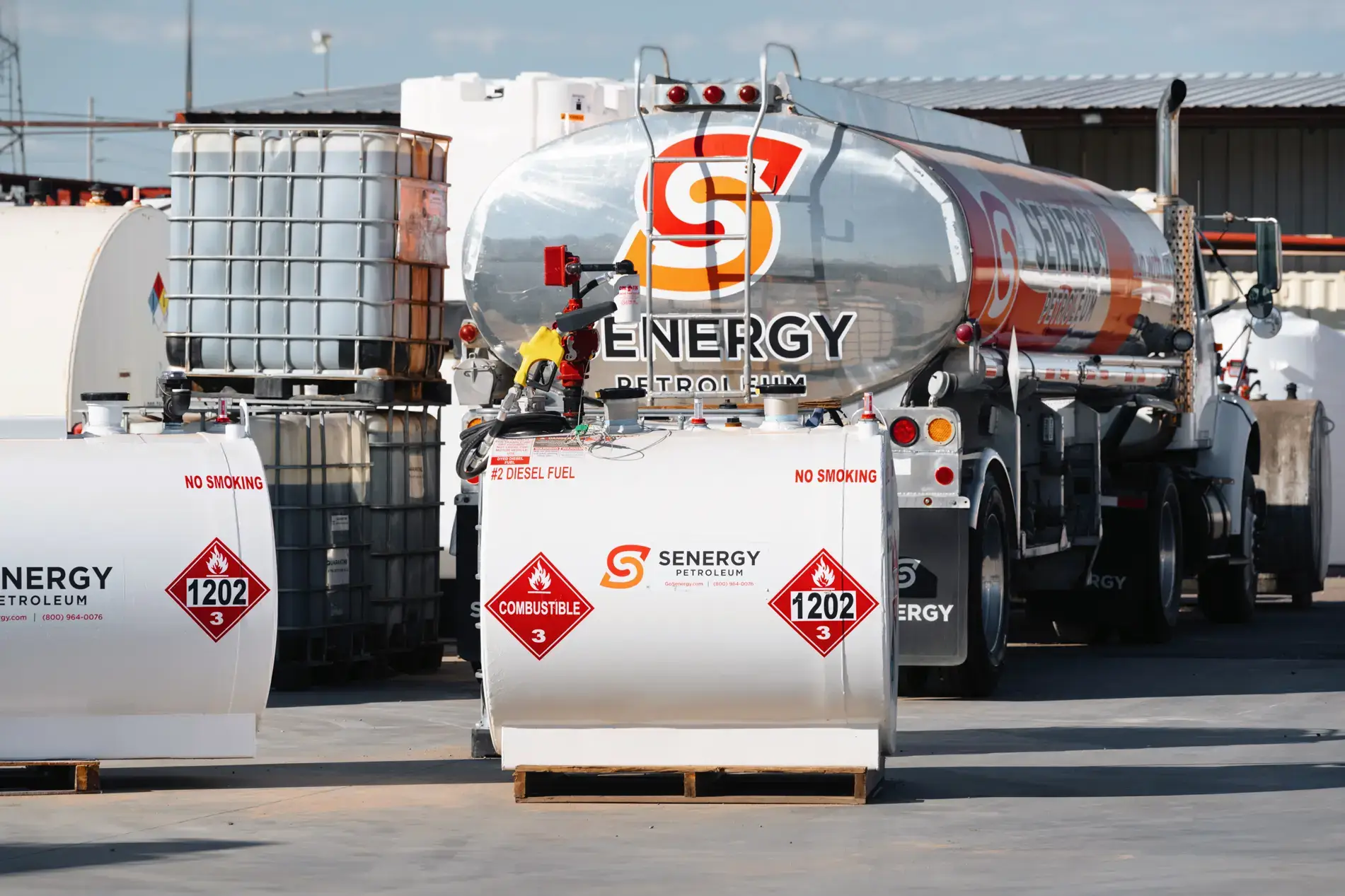
An appropriately sized aboveground tank, combined with proper foundations and containment systems, helps keep operations safe and productive. This approach supports long-term operational stability and reduces the risk of costly emergency refueling or expansion efforts. Aboveground configurations also allow for scalable growth, as additional tanks can be added as demand increases without disrupting existing workflows. Proper sizing plays a strategic role in effective fuel management planning.
Meeting Safety Standards Through Proper Fuel Tank Sizing
Ensuring fuel storage practices comply with applicable safety and regulatory requirements is essential for uninterrupted operations. Federal, state, and industry standards establish clear expectations for spill containment, tank design, placement, and capacity limits. Selecting the correct fuel tank size helps organizations operate within these requirements and reduce the risk of fines, corrective actions, or shutdowns. Storage systems that incorporate proper sizing are typically easier to certify, inspect, and manage over time.
Regulatory standards often emphasize limiting stored fuel volumes to reduce overall risk exposure. Excessive fuel storage can increase the impact of potential leaks or system failures, while properly sized tanks help maintain controlled and manageable conditions. Many regulations also require secondary containment features, such as berms or double-wall construction, which function most effectively when paired with appropriately sized primary tanks. This structured approach supports consistent compliance and safer fuel storage operations.
Fuel storage solutions built around accurate tank sizing also simplify documentation and inspection processes. Compliance records are easier to maintain when tanks operate within recommended capacity ranges, and monitoring systems such as alarms and level indicators perform more reliably. Proper tank sizing helps align operational practices with regulatory expectations while supporting long-term facility safety and reliability.
How Right-Sized Fuel Tanks Protect Your Bottom Line
Fuel represents a significant operating expense, and poor fuel management can lead to substantial financial losses. Proper tank sizing helps reduce unnecessary fuel purchases, limiting capital tied up in excess inventory. This approach also lowers the risk of fuel quality deterioration over time, which can drive higher maintenance costs due to contaminants or degraded product. Right-sized fuel tanks support tighter cost control by aligning storage capacity with actual operational demand.
Oversized tanks often require frequent partial fills, which can lead to fuel stratification, water accumulation, and sludge buildup. These conditions increase the need for cleaning, filtration, and corrective maintenance. Eliminating unnecessary tank capacity can also reduce delivery frequency, lowering transportation and labor costs associated with fuel procurement. With more predictable delivery cycles, procurement teams can better manage scheduling and leverage more favorable purchasing terms.
Incorrect tank sizing can also drive unnecessary infrastructure spending. Oversized systems increase upfront capital investment without delivering operational value, while undersized systems may force unplanned expansions or emergency upgrades. Proper tank sizing strikes the balance between cost control and operational reliability, helping protect budgets while ensuring consistent fuel availability.
Maintenance Benefits of Right-Sized Fuel Tanks
Maintenance is a continuous requirement for any fuel storage system. Improperly sized tanks experience additional stress from frequent filling and emptying cycles, which can accelerate wear on valves, gaskets, and other components. Selecting the correct tank size reduces the frequency of these cycles, extending the lifespan of both mechanical elements and the tank itself. Routine maintenance is more efficient when tanks are properly sized, as inspectors can focus on actual usage patterns and potential stress points rather than addressing issues caused by overuse or unnecessary handling. Proper tank sizing also helps maintain consistent fuel quality, reducing the need for frequent cleaning and sediment removal.
When combined with regular inspection schedules, right-sized tanks improve system reliability and minimize downtime due to repairs. Maintaining long-term equipment health protects the return on investment in fuel storage infrastructure and supports an operational environment where fuel systems facilitate productivity rather than constrain it.
How Right-Sized Tanks Support Growth
A major benefit of proper tank sizing is future planning. By aligning tank capacity with current and projected fuel needs, businesses can avoid costly retrofits or emergency expansions. Right-sized tanks also integrate seamlessly with digital monitoring systems, providing real-time visibility into fuel levels, usage, and maintenance needs. Scalable, properly sized storage solutions allow operations to grow or adapt without disrupting safety or productivity, creating a more efficient and reliable fuel management environment.